




Very happy with the ease of ordering. Delivery went exactly as planned. Garden soil looks great and couldn’t be happier.
About this soil
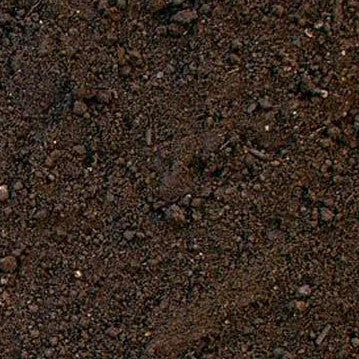
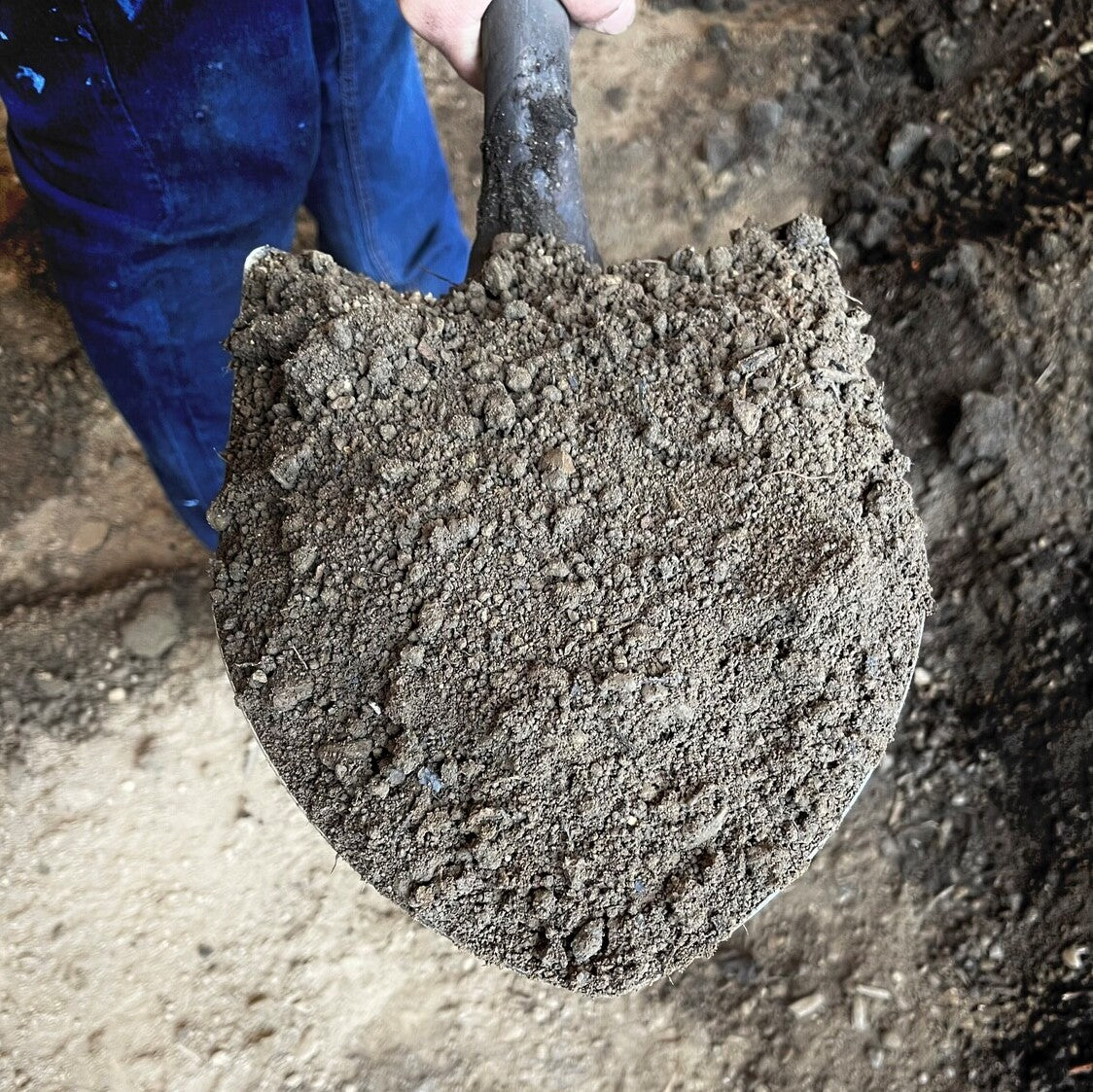
Quality topsoil for lawns, gardens, and landscape projects. Nutrient rich and ready to support strong root development and healthy plant establishment.
Very happy with the ease of ordering. Delivery went exactly as planned. Garden soil looks great and couldn’t be happier.
Tell us what you're looking for
Thanks! We received your request.
Something went wrong. Please try again.
How Much Material Do I Need?
How Much Material Do I Need?
For garden bed construction in Pensacola, plan on a minimum of 12 inches of imported soil above the sandy native base for most annual plantings, and at least 6 inches for lawn top-dressing and leveling work. Sandy soil beneath the imported layer will compact and settle faster here than in clay-heavy regions, so filling slightly above your target grade to start gives a more accurate final depth after the first growing season.
Use our free soil calculator
What is a yard?
What is a yard?
FAQs
FAQs
Pensacola Soil Delivery
Pensacola Soil Delivery
Regular price
$64.00
per
yard
Regular price
Sale price
$64.00
Unit price
per
Shipping calculated at checkout.
Minimum of 3 yard
Couldn't load pickup availability
Not currently available
We can't take orders for this right now. Tell us what you need and we'll get back to you.
Hand-picked local yards
4,000+ regional deliveries
Dedicated support
Why order through Mulch Mound
The best local soil, without the guesswork.
We hand-pick and partner with the best yards in your region, keep only the ones our buyers rate well, and back each load with our guarantee.
Mulch Mound Guarantee
If your soil isn't the quantity or quality you ordered, we'll make it right.
About this soil
Quality topsoil for lawns, gardens, and landscape projects. Nutrient rich and ready to support strong root development and healthy plant establishment.
Very happy with the ease of ordering. Delivery went exactly as planned. Garden soil looks great and couldn’t be happier.
How Much Material Do I Need?
How Much Material Do I Need?
For garden bed construction in Pensacola, plan on a minimum of 12 inches of imported soil above the sandy native base for most annual plantings, and at least 6 inches for lawn top-dressing and leveling work. Sandy soil beneath the imported layer will compact and settle faster here than in clay-heavy regions, so filling slightly above your target grade to start gives a more accurate final depth after the first growing season.
Use our free soil calculator
What is a yard?
What is a yard?
FAQs
FAQs
Tell us what you're looking for
Thanks! We received your request.
Something went wrong. Please try again.
How It Works
Getting started is easy — just follow these simple steps
1
Choose your soil
Make sure you adjust the quantity to your home's needs. You can use our calculator to estimate how much you'll need.
2
Select your delivery date
Select a delivery date you'd like for the product to be dropped off at your home
3
Sit back and wait
Sit back, wait, and let us work our magic to make sure the highest quality product is delivered to your driveway.

Really appreciate the care and follow thru that this company had with our order. A hiccup came up but they were quick to respond and address all co...
Read full review
Really appreciate the care and follow thru that this company had with our order. A hiccup came up but they were quick to respond and address all concerns, which made our garden day a success! Thank you for your prompt care.

Highest compliments. Great driver.
Website is easy to navigate. Just a seamless process. 5 stars!!
Need Help Calculating How Much Soil You Need?
Use our NEW Trace from Satellite tool to get an estimate for your project based on an aerial view of your property
Try Our CalculatorTo calculate cubic yards needed, multiply your project area's length by its width by the desired depth in feet, then divide by 27. For Pensacola lawn top-dressing at a half-inch application, that depth in feet is approximately 0.04, so even modest areas require more material than you might initially expect when you do the math. Order a small overage of 10 to 15 percent since Pensacola's sandy base tends to create settling voids under new soil faster than harder native soils would in other regions.
Soil Types We Deliver in Pensacola
Pensacola's sandy, low-nutrient native soil often needs a serious boost before lawns, garden beds, or landscaping projects can thrive. We make it easy to order bulk topsoil by the yard in Pensacola, delivered straight to your driveway or job site in the cubic yard quantities you need. Whether you are filling raised beds, grading a yard, or establishing new plantings in the coastal humidity, the right soil makes all the difference.
Screened Top Soil
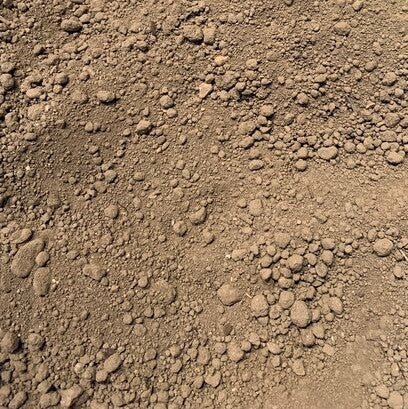
Our screened top soil is run through a fine mesh to remove rocks, roots, and clumps, giving you a clean, workable material that spreads evenly and holds moisture well. It is a strong choice for Pensacola homeowners looking to enrich sandy lots, build up low spots, or give new sod and garden plantings a nutrient-rich foundation to grow from.
Complete Your Outdoor Soil Project
After placing and grading your soil, topping garden beds with a layer of hardwood mulch or pine bark is a critical next step in Pensacola's climate, where bare sandy soil loses surface moisture rapidly between rain events. Stone edging or a gravel border around filled beds adds a clean, finished appearance and helps prevent the sandy native soil from migrating into your new planting zone during heavy summer storms.


Service area
Areas we deliver soil in Pensacola, Florida
Mulch Mound Pro Tip
When building new beds over Pensacola's native sandy ground, avoid tilling the imported topsoil and the native sand together because this dilutes your quality blend and produces a mediocre mixture throughout the full depth. Instead, lay your imported soil directly on top of the lightly scarified sandy surface and allow the two layers to remain functionally distinct. Plant roots will eventually work down through both layers, but your active planting zone will retain the nutrient density and moisture capacity that you paid for.
Mulch Mound Pro Tip
Pensacola's mild winters make cover cropping a genuinely useful tool for protecting freshly filled garden beds between growing seasons. Crimson clover and winter rye can be planted as early as October and will establish before our first frost typically arrives around December 9, protecting your new soil from erosion through the cooler months. When turned in ahead of spring planting, these cover crops add a free boost of organic nitrogen that further improves the biological activity in your imported soil blend.
Mulch Mound Pro Tip
When top-dressing an existing Pensacola lawn with bulk soil, apply it in thin lifts of no more than half an inch at a time and water each application in before adding more. Dumping a large volume at once smothers existing turf and creates a lumpy, uneven surface that is difficult to correct after the fact. Incremental applications, particularly during the dry stretches between spring rains in April and May, give the existing grass time to grow through each thin layer and keep the lawn looking healthy throughout the process.
The Unique Landscape of Pensacola
Pensacola's native soil is predominantly sandy, which means it sheds water and nutrients rapidly and provides minimal structural support for lawns, garden beds, and new plantings from the moment you break ground. Anyone who has tried to grow vegetables or establish a dense lawn on raw Pensacola sandy soil quickly finds that plants yellow and wilt between waterings regardless of how diligently they fertilize, because nutrients simply drain past the root zone before they can be absorbed. Bringing in quality topsoil or a blended garden soil is not optional for serious Pensacola gardeners but a practical necessity for creating a productive landscape on top of this nutrient-poor base. With 64 inches of annual rainfall, grade issues and low spots in the yard collect water and erode in ways that bulk soil delivery and re-grading can permanently correct. Zone 9a's long growing season, stretching from early March through most of December, means Pensacola homeowners have a wide window of productive gardening time, and that potential is largely wasted without a proper soil foundation beneath it.