




Great service. We ordered topsoil from Mulch Mound and the best experience. Thank you so much!
About this landscape rock
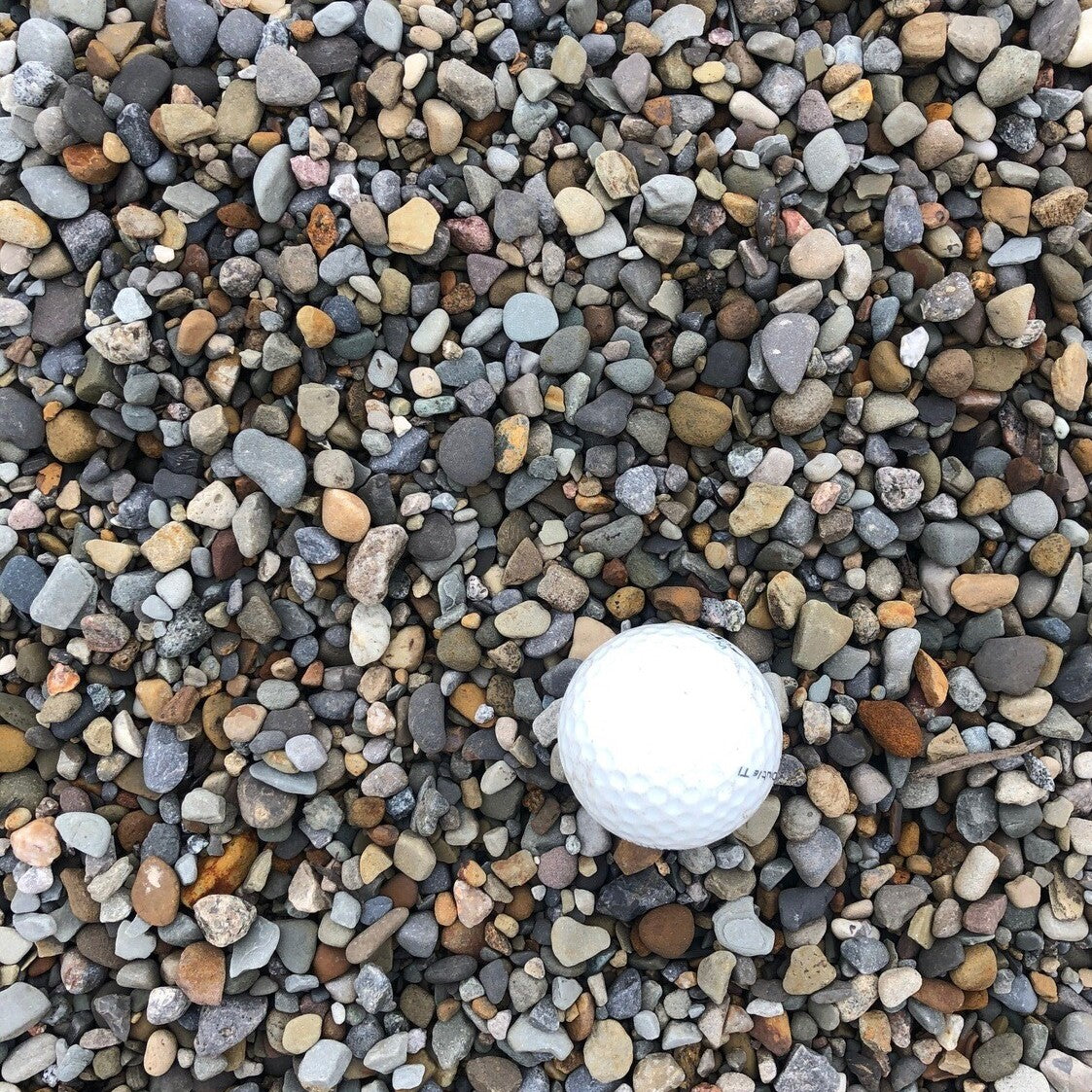
Weathered granite in a fines and chip blend that compacts into a firm natural path surface.
Great service. We ordered topsoil from Mulch Mound and the best experience. Thank you so much!
Tell us what you're looking for
Thanks! We received your request.
Something went wrong. Please try again.
How Much Landscape Rock Do I Need?
How Much Landscape Rock Do I Need?
One cubic yard of landscape rock covers about 162 square feet at a 2 inch depth, which is the standard install thickness for most Phoenix front yards. For a typical 500 to 600 square foot xeriscaped front yard, that usually lands around 3 to 4 cubic yards at 2 inches, or more if you want a fuller 3 inch bed near a foundation or downspout.
Use our free stone calculator
What is a Yard?
What is a Yard?
What is a tons?
What is a tons?
FAQs
FAQs
Phoenix Landscape Rock Delivery
Phoenix Landscape Rock Delivery
Regular price
$101.00
per
Yard
Regular price
Sale price
$101.00
Unit price
per
Shipping calculated at checkout.
Minimum of 3 Yard
Couldn't load pickup availability
Not currently available
We can't take orders for this right now. Tell us what you need and we'll get back to you.
Hand-picked local yards
4,000+ regional deliveries
Dedicated support
Why order through Mulch Mound
The best local landscape rock, without the guesswork.
We hand-pick and partner with the best yards in your region, keep only the ones our buyers rate well, and back each load with our guarantee.
Mulch Mound Guarantee
If your landscape rock isn't the quantity or quality you ordered, we'll make it right.
About this landscape rock
Weathered granite in a fines and chip blend that compacts into a firm natural path surface.
Great service. We ordered topsoil from Mulch Mound and the best experience. Thank you so much!
How Much Landscape Rock Do I Need?
How Much Landscape Rock Do I Need?
One cubic yard of landscape rock covers about 162 square feet at a 2 inch depth, which is the standard install thickness for most Phoenix front yards. For a typical 500 to 600 square foot xeriscaped front yard, that usually lands around 3 to 4 cubic yards at 2 inches, or more if you want a fuller 3 inch bed near a foundation or downspout.
Use our free stone calculator
What is a Yard?
What is a Yard?
What is a tons?
What is a tons?
FAQs
FAQs
Tell us what you're looking for
Thanks! We received your request.
Something went wrong. Please try again.
How It Works
Getting started is easy — just follow these simple steps
1
Choose your quantity
Adjust the quantity to match your project. One cubic yard covers about 100 to 160 square feet at a 2 to 3 inch depth.
2
Select your delivery date
Select a delivery date you'd like for the product to be dropped off at your home
3
Sit back and wait
Sit back, wait, and let us work our magic to make sure the highest quality product is delivered to your driveway.

One of the easiest customer service experiences I've had in a long time! Mulch Mound made it so simple. After putting it off for a while, I looked ...
Read full review
One of the easiest customer service experiences I've had in a long time! Mulch Mound made it so simple. After putting it off for a while, I looked at the weather and knew I needed to get to mulching ASAP before the rain came if I didn't want to wait another week. I put my order in for the next day online and they came right at 9 AM. The employee who dropped off the mulch did a great job, putting it right on the tarp I laid out, she even made sure none of it got on the yard and double checked the truck bed to make sure it all came out. The mulch was exactly what I needed and arrived right on time.

We have always spread our own mulch for the past 24 years. This was our first time with the Mulch Mound - things I liked: they have online ordering...
Read full review
We have always spread our own mulch for the past 24 years. This was our first time with the Mulch Mound - things I liked: they have online ordering and provide a digital receipt which means you can remember how much you ordered (I always forget for the next year!), they were on time, they were able to deliver in 48 hours, they were generous with the portion (we got 9 yards and it felt like a FULL nine yards!), the driver was polite! We have ordered from reputable places, and there is always a little trash in the mulch. The mulch we recv'd from Mulch Mound had barely any... we were pleasant surprised!!! Color was great! Not to mention - the price was competitive and LOWER than other mulch places around. We will use again !! Highly recommend! Thanks Mulch Mound!
Complete Your Outdoor Project
Landscape fabric underneath is worth the extra step here since it keeps rock from working down into the caliche and sand over time. Steel or aluminum edging holds a clean line between rock beds and gravel drives or turf, and a lot of our Phoenix customers pair rock beds with a few tons of larger decorative boulders for visual weight near entries.



Service area
Areas we deliver landscape rock in Phoenix, Arizona
Mulch Mound Pro Tip
In Phoenix, skip a full 3 inch depth if your rock beds sit near mature desert trees like palo verde or mesquite. Deep rock traps falling leaf litter and seed pods against the soil, holding moisture in a way that can invite root rot in trees adapted to fast drainage. A 2 inch layer sheds debris more easily and keeps airflow at the base of the trunk, which matters more here than in wetter climates.
Mulch Mound Pro Tip
The biggest mistake we see in Phoenix installs is skipping fabric and rock going straight onto sandy soil. Within a year, wind and irrigation runoff work the rock down into the caliche layer, and it starts looking thin no matter how much you put down. Fabric first is the difference between a bed that looks the same in year eight and one that needs a full refresh by year three.
Mulch Mound Pro Tip
Since this is a one time install rather than an annual mulch refresh, buy for the finished look you want, not the minimum. Ordering an extra half yard for a foundation bed costs far less over ten years than a thin layer that reveals fabric or dirt after the first monsoon. Rock does not compost or wash away here, so what you put down now is what you will have for the long haul.
Decorative Stone in Phoenix
Phoenix soil is mostly sandy with a hard caliche layer a few inches down, so water does not drain the way it does in loamier climates, and rock groundcover actually works with that instead of against it. With Zone 9b heat running from May through September, organic mulches bake, gray out, and need replacing every year or two. Rock does not decompose in the sun near Camelback Mountain the way wood mulch does, and it will not blow around during a monsoon dust event. It is the standard front yard treatment here for a reason.
What Landscape Rock Is
Landscape rock is stone chosen for how it looks as much as what it does. River rock is smooth and rounded, decomposed granite is fine and packs firm underfoot. Both are sold by the cubic yard for beds, borders, paths, and dry creek beds.
River Rock vs Decomposed Granite
River rock stays loose and rolls, so it suits beds, borders, and drainage runs where it can sit in place. Decomposed granite compacts into a firm surface, so it suits paths, patios, and anywhere you will walk or roll a wheelbarrow.
Depth and Coverage
Spread river rock 2 to 3 inches deep over landscape fabric so it stays put and weeds stay down. Lay decomposed granite 3 to 4 inches deep, wet it, and compact it in lifts for a surface that sheds water instead of rutting.