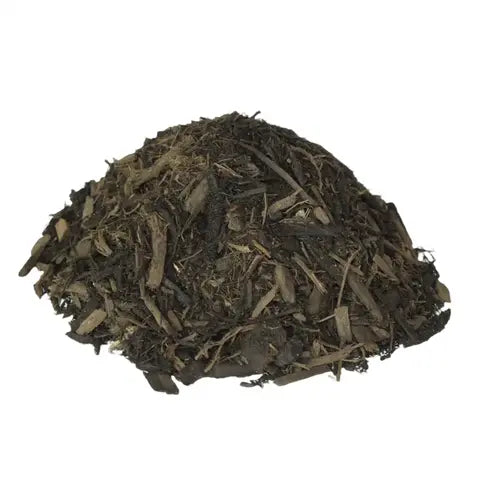
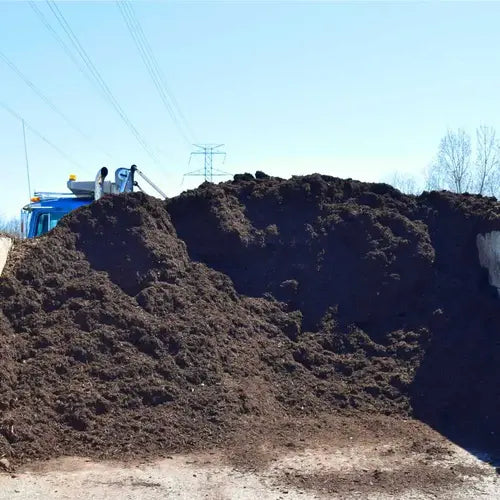
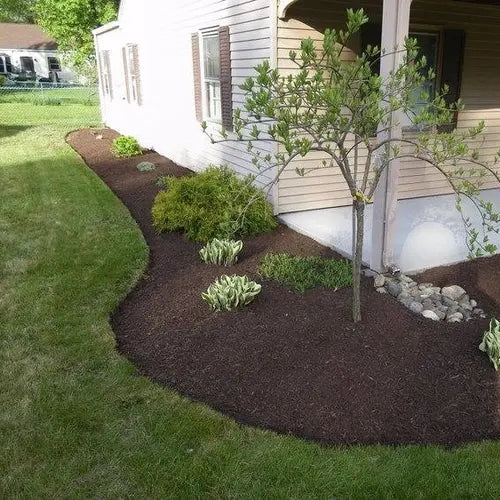
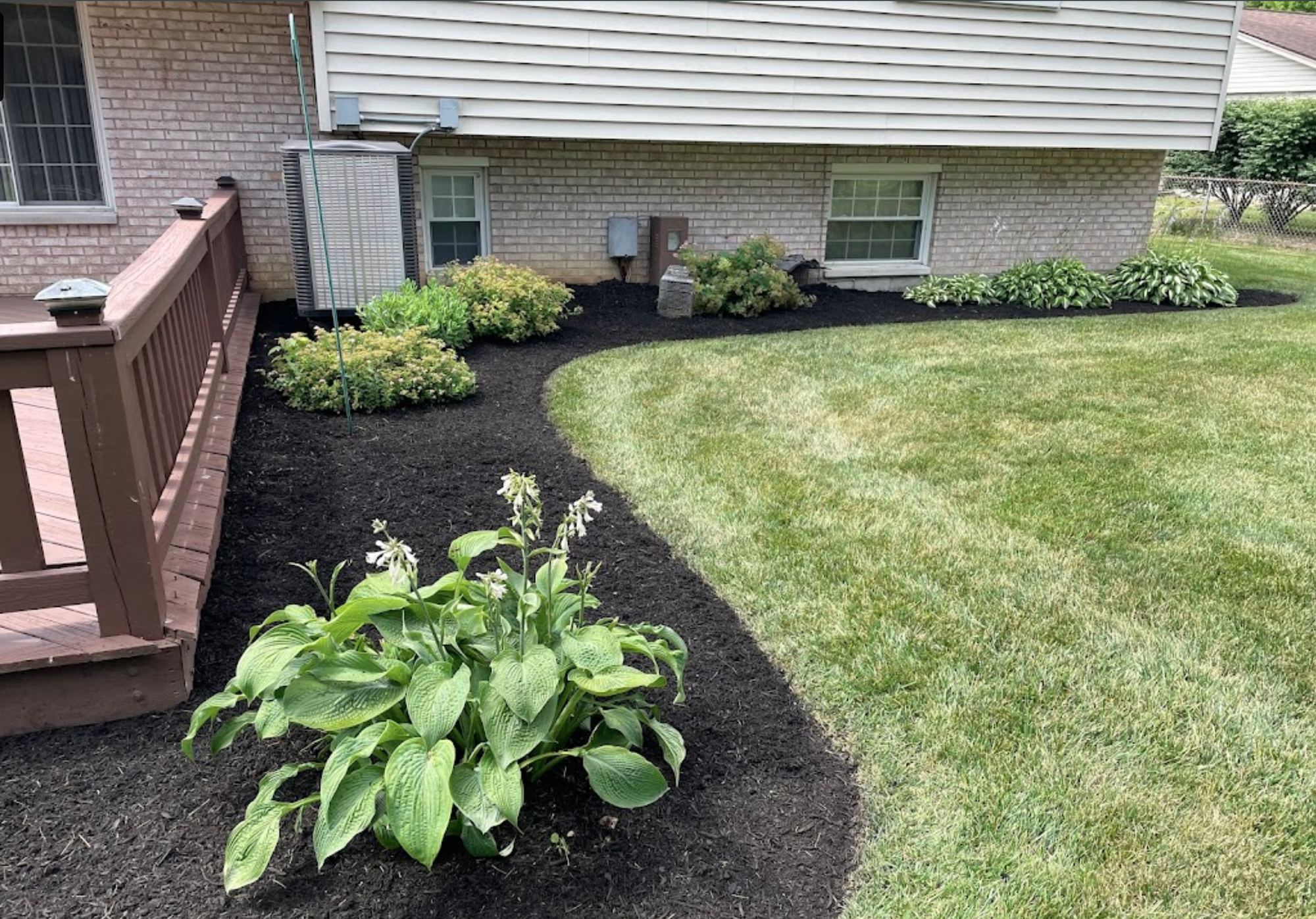
We needed mulch for our HOA common areas. Local providers were all holding high prices even for 40 yards of mulch. Mulch mound was easy to wowith & has great price for natural mulch + delivery schedule options. They called before delivery to ensure Delivery was exactly wher...
Tell us what you're looking for
Thanks! We received your request.
Something went wrong. Please try again.
How Much Material Do I Need?
For most Pocatello planting beds, plan on 3 inches of mulch as a starting point, increasing to 4 inches in south and west-facing beds that take the brunt of summer sun. One cubic yard of mulch covers roughly 100 square feet at 3 inches deep.
Use our free mulch calculator
What is a yard?
A yard is approximately 27 cubic feet. As a general guideline, one yard of material can cover an area of about 100-160 square feet at a 2-3 inch depth.
We needed mulch for our HOA common areas. Local providers were all holding high prices even for 40 yards of mulch. Mulch mound was easy to wowith & has great price for natural mulch + delivery schedule options. They called before delivery to ensure Delivery was exactly wher...
How Much Material Do I Need?
For most Pocatello planting beds, plan on 3 inches of mulch as a starting point, increasing to 4 inches in south and west-facing beds that take the brunt of summer sun. One cubic yard of mulch covers roughly 100 square feet at 3 inches deep.
Use our free mulch calculator
What is a yard?
A yard is approximately 27 cubic feet. As a general guideline, one yard of material can cover an area of about 100-160 square feet at a 2-3 inch depth.
We needed mulch for our HOA common areas. Local providers were all holding high prices even for 40 yards of mulch. Mulch mound was easy to wowith...
Read full review
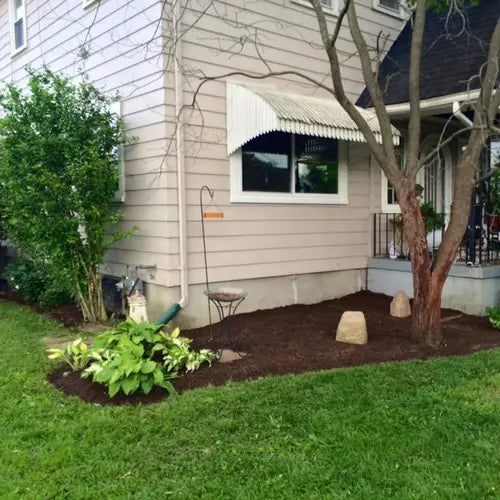
We needed mulch for our HOA common areas. Local providers were all holding high prices even for 40 yards of mulch. Mulch mound was easy to wowith & has great price for natural mulch + delivery schedule options. They called before delivery to ensure Delivery was exactly where we wanted it.
Delivery was on time and great quality Mulch. Got it done in a reasonable time and yard looks great. Couldn’t be happier!!! Thank you and will us...
Read full review
Delivery was on time and great quality Mulch. Got it done in a reasonable time and yard looks great. Couldn’t be happier!!! Thank you and will use again!!
Mulch Mound delivered a yard of pea gravel to us. Delivery was on time, driver was friendly and hit a bullseye on the “tarp target”. We used the ...
Read full review
Mulch Mound delivered a yard of pea gravel to us. Delivery was on time, driver was friendly and hit a bullseye on the “tarp target”. We used the pea gravel (which was diameter as specified) to fill several muskrat holes around our pond. I would definitely recommend Mulch Mound to a friend!
Start by measuring the length and width of each planting bed in feet, then multiply those together to get your square footage. Divide that number by 100 and multiply by your desired depth in inches to get a rough cubic yard estimate, since Pocatello beds often need a full 3 inches to compensate for the fast-draining sandy loam soil. Adding about 10 percent extra to your total is a good habit here because you will almost always find a few more spots to cover once you get started.
Mulch vs. No Mulch: The Difference
Pocatello's combination of low humidity, high UV intensity at 4,400 feet of elevation, and only 13 inches of annual rainfall creates conditions where unprotected soil loses moisture startlingly fast. Organic mulch acts as a barrier between that harsh environment and the soil surface, reducing evaporation by as much as 50 percent in dry, sunny conditions like those common here. Without mulch, Pocatello gardeners often find themselves watering deeply two or three times per week just to keep plants from stressing.
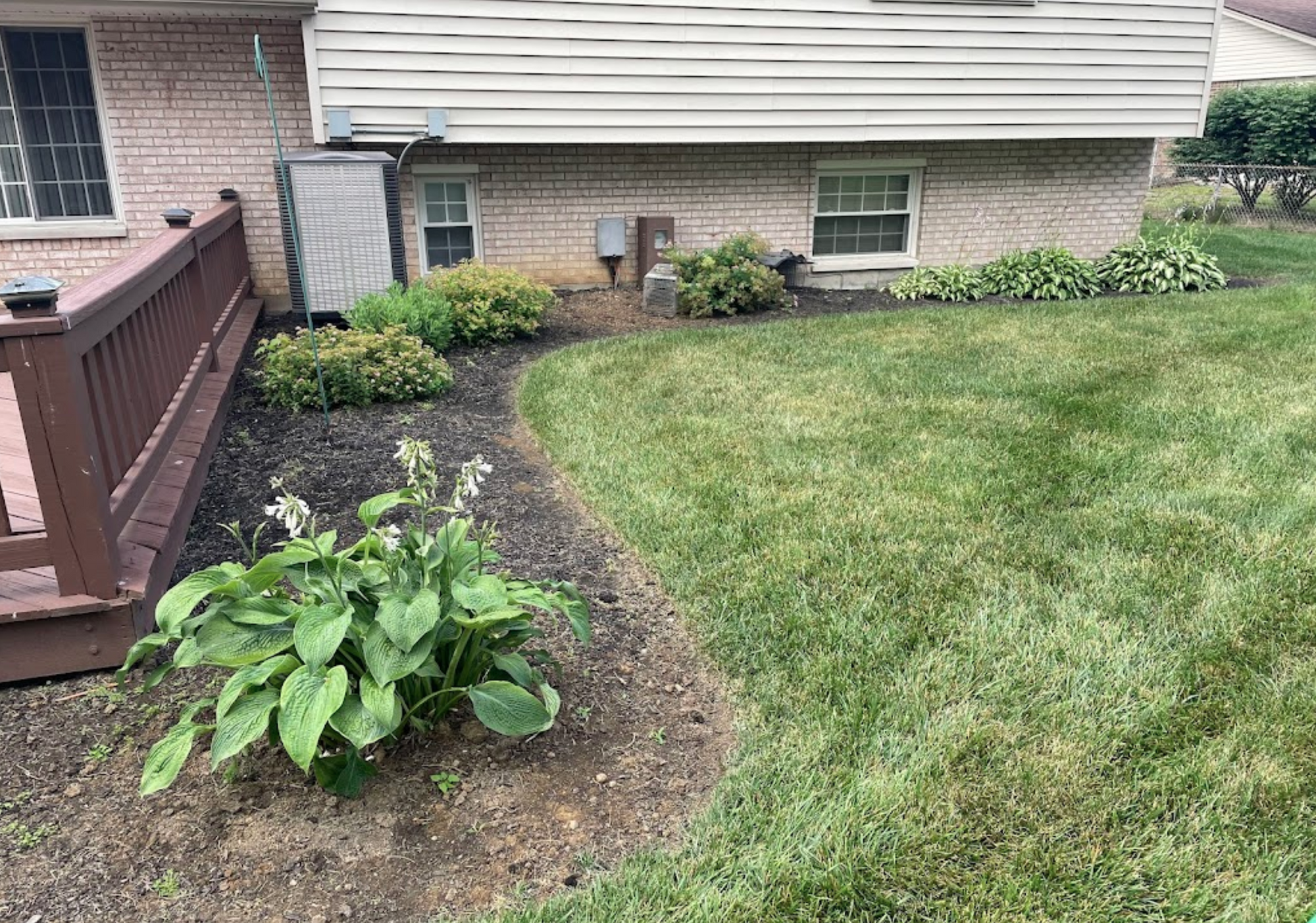
Before
After
Best Mulch Choice for Pocatello Lawns
Most yards in the Pocatello area sit on type of soil. Pocatello's sandy loam soil is well-draining by nature, which is great for preventing waterlogged roots but tough on plants that need consistent moisture through the summer. A layer of shredded hardwood mulch helps compensate by holding moisture at the surface and releasing it slowly as soil dries out beneath.
Hardwood Mulch
Hardwood mulch breaks down slowly over one to two seasons and as it decomposes it adds humus to sandy loam soil, gradually improving its structure and water-holding capacity. In Pocatello gardens where organic matter is typically low to begin with, this slow-release benefit makes hardwood mulch a particularly smart long-term choice.
Complete Your Outdoor Mulch Project
Pairing bulk mulch with a quality garden soil or compost blend is a great way to address Pocatello's sandy loam from both the top and the bottom. Browse our soil products to find a blend that builds organic matter while your mulch handles moisture and temperature from above.
Before spreading any mulch in Pocatello, take the time to hand-pull or spray existing weeds and let them dry out for a few days. The combination of dry air and intense sun means pulled weeds desiccate quickly here. Laying mulch over living weeds just gives them a moist, dark environment to recover in, which is the opposite of what you want. A clean bed before mulching makes a real difference in how much weed pressure you deal with all summer long.
Mulch Mound Pro Tip
Pocatello homeowners who water with drip irrigation will get the most out of their mulch investment by positioning emitters before spreading the mulch layer. Once you lay 3 or 4 inches of material, repositioning drip lines becomes a messy task. Getting everything placed correctly underneath means your drip system delivers water right to the root zone while the mulch above keeps it from evaporating, which is a powerful combination in a climate with only 13 inches of annual rainfall.
Mulch Mound Pro Tip
With a growing season that does not really begin until late May in Pocatello, timing your mulch application is worth thinking about carefully. If you apply mulch too early in spring, you slow the soil warming process that your plants need to break dormancy and establish roots. Wait until nighttime temperatures are consistently above 40 degrees Fahrenheit, usually late May in the valley, and then mulch promptly to lock in that warmth and moisture before the hot dry weeks of June and July arrive.
Frequently Asked Questions
Click a question to see the answer
Answer
How much mulch do I need to actually make a difference in Pocatello's dry climate?
In a climate as dry as Pocatello's, with only 13 inches of rain per year, a thin layer of mulch simply will not cut it. We recommend applying at least 3 inches of mulch across your planting beds to meaningfully reduce evaporation from the sandy loam soil. For areas that receive direct afternoon sun from the west or south, going up to 4 inches will give your plants noticeably better moisture access between waterings.
Answer
Will mulch help my garden survive Pocatello's late spring frosts?
Mulch does help moderate soil temperature, but it works best when applied after the soil has already begun to warm up in late spring. Since Pocatello's last frost typically falls around May 17, we suggest waiting until late May to apply fresh mulch around tender annuals and vegetables. Applying too early can actually insulate cold soil and slow warming, so timing matters here more than in lower-elevation cities.
Answer
Does the wind in Pocatello blow mulch around a lot?
Yes, the wind coming through the Portneuf Gap can be surprisingly strong, and lighter mulch types like shredded straw or fine bark can shift during a good blow. We generally recommend heavier shredded hardwood or medium-chunk bark mulch for exposed areas around Pocatello homes. Wetting the mulch down after spreading it also helps it knit together and resist wind movement.
Answer
My soil is really sandy and drains fast. Will mulch actually help with that?
Mulch does not directly change your soil texture, but it creates a protective layer on top that slows surface runoff and reduces evaporation, which means the water that does soak in has more time to reach plant roots. Over a couple of seasons, decomposing mulch adds organic matter to sandy loam soil, which gradually improves its ability to hold nutrients and moisture. It is a slow process but a meaningful one for Pocatello gardens.
Answer
How often should I be replacing or topping off mulch in Pocatello?
Pocatello's low humidity and intense summer sun break down organic mulch faster than you might expect compared to wetter climates. Plan on topping off your beds every spring with about an inch or two of fresh mulch to maintain an effective layer. If you skip a year, you will likely notice your soil drying out more quickly and weeds becoming more aggressive by midsummer.
Answer
Is colored mulch okay to use here or will the sun bleach it out too fast?
Colored mulches do fade faster in Pocatello's high-elevation sun, which delivers more intense UV exposure than cities at lower altitudes. Most homeowners find that the color fades noticeably by late July or August. If curb appeal is important to you, plan on refreshing colored mulch annually in the spring, or consider a natural hardwood mulch that ages to a neutral silver-gray and still looks tidy without needing to be refreshed as often.
Answer
Are there any plants common in Pocatello that mulch might actually hurt?
A few drought-adapted plants that do well in the Pocatello area, like native sagebrush, lavender, and certain ornamental grasses, actually prefer lean and dry soil conditions. Piling thick mulch around these plants can hold too much moisture near their crowns and lead to rot, especially heading into fall. For water-wise xeriscape plants, keep mulch pulled back a few inches from the base of the plant and apply a thinner layer of about 1 to 2 inches rather than the standard 3.
The Unique Landscape of Pocatello
Pocatello sits at over 4,400 feet elevation with only about 13 inches of rainfall each year, making moisture retention one of the biggest challenges for local gardeners and homeowners. The sandy loam soil that covers most of the Portneuf Valley drains quickly after the rare rainstorm, pulling moisture away from plant roots faster than in wetter, lower-elevation cities. A properly applied layer of mulch slows that evaporation dramatically, giving your plants a fighting chance through Pocatello's long, dry summers. With a first frost arriving as early as October 8 and a last frost lingering until May 17, your growing window is already short, so protecting soil warmth in spring and fall is essential. Mulch acts as a thermal blanket, helping soil hold heat longer into the fall and warming up faster in late May when you are finally ready to plant. Choosing the right mulch product for Pocatello's specific conditions is not a luxury, it is one of the smartest investments you can make in your landscape.