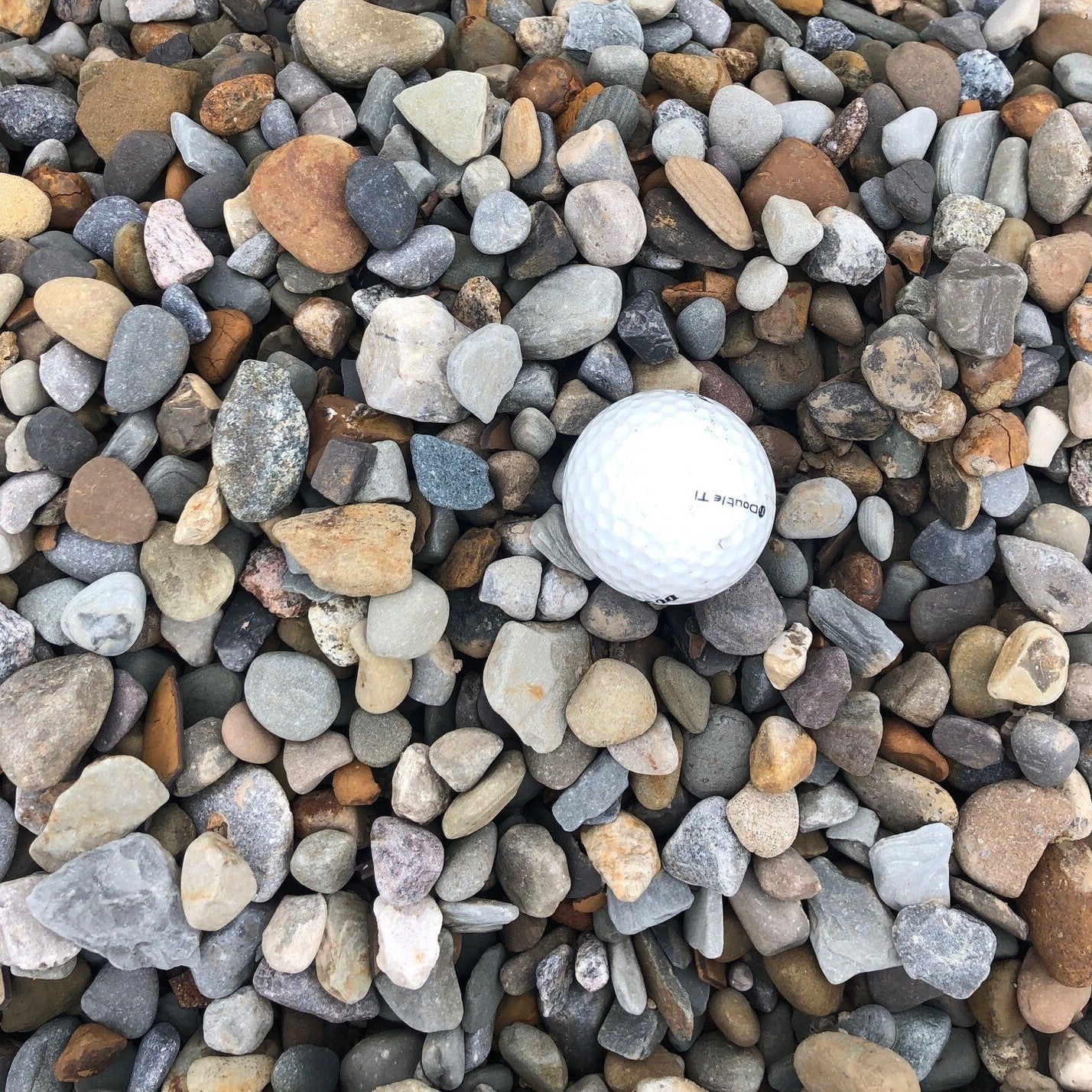
Number 57 crushed stone, angular limestone graded to about three quarters of an inch. The standard driveway, base and drainage gravel, it locks together under traffic and drains fast.
I used Mulch Mound to have 3 cubic yards of garden soil delivered. The process was easy and I love that I didn't have to call anyone. I placed my order online, picked my delivery date, laid out my tarp and the dirt was delivered. My delivery had to be pushed back, but I was ke...
Tell us what you're looking for
Thanks! We received your request.
Something went wrong. Please try again.
How Much Material Do I Need?
For decorative coverage in planting beds or xeriscape areas, plan on 2 to 3 inches of stone depth, which equals roughly 1 cubic yard per 100 to 160 square feet depending on your target depth. For driveways and base layers, you will typically need considerably more material, so measure carefully and round up rather than down.
Use our free gravel calculator
What is a Yard?
A yard is approximately 27 cubic feet. As a general guideline, one yard of material can cover an area of about 100-160 square feet at a 2-3 inch depth.
We can't take orders for this right now. Tell us what you need and we'll get back to you.
What do you need?
Thanks! We received your request.
Something went wrong. Please try again.
Hand-picked local yards
4,000+ regional deliveries
Dedicated support
Why order through Mulch Mound
The best local , without the guesswork.
We hand-pick and partner with the best yards in your region, keep only the ones our buyers rate well, and back each load with our guarantee.
Mulch Mound Guarantee
If your isn't the quantity or quality you ordered, we'll make it right.
About this stone
Number 57 crushed stone, angular limestone graded to about three quarters of an inch. The standard driveway, base and drainage gravel, it locks together under traffic and drains fast.
I used Mulch Mound to have 3 cubic yards of garden soil delivered. The process was easy and I love that I didn't have to call anyone. I placed my order online, picked my delivery date, laid out my tarp and the dirt was delivered. My delivery had to be pushed back, but I was ke...
How Much Material Do I Need?
For decorative coverage in planting beds or xeriscape areas, plan on 2 to 3 inches of stone depth, which equals roughly 1 cubic yard per 100 to 160 square feet depending on your target depth. For driveways and base layers, you will typically need considerably more material, so measure carefully and round up rather than down.
Use our free gravel calculator
What is a Yard?
A yard is approximately 27 cubic feet. As a general guideline, one yard of material can cover an area of about 100-160 square feet at a 2-3 inch depth.
I used Mulch Mound to have 3 cubic yards of garden soil delivered. The process was easy and I love that I didn't have to call anyone. I placed my o...
Read full review
I used Mulch Mound to have 3 cubic yards of garden soil delivered. The process was easy and I love that I didn't have to call anyone. I placed my order online, picked my delivery date, laid out my tarp and the dirt was delivered. My delivery had to be pushed back, but I was kept informed via text, which was great. So why not 5 stars? The description of garden soil on the website is "A balanced mix of topsoil and organic amendments ready for raised beds, flower gardens, and new planting areas. Good drainage, solid nutrients, easy to work with." What I got was more like fill dirt. It had a lot of gravel, a lot of clay, and random trash mixed in. I didn't test the soil to see if it actually had "amendments" because I already have compost and alpaca manure ready to add, but if I'd known the quality of the dirt was going to be the same as the bagged dirt I bought last year, I probably would have gotten 2 yards of top soil and a yard of leaf compost for better quality, especially since the leaf compost is cheaper. Photo of my mountain of dirt and just some of the trash I found in it.
Really appreciate the care and follow thru that this company had with our order. A hiccup came up but they were quick to respond and address all co...
Read full review
Really appreciate the care and follow thru that this company had with our order. A hiccup came up but they were quick to respond and address all concerns, which made our garden day a success! Thank you for your prompt care.
Measure your project area in square feet and decide on your target depth in inches, typically 2 to 3 inches for decorative coverage and 4 or more for driveways or high-traffic areas. Multiply the square footage by your depth in inches and divide by 324 to get cubic yards. Stone is heavier than mulch or soil so ordering accurate amounts matters more here, and our team can help you double-check your math before you place your order.
Complete Your Outdoor Stone Project
A weed barrier fabric installed beneath your stone is essential for long-term results in Pocatello, where persistent weeds like cheatgrass can push through loose gravel if nothing stops them from below. Consider pairing your stone order with a bulk soil or mulch product for the planted areas of your yard where you want to encourage plant growth rather than suppress it.
If you are laying stone around the foundation of your home in Pocatello, grade the surface so water drains away from the house rather than pooling against the foundation. Spring snowmelt can deliver a surprising amount of water in a short period of time, and stone that is perfectly level or slopes inward can direct that water right toward your basement or crawl space. A slight slope of about one inch per foot away from the structure is enough to protect your foundation and keep your stone area functional all year.
Mulch Mound Pro Tip
Pocatello's native soil can be a bit soft and shifting in some areas, especially after wet spring seasons or in areas with poor drainage. Before spreading decorative stone in high-traffic zones like pathways and patios, compact the subgrade with a plate compactor and add a layer of crushed base rock before your decorative surface material. Skipping this step often leads to stones sinking unevenly over one or two winters, which creates a path that looks sloppy and can become a tripping hazard.
Mulch Mound Pro Tip
Light-colored stone like buff gravel, cream quartzite, or light tan river rock is a particularly smart choice for Pocatello landscapes because it reflects the intense high-altitude sun rather than absorbing it as heat. This keeps surface temperatures more comfortable for people and pets during July and August and reduces the heat load on nearby plants. It also brightens up the landscape visually during the long winter months when the rest of the yard is dormant and brown, giving your property a cleaner and more finished appearance year-round.
The Unique Landscape of Pocatello
Decorative and functional stone is one of the best-suited landscape materials for Pocatello's climate because it requires almost no water and holds up beautifully through the harsh freeze-thaw cycles that can damage softer materials over time. At 4,462 feet of elevation, Pocatello winters are hard on landscapes, and stone does not heave, rot, or blow away the way organic materials can during the cold months between October and May. The dry climate with only 13 inches of annual rainfall also means stone pathways and mulch areas stay cleaner and less muddy than they would in wetter regions, making them a more practical choice for high-traffic areas. Stone works especially well in water-wise landscaping designs that are increasingly popular among Pocatello homeowners looking to reduce their irrigation demand during dry summers. From river rock borders to gravel driveways and decomposed granite pathways, bulk stone gives you durable, low-maintenance options that genuinely suit the look and feel of the high desert landscape surrounding the Portneuf Valley. Whether you are reducing lawn area, creating a fire-wise defensible space, or simply looking for a clean and lasting landscape material, bulk stone is a smart and practical investment for Pocatello properties.
Frequently Asked Questions
Click a question to see the answer
Answer
Will decorative gravel or river rock shift around a lot in Pocatello's windy conditions?
Larger decorative stones like river rock and 1.5-inch or bigger gravel stay put very well even during the stronger wind events that move through the Portneuf Gap. Smaller pea gravel and very fine decomposed granite can scatter a bit more in exposed areas, particularly around the edges of a path or bed. Using a sturdy edging border around your stone areas and compacting decomposed granite when wet are both good practices for keeping everything tidy through blustery days.
Answer
Does stone get too hot for plants to grow near during Pocatello summers?
Light-colored stones like tan gravel or cream river rock reflect more heat than dark stones and are generally a safer choice near plantings in Pocatello's sunny summers. Dark river rock and black lava rock absorb a significant amount of heat and can raise soil temperatures nearby, which stresses shallow-rooted plants during July and August. If you are using stone around plants, choose lighter tones and leave a few inches of breathing room between the stone and the base of the plant.
Answer
What is the best stone to use for a pathway that gets icy in winter?
For winter walkability in Pocatello, we generally recommend crushed gravel or decomposed granite rather than smooth river rock or large round stones, which can be very slippery when icy. Crushed material has angular edges that interlock and provide better traction underfoot, even when covered with a light dusting of snow or frost. Decomposed granite compacted as a pathway base also drains well so ice does not pool and refreeze as badly as it does on solid surfaces.
Answer
I want to replace part of my lawn with rock to cut down on watering. Where do I even start?
Start by killing or removing the existing grass, then lay a quality weed barrier fabric before spreading your stone to prevent weeds from pushing up through the gravel over time. In Pocatello, reducing lawn area is a great way to cut irrigation use during the dry months from June through September. Choose a stone color and size that complements your home's exterior since you will be looking at it year-round, and plan for 2 to 3 inches of depth to cover the fabric fully and look finished.
Answer
How does Pocatello's freeze-thaw cycle affect different types of landscape stone?
Most natural stone holds up very well through Pocatello's freeze-thaw cycles, which is one of the reasons it is such a popular landscape material here. Smaller gravels and rounded river rock do not absorb enough water to crack or degrade from freezing. Larger flagstone or flat stepping stones set in a sand base may shift slightly over multiple winters as the ground beneath them heaves and settles, so checking their level each spring and releveling as needed keeps pathways safe and looking good.
Answer
How deep should I lay gravel for a driveway or parking area in Pocatello?
For a functional gravel driveway or parking pad in Pocatello, plan on at least 4 inches of compacted base rock covered by 2 to 3 inches of surface gravel for a total depth of 6 to 7 inches. The freeze-thaw cycles here mean a thin layer of gravel over native soil will rut and shift significantly each spring. A deeper base that is properly compacted and graded will stay stable for years and drain properly so melting snow does not pool and soften the ground underneath.
Answer
Will weeds grow up through landscape rock in Pocatello or does the dry climate help control them?
Pocatello's dry climate does reduce weed pressure somewhat compared to wetter areas, but it absolutely does not eliminate weeds from growing through landscape stone without proper preparation. Invasive weeds like cheatgrass, bindweed, and Russian thistle are persistent in the Portneuf Valley regardless of how dry it gets. Always install a woven weed barrier fabric beneath your stone and plan on occasional spot-spraying or hand-pulling around the edges of your stone areas each season to keep things looking clean.
Answer
Is there a stone yard near Pocatello?
Pocatello's brutal freeze and thaw cycles at over 4,400 feet of elevation call for a firm crushed stone base that won't heave or wash away through winter. Mulch Mound brings crushed stone by the cubic yard right to your driveway or yard, so there is no need to drive to a stone yard or a local quarry. Just order online and tell us where to unload.