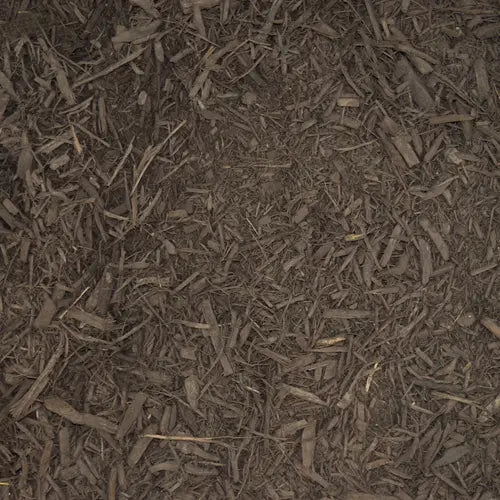
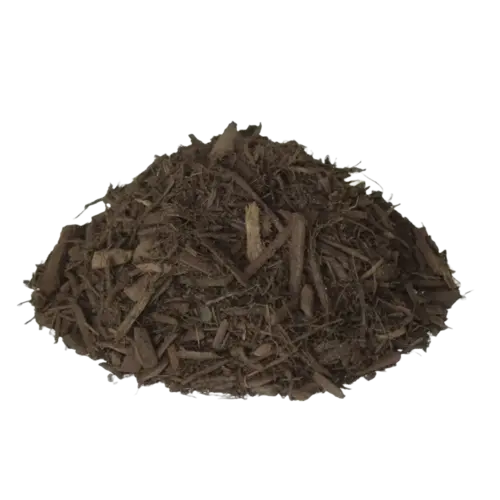
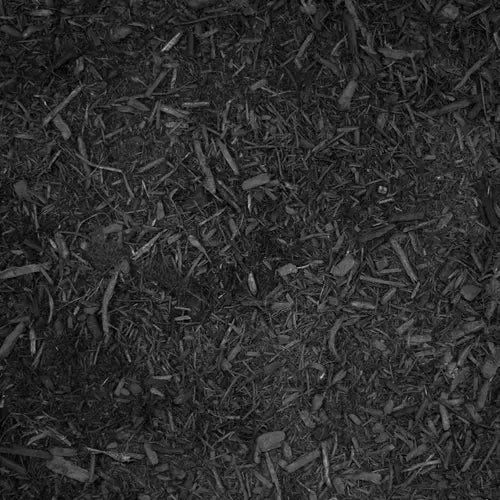
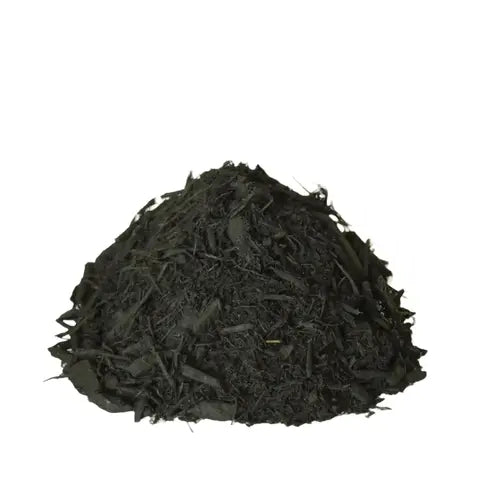
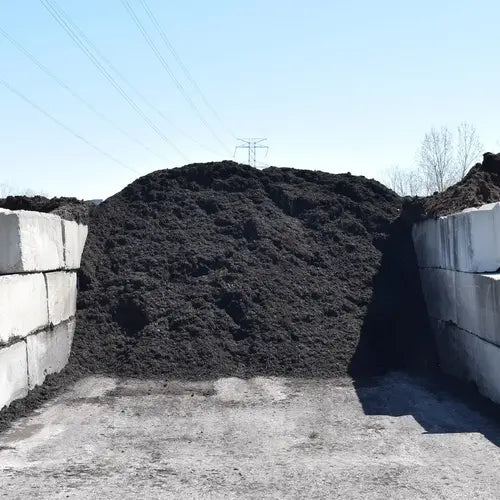
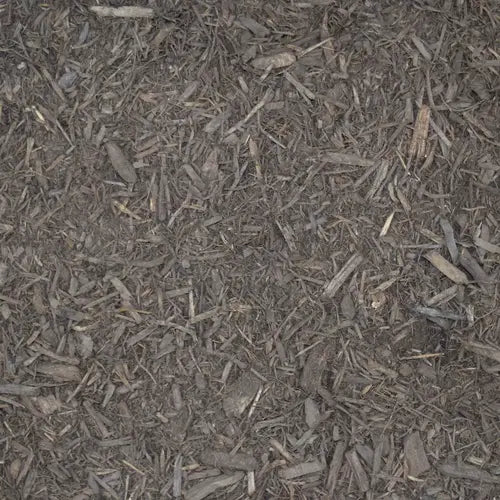
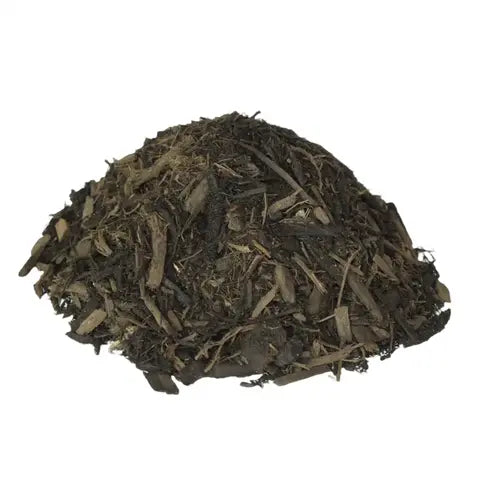
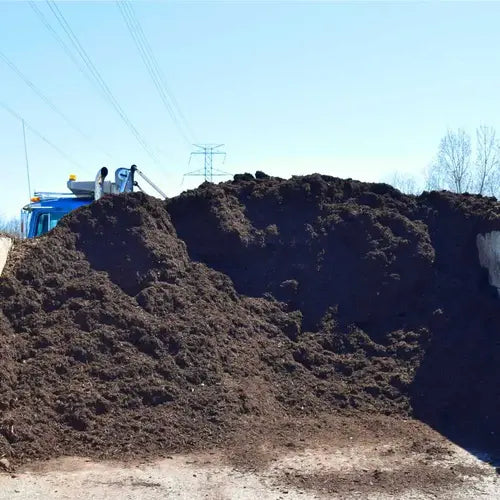
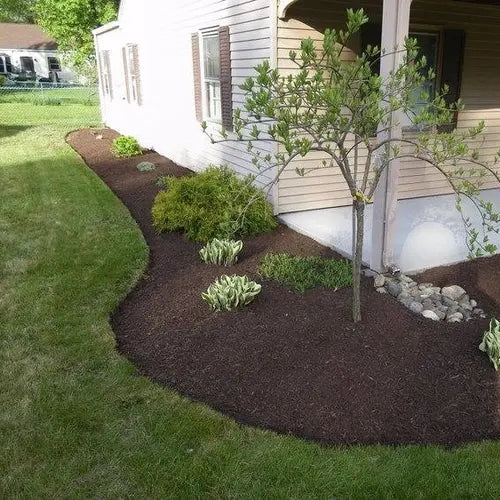
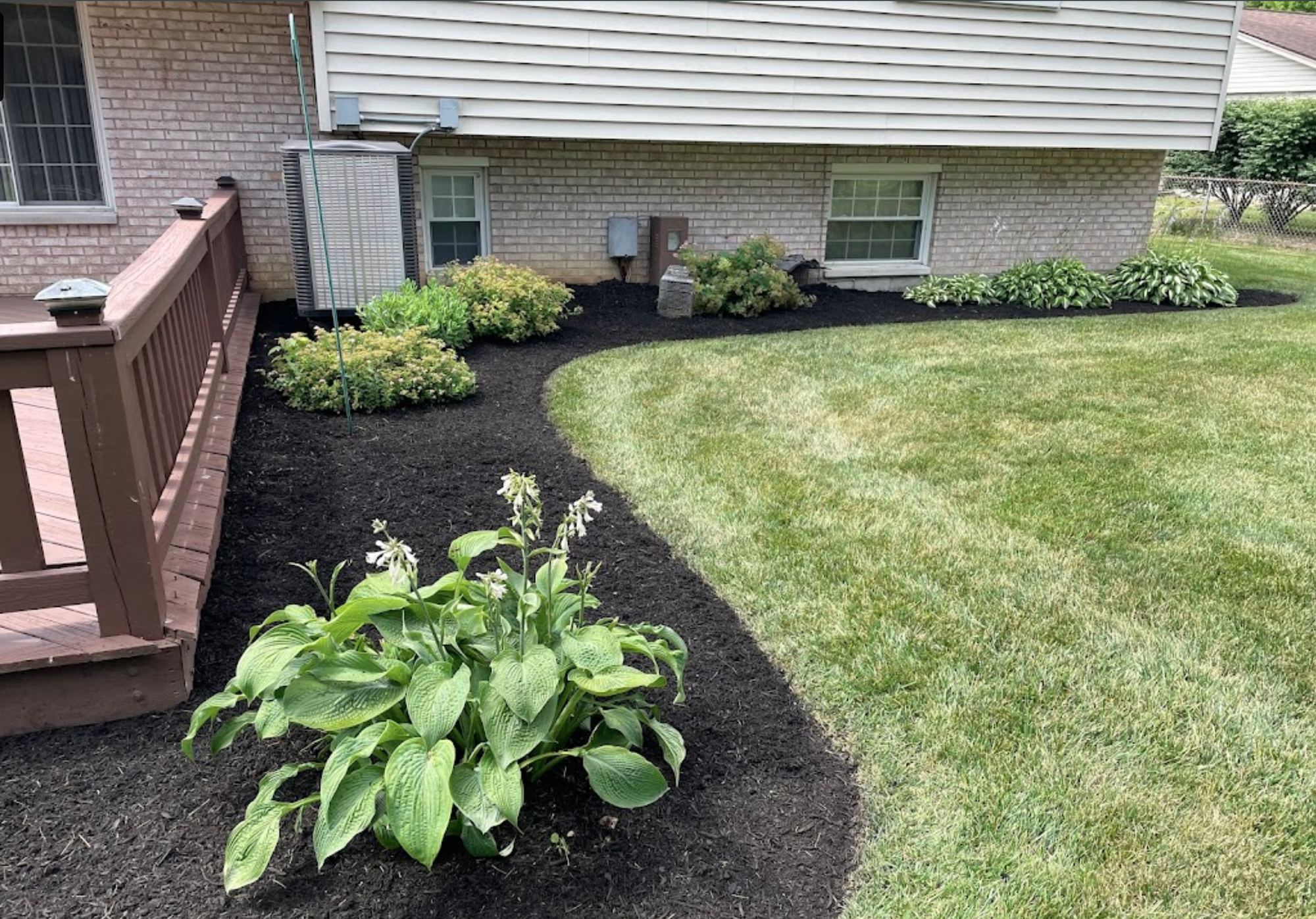
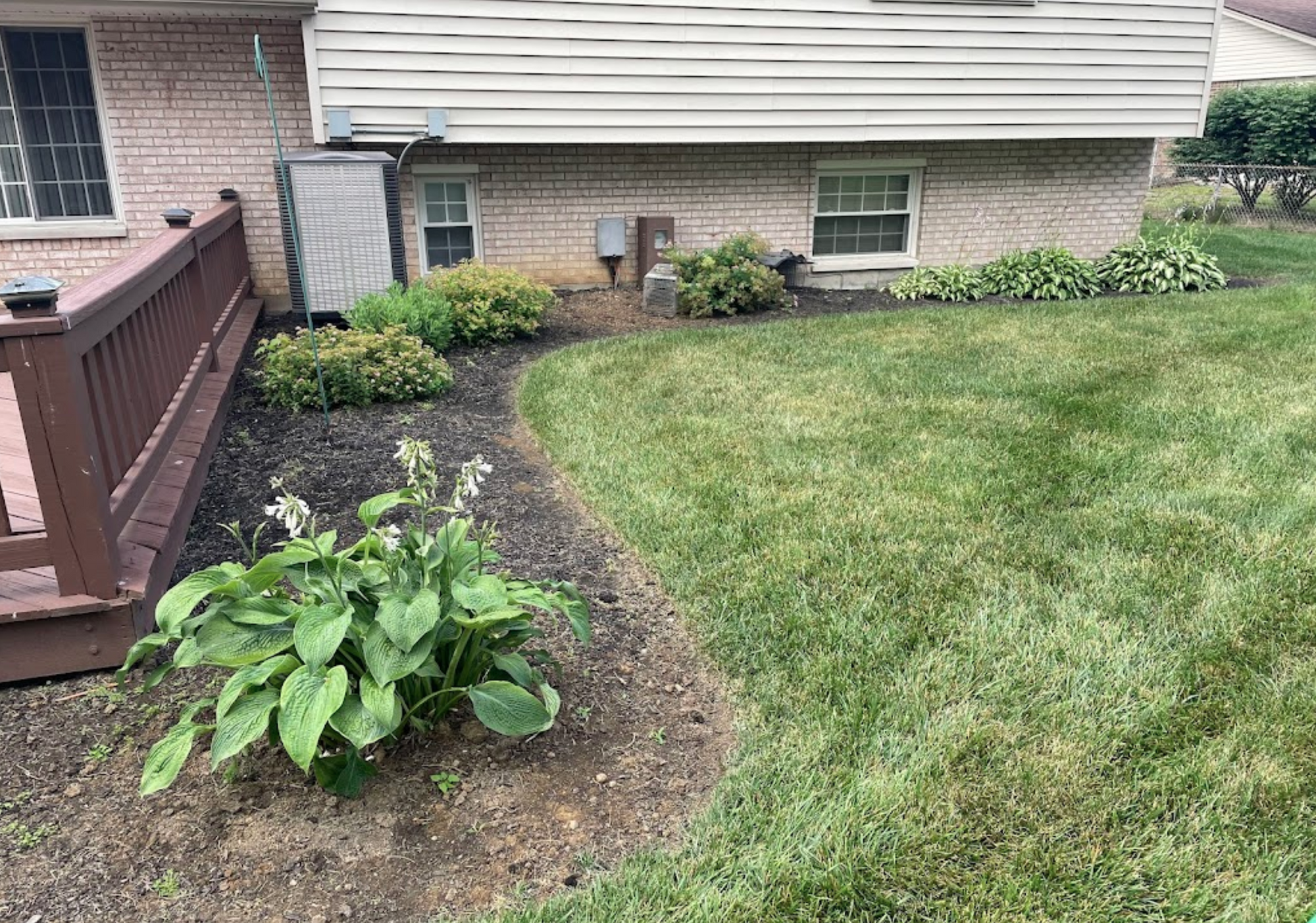
Warm brown double shredded mulch with lasting color that looks freshly applied for weeks. Spreads smooth, stays put, and gives beds a natural, polished appearance.
Great experience! Easy to order, they delivered promptly and were very respectful of the property! Ordered the triple shredded brown mulch and it was EXACTLY what I wanted. Very clean product too, no garbage or filler. Already put these guys in my calendar to order from next y...
Tell us what you're looking for
Thanks! We received your request.
Something went wrong. Please try again.
How Much Material Do I Need?
Point Pleasant's sandy soil calls for a minimum 3-inch mulch layer, and 4 inches is ideal for beds that include moisture-sensitive plants like hydrangeas or ornamental grasses. One cubic yard covers approximately 100 square feet at 3 inches deep, so measure carefully before ordering.
Use our free mulch calculator
What is a yard?
A yard is approximately 27 cubic feet. As a general guideline, one yard of material can cover an area of about 100-160 square feet at a 2-3 inch depth.
We can't take orders for this right now. Tell us what you need and we'll get back to you.
What do you need?
Thanks! We received your request.
Something went wrong. Please try again.
Hand-picked local yards
4,000+ regional deliveries
Dedicated support
Why order through Mulch Mound
The best local mulch, without the guesswork.
We hand-pick and partner with the best yards in your region, keep only the ones our buyers rate well, and back each load with our guarantee.
Mulch Mound Guarantee
If your mulch isn't the quantity or quality you ordered, we'll make it right.
About this mulch
Warm brown double shredded mulch with lasting color that looks freshly applied for weeks. Spreads smooth, stays put, and gives beds a natural, polished appearance.
Great experience! Easy to order, they delivered promptly and were very respectful of the property! Ordered the triple shredded brown mulch and it was EXACTLY what I wanted. Very clean product too, no garbage or filler. Already put these guys in my calendar to order from next y...
How Much Material Do I Need?
Point Pleasant's sandy soil calls for a minimum 3-inch mulch layer, and 4 inches is ideal for beds that include moisture-sensitive plants like hydrangeas or ornamental grasses. One cubic yard covers approximately 100 square feet at 3 inches deep, so measure carefully before ordering.
Use our free mulch calculator
What is a yard?
A yard is approximately 27 cubic feet. As a general guideline, one yard of material can cover an area of about 100-160 square feet at a 2-3 inch depth.
Great experience! Easy to order, they delivered promptly and were very respectful of the property! Ordered the triple shredded brown mulch and it w...
Read full review
Great experience! Easy to order, they delivered promptly and were very respectful of the property! Ordered the triple shredded brown mulch and it was EXACTLY what I wanted. Very clean product too, no garbage or filler. Already put these guys in my calendar to order from next year! Keep up the good work.
To estimate mulch for your Point Pleasant beds, measure the length and width of each planting area in feet and multiply to get square footage, then divide by 100 to get the cubic yards needed at a 3-inch depth. Because Point Pleasant's fast-draining sandy ground loses moisture so quickly, rounding up by half a yard ensures you hit that full depth across every corner of your beds. A deeper layer is always the better investment here compared to sandier inland soil types where a shallower application might suffice.
Mulch vs. No Mulch: The Difference
Point Pleasant's combination of coastal humidity, direct summer sun, and 47 inches of annual rainfall creates conditions where natural and dyed mulches behave quite differently than they would in inland parts of New Jersey. Natural hardwood mulch absorbs the ambient humidity and breaks down into the sandy soil more readily, contributing organic matter that the native ground sorely needs to retain water and nutrients. Dyed mulch uses colorfast pigments that hold up well through the region's intense rain events and UV exposure, making it a strong choice when bed appearance needs to stay sharp for the full growing season from April through November.
Before
After
Best Mulch Choice for Point Pleasant Lawns
Most yards in the Point Pleasant area sit on Sandy type of soil. Point Pleasant's sandy soil has very low organic content, which means plant beds struggle to retain moisture and nutrients between waterings and rain events. Without a protective mulch layer, the exposed sand surface bakes under summer sun and releases whatever moisture it holds almost immediately after a rain.
Hardwood Mulch
Hardwood mulch is particularly well-suited to Point Pleasant's sandy soil because as it decomposes, it releases humic acids and fine organic particles that bond with the loose sand grains below. Over time, this process increases the soil's water-holding capacity and ability to retain nutrients, gradually transforming bare sandy beds into a more balanced growing medium that supports deeper root systems and healthier plants through the long zone 7b growing season.
Mulch Types We Deliver in Point Pleasant
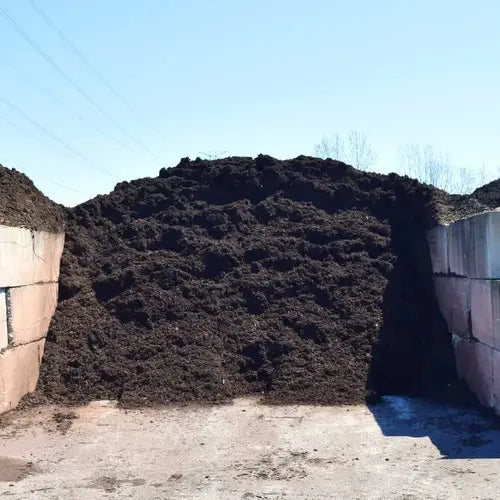
Mulch Mound delivers bulk mulch by the cubic yard to Point Pleasant, making it easy to cover beds and borders without hauling material yourself. For homeowners searching for bulk mulch delivery near me, we offer a straightforward ordering process and drop material right at your driveway. Sandy soil and warm summers in this part of New Jersey make consistent mulching a smart, practical choice.
Dyed Black Mulch
Available in double shredded or triple shredded, Dyed Black Mulch creates bold contrast in garden beds. The rich color holds through sun and rain, making it popular with homeowners who want beds that look sharp from the street. It spreads cleanly over sandy coastal soil.
Dyed Brown Mulch
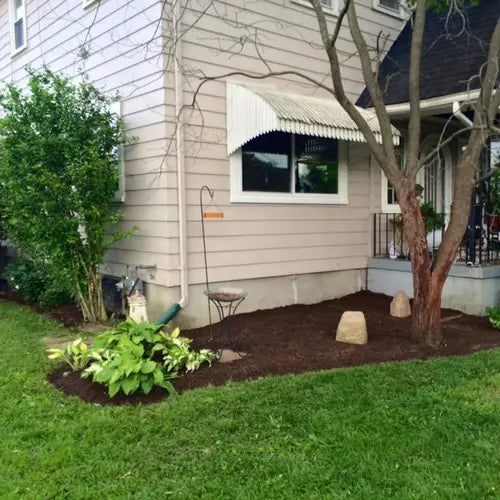
Dyed Brown Mulch is available in double shredded or triple shredded and suits homeowners who want lasting color with a natural look. The warm tone complements the traditional home styles common in Ocean County, and the color stays vibrant through the growing season.
Natural Brown Mulch
Natural Brown Mulch is undyed and available in double shredded or triple shredded for yards where a true, earthy appearance is the goal. As it breaks down it adds organic matter to sandy soil, and the warm wood tones blend naturally into any planting.
Cedar Mulch
Cedar Mulch is double shredded and a smart pick for wooded yards where insect activity runs higher through the warm months. The natural aroma is a pleasant bonus, and the slow decomposition rate means less frequent refreshing, which is practical for larger properties.
Complete Your Outdoor Mulch Project
If your beds need more than moisture retention, pairing mulch with a quality topsoil or garden mix can rebuild the organic content that Point Pleasant's sandy base lacks over time. Adding a stone border or edging material around your mulched beds also keeps material contained during the heavy rain events that come with coastal New Jersey storm seasons.
Point Pleasant's last frost typically lands around April 15, but sandy coastal soil warms up faster than clay-based ground farther inland. Apply your mulch about one week after the last frost date rather than immediately after, giving the sandy soil a chance to absorb some early spring heat first. Mulching too early in spring can trap cold in the ground and delay root activity for perennials just waking up from dormancy, costing you valuable weeks of early growing season growth.
Mulch Mound Pro Tip
Sandy soils in Point Pleasant have a low cation exchange capacity, meaning they hold nutrients poorly and lose them quickly through leaching. As your hardwood mulch breaks down at the soil surface, it releases carbon and organic acids that gradually improve the structure of the sand below. To accelerate this process, pull old mulch back in fall, spread a thin layer of compost directly onto the sand, and then re-mulch on top. Over two or three seasons, your beds will hold moisture and fertilizer noticeably longer between applications.
Mulch Mound Pro Tip
With 47 inches of annual rainfall spread across nor'easters, summer thunderstorms, and occasional tropical moisture, Point Pleasant beds cycle through heavy saturation and dry stretches in the same season. Shredded hardwood mulch is the best buffer for this pattern because its matted texture slows both runoff during heavy events and evaporation during dry gaps. Check your mulch depth in early June and again in September, the two transition points where moisture stress tends to peak in coastal New Jersey landscapes, and top off any areas that have settled below 2 inches.
Frequently Asked Questions
Click a question to see the answer
Answer
How thick should I apply mulch over my sandy Point Pleasant soil?
Because sandy soil in Point Pleasant drains so quickly, we recommend applying mulch at a depth of 3 to 4 inches in all planting beds. That extra depth creates a stronger moisture barrier between the surface and the fast-draining sand below. In areas with established perennials, keep mulch pulled back a few inches from the crown of each plant to prevent rot during the humid Shore-area summers.
Answer
Will mulch help my plants survive the dry spells between summer storms?
Absolutely. Point Pleasant averages 47 inches of rain annually, but that rainfall is unevenly distributed, and sandy soil releases moisture almost as fast as it receives it. A proper mulch layer can cut surface evaporation by up to 70 percent, giving roots a much longer window to absorb water between rain events. During July and August, that buffer can mean the difference between thriving plants and wilted ones.
Answer
When is the best time to mulch my beds in Point Pleasant?
The ideal window is just after the last frost, which typically falls around April 15 in Point Pleasant. Applying mulch at that point locks in soil warmth, suppresses early-season weeds, and gives beds a fresh look heading into the growing season. A second light application in late October, before the first frost arrives around November 10, helps insulate roots through the colder months.
Answer
Does the salt air near the Jersey Shore affect how mulch breaks down?
It can have a mild effect. The coastal humidity and salt-laden breezes in Point Pleasant tend to accelerate surface decomposition slightly compared to inland areas. Natural hardwood mulches will break down a bit faster here, which is actually a benefit for sandy soil since the decomposing material adds organic matter that helps retain both nutrients and moisture over time. Plan to refresh your mulch layer once a year to maintain optimal depth.
Answer
Should I use dyed mulch or natural mulch around my Shore home?
Both are solid choices, but the decision often comes down to aesthetics and how quickly you want organic matter added to your sandy beds. Natural hardwood mulch breaks down more readily in Point Pleasant's humid coastal climate, feeding the soil with each passing season. Dyed mulch holds its color longer through the summer sun and the region's 47 inches of annual rainfall, making it a popular pick for high-visibility front beds where color retention matters most.
Answer
How do I keep mulch from washing away during heavy Northeast rain events?
Point Pleasant can receive intense rainfall from nor'easters and late-season storms, and lightweight mulch can shift on sloped beds. Choosing a shredded hardwood mulch rather than a chipped or nugget style helps because the irregular fibers interlock and resist movement. For beds on any slope, a 3-inch depth of shredded mulch provides enough mass to stay in place during most rain events, and a small soil berm at the downhill edge of a bed can catch any material that does migrate.
Answer
How much mulch do I need for a typical Point Pleasant yard?
A standard cubic yard of mulch covers roughly 100 square feet at a 3-inch depth. For a typical Point Pleasant home with foundation beds, a front border, and a backyard planting area, most homeowners find that 3 to 5 cubic yards handles a full refresh. If your beds have been bare or lightly covered, lean toward the higher end since sandy soil benefits from that full 3 to 4 inch layer more than clay-based soils would.
The Unique Landscape of Point Pleasant
Point Pleasant's sandy coastal soil drains water so rapidly that plant beds can dry out within hours of a heavy rain, even with the area's 47 inches of annual rainfall. Without a proper mulch layer, that moisture escapes before roots can absorb it, leaving shrubs and perennials stressed through July and August heat. Mulch also moderates the soil temperature swings that are common near the Jersey Shore, where cool Atlantic breezes in spring can be followed by stretches of intense summer sun. Because Point Pleasant sits in growing zone 7b, gardeners push their planting window close to the April 15 last frost date, and a thick mulch layer helps warm beds faster so roots establish before summer heat arrives. The same sandy soil that sheds water also sheds nutrients quickly, and decomposing mulch gradually feeds organic matter back into the ground with every passing season.