About this stone

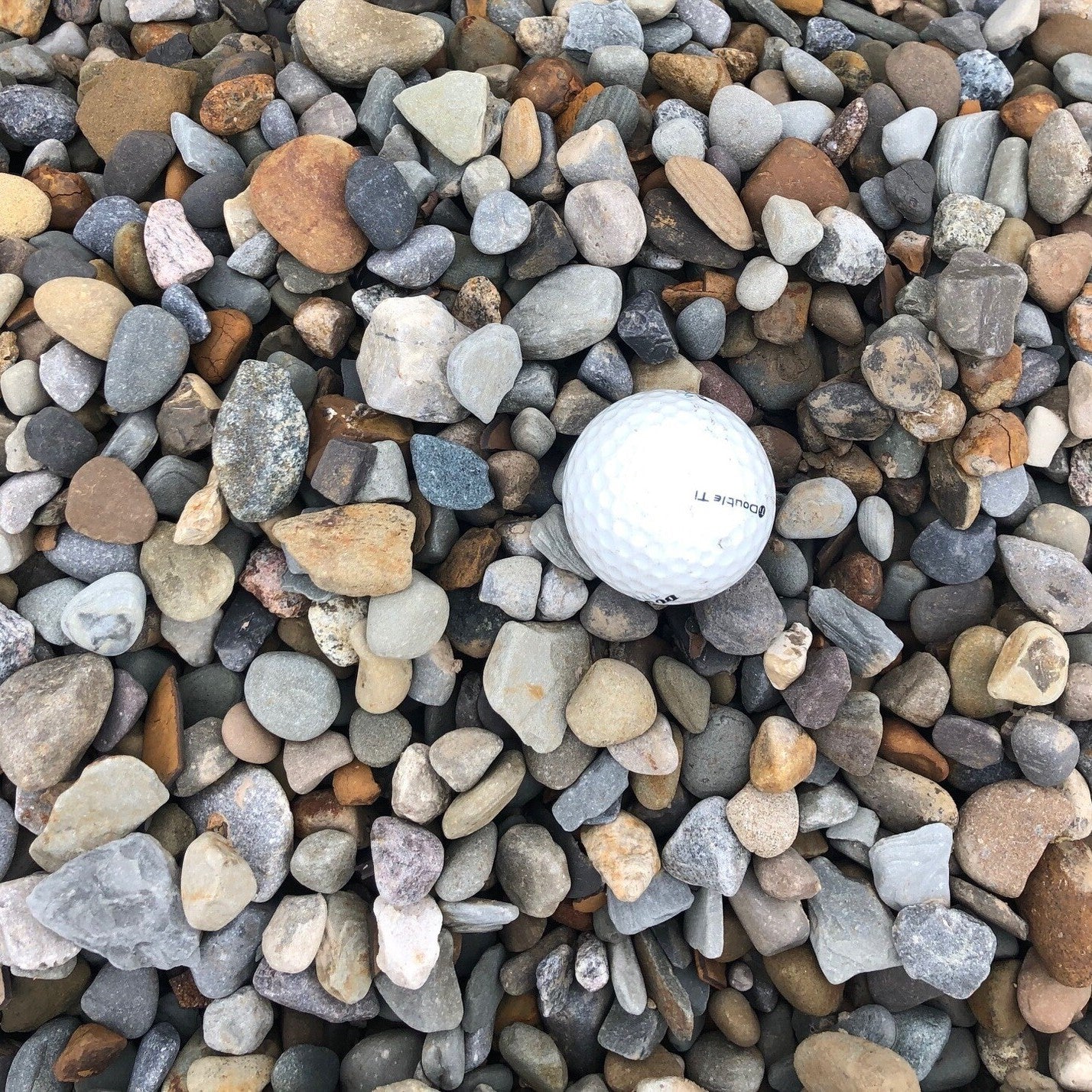
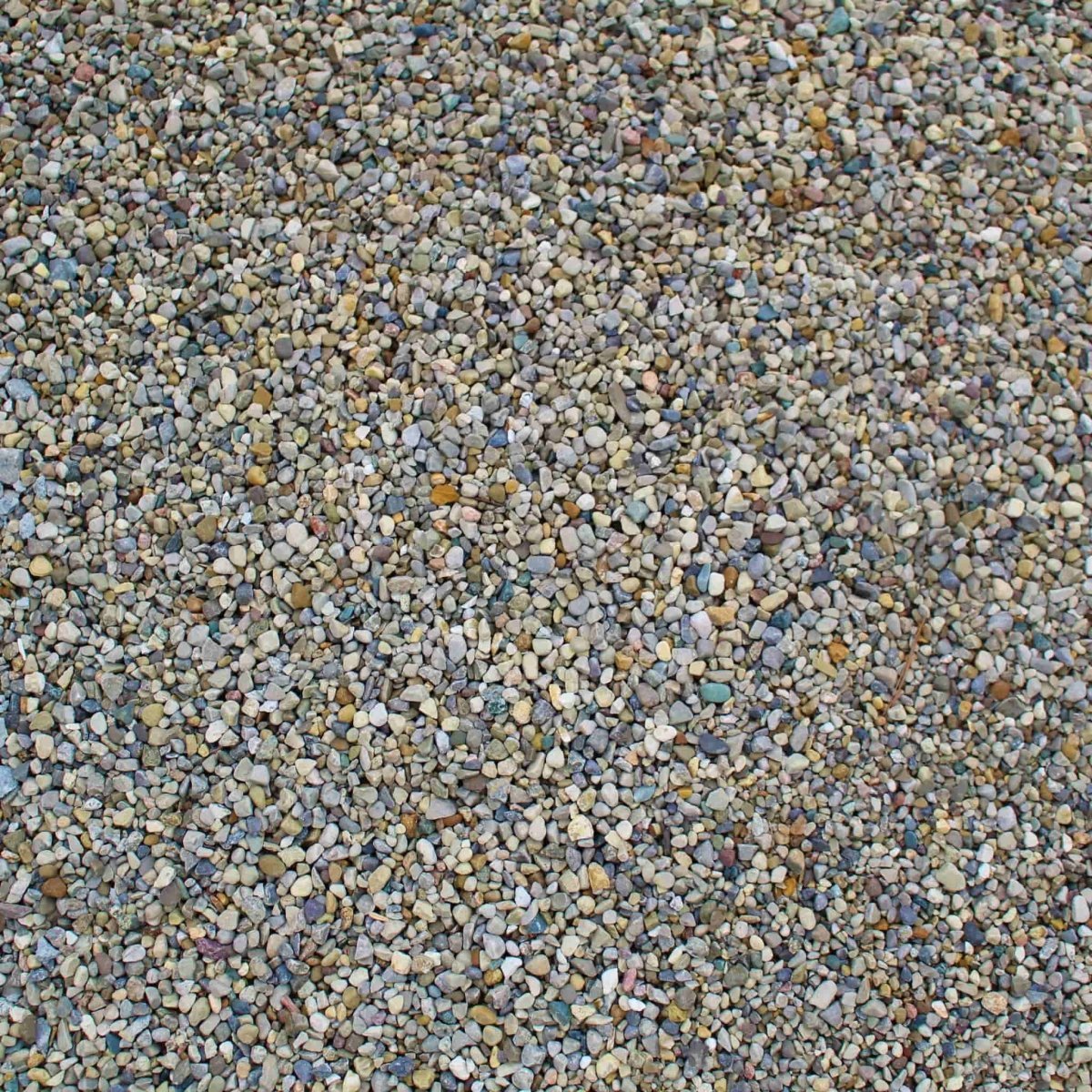
Classic pea gravel with smooth, rounded edges and natural earth tones. A versatile favorite for pathways, patios, drainage, and decorative ground cover.

I used Mulch Mound to have 3 cubic yards of garden soil delivered. The process was easy and I love that I didn't have to call anyone. I placed my order online, picked my delivery date, laid out my tarp and the dirt was delivered. My delivery had to be pushed back, but I was ke...

For decorative and pathway applications over Point Pleasant's sandy soil, plan on a 2 to 3 inch depth of stone, which provides enough mass to stay in place during heavy rain events while still allowing water to pass through freely to the permeable sand below. Drainage applications like French drains typically need 4 to 6 inches of washed gravel to move water effectively.
Use our free stone calculator

A yard is approximately 27 cubic feet. As a general guideline, one yard of material can cover an area of about 100-160 square feet at a 2-3 inch depth.

A yard is approximately 27 cubic feet. As a general guideline, one yard of material can cover an area of about 10 feet by 10 feet at a few inches deep.

Point Pleasant Stone Delivery

Point Pleasant Stone Delivery

4.7
137 reviews
Regular price $87.00 per yard
Regular price Sale price $87.00
Sale Sold out
Type
Size
Minimum of 3 yard
Hand-picked local yards
4,000+ regional deliveries
Dedicated support
Why order through Mulch Mound

The best local stone, without the guesswork.

We hand-pick and partner with the best yards in your region, keep only the ones our buyers rate well, and back each load with our guarantee.

Mulch Mound Guarantee

If your stone isn't the quantity or quality you ordered, we'll make it right.

About this stone

Classic pea gravel with smooth, rounded edges and natural earth tones. A versatile favorite for pathways, patios, drainage, and decorative ground cover.

I used Mulch Mound to have 3 cubic yards of garden soil delivered. The process was easy and I love that I didn't have to call anyone. I placed my order online, picked my delivery date, laid out my tarp and the dirt was delivered. My delivery had to be pushed back, but I was ke...

For decorative and pathway applications over Point Pleasant's sandy soil, plan on a 2 to 3 inch depth of stone, which provides enough mass to stay in place during heavy rain events while still allowing water to pass through freely to the permeable sand below. Drainage applications like French drains typically need 4 to 6 inches of washed gravel to move water effectively.
Use our free stone calculator

A yard is approximately 27 cubic feet. As a general guideline, one yard of material can cover an area of about 100-160 square feet at a 2-3 inch depth.

A yard is approximately 27 cubic feet. As a general guideline, one yard of material can cover an area of about 10 feet by 10 feet at a few inches deep.

View full details

How It Works

Getting started is easy — just follow these simple steps

1

Choose your stone

Make sure you adjust the quantity to your home's needs. You can use our calculator to estimate how much you'll need.

2

Select your delivery date

Select a delivery date you'd like for the product to be dropped off at your home

3

Sit back and wait

Sit back, wait, and let us work our magic to make sure the highest quality product is delivered to your driveway.

From The Mouths of Point Pleasant Folks

4.7
out of 5 based on 137 reviews
Google Reviews

Need Help Calculating How Much Stone & Gravel You Need?

Use our NEW Trace from Satellite tool to get an estimate for your project based on an aerial view of your property

Try Our Calculator
📍

To calculate stone for a pathway or bed in Point Pleasant, measure the length and width of the area in feet, multiply together for square footage, then multiply by your desired depth in feet and divide by 27 to get cubic yards. Keep in mind that stone settles slightly into Point Pleasant's loose sandy soil after delivery and the first few rain events, so adding 10 percent to your total ensures your finished depth stays where you want it. For drainage applications like dry creek beds or French drains, use the trench dimensions to drive your calculation rather than surface area.

Stone Types We Deliver in Point Pleasant

If you are searching for bulk gravel by the yard in Point Pleasant, you have found the right source. We deliver stone by the cubic yard directly to your driveway, yard, or job site, so you skip the stone yard and get exactly what your project needs. Our materials are well matched to the sandy, free-draining soils and coastal conditions common throughout this part of New Jersey.

Pea Gravel

Pea gravel is a popular choice for coastal New Jersey homeowners because its smooth, rounded stones allow water to move freely through sandy soil without pooling. The warm, earthy tones suit the relaxed outdoor living spaces typical of this shore community, and it performs well for walkways, patios, and decorative ground cover.

Complete Your Outdoor Stone Project

Combining stone with a quality landscape edging material keeps your gravel contained as Point Pleasant's rain events and foot traffic work on the surface over time. Pairing stone pathways with mulched planting beds creates a clean, low-maintenance landscape that handles coastal New Jersey weather patterns without the constant seasonal upkeep that organic materials alone would require.

Map of Point Pleasant, New Jersey

Areas We Deliver Stone & Gravel in Point Pleasant, New Jersey

No cities found for this region.

See All Locations
Mulch Mound Pro Tip

Point Pleasant's coastal location means properties near the bay or ocean occasionally deal with salt spray, which can affect soil chemistry and stress plants in nearby beds. Using stone as a ground cover in the zones closest to salt exposure is a smart long-term strategy because, unlike organic mulch or bare soil, stone is completely unaffected by salt accumulation. River stone or natural granite gravel in these high-exposure areas provides a clean, finished look while eliminating the need to refresh material that would otherwise break down or shift in a salty coastal environment.

Mulch Mound Pro Tip

Many Point Pleasant properties have underground irrigation systems, and stone ground cover in high-foot-traffic areas protects those lines from soil compaction while keeping the ground beneath loose and permeable for drainage. Before spreading stone over any area with irrigation heads, mark each head location clearly so you can leave small clearance zones for easy access and seasonal adjustment. A stable stone surface also eliminates the muddy patches that tend to develop around active irrigation heads in Point Pleasant's sandy, fast-draining soil after each watering cycle.

Mulch Mound Pro Tip

With 47 inches of annual rainfall and a coastal storm season that pushes well into November in Point Pleasant, water management is one of the most important considerations in any landscaping project. Permeable stone pathways and gravel borders reduce the volume of surface runoff during heavy rain events by giving water a direct path into the sandy soil below rather than letting it sheet across lawns and driveways toward foundations. Even a modest gravel border along a fence line or foundation planting can meaningfully reduce erosion and standing water during the intense rainfall that nor'easters regularly deliver to the Jersey Shore each fall.

The Unique Landscape of Point Pleasant

Decorative and functional stone is one of the most practical landscaping materials for Point Pleasant homeowners because it requires almost no maintenance in a climate that sees 47 inches of rain and a full coastal storm season every year. Unlike organic materials, stone does not break down, wash away in nor'easter runoff, or need seasonal refreshing, making it ideal for the wet and variable weather along the Jersey Shore. Point Pleasant's sandy base soil also makes stone a natural drainage partner, since gravel and crushed stone allow water to pass through freely and reach the permeable sand below rather than pooling on the surface after heavy rain. At just 10 feet of elevation, proper drainage is a real concern for many flat coastal properties, and strategically placed stone paths or borders can redirect sheet flow away from foundations and low spots in the yard. Stone also fills the role of low-maintenance ground cover in areas where growing grass or plants is a challenge due to shade, heavy foot traffic, or the salt-affected soil conditions closest to the water.

Frequently Asked Questions

Click a question to see the answer

Answer

What type of stone works best for a backyard pathway in Point Pleasant?

A crushed stone like pea gravel or quarter-inch clean stone is a popular and practical choice for garden pathways in Point Pleasant. Both allow the area's 47 inches of annual rainfall to pass through rather than running off and eroding edges. If you have any slope in your yard, which is common even on the generally flat coastal terrain near the Shore, a slightly coarser crushed stone will shift less over time than pea gravel when water moves across it.

Answer

Will stone help with the drainage and pooling problems in my Point Pleasant yard?

Absolutely. Point Pleasant's flat, low-elevation terrain means many yards accumulate standing water after heavy rain events, and a French drain or dry creek bed filled with crushed stone is one of the most effective fixes available. The stone allows water to percolate down quickly while the sandy native soil below carries it away naturally. A 6-inch deep trench filled with washed gravel and covered with landscape fabric can redirect sheet flow away from a foundation or low spot without any mechanical pumping required.

Answer

How do I keep decorative stone from sinking into my sandy Point Pleasant soil?

Because Point Pleasant's sandy base is so loose and permeable, decorative stone can gradually migrate downward over time without a proper barrier in place. Laying a layer of landscape fabric or a compacted base of coarser stone beneath your decorative layer prevents sinking and mixing between the stone and the sand below. For pathways, a 2-inch compacted base of crusher run or dense-grade aggregate under 2 inches of decorative stone gives you a stable surface that resists settling even in the loose coastal ground.

Answer

Can I use stone instead of mulch around my foundation plantings?

Stone is a great alternative to mulch around foundation plantings in Point Pleasant, especially for homeowners who want a low-maintenance option that does not need to be refreshed each spring. River stone or pea gravel does not break down or blow around in coastal winds the way mulch can after nor'easters. The main consideration is that stone absorbs heat and can raise soil temperatures around plant bases during July and August, so choose plants that tolerate warm root zones or keep a small soil buffer between the stone layer and plant stems.

Answer

What size stone should I use for a driveway apron or small parking area?

For a driveway apron or parking area in Point Pleasant, a 3/4-inch crushed stone or Item 4 base material is the standard choice. The angular edges of crushed stone lock together under vehicle weight and resist spreading, which is especially important in loose sandy soil that does not provide much lateral support on its own. Apply a minimum 4-inch depth for light vehicle traffic and 6 inches for heavier use, and compact it with a plate compactor for the most stable long-term surface.

Answer

Is there a stone that works well for erosion control on my sloped garden beds?

River jack or large river stones in the 2 to 4 inch range are excellent for controlling erosion on sloped beds in Point Pleasant. The rounded, heavy stones stay in place during the heavy rainfall events that come with nor'easters and summer thunderstorms, where lighter stone or mulch might shift and expose bare soil. For a more polished look, dry-stacked flat fieldstone along the downhill edge of a sloped bed creates a natural retaining element that blends well with Shore-area landscaping styles.

Answer

How much stone do I need for a typical garden border around my Point Pleasant home?

For a decorative stone border at a 2-inch depth, one cubic yard covers approximately 160 square feet. A typical foundation bed running around the perimeter of a mid-size Point Pleasant home might span 100 to 150 linear feet at 2 to 3 feet wide, which would require 2 to 3 cubic yards. Use our online calculator with your actual measurements to get a precise number, and remember that a slightly deeper layer is always better in sandy soil where stone can slowly settle downward over time.
