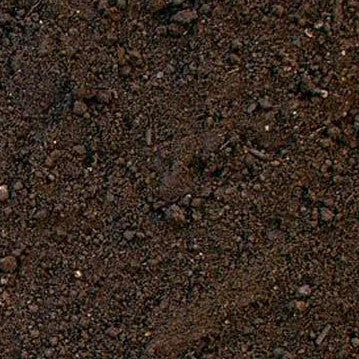
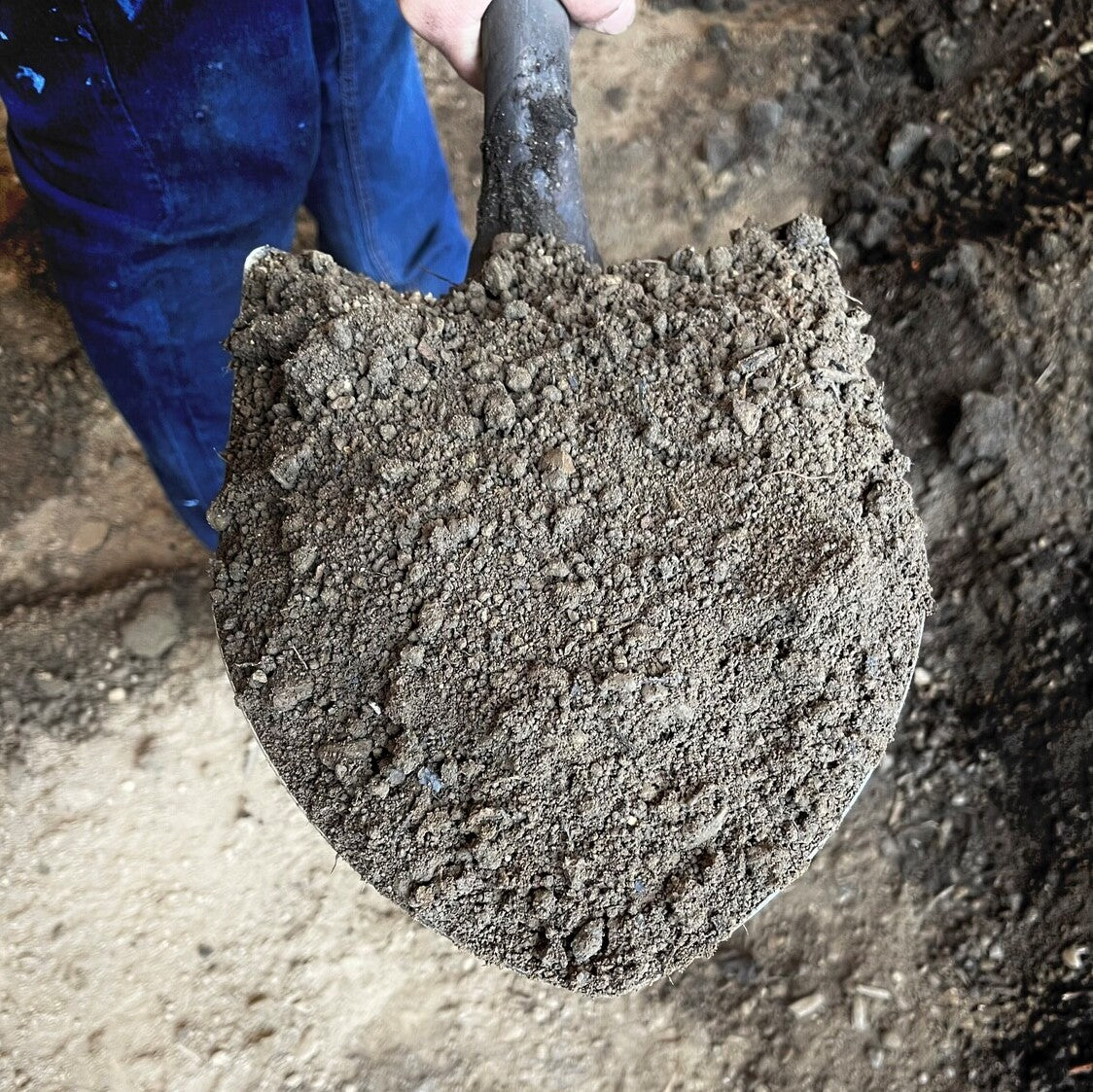
Quality topsoil for lawns, gardens, and landscape projects. Nutrient rich and ready to support strong root development and healthy plant establishment.
Ordered the planting mix with an early Saturday delivery. Super easy ordering experience. Dirt was delivered on time and delivery driver was kind enough to let us know I would take up more room than we though so we could pull cars out of the garage. Will be ordering again
Tell us what you're looking for
Thanks! We received your request.
Something went wrong. Please try again.
How Much Material Do I Need?
For garden beds placed over Point Pleasant's sandy native soil, plan on 8 to 12 inches of quality topsoil or garden mix to give roots a proper growing zone well above the fast-draining sand layer. Lawn top-dressing requires only a quarter to half inch spread evenly across the turf surface, raked in so it reaches the soil below.
Use our free soil calculator
What is a yard?
A yard is approximately 27 cubic feet. As a general guideline, one yard of material can cover an area of about 100-160 square feet at a 2-3 inch depth.
We can't take orders for this right now. Tell us what you need and we'll get back to you.
What do you need?
Thanks! We received your request.
Something went wrong. Please try again.
Hand-picked local yards
4,000+ regional deliveries
Dedicated support
Why order through Mulch Mound
The best local soil, without the guesswork.
We hand-pick and partner with the best yards in your region, keep only the ones our buyers rate well, and back each load with our guarantee.
Mulch Mound Guarantee
If your soil isn't the quantity or quality you ordered, we'll make it right.
About this soil
Quality topsoil for lawns, gardens, and landscape projects. Nutrient rich and ready to support strong root development and healthy plant establishment.
Ordered the planting mix with an early Saturday delivery. Super easy ordering experience. Dirt was delivered on time and delivery driver was kind enough to let us know I would take up more room than we though so we could pull cars out of the garage. Will be ordering again
How Much Material Do I Need?
For garden beds placed over Point Pleasant's sandy native soil, plan on 8 to 12 inches of quality topsoil or garden mix to give roots a proper growing zone well above the fast-draining sand layer. Lawn top-dressing requires only a quarter to half inch spread evenly across the turf surface, raked in so it reaches the soil below.
Use our free soil calculator
What is a yard?
A yard is approximately 27 cubic feet. As a general guideline, one yard of material can cover an area of about 100-160 square feet at a 2-3 inch depth.
Ordered the planting mix with an early Saturday delivery. Super easy ordering experience. Dirt was delivered on time and delivery driver was kind e...
Read full review
Ordered the planting mix with an early Saturday delivery. Super easy ordering experience. Dirt was delivered on time and delivery driver was kind enough to let us know I would take up more room than we though so we could pull cars out of the garage. Will be ordering again
To figure out how much soil you need for raised beds or grading in Point Pleasant, multiply the length by the width by the depth of each area in feet, then divide by 27 to convert to cubic yards. Keep in mind that soil settles after delivery, especially over Point Pleasant's loose sandy base where new material can compact slightly during the first few rain events. Adding 10 to 15 percent to your calculated total accounts for settling and ensures your beds stay at their intended depth through the first full growing season.
Soil Types We Deliver in Point Pleasant
Mulch Mound delivers bulk soil by the cubic yard in Point Pleasant, with options suited to lawn installs, garden beds, and grading work. The sandy coastal soils common in this part of Ocean County often need organic enrichment or a quality topsoil base to support healthy planting.
Screened Top Soil
Available in a screened texture, this topsoil works well under new sod, in planting beds, and across landscape installs. The naturally sandy base common along this stretch of coast often needs a richer layer to hold moisture and nutrients through the growing season.
Garden Compost
This standard compost is rich in organic matter and excellent for building up thin, sandy coastal soil before planting. Shore area gardeners work it into vegetable beds and flower borders each spring to improve moisture retention and feed plantings through the warm summer months.
Fill Dirt
Unscreened and budget friendly, fill dirt is the practical choice for rough grading, leveling low spots, and building up base layers. Properties near the water in this coastal community often need elevation work, and standard fill dirt handles those projects efficiently without the cost of finer material.
Complete Your Outdoor Soil Project
Pairing a bulk soil delivery with a quality mulch layer locks the moisture into your new beds and prevents the sandy surface from crusting under Point Pleasant's summer sun between rain events. If you are also grading or creating pathways around your beds, a decorative stone border can define edges and direct foot traffic without compacting the soil you just worked to improve.
Can I just layer topsoil on top of my sandy Point Pleasant ground, or do I need to till it in?
For garden beds and planting areas, tilling the new topsoil into the top 6 to 8 inches of your existing sandy ground creates the best results. This blending prevents a hard transition layer from forming between the new soil and the sand below, which can trap water or cause roots to circle rather than penetrate deeply. For lawn top-dressing, spreading a thin quarter-inch to half-inch layer directly over the existing turf and raking it in works well without any tilling.
Answer
What depth of topsoil do I need for a new vegetable garden in Point Pleasant?
We recommend at least 8 to 12 inches of quality topsoil or garden mix for a vegetable garden in Point Pleasant. The native sandy soil below drains so quickly that vegetables planted directly into it struggle to stay hydrated and fed through the growing season. A full foot of good garden soil gives roots room to develop and holds enough moisture to carry plants through the dry stretches that pop up between summer rain events from May through September.
Answer
How do I fix the drainage and pooling problems in my low Point Pleasant yard?
At just 10 feet of elevation, many Point Pleasant properties sit on nearly flat terrain where water has nowhere to go after heavy rain. Re-grading low spots with quality fill or topsoil to direct water away from your foundation and toward the street or a drainage swale is the most effective long-term fix. After grading, a layer of topsoil over any compacted fill allows grass seed to establish and stabilizes the new grade, and pairing the soil work with a stone drainage channel in the worst spots can help manage runoff from nor'easters as well.
Answer
Is bagged garden soil from the hardware store just as good as bulk topsoil for my raised beds?
Bulk topsoil or garden mix from MulchMound is almost always a better value for Point Pleasant homeowners building raised beds. Bagged products are fine for small containers, but filling a 4-by-8-foot raised bed at 12 inches deep takes roughly 32 cubic feet of material, which would require dozens of bags at a much higher cost per cubic foot. Bulk delivery lets you fill multiple beds in one shot and ensures a consistent mix throughout every bed you build.
Answer
When is the best time to add topsoil to my lawn in Point Pleasant?
The best windows for top-dressing or overseeding with new soil in Point Pleasant are early to mid-April, just ahead of the last frost around April 15, and again in early September. The September window is particularly effective because the soil is still warm from summer, fall rains are more reliable, and the grass has a full month to root before the first frost arrives around November 10. Avoid major soil work in mid-summer when the coastal heat and dry spells can stress new turf before it gets established.
Answer
What kind of soil blend should I use for raised beds near the shore?
A blended garden mix that combines topsoil, compost, and some aged organic matter performs best in Point Pleasant's coastal environment. The compost fraction helps hold moisture and nutrients that would otherwise pass straight through a sand-heavy mix, while the topsoil component gives plants a stable growing medium. Look for a mix with visible dark organic matter throughout rather than one that looks pale or gritty, which would behave too similarly to the native sandy ground you are trying to improve upon.
Answer
How many yards of soil do I need to fill my raised garden beds?
A standard 4-by-8-foot raised bed at 12 inches deep holds roughly 1.2 cubic yards of soil, so two beds would need approximately 2.5 cubic yards with a little extra for settling. Point Pleasant's growing season from April through November gives you the whole warm stretch to fill beds and get growing, so ordering enough soil to fill all your planned beds at once saves a second delivery fee. Use our online calculator to enter your bed dimensions and get an exact number.
Mulch Mound Pro Tip
Point Pleasant sits at just 10 feet of elevation and many properties have nearly flat grades that allow water to pool after heavy coastal storms. When you bring in topsoil to level a yard or fill beds, take the opportunity to build a very slight slope, even just a 1 to 2 percent grade, away from your foundation and toward a low point or drainage swale. This small investment in proper grading prevents standing water from saturating your new soil and undoing the drainage improvements you worked hard to create.
Mulch Mound Pro Tip
Sandy soil in Point Pleasant is naturally low in organic matter, and freshly delivered topsoil will begin to lose that organic content over time through the same leaching process that affects the native ground beneath it. Mixing a few inches of compost into the top layer of any new topsoil bed before planting jumpstarts the biological activity that keeps soil alive and fertile through the growing season. This step is especially important for vegetable gardens where you are pulling heavy nutrients from the soil continuously from late April through October.
Mulch Mound Pro Tip
Zone 7b gardeners in Point Pleasant enjoy a growing season that runs nearly seven months, from the April 15 last frost to the November 10 first frost, and that long window creates an opportunity most homeowners do not take full advantage of. Plan a fall soil amendment in September, adding compost or a thin layer of fresh topsoil to beds that were depleted over the summer by heavy vegetable or annual production. Beds that get refreshed in fall have all winter for the new material to settle and integrate, so they are ready to perform from the very first planting day in spring.
The Unique Landscape of Point Pleasant
Point Pleasant's native sandy soil presents a real challenge for anyone trying to establish a lawn, raise a vegetable garden, or grade a yard for proper drainage. The sand allows water and nutrients to pass straight through the root zone, leaving plants hungry and thirsty even after a good rain. Brought-in topsoil or garden mix gives homeowners the ability to create a nutrient-rich growing layer above the native sand, bridging the gap between what the ground offers and what plants actually need to thrive. Because the growing season in Point Pleasant runs from the April 15 last frost through November 10, there is a long window of active plant growth that demands a fertile, moisture-retentive base to support it. Proper soil grading around foundations is also critical at this low 10-foot elevation, where flat lots can collect standing water after the region's heavy coastal storm events.