









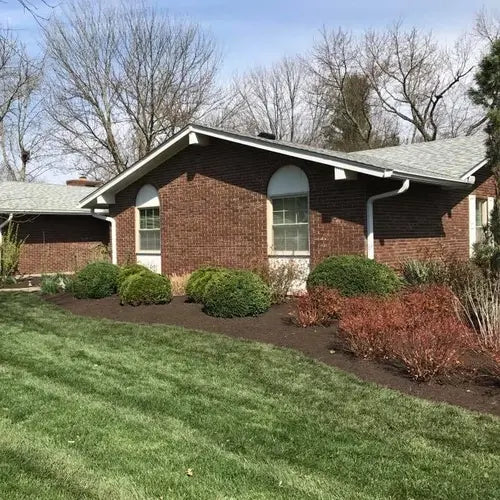


Our delivery was delayed but the new brown color mulch is a nice upgrade to our landscaping.
About this mulch
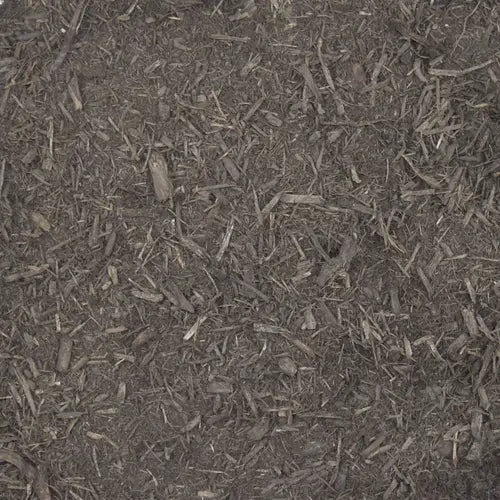
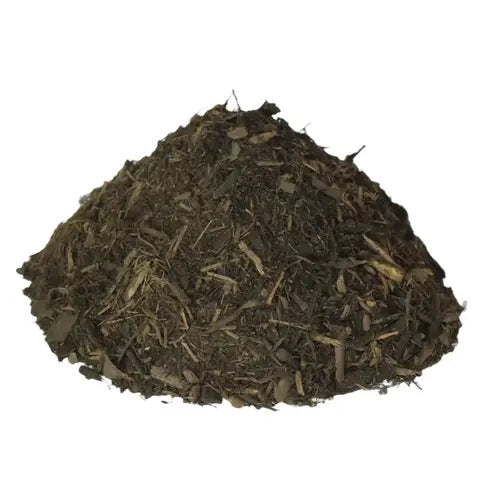
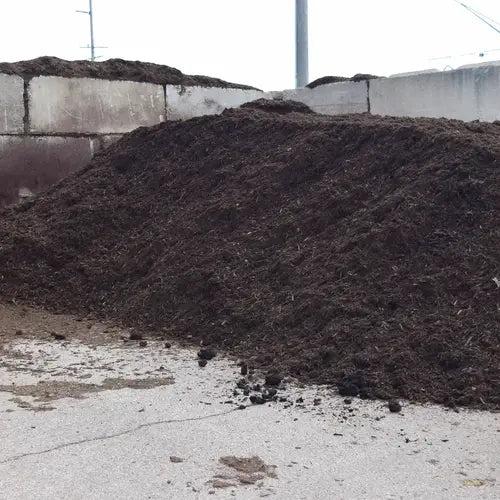
Warm brown double shredded mulch with lasting color that looks freshly applied for weeks. Spreads smooth, stays put, and gives beds a natural, polished appearance.
Our delivery was delayed but the new brown color mulch is a nice upgrade to our landscaping.
Tell us what you're looking for
Thanks! We received your request.
Something went wrong. Please try again.
How Much Material Do I Need?
How Much Material Do I Need?
For Port Huron's sandy loam beds, 2 to 3 inches is the target depth, with 3 inches strongly recommended for any bed that receives more than half a day of direct sun. Sandy soils lose surface moisture rapidly and that extra inch of mulch pays dividends quickly during the drier midsummer stretches from late June through August.
Use our free mulch calculator
What is a yard?
What is a yard?
FAQs
FAQs
Port Huron Mulch Delivery
Port Huron Mulch Delivery
Regular price
$74.00
per
yard
Regular price
Sale price
$74.00
Unit price
per
Shipping calculated at checkout.
Minimum of 3 yard
Couldn't load pickup availability
Not currently available
We can't take orders for this right now. Tell us what you need and we'll get back to you.
Hand-picked local yards
4,000+ regional deliveries
Dedicated support
Why order through Mulch Mound
The best local mulch, without the guesswork.
We hand-pick and partner with the best yards in your region, keep only the ones our buyers rate well, and back each load with our guarantee.
Mulch Mound Guarantee
If your mulch isn't the quantity or quality you ordered, we'll make it right.
About this mulch
Warm brown double shredded mulch with lasting color that looks freshly applied for weeks. Spreads smooth, stays put, and gives beds a natural, polished appearance.
Our delivery was delayed but the new brown color mulch is a nice upgrade to our landscaping.
How Much Material Do I Need?
How Much Material Do I Need?
For Port Huron's sandy loam beds, 2 to 3 inches is the target depth, with 3 inches strongly recommended for any bed that receives more than half a day of direct sun. Sandy soils lose surface moisture rapidly and that extra inch of mulch pays dividends quickly during the drier midsummer stretches from late June through August.
Use our free mulch calculator
What is a yard?
What is a yard?
FAQs
FAQs
Tell us what you're looking for
Thanks! We received your request.
Something went wrong. Please try again.
How It Works
Getting started is easy — just follow these simple steps
1
Choose your Mulch
Make sure you adjust the quantity to your home's needs. You can use our calculator to estimate how much you'll need.
2
Select your delivery date
Select a delivery date you'd like for the product to be dropped off at your home
3
Sit back and wait
Sit back, wait, and let us work our magic to make sure the highest quality product is delivered to your driveway.

Mulch Mound made it so easy! So happy with the pricing, turn around time, delivery and product. I submitted my online order on a Thursday. The mu...
Read full review
Mulch Mound made it so easy! So happy with the pricing, turn around time, delivery and product. I submitted my online order on a Thursday. The mulch was delivered to the designated location by a local landscape company at 8:30 a.m. the following Saturday morning. We had the job completed by that afternoon. We chose the natural brown mulch, and the plant beds are beautiful.

Good quality, great price, fast delivery. All online - no submitting forms and waiting for days for quotes.
Getting mulch should be this easy fr...
Read full review
Good quality, great price, fast delivery. All online - no submitting forms and waiting for days for quotes.
Getting mulch should be this easy from everyone. Only Mulch Mound is ACTUALLY this simple.
Calculate mulch for your Port Huron project
For Port Huron's Sandy Loam type of soil, we recommend 2-3 inches for best weed suppression and moisture retention
Try Our CalculatorTo estimate mulch for your Port Huron beds, measure the length and width of each area in feet and multiply to get square footage, then plan for at least 3 inches of depth given how rapidly sandy loam sheds moisture between rain events. Divide your total cubic feet by 27 to convert to cubic yards and round up to the nearest half yard to account for settling. Sun-exposed beds on south-facing slopes dry out faster than shaded lakeside beds and will benefit most from that full 3 inch depth.



Best Mulch Choice for Port Huron Lawns
Most yards in the Port Huron area sit on Sandy Loam type of soil. Port Huron's sandy loam soil is naturally low in organic matter and drains so efficiently that plant beds can struggle to hold the nutrients and moisture that shrubs and perennials need through a full growing season. Without consistent organic input from a decomposing top layer, these beds become increasingly lean and compacted over time despite their excellent surface drainage.
Hardwood Mulch
Hardwood mulch is particularly well-matched to Port Huron's sandy loam because as it decomposes it releases tannins and organic compounds that bind with loose soil particles, gradually improving both structure and water-holding capacity over multiple seasons. A consistent annual top-off of hardwood mulch is one of the most effective long-term strategies for building a richer, more moisture-stable planting environment in Port Huron's naturally lean sandy loam beds.
Mulch Types We Deliver in Port Huron
Mulch Mound makes ordering bulk mulch delivery in Port Huron easy, bringing cubic yard quantities of quality material right to your driveway or job site. The clay soils and cold winters common to this part of Michigan make a good layer of mulch essential for protecting beds and retaining moisture through the growing season. We carry a focused selection of mulch types to match the look and needs of any yard.
Dyed Black Mulch
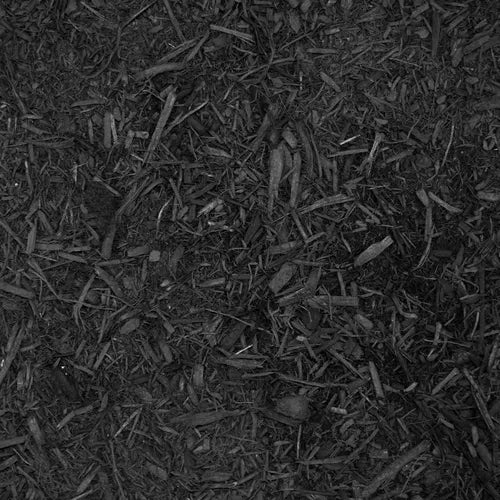
This double shredded mulch delivers bold, deep color that makes beds and borders stand out against typical Michigan greenery. The rich black tone holds through sun and rain, staying vivid deep into the season, and it spreads evenly over both flat and sloped ground.
Dyed Brown Mulch
Available double shredded for a smooth, even spread, dyed brown mulch keeps its warm color for weeks, giving beds the freshly maintained look that suits the brick and earth tone homes common throughout this region.
Natural Brown Mulch
Triple shredded from natural hardwood, this mulch breaks down to improve soil structure over time. That benefit is especially welcome in the heavy clay soils found throughout this part of Michigan. The fine texture resists washout and lies flat even on sloped beds.
Cedar Mulch
Double shredded cedar brings a pleasant natural scent and helps deter insects, a real advantage through active Michigan summers. The warm, light color suits woodland and cottage style plantings, and the material holds its color well into fall.
Complete Your Outdoor Mulch Project
If your sandy loam beds are too lean or compacted beneath the surface, pairing mulch with a layer of our premium garden soil before mulching over it will dramatically improve plant health and moisture retention. Adding a stone border from our stone products also keeps mulch from migrating across pathways and lawn edges during Port Huron's rainy season.


Service area
Areas we deliver mulch in Port Huron, Michigan
Mulch Mound Pro Tip
Pull existing weeds before your mulch arrives in Port Huron. Sandy loam's loose structure means weed roots come out cleanly when the soil holds a little moisture after a rain, and taking 20 minutes to clear a bed before delivery gives you the full weed-suppressing benefit from day one. Mulching over established weeds leaves their root systems intact and they will push right through a new layer within a few weeks, especially in the warm sandy soil Port Huron summers produce.
Mulch Mound Pro Tip
Time your spring mulch delivery for the week following Port Huron's last frost, typically in the last few days of April or the first week of May. The soil needs to warm up from its winter temperature before you lock in a thick insulating layer on top. Mulching too early traps cold in the ground and can delay root activity for spring perennials and annuals you are just getting established in your beds.
Mulch Mound Pro Tip
Port Huron receives about 34 inches of rain per year, which is generally enough to keep naturally decomposing mulch working well through most of the growing season in shaded beds without extra irrigation. During July and August when rainfall tends to dip and temperatures peak, however, even well-mulched sandy loam beds can dry out surprisingly fast. Check moisture under the mulch layer by pushing a finger through to the soil rather than judging by surface appearance, because the top inch of mulch can look dry while the soil below still has adequate moisture for your plants.
The Unique Landscape of Port Huron
Port Huron's sandy loam soil drains quickly, which protects roots from rot but also means plant beds can dry out rapidly during warm July and August stretches between rain events. A consistent 2 to 3 inch mulch layer acts as a buffer against that fast moisture loss, keeping roots supplied between Port Huron's moderate rain events throughout the growing season. With the last frost typically falling around April 27, the spring planting window is tight, and mulch helps soil warm faster so newly installed plants get established before summer heat peaks. The first frost around October 21 means mulch also plays a role in protecting root systems heading into winter, extending the survival of perennials and shrubs through Port Huron's cold season. Weed pressure in sandy loam beds tends to be high because the loose, well-draining texture creates an easy germination environment for weed seeds throughout spring and summer. Whether you are maintaining beds along the St. Clair River corridor or managing a backyard garden near the lake, consistent mulching is one of the highest-return landscape investments a Port Huron homeowner can make.