



Ordered Dirt. Received Dirt. Would Buy Again.
About this soil
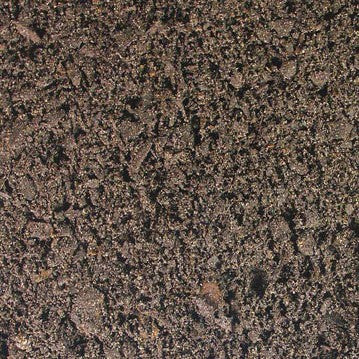
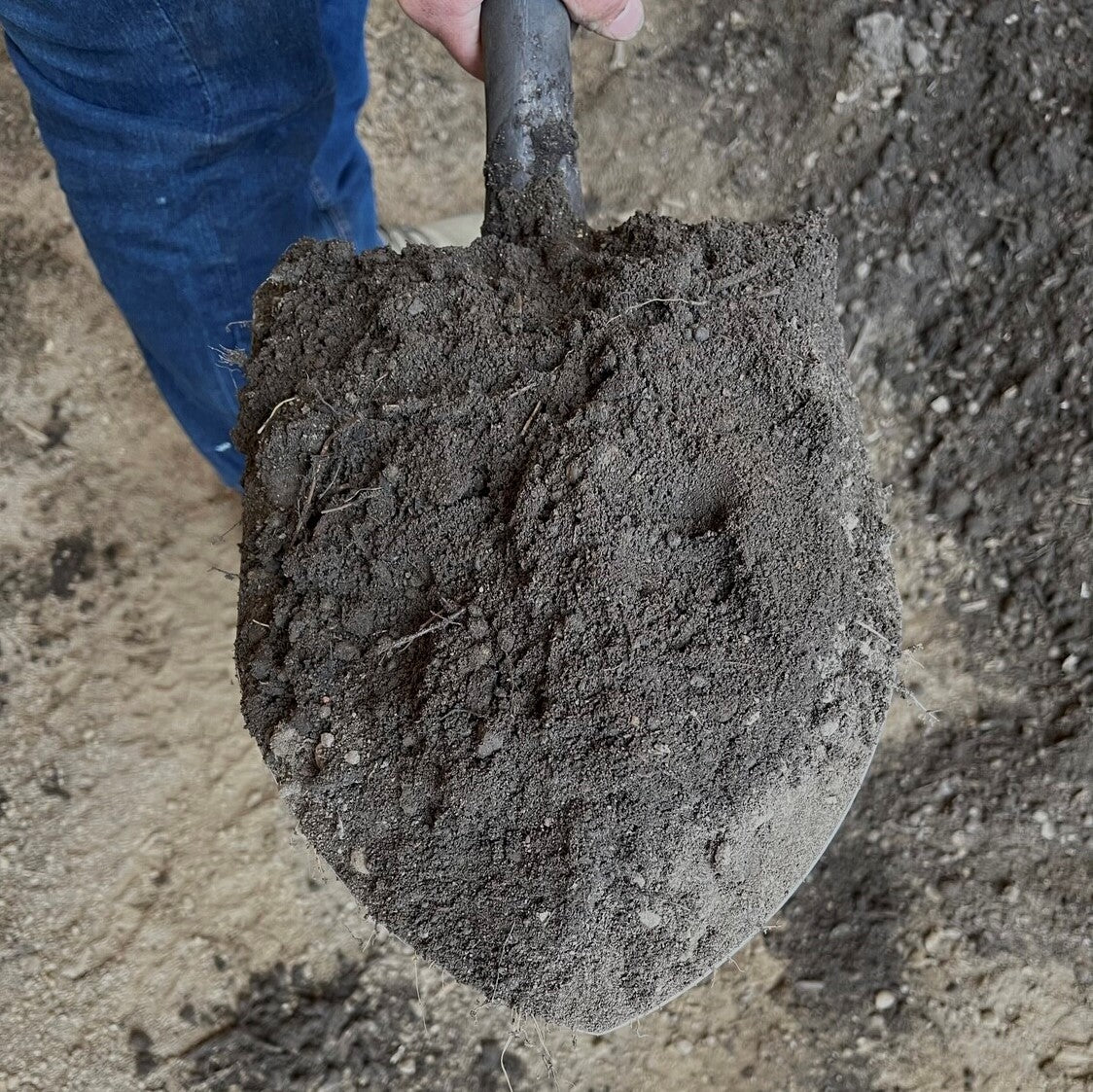
This premium, ultra-rich black soil blend harnesses a high concentration of Michigan Peat and organic compost to provide exceptional water retention and nutrient availability. The ultimate choice for creating thriving flower beds, abundant vegetable gardens, and beautiful decorative planters.
Ordered Dirt. Received Dirt. Would Buy Again.
Tell us what you're looking for
Thanks! We received your request.
Something went wrong. Please try again.
How Much Material Do I Need?
How Much Material Do I Need?
For lawn leveling in Port Huron, a half inch to 1 inch layer per application is the practical range for covering existing grass without smothering it, while garden and raised bed projects call for at least 6 to 8 inches of quality soil over the native sandy loam. That deeper bed depth supports stronger root systems and significantly reduces the watering demands you would otherwise face during Port Huron's drier midsummer weeks.
Use our free soil calculator
What is a yard?
What is a yard?
FAQs
FAQs
Port Huron Soil Delivery
Port Huron Soil Delivery
Regular price
$103.00
per
yard
Regular price
Sale price
$103.00
Unit price
per
Shipping calculated at checkout.
Minimum of 3 yard
Couldn't load pickup availability
Hand-picked local yards
4,000+ regional deliveries
Dedicated support
Why order through Mulch Mound
The best local soil, without the guesswork.
We hand-pick and partner with the best yards in your region, keep only the ones our buyers rate well, and back each load with our guarantee.
Mulch Mound Guarantee
If your soil isn't the quantity or quality you ordered, we'll make it right.
About this soil
This premium, ultra-rich black soil blend harnesses a high concentration of Michigan Peat and organic compost to provide exceptional water retention and nutrient availability. The ultimate choice for creating thriving flower beds, abundant vegetable gardens, and beautiful decorative planters.
Ordered Dirt. Received Dirt. Would Buy Again.
How Much Material Do I Need?
How Much Material Do I Need?
For lawn leveling in Port Huron, a half inch to 1 inch layer per application is the practical range for covering existing grass without smothering it, while garden and raised bed projects call for at least 6 to 8 inches of quality soil over the native sandy loam. That deeper bed depth supports stronger root systems and significantly reduces the watering demands you would otherwise face during Port Huron's drier midsummer weeks.
Use our free soil calculator
What is a yard?
What is a yard?
FAQs
FAQs
Tell us what you're looking for
Thanks! We received your request.
Something went wrong. Please try again.
How It Works
Getting started is easy — just follow these simple steps
1
Choose your soil
Make sure you adjust the quantity to your home's needs. You can use our calculator to estimate how much you'll need.
2
Select your delivery date
Select a delivery date you'd like for the product to be dropped off at your home
3
Sit back and wait
Sit back, wait, and let us work our magic to make sure the highest quality product is delivered to your driveway.


Placing an order online was so easy. Delivery was on time. When the driver realized we had a newly poured driveway they erred on the side of cautio...
Read full review
Placing an order online was so easy. Delivery was on time. When the driver realized we had a newly poured driveway they erred on the side of caution and opted not ti drive in it. The company even sent me a message explaining that call. Would recommend!
Need Help Calculating How Much Soil You Need?
Use our NEW Trace from Satellite tool to get an estimate for your project based on an aerial view of your property
Try Our CalculatorTo estimate soil for a Port Huron project, measure the area in square feet and decide on your target depth in inches, multiply the two together and divide by 12 to get cubic feet, then divide by 27 to convert to cubic yards. For projects where you are laying soil over Port Huron's native sandy loam, plan for a 10 to 15 percent settling allowance, as the loose material compresses after the first watering and through the first winter freeze-thaw cycle. Ordering slightly more than your raw calculation suggests saves you the cost and hassle of a second delivery.
Soil Types We Deliver in Port Huron
Whether you are rebuilding tired garden beds or starting a new landscape from scratch, ordering bulk topsoil by the yard in Port Huron is the most practical way to get the volume you need at a fair price. Mulch Mound delivers locally so you can skip the bags and get straight to planting. Our soil is sourced to perform well in the clay-heavy ground common throughout this part of Michigan.
Gardening Blend Soil
This ultra-rich black blend combines a high concentration of Michigan Peat with organic compost, giving it outstanding water retention and nutrient availability. It suits Port Huron gardeners growing vegetables, building out flower beds, or filling decorative planters where the native clay soil would otherwise compact and drain poorly.
Complete Your Outdoor Soil Project
Once your soil is in place, topping your beds with a layer of hardwood mulch from our mulch products locks in the moisture and organic benefits you have built into the ground below. Adding stone edging or pathway material from our stone selection creates clean defined borders that keep your new soil from washing out through Port Huron's rainy spring season.


Service area
Areas we deliver soil in Port Huron, Michigan
Mulch Mound Pro Tip
Before your bulk soil delivery arrives, do a walk-through of the project area and mark your high and low spots. Port Huron's freeze-thaw cycle creates uneven surfaces in lawns and garden beds every winter, and knowing where your problem areas are before material hits the ground means you can direct the soil precisely where it is needed. Spreading evenly across the whole area and then discovering gaps afterward wastes both material and your working time.
Mulch Mound Pro Tip
If you are building raised beds in Port Huron, consider mixing your imported garden blend with a small portion of your existing native sandy loam when filling the bottom third of the bed. This creates a gradual transition between the rich bed soil and the native ground below, encouraging roots to grow downward into the earth rather than staying contained in the upper layer. It also ensures the bed drains naturally downward without the risk of water pooling at the interface between two very different soil types.
Mulch Mound Pro Tip
Fall soil work in Port Huron, delivered and placed in September or early October before the first frost around October 21, gives new material time to settle and begin integrating with your sandy loam before spring planting begins. Soil placed in fall and left to overwinter develops better structure and is considerably easier to work the following April than freshly placed material. Planning a fall delivery for bed expansions or lawn repairs means you hit the ground running when the planting window opens in late April.
The Unique Landscape of Port Huron
Port Huron's native sandy loam is naturally well-draining, but that same quality becomes a real liability when you are trying to establish a new lawn, build a productive garden bed, or level a yard after construction or a hard winter. Sandy loam holds very little water and nutrients on its own, meaning that without quality imported soil, new plantings can struggle through Port Huron's drier midsummer stretches even in a year with average rainfall. With a compressed growing window between the last frost around April 27 and the first frost around October 21, getting soil prep right before planting is critical because there is very little time to recover from a poor foundation. Low-lying yards near the lakeshore and along the St. Clair River corridor also face drainage and grading challenges that quality fill or topsoil can address without costly excavation work. Whether you are grading a lawn, filling raised beds, or refreshing tired planting areas that have depleted over years, the right soil product is the difference between plants that thrive and plants that merely survive Port Huron's growing season. The city's moderate 34 inches of annual rainfall means properly amended beds stay productive without heavy irrigation, but the native soil needs the right foundation material to get there.