


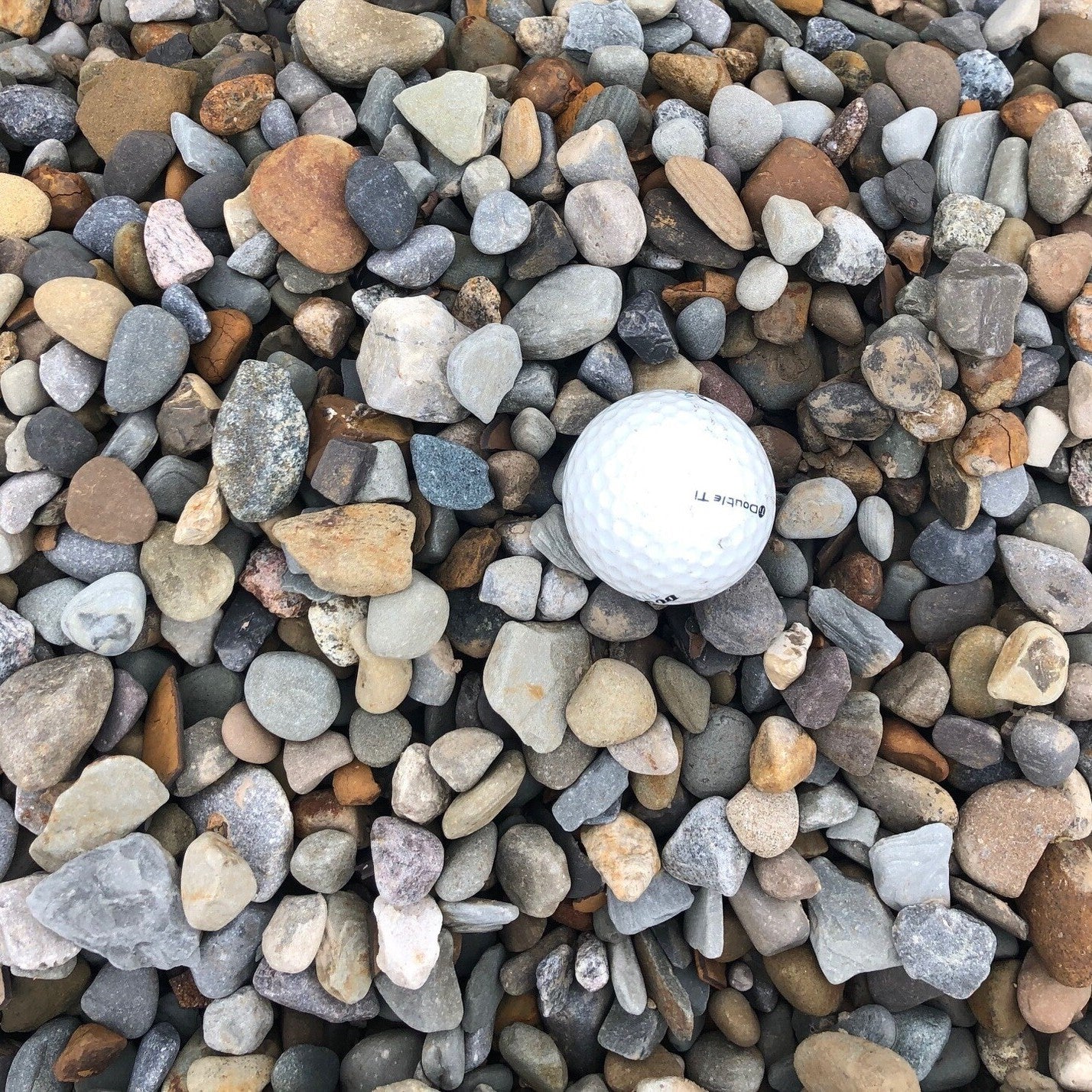

The driver nailed it on putting the gravel I ordered in front of my trailer and between the sidewalk. Very satisfied with how my flowerbeds look now.
About this stone
Number 57 crushed stone, angular limestone graded to about three quarters of an inch. The standard driveway, base and drainage gravel, it locks together under traffic and drains fast.
The driver nailed it on putting the gravel I ordered in front of my trailer and between the sidewalk. Very satisfied with how my flowerbeds look now.
Tell us what you're looking for
Thanks! We received your request.
Something went wrong. Please try again.
How Much Material Do I Need?
How Much Material Do I Need?
For decorative stone beds in Port Huron, 2 to 3 inches of depth over landscape fabric provides solid coverage without excessive material cost. For drainage swales, foundation borders, and high-traffic pathways, plan for 3 to 4 inches of depth to account for Port Huron's seasonal ground movement and the natural compression that occurs over the first full freeze-thaw cycle.
Use our free gravel calculator
What is a yard?
What is a yard?
FAQs
FAQs
Port Huron Gravel Delivery
Port Huron Gravel Delivery
Regular price
$133.00
per
yard
Regular price
Sale price
$133.00
Unit price
per
Shipping calculated at checkout.
Minimum of 3 yard
Couldn't load pickup availability
Not currently available
We can't take orders for this right now. Tell us what you need and we'll get back to you.
Hand-picked local yards
4,000+ regional deliveries
Dedicated support
Why order through Mulch Mound
The best local stone, without the guesswork.
We hand-pick and partner with the best yards in your region, keep only the ones our buyers rate well, and back each load with our guarantee.
Mulch Mound Guarantee
If your stone isn't the quantity or quality you ordered, we'll make it right.
About this stone
Number 57 crushed stone, angular limestone graded to about three quarters of an inch. The standard driveway, base and drainage gravel, it locks together under traffic and drains fast.
The driver nailed it on putting the gravel I ordered in front of my trailer and between the sidewalk. Very satisfied with how my flowerbeds look now.
How Much Material Do I Need?
How Much Material Do I Need?
For decorative stone beds in Port Huron, 2 to 3 inches of depth over landscape fabric provides solid coverage without excessive material cost. For drainage swales, foundation borders, and high-traffic pathways, plan for 3 to 4 inches of depth to account for Port Huron's seasonal ground movement and the natural compression that occurs over the first full freeze-thaw cycle.
Use our free gravel calculator
What is a yard?
What is a yard?
FAQs
FAQs
Tell us what you're looking for
Thanks! We received your request.
Something went wrong. Please try again.
How It Works
Getting started is easy — just follow these simple steps
1
Choose your stone
Make sure you adjust the quantity to your home's needs. You can use our calculator to estimate how much you'll need.
2
Select your delivery date
Select a delivery date you'd like for the product to be dropped off at your home
3
Sit back and wait
Sit back, wait, and let us work our magic to make sure the highest quality product is delivered to your driveway.

Placing an order online was so easy. Delivery was on time. When the driver realized we had a newly poured driveway they erred on the side of cautio...
Read full review
Placing an order online was so easy. Delivery was on time. When the driver realized we had a newly poured driveway they erred on the side of caution and opted not ti drive in it. The company even sent me a message explaining that call. Would recommend!

Online ordering was really simple and I liked the transparent pricing.
Need Help Calculating How Much Gravel You Need?
Use our NEW Trace from Satellite tool to get an estimate for your project based on an aerial view of your property
Try Our CalculatorMeasure your stone project area in feet, length by width, and decide on depth in inches before placing your order. At 2 inches deep, one cubic yard of stone covers approximately 160 square feet, and at 3 inches it covers roughly 108 square feet. Port Huron's freeze-thaw cycles will compact stone during the first winter season, so adding an extra 10 percent to your order means you have material ready to top up in spring without placing and paying for a second delivery.
Stone Types We Deliver in Port Huron
Homeowners and contractors searching for bulk gravel by the yard in Port Huron can count on our cubic-yard stone deliveries to cover any project, large or small. Michigan's Thumb region features clay-heavy soil and cold winters that put real demands on drainage and ground stability. We schedule deliveries directly to your driveway or job site, keeping the process straightforward from order to drop-off.
Pea Gravel
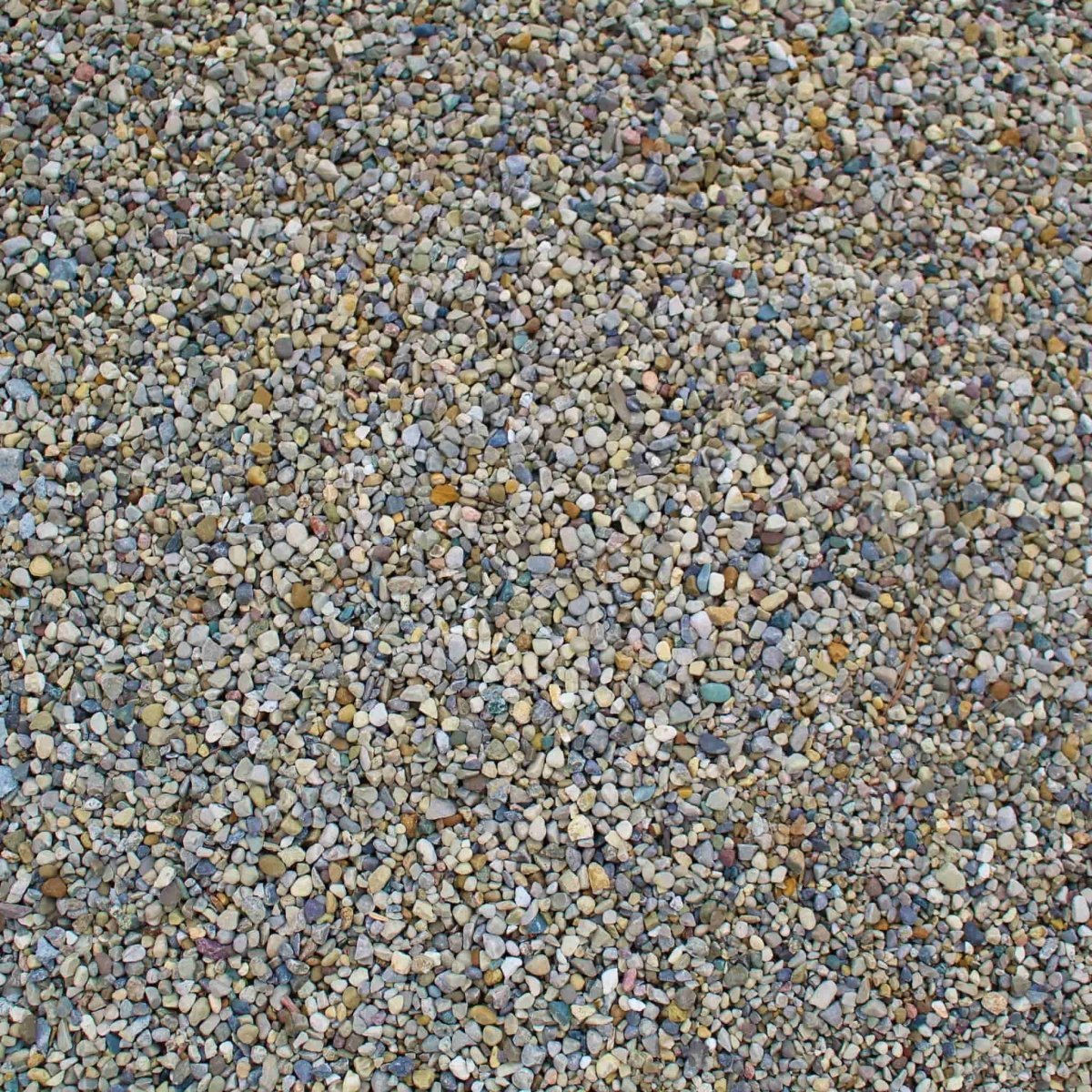
Smooth, rounded pea gravel suits Michigan's clay-heavy soils well, allowing water to move freely through garden beds and along foundations. Its warm earth tones complement the brick and wood-sided home styles common in this part of the state, making it a solid choice for patios, pathways, and decorative ground cover.
Complete Your Outdoor Stone Project
Stone borders and pathway material pair naturally with our hardwood mulch products, creating defined edges that keep mulch contained through Port Huron's rainy seasons. Consider adding a quality topsoil or garden mix beneath any planting areas adjacent to your stone work to give plants a nutritional foundation in Port Huron's lean sandy loam.



Service area
Areas we deliver stone and gravel in Port Huron, Michigan
Mulch Mound Pro Tip
Before laying stone in any Port Huron bed or pathway, install a quality woven landscape fabric rather than solid plastic sheeting under the material. Sandy loam is loose enough that stone will slowly sink into bare soil over multiple freeze-thaw seasons without a barrier in place, and woven fabric prevents that migration while still allowing water to pass through freely into the ground below. Plastic sheeting traps water and creates drainage problems in spring when snowmelt and rain have nowhere to drain.
Mulch Mound Pro Tip
If you are using stone to line a drainage swale or runoff channel in your Port Huron yard, match the stone size to the volume of water that will flow through it. Pea gravel handles gentle sheet flow from a small roof downspout without problems, but a drainage path that manages runoff from a significant roof area or slope needs a 1.5 to 2 inch stone that will not scatter when water moves through at speed. Properly sized stone keeps your swale functional through Port Huron's heavy spring runoff season without displacing material or eroding the channel edges.
Mulch Mound Pro Tip
For Port Huron properties near the lakeshore where wind-driven sandy particles and debris settle into stone beds through the winter months, an annual spring cleanup with a leaf blower on a low setting removes accumulated material before it mixes into the stone layer. Sandy loam particles carried in from bare areas gradually fill the voids between stones and create a soil layer that encourages weed germination in what was meant to be a low-maintenance bed. A quick cleanup each May keeps your stone looking fresh and weed-free through the entire growing season.
The Unique Landscape of Port Huron
Stone is one of the most practical and durable landscape materials for Port Huron properties precisely because of the conditions that make other materials challenging over time. With sandy loam soil that shifts noticeably through every freeze-thaw cycle and 34 inches of annual rainfall spread through the seasons, organic materials like wood chips and bark break down quickly in high-traffic areas, but properly placed stone stays functional through every season without replacement. Port Huron's proximity to Lake Huron means wind-driven erosion is a real concern for exposed beds and slopes, and a layer of stone provides lasting stability that mulch simply cannot match in those exposed situations. Decorative stone in low-maintenance landscape zones dramatically cuts the time spent on seasonal upkeep, a genuine advantage given how short the frost-free window is between late April and mid-October. Stone pathways and foundation borders handle foot traffic and surface runoff without washing away during heavy spring rains or the intense downpours that hit the lakeshore in summer. Whether you are managing drainage near the waterfront or building a permanent, low-upkeep landscape around a busy household, stone delivers permanence and function that works hard through every Port Huron season.