






Skip to product information
1 of 20
Portland Mulch Delivery

Portland Mulch Delivery

Portland Mulch Delivery

Regular price $49.00 per yard
Regular price Sale price $49.00
Sale Sold out
Color
Style
Minimum of 3

Figure square footage times depth. A standard Portland project on silty loam runs 2 to 3 inches for solid coverage.
Use our free mulch calculator

A yard is approximately 27 cubic feet. As a general guideline, one yard of material can cover an area of about 10 feet by 10 feet at a few inches deep.

View full details

How It Works

Getting started is easy — just follow these simple steps

1

Choose your Mulch

Make sure you adjust the quantity to your home's needs. You can use our calculator to estimate how much you'll need.

2

Select your delivery date

Select a delivery date you'd like for the product to be dropped off at your home

3

Sit back and wait

Sit back, wait, and let us work our magic to make sure the highest quality product is delivered to your driveway.

What Portland Customers Are Saying

4.9
out of 5 based on 99 reviews
Google Reviews

Calculate mulch for your Portland project

For Portland's Silty Loam type of soil, we recommend 2-3 inches for best weed suppression and moisture retention

Try Our Calculator
📍

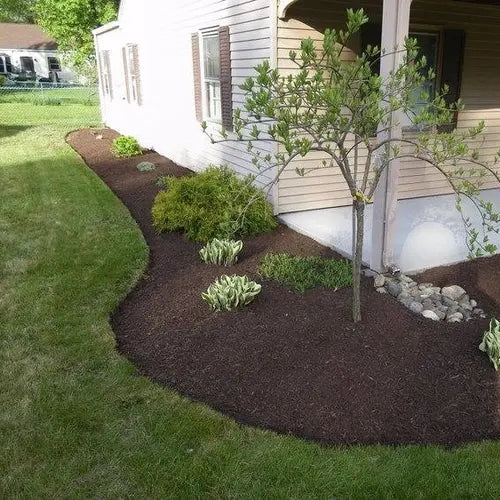
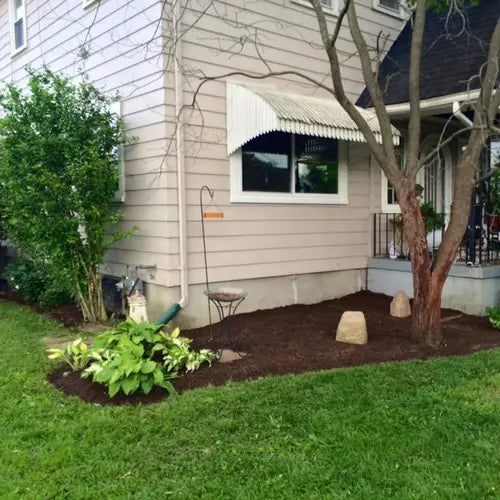
A 2-3 inch mulch depth handles most Portland yards well, enough to block weeds without smothering roots. Trace your beds with our satellite tool to estimate yardage before ordering. You can go thinner on fresh plantings or thicker in high-traffic areas.

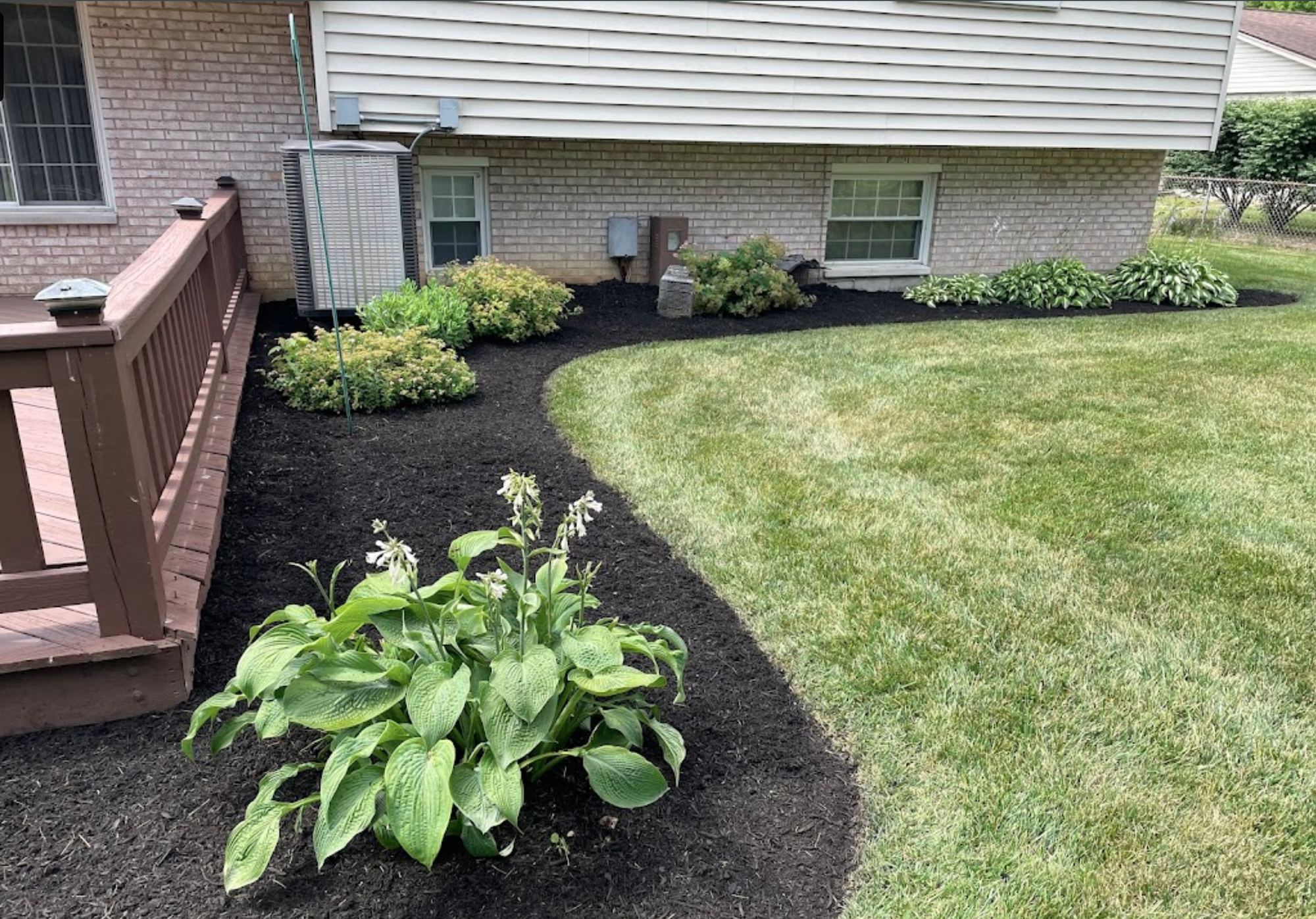
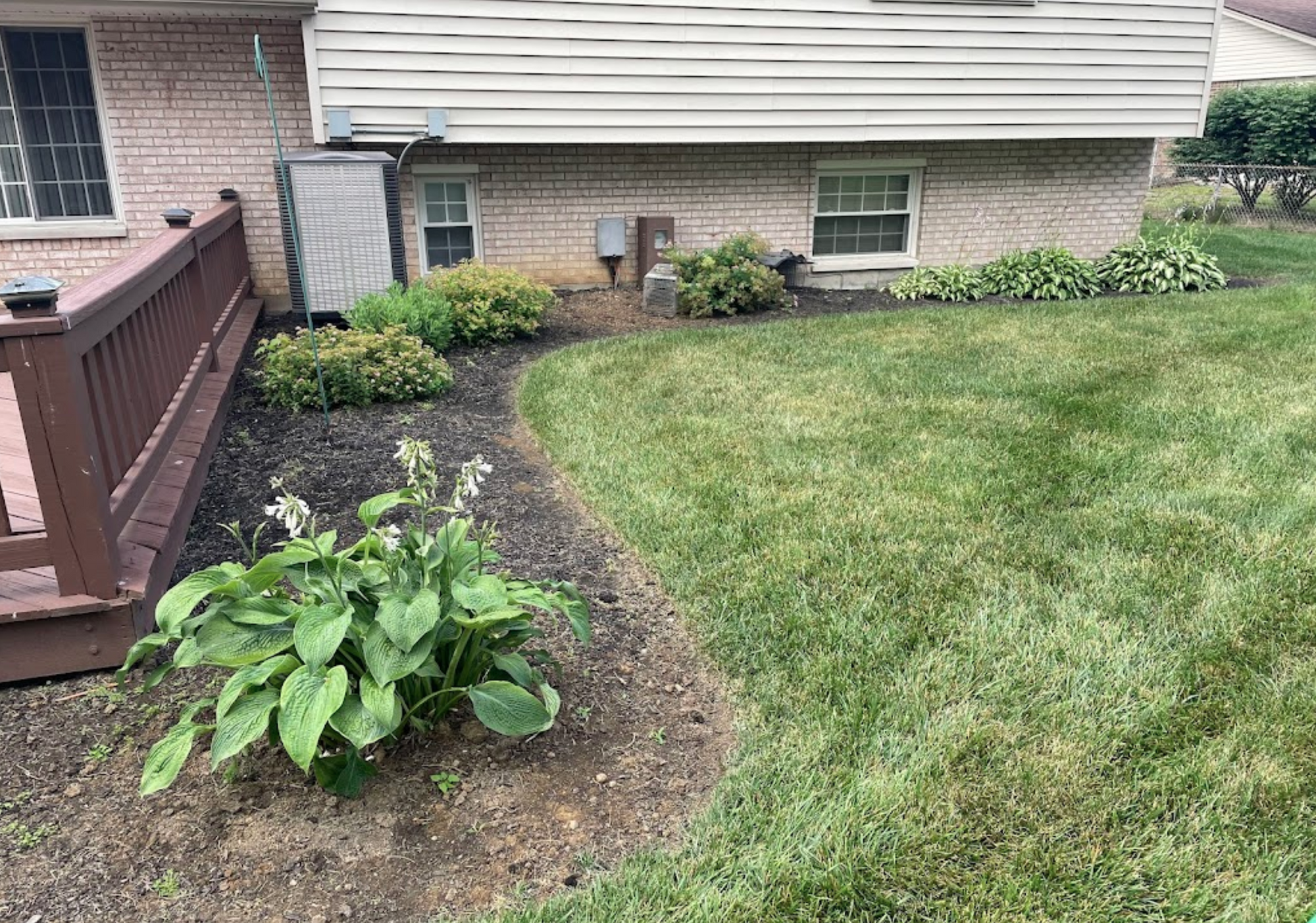
Mulch vs. No Mulch: The Difference

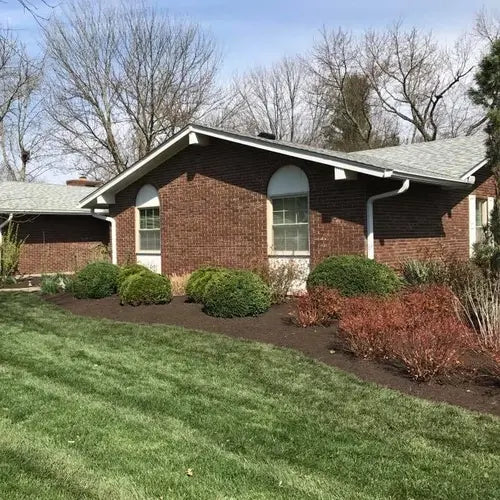
Nine months of steady drizzle keeps mulch constantly moist, which drives fast fungal activity and steady decomposition.

Before image
After image
Slider handle
Before
After

Complete Your Outdoor Mulch Project

Round out your Portland project with soil for planting prep and stone for borders and pathways. Each material plays a different role and they work best as a set.

Mulch Mound Pro Tip

Lay landscaping fabric under mulch only in paths and walkways, never in planting beds. Fabric blocks root expansion, traps moisture unevenly, and creates more problems than it solves around growing plants.

Mulch Mound Pro Tip

Blow or rake leaves off mulch beds in fall before they mat down. A thick leaf layer on top of mulch traps moisture and blocks airflow, creating conditions for mold and fungal problems through winter.

Mulch Mound Pro Tip

Mulch breaks down faster in wet climates than dry ones due to increased microbial activity. With 43 inches of annual rainfall, Portland beds typically need more frequent refreshing than gardens in arid regions.

Frequently Asked Questions

Click a question to see the answer

Answer

What type of mulch works best here?

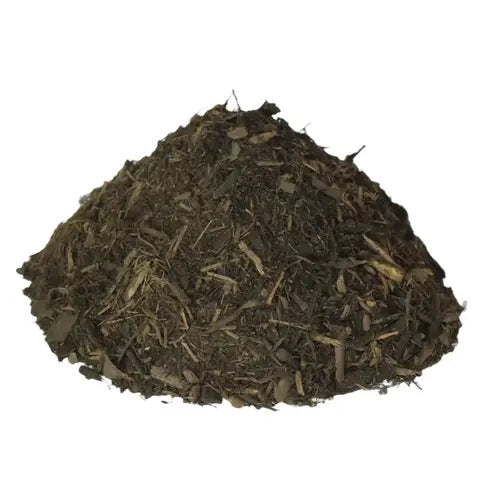
Given Portland's silty loam and marine conditions, natural hardwood is a dependable option. It feeds the soil as it breaks down.

Answer

What about pine straw vs hardwood?

Pine straw works well around acid-loving plants and drains faster than shredded hardwood. Hardwood breaks down slower and builds soil over time. Both work in Portland.

Answer

Do I need to remove old mulch first?

Not typically. Just rake the existing layer to loosen it, then top up. Remove only if you see mold or excessive depth beyond 4 inches.

Answer

How much mulch do I need?

One cubic yard covers roughly 100 square feet at 3 inches deep. Measure your beds, use our calculator, and add 10 percent extra. Nothing worse than running short.

Answer

Best mulch for new plantings?

Fine-shredded hardwood works well around new plants. Unlike raw wood chips, it won't compete for nitrogen. Two inches is a good starting depth.

Answer

Why is my mulch moldy?

Mold appears when mulch stays damp. Raking helps it dry out. In Portland, especially after rainy stretches, this is normal and not harmful to plants.

Answer

Will mulch wash away on slopes?

Double-shredded mulch stays put on slopes. With 43 inches of annual rain in Portland, avoid large chips on inclines.

The Unique Landscape of Portland

A good mulch layer does more than look sharp. Portland coastal weather swings can wear on beds and walkways without the right materials. In Portland, Oregon, consistent coverage suppresses weeds, steadies soil moisture, and insulates roots from temperature swings. Most beds need 2-3 inches. Natural hardwood works well for most applications; dyed options add strong visual contrast. Delivery saves time so you can focus on the actual work.