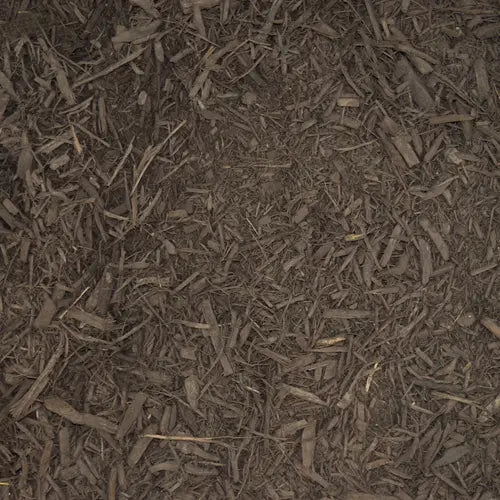
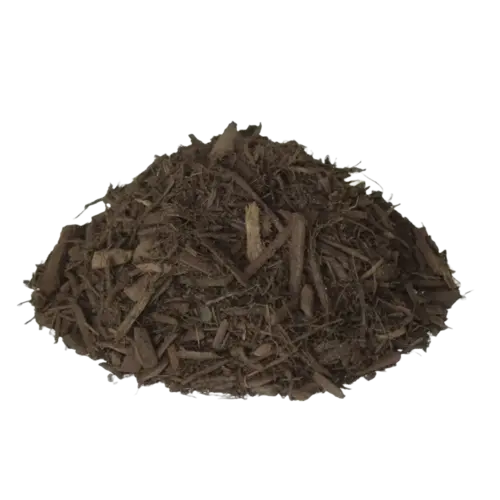
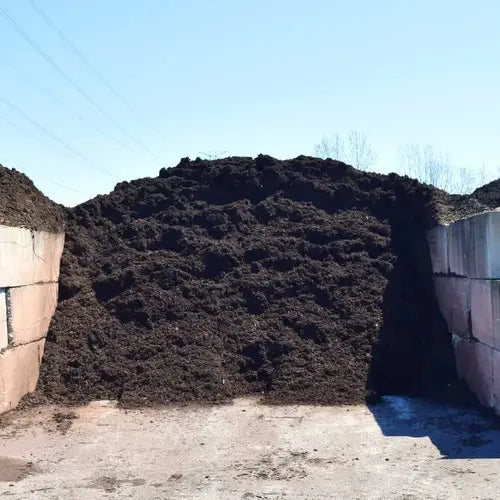
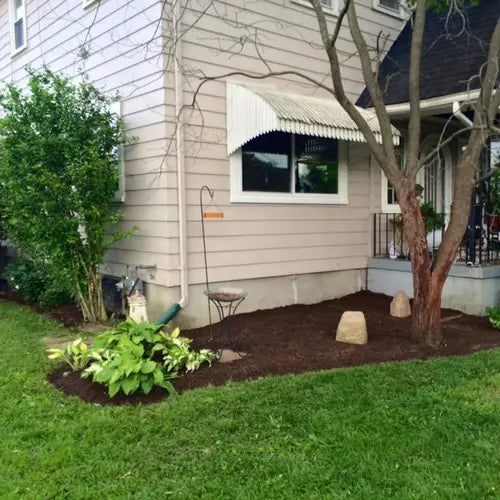
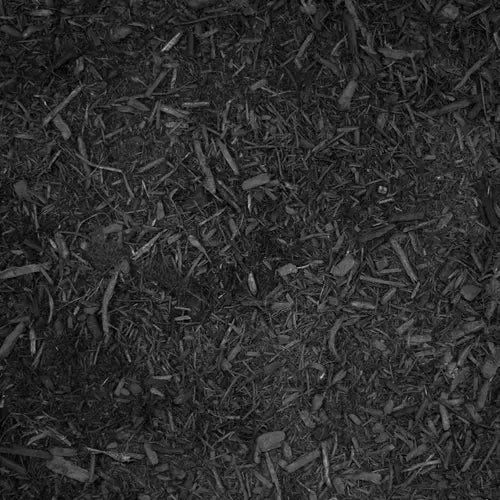
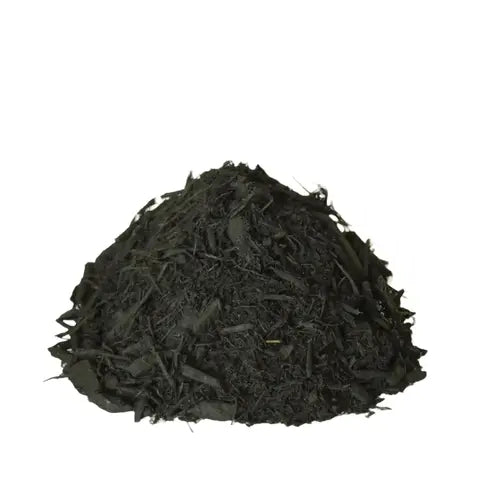
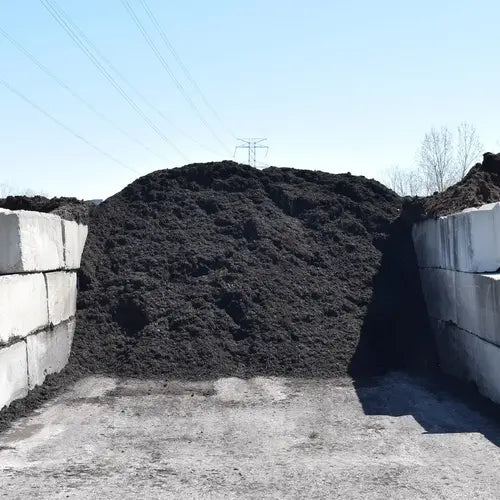
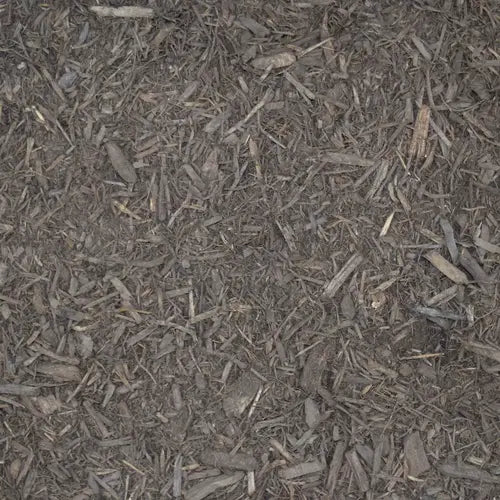
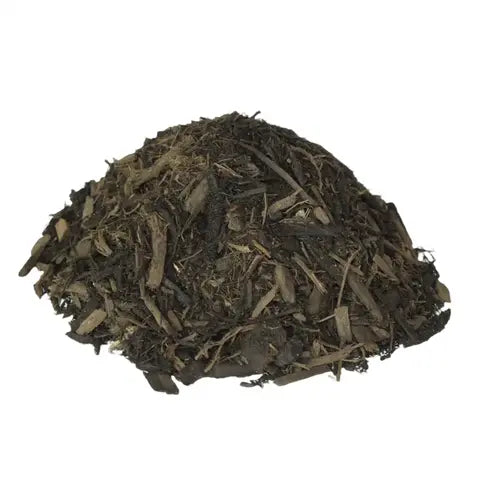
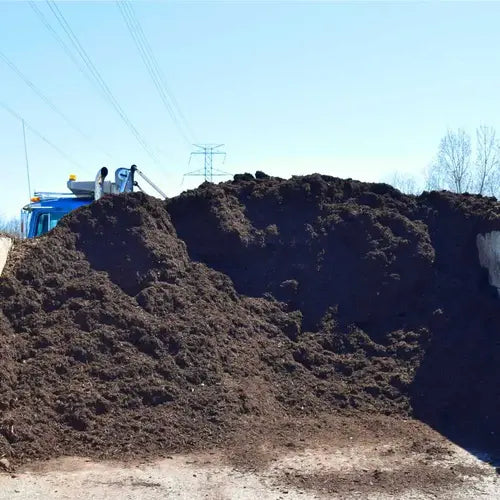
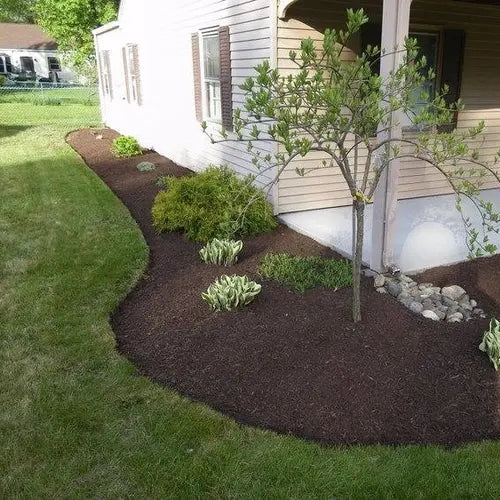
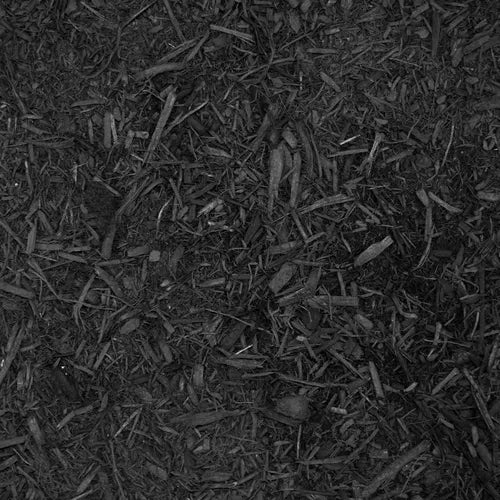
Warm brown double shredded mulch with lasting color that looks freshly applied for weeks. Spreads smooth, stays put, and gives beds a natural, polished appearance.
We needed mulch for our HOA common areas. Local providers were all holding high prices even for 40 yards of mulch. Mulch mound was easy to wowith & has great price for natural mulch + delivery schedule options. They called before delivery to ensure Delivery was exactly wher...
Tell us what you're looking for
Thanks! We received your request.
Something went wrong. Please try again.
How Much Material Do I Need?
For Portsmouth's heavy clay beds, 3 inches is the ideal mulch depth, deep enough to suppress weeds and insulate roots without suffocating drainage in slow-draining soil. For pathways or play areas, 4 inches of shredded hardwood provides comfortable cushioning and handles the regular foot traffic without wearing down too quickly.
Use our free mulch calculator
What is a yard?
A yard is approximately 27 cubic feet. As a general guideline, one yard of material can cover an area of about 100-160 square feet at a 2-3 inch depth.
We can't take orders for this right now. Tell us what you need and we'll get back to you.
What do you need?
Thanks! We received your request.
Something went wrong. Please try again.
Hand-picked local yards
4,000+ regional deliveries
Dedicated support
Why order through Mulch Mound
The best local mulch, without the guesswork.
We hand-pick and partner with the best yards in your region, keep only the ones our buyers rate well, and back each load with our guarantee.
Mulch Mound Guarantee
If your mulch isn't the quantity or quality you ordered, we'll make it right.
About this mulch
Warm brown double shredded mulch with lasting color that looks freshly applied for weeks. Spreads smooth, stays put, and gives beds a natural, polished appearance.
We needed mulch for our HOA common areas. Local providers were all holding high prices even for 40 yards of mulch. Mulch mound was easy to wowith & has great price for natural mulch + delivery schedule options. They called before delivery to ensure Delivery was exactly wher...
How Much Material Do I Need?
For Portsmouth's heavy clay beds, 3 inches is the ideal mulch depth, deep enough to suppress weeds and insulate roots without suffocating drainage in slow-draining soil. For pathways or play areas, 4 inches of shredded hardwood provides comfortable cushioning and handles the regular foot traffic without wearing down too quickly.
Use our free mulch calculator
What is a yard?
A yard is approximately 27 cubic feet. As a general guideline, one yard of material can cover an area of about 100-160 square feet at a 2-3 inch depth.
We needed mulch for our HOA common areas. Local providers were all holding high prices even for 40 yards of mulch. Mulch mound was easy to wowith...
Read full review
We needed mulch for our HOA common areas. Local providers were all holding high prices even for 40 yards of mulch. Mulch mound was easy to wowith & has great price for natural mulch + delivery schedule options. They called before delivery to ensure Delivery was exactly where we wanted it.
Delivery was on time and great quality Mulch. Got it done in a reasonable time and yard looks great. Couldn’t be happier!!! Thank you and will us...
Read full review
Delivery was on time and great quality Mulch. Got it done in a reasonable time and yard looks great. Couldn’t be happier!!! Thank you and will use again!!
Mulch Mound delivered a yard of pea gravel to us. Delivery was on time, driver was friendly and hit a bullseye on the “tarp target”. We used the ...
Read full review
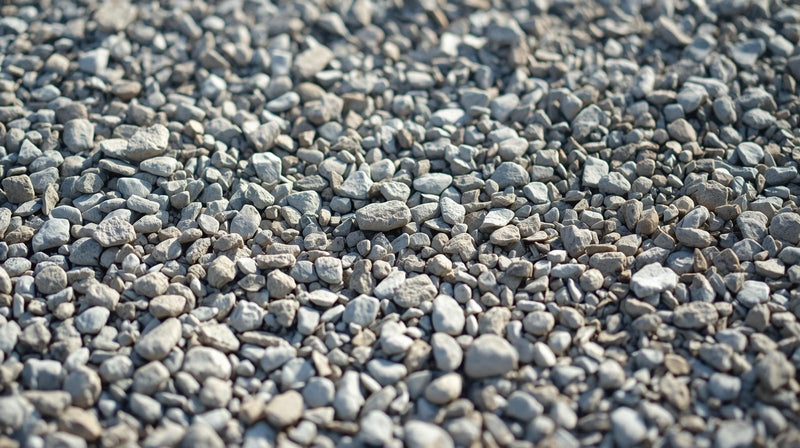
Mulch Mound delivered a yard of pea gravel to us. Delivery was on time, driver was friendly and hit a bullseye on the “tarp target”. We used the pea gravel (which was diameter as specified) to fill several muskrat holes around our pond. I would definitely recommend Mulch Mound to a friend!
To calculate how much mulch you need, measure the length and width of each bed in feet and multiply those numbers together to get square footage, then divide by 100 to find the cubic yards needed for a 3-inch depth. In Portsmouth, where clay soil sits just beneath the surface, accurate depth matters because going too thick traps moisture in already slow-draining ground and going too thin leaves roots exposed to temperature swings. Add up all your bed areas and round up to the nearest half yard so you have enough to cover edges and any irregular shapes.
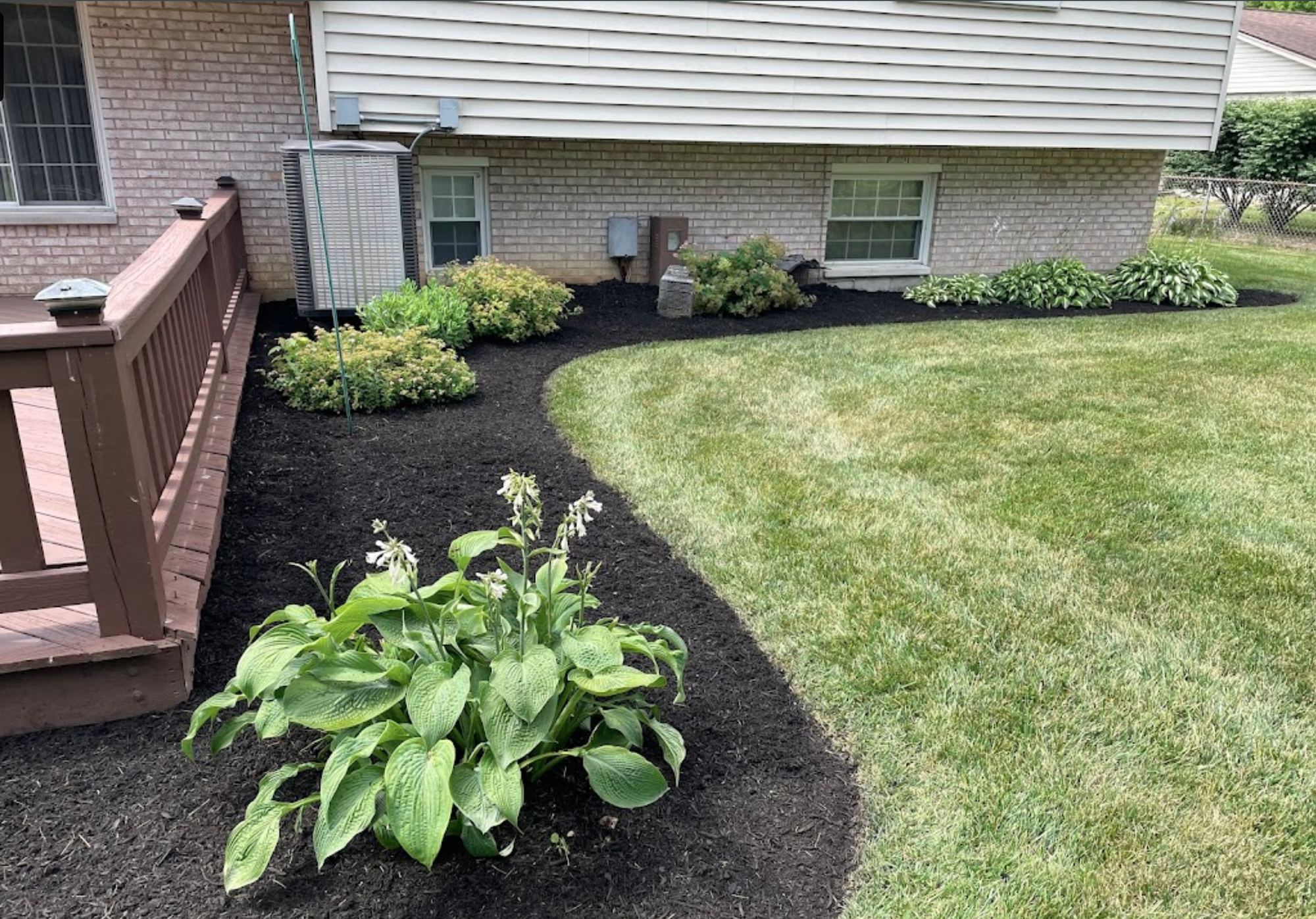
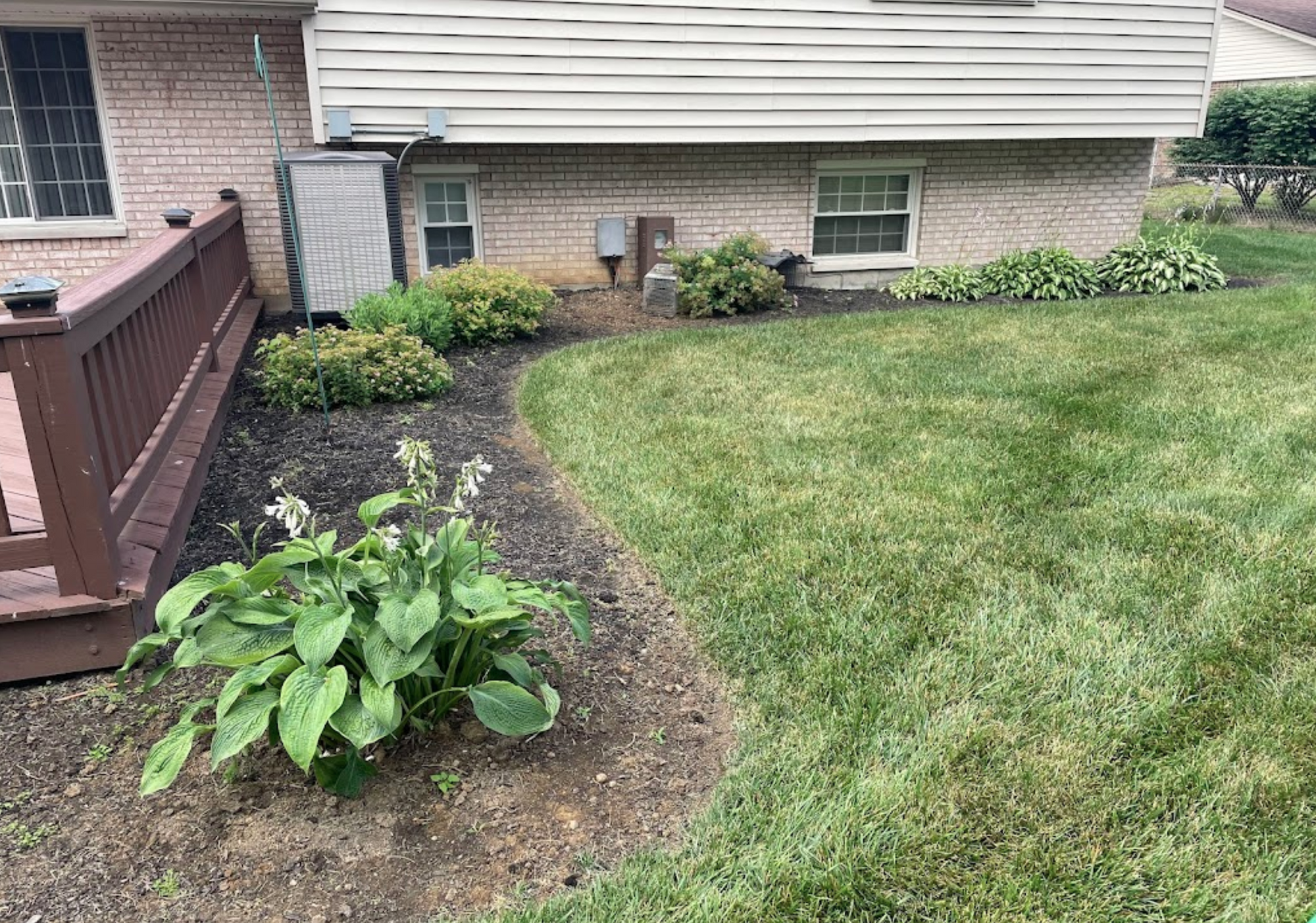
Mulch vs. No Mulch: The Difference
Portsmouth's wet springs and warm, humid summers accelerate the breakdown of natural hardwood mulch, which actually benefits your clay soil by adding organic matter as it decomposes through the growing season. Dyed hardwood mulch breaks down at roughly the same rate but prioritizes color consistency for homeowners focused on curb appeal through the long zone 6b growing window. Both options perform well here, but natural mulch does double duty as a slow soil amendment for beds struggling with clay compaction.
Before
After
Best Mulch Choice for Portsmouth Lawns
Most yards in the Portsmouth area sit on Heavy Clay type of soil. Portsmouth's heavy clay soil resists water absorption and becomes brick-hard when dry, creating difficult conditions for shallow plant roots trying to spread and access nutrients through the bed.
Hardwood Mulch
Hardwood mulch applied consistently over clay beds in Portsmouth slowly releases decomposed organic material into the top soil layer, which loosens clay structure, improves water infiltration, and creates a more hospitable environment for root growth over multiple growing seasons.
Mulch Types We Deliver in Portsmouth
Mulch Mound delivers bulk mulch by the cubic yard to local properties, from small residential beds to larger landscape projects. Whether you are searching for bulk mulch delivery in Portsmouth or simply refreshing tired beds before the summer heat sets in, we carry the varieties that hold up in southern Ohio's humid climate. Order by the yard and skip the bagged-mulch runs entirely.
Dyed Black Mulch
Available in double shredded style, dyed black mulch creates a sharp, high-contrast look that pairs well with the brick and craftsman-style homes common across this part of Ohio. The bold color resists fading through humid summers, keeping beds looking clean and well-maintained from spring planting straight through fall.
Dyed Brown Mulch
Dyed brown mulch comes in double shredded style and gives beds a warm, polished finish that blends naturally with Ohio's earthy landscape tones. The long-lasting color holds up through the region's wet spring weather, making it a great pick for homeowners who want tidy, low-maintenance beds all season.
Natural Brown Mulch
Natural brown mulch is double shredded and undyed, relying on the wood's own warm earthy tone rather than dye. It suits naturalistic yards and pairs well with native plantings or shade trees, and the clean texture spreads easily over the clay-heavy soil common throughout southern Ohio.
Complete Your Outdoor Mulch Project
If your beds are uneven or your clay soil needs a nutrient boost before mulching, our bulk topsoil blends can build up low spots and give new plantings a much better start in Portsmouth's zone 6b conditions. Adding decorative stone borders around your mulched beds defines edges cleanly and helps keep mulch from washing onto hardscapes during Portsmouth's heavier summer rain events.
Portsmouth's clay soil stays wet long into spring, which means mulching too early can trap cold moisture against warming plant roots and slow their seasonal start. Wait until the soil feels dry to the touch a couple of inches down, usually a week or two after the April 28 last frost date, before laying fresh mulch. This small timing adjustment gives your perennials and shrubs a faster and healthier entry into the growing season.
Mulch Mound Pro Tip
When top-dressing existing beds with fresh mulch in Portsmouth, take a few minutes to fluff and turn the bottom layer with a rake before adding new material on top. Compacted old mulch forms a dense mat that sheds water rather than absorbing it, which defeats the purpose of mulching over clay soil that already struggles with drainage. Loosening that layer first restores its ability to moderate moisture and encourages the earthworm activity that slowly improves your clay over time.
Mulch Mound Pro Tip
Portsmouth receives about 41 inches of rain per year and summer storms can be intense enough to displace thin mulch layers and wash material onto sidewalks and driveways. Applying a full 3-inch layer rather than a quick surface scattering gives mulch the weight and density it needs to stay in place through heavy downpours that roll through the Ohio Valley. Stone edging along bed borders also keeps mulch contained and your hardscapes cleaner after storms pass.
Frequently Asked Questions
Click a question to see the answer
Answer
How thick should I apply mulch over Portsmouth's heavy clay soil?
In Portsmouth we recommend applying mulch at a depth of 3 inches over clay beds. Clay already drains slowly, so going thicker than 3 inches can trap excess moisture against plant crowns and encourage rot, especially during our wetter spring months. Keep mulch pulled back an inch or two from stems and trunks to allow adequate airflow around the base of plants.
Answer
Will mulch help with the standing water I get in my beds after a heavy rain?
Mulch alone will not fix standing water caused by compacted Portsmouth clay, but it does reduce surface crusting and slow runoff, giving water more time to percolate downward. For persistent ponding in Portsmouth yards, pairing mulch with an amendment like compost-rich topsoil will do more to improve drainage long-term. Stone drainage borders around bed edges can also redirect runoff away from planting areas during heavier storms.
Answer
When is the best time to mulch my beds in Portsmouth?
The best time to mulch in Portsmouth is after the last frost, which typically falls around April 28, once soil temperatures are consistently warming rather than swinging up and down. Applying too early traps cold air in the soil and delays root activity heading into the growing season. A second light top-dress in mid-October, just before the first frost around October 20, helps insulate roots through winter freeze-thaw cycles.
Answer
Does dyed mulch hold its color through Portsmouth's rainy summers?
Quality dyed hardwood mulch holds color reasonably well through Portsmouth's 41 inches of annual rainfall and typically stays vibrant for a full growing season. Prolonged direct sun exposure actually fades color faster than rain does. If you mulch in May you may notice some fading by late August, but a light fresh layer on top can restore the look without needing to remove the old material underneath.
Answer
How often do I need to replenish mulch given how much rain Portsmouth gets each year?
In Portsmouth's climate, plan on refreshing mulch once a year, usually in spring after the last frost clears. The combination of 41 inches of annual rain and freeze-thaw cycles through winter breaks down organic mulch faster than in drier climates further south or west. Rather than removing old mulch entirely, simply top-dress with 1 to 2 inches of fresh material to restore depth and keep the surface looking clean.
Answer
Is there a mulch that will actually improve my clay soil over time and not just sit on top?
Yes, natural hardwood mulch is the best choice for Portsmouth homeowners dealing with clay soil. As it decomposes through the season, it adds organic matter to the top layer of clay, gradually improving soil structure and drainage. This process is slow but meaningful, and over several seasons of consistent mulching you will notice beds becoming easier to work and less prone to that brick-hard summer compaction.
Answer
Will mulch protect my plants through Portsmouth's freeze-thaw winters?
Absolutely. Portsmouth sits at 538 feet in the Ohio Valley and the temperature swings between late fall and early spring cause repeated freeze-thaw cycles that heave shallow-rooted plants out of the ground. A 3-inch mulch layer acts as a thermal buffer, keeping soil temperature more stable and reducing the heaving that damages perennial roots and newly planted shrubs trying to establish before winter.
The Unique Landscape of Portsmouth
Portsmouth's heavy clay soil creates a frustrating cycle for homeowners, compacting under foot traffic and heavy rain into a crust that sheds water instead of absorbing it, which starves plant roots and encourages runoff. With 41 inches of annual rainfall spread across seasons that swing from humid summers to cold winters, unprotected beds erode quickly and weeds take hold fast. A consistent mulch layer breaks that cycle by insulating roots through the late April frost rebound and helping beds hold moisture through the hottest summer weeks. At 538 feet of elevation in the Ohio Valley, Portsmouth also experiences freeze-thaw cycles that heave plant crowns out of the ground, and mulch provides the thermal buffer that keeps soil temperatures stable. Mulching with the right material here is not just cosmetic, it is a practical defense against the specific pressures Portsmouth landscapes face every single season.