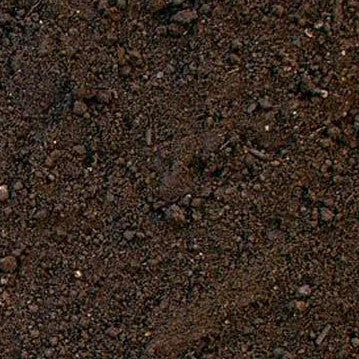
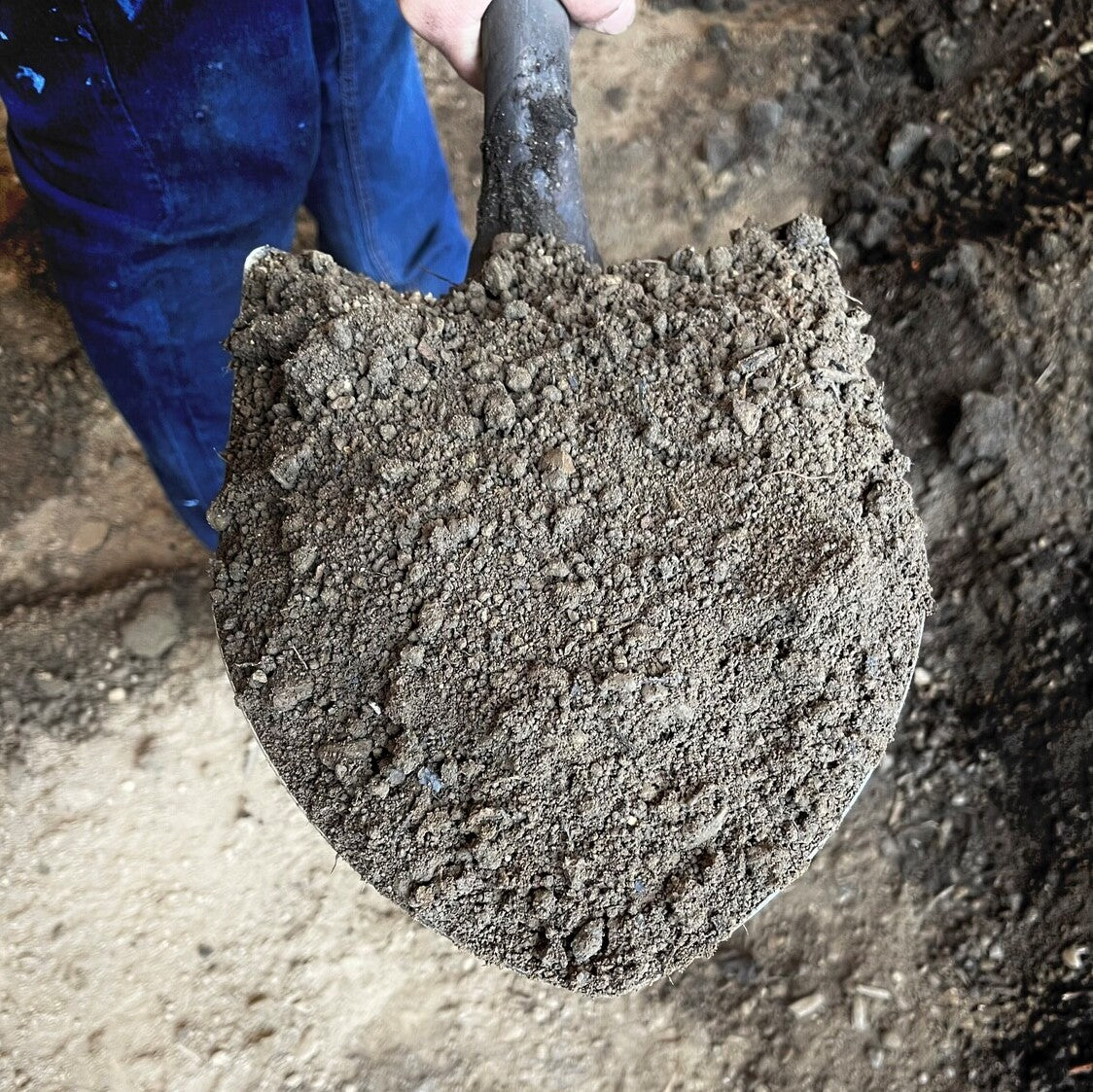
Quality topsoil for lawns, gardens, and landscape projects. Nutrient rich and ready to support strong root development and healthy plant establishment.
My experience with Mulch Mound was great and super easy. I ordered two yards of screened topsoil and was able to get it delivered within 2 days. They came in my requested time frame (afternoon) and dropped it off where I asked on my driveway. The topsoil was exactly what was a...
Tell us what you're looking for
Thanks! We received your request.
Something went wrong. Please try again.
How Much Material Do I Need?
For new garden beds in Portsmouth, plan on 6 to 8 inches of quality soil to give roots room to grow above the heavy clay layer and access the nutrients they need through the full growing season. For lawn leveling and topdressing, 1 to 2 inches of screened topsoil spread evenly is sufficient for most yards dealing with minor settling and frost damage.
Use our free soil calculator
What is a yard?
A yard is approximately 27 cubic feet. As a general guideline, one yard of material can cover an area of about 100-160 square feet at a 2-3 inch depth.
We hand-pick and partner with the best yards in your region, keep only the ones our buyers rate well, and back each load with our guarantee.
Mulch Mound Guarantee
If your soil isn't the quantity or quality you ordered, we'll make it right.
About this soil
Quality topsoil for lawns, gardens, and landscape projects. Nutrient rich and ready to support strong root development and healthy plant establishment.
My experience with Mulch Mound was great and super easy. I ordered two yards of screened topsoil and was able to get it delivered within 2 days. They came in my requested time frame (afternoon) and dropped it off where I asked on my driveway. The topsoil was exactly what was a...
How Much Material Do I Need?
For new garden beds in Portsmouth, plan on 6 to 8 inches of quality soil to give roots room to grow above the heavy clay layer and access the nutrients they need through the full growing season. For lawn leveling and topdressing, 1 to 2 inches of screened topsoil spread evenly is sufficient for most yards dealing with minor settling and frost damage.
Use our free soil calculator
What is a yard?
A yard is approximately 27 cubic feet. As a general guideline, one yard of material can cover an area of about 100-160 square feet at a 2-3 inch depth.
My experience with Mulch Mound was great and super easy. I ordered two yards of screened topsoil and was able to get it delivered within 2 days. Th...
Read full review
My experience with Mulch Mound was great and super easy. I ordered two yards of screened topsoil and was able to get it delivered within 2 days. They came in my requested time frame (afternoon) and dropped it off where I asked on my driveway. The topsoil was exactly what was advertised, clean with no rocks or other debris. The price was reasonable. I plan to use them again in a couple weeks to order compost for my garden beds.
To estimate soil volume, measure the length and width of your project area in feet, then decide on your fill depth, typically 4 to 6 inches for bed building and 1 to 2 inches for lawn topdressing. Multiply length by width by your depth converted to a fraction of a foot, then divide by 27 to convert cubic feet into cubic yards. In Portsmouth, where clay hardpan sits close to the surface, it is worth adding a few extra inches of blended soil to create a meaningful buffer between roots and the compacted layer below.
Soil Types We Deliver in Portsmouth
Portsmouth homeowners and landscapers count on us for bulk topsoil by the yard in Portsmouth, delivered straight to your driveway or job site. Whether you are filling raised beds, grading a yard, or establishing a new lawn, we load and haul the cubic yardage you need. Ohio's hilly terrain and clay-heavy native ground make a quality delivered soil an easy upgrade for any planting project.
Screened Top Soil
Our screened top soil is run through a fine screen to remove rocks, clumps, and debris, leaving a smooth, workable blend that spreads evenly and integrates well with Portsmouth's native clay base. It is nutrient rich and well suited for lawns, garden beds, and landscape grading where strong root development matters.
Complete Your Outdoor Soil Project
After filling and grading your beds with fresh soil, a layer of natural hardwood mulch locks in moisture and slows the rapid surface drying that Portsmouth's summer heat causes in freshly worked ground. If you are building bed borders or defining pathways around your new soil areas, crushed stone or river gravel adds a clean, low-maintenance edge that holds up through Portsmouth's rainy season without washing away.
What kind of soil should I use to build raised beds over Portsmouth's clay ground?
For raised beds over Portsmouth clay, you want a loose, well-draining blend with a healthy mix of topsoil, compost, and organic matter. Because Portsmouth clay underneath will eventually influence drainage in lower raised beds, building them at least 10 to 12 inches deep with a quality blended mix keeps roots in good growing conditions and well above the compacted native layer below.
Answer
Will adding bulk topsoil fix the drainage problems in my Portsmouth yard?
Bulk topsoil helps when used for grading and sloping yard surfaces so water flows away from foundations and low spots rather than pooling after rain. However, spreading topsoil directly on top of heavy Portsmouth clay without grading first can create a layer that holds water above the clay and actually causes worse pooling. The most effective approach is proper grading combined with a blended soil that has compost content to ease the transition between layers.
Answer
When is the best time to prep garden beds with new soil in Portsmouth?
The ideal window for soil prep in Portsmouth is mid-April through early May, once the last frost around April 28 has passed and the ground is workable but not yet fully dried out. Amending or filling beds in spring gives plants the entire growing season to establish roots before the first frost hits around October 20. Avoid working clay-heavy native soil when it is overly wet, as it compacts further under foot pressure and undoes the work you are trying to accomplish.
Answer
How much soil do I need to level a lawn with low spots here in Portsmouth?
For lawn leveling in Portsmouth, a top-dress of 1 to 2 inches of screened topsoil is usually enough for minor depressions. Spread it evenly, work it gently into the grass with the back of a rake, and water it in well to help it settle. For significant low spots or areas that hold standing water after rain, you may need 4 to 6 inches of fill graded properly before resodding or reseeding.
Answer
Can I use bulk soil to improve my existing clay beds without completely starting over?
Yes. The most practical approach for Portsmouth homeowners is to till the top 6 inches of existing clay and blend in several inches of quality topsoil or compost-rich garden mix. This creates a transitional layer that drains better than pure clay while still anchoring deeper roots into the native soil below. Over a couple of seasons, continued organic matter addition keeps improving the clay structure beneath your planting layer.
Answer
What is the difference between topsoil and a garden mix, and which one does Portsmouth actually need?
Screened topsoil is a general-purpose fill and grading material with moderate organic content, good for lawn leveling and filling low areas throughout your yard. A garden mix or planting mix contains higher levels of compost and organic material, making it better suited for vegetable beds, flower borders, and any area where you want plants to actively grow and produce through Portsmouth's growing season. Given Portsmouth's clay challenges, a garden mix is the better choice anywhere you want vigorous root growth and strong plant performance.
Answer
Is bulk soil good for filling in areas damaged by frost heave over Portsmouth winters?
Yes. Portsmouth's freeze-thaw cycles between fall and spring can leave lawns and garden borders uneven, with heaved sections and sunken spots that look rough by March. A light topdressing of screened topsoil in spring, after the ground has fully thawed and the last frost has passed around April 28, levels those areas back out without major disruption. Work it in lightly with a rake and overseed bare patches to restore turf coverage before summer growth takes off.
Mulch Mound Pro Tip
Portsmouth clay compacts significantly during wet periods, and working in or around freshly delivered soil when the ground is saturated does more harm than good to your project. Let the area dry for a day or two after heavy rain before grading or tilling so you avoid creating dense compaction layers that restrict root growth for the entire season ahead. A little patience here saves you from having to redo the work a season later.
Mulch Mound Pro Tip
When filling raised beds in Portsmouth, layer your soil mix rather than dumping everything in at once. Start with a coarser base material in the bottom third to aid drainage above the clay subsoil, then fill the upper two-thirds with your richer planting mix where roots will actively grow and feed. This layering approach gives plants both drainage and nutrition without blending the two into a single dense layer that compacts over time.
Mulch Mound Pro Tip
Portsmouth's growing season runs from late April through mid-October, giving you roughly 175 days to work with before the first frost arrives around October 20. Getting fresh soil into garden beds by early May means plants have the full warm season to develop deep root systems in good growing conditions. Delaying bed prep into June costs you prime growing weeks that Portsmouth's zone 6b climate does not give back easily once the calendar moves on.
The Unique Landscape of Portsmouth
Portsmouth's native soil is predominantly heavy clay and it presents real challenges for anyone trying to grow a healthy lawn, establish productive garden beds, or level a yard after a rough winter. Clay soil in Portsmouth compacts easily, drains poorly after the region's 41 inches of annual rain, and bakes into a hard crust during summer dry spells that follow wet spring months. Imported topsoil or a blended garden mix gives homeowners the ability to create a better growing environment without waiting years for native clay to naturally improve on its own. Whether you are building raised beds, grading a slope, or filling ruts left by winter freeze-thaw cycles, quality bulk soil is the fastest way to give plants the loose, nutrient-rich root zone they need in zone 6b conditions. Portsmouth's growing season runs from late April through mid-October, and getting beds built and amended early in that window means more productive plants throughout the entire season.