About this stone

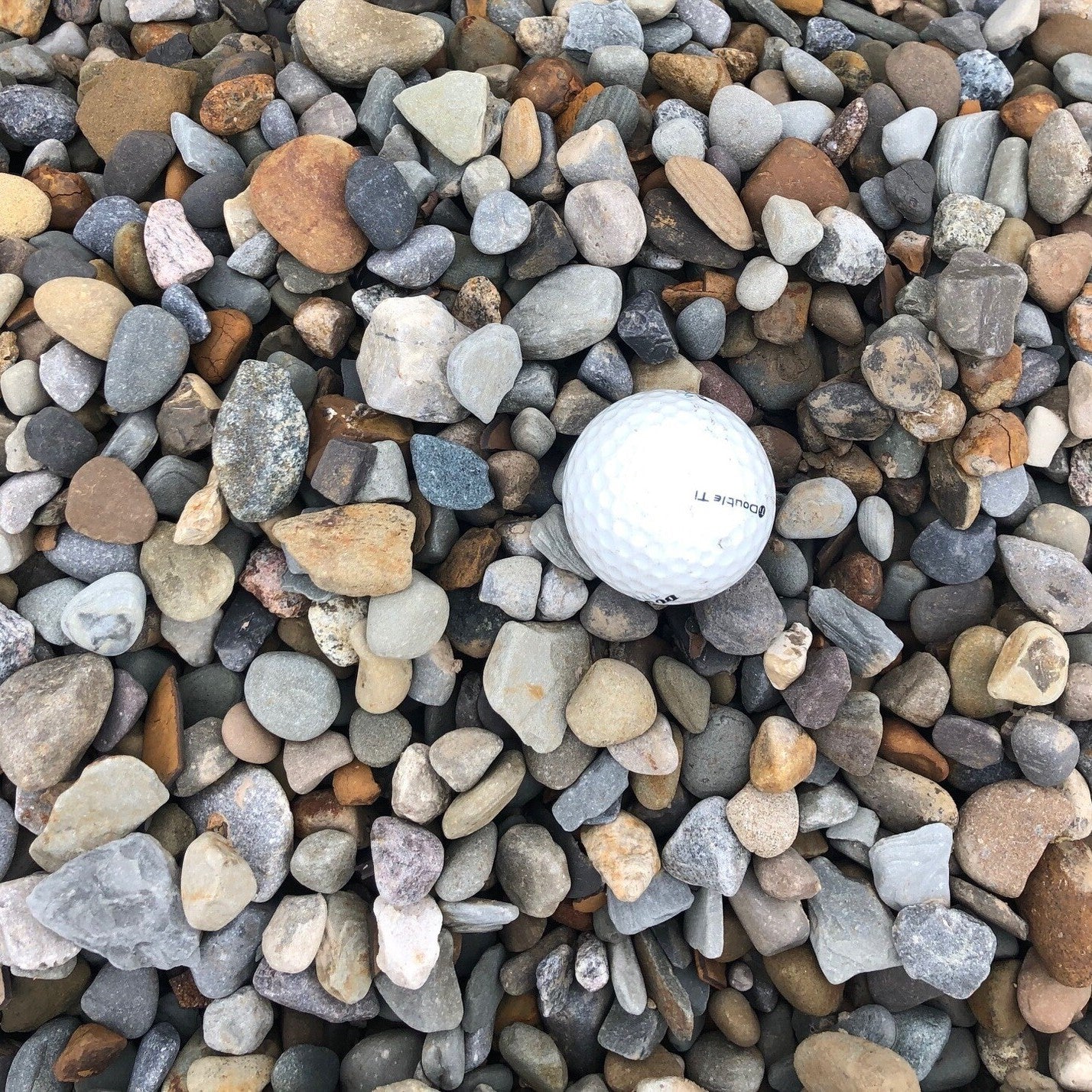
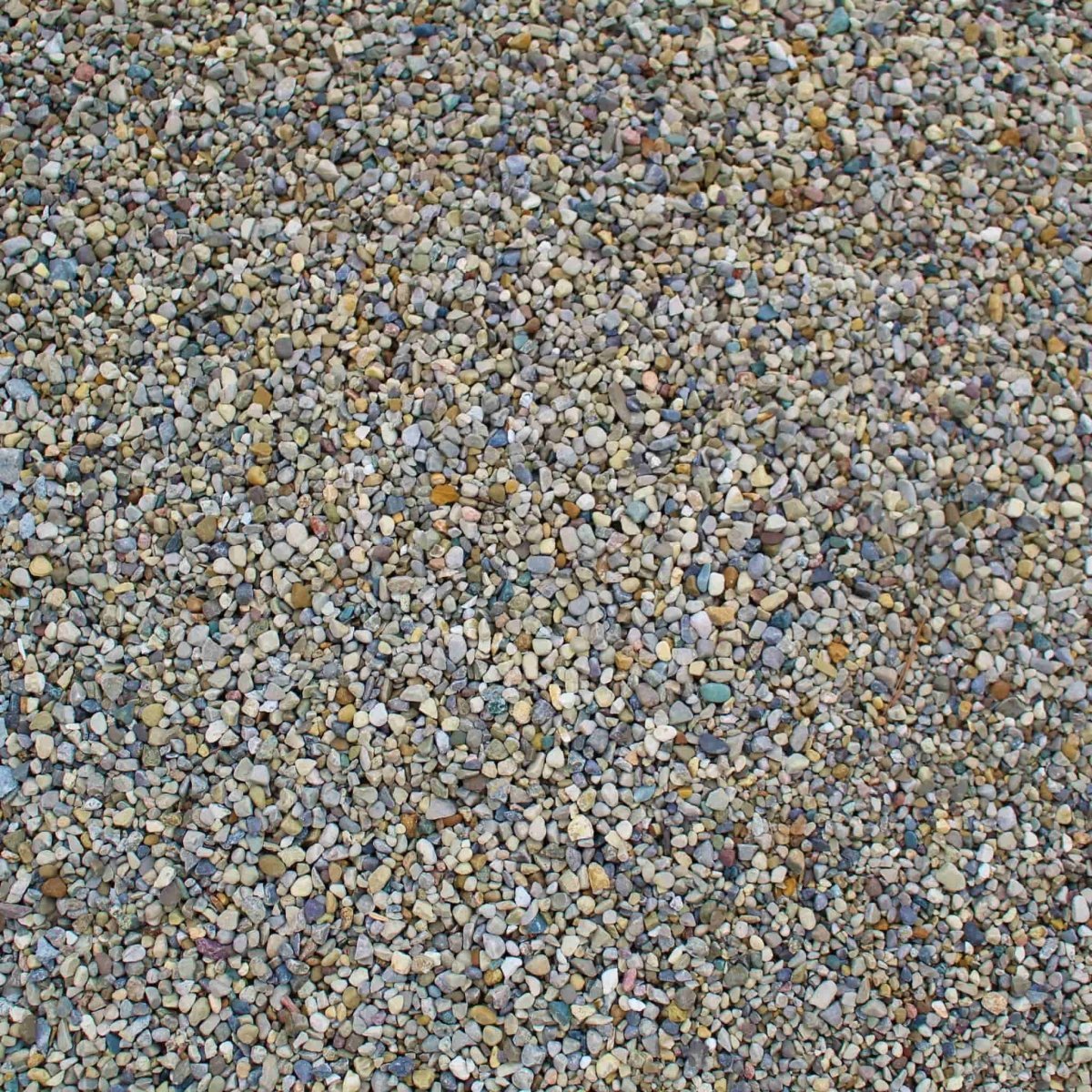
Classic pea gravel with smooth, rounded edges and natural earth tones. A versatile favorite for pathways, patios, drainage, and decorative ground cover.

Super easy to order the rocks. They showed up on time, dumped right where I said, and everything worked great.

Portsmouth Stone Delivery

Portsmouth Stone Delivery

4.7
137 reviews
Regular price $87.00 per yard
Regular price Sale price $87.00
Sale Sold out
Type
Size
Minimum of 3
1 tree planted for every order

About this stone

Classic pea gravel with smooth, rounded edges and natural earth tones. A versatile favorite for pathways, patios, drainage, and decorative ground cover.

Super easy to order the rocks. They showed up on time, dumped right where I said, and everything worked great.

For decorative ground cover and garden borders in Portsmouth, a 3-inch layer of stone provides solid weed suppression and attractive coverage that holds up through the wet season. For drainage applications along foundations or in low spots where water collects, increase the depth to 4 to 6 inches to allow water to move freely through the stone layer above the clay base below.
Use our free stone calculator

A yard is approximately 27 cubic feet. As a general guideline, one yard of material can cover an area of about 100-160 square feet at a 2-3 inch depth.

View full details

How It Works

Getting started is easy — just follow these simple steps

1

Choose your stone

Make sure you adjust the quantity to your home's needs. You can use our calculator to estimate how much you'll need.

2

Select your delivery date

Select a delivery date you'd like for the product to be dropped off at your home

3

Sit back and wait

Sit back, wait, and let us work our magic to make sure the highest quality product is delivered to your driveway.

From The Mouths of Portsmouth Folks

4.7
out of 5 based on 137 reviews
Google Reviews

Need Help Calculating How Much Stone & Gravel You Need?

Use our NEW Trace from Satellite tool to get an estimate for your project based on an aerial view of your property

Try Our Calculator
📍

To estimate stone for your Portsmouth project, measure the area in square feet by multiplying length by width, then decide on your depth, typically 3 inches for decorative coverage and 4 to 6 inches for drainage or pathway base layers. Divide your square footage by 100 for a 3-inch depth to get approximate cubic yards needed. Because Portsmouth clay settles and shifts through freeze-thaw cycles, plan to have 10 to 15 percent extra material on hand for seasonal touch-ups and replenishment.

Complete Your Outdoor Stone Project

Pair your stone project with a layer of quality topsoil in adjacent garden beds to build up planting areas and redirect water flow away from the trouble spots your stone is addressing. Adding natural hardwood mulch to bordered planting beds next to your stone pathways or drainage areas ties the landscape together visually while addressing Portsmouth's soil and moisture challenges in every zone of your yard.

Map of Portsmouth, Ohio

Areas We Deliver Stone & Gravel in Portsmouth, Ohio

No cities found for this region.

See All Locations
Mulch Mound Pro Tip

Portsmouth's freeze-thaw cycles between fall and spring can push stone out of position, particularly in pathways and along bed edges where the ground moves repeatedly through the colder months. Angular crushed stone locks together far better than smooth river rock in high-traffic or sloped areas and resettles more predictably after winter movement stops. Reserve smoother decorative stone for flat, low-traffic areas where aesthetics matter more than stability under foot.

Mulch Mound Pro Tip

When installing stone over Portsmouth clay, never skip landscape fabric beneath your material. Clay has a slow but persistent tendency to absorb and swallow stone placed directly on top of it, especially in areas that see regular moisture from Portsmouth's 41 inches of annual rain. A quality non-woven landscape fabric creates a barrier that keeps your stone layer separate from the clay below and dramatically extends how long your installation stays looking clean and level.

Mulch Mound Pro Tip

In Portsmouth, stone drainage borders around downspouts and along foundation walls take a lot of abuse from concentrated roof runoff during heavy storms that move through the Ohio Valley. Using a slightly larger stone size, 1 to 1.5 inches rather than fine pea gravel, in these high-flow zones keeps material from washing away during intense rain events. Check and replenish these areas each spring after the last frost to maintain effective drainage heading into the wet summer season.

The Unique Landscape of Portsmouth

Stone is one of the most practical landscaping materials available for Portsmouth homeowners dealing with heavy clay soil and 41 inches of annual rainfall hitting the Ohio Valley every year. Clay soil shifts, erodes, and becomes slippery when wet, and ground cover solutions that work in drier regions often fail here where moisture is a constant factor. Crushed stone and gravel create stable, permeable surfaces that let rainwater drain through rather than pool on top, which is a direct solution to Portsmouth's most common yard drainage challenges. Stone also requires zero maintenance compared to mulch or sod, and it does not decompose or wash away in the heavy summer storms that move through the region. Whether you are building a pathway, protecting a foundation border, managing a slope, or creating a low-maintenance zone in a shaded area where grass refuses to grow, bulk stone is a durable and attractive solution built specifically for Portsmouth's demanding landscape conditions.

Frequently Asked Questions

Click a question to see the answer

Answer

What type of stone works best for backyard pathways in Portsmouth's wet climate?

For pathways in Portsmouth, crushed limestone or compacted gravel in the 3/4-inch size is the most practical choice available. It packs down firmly underfoot, drains quickly after rain, and does not shift as much as rounded pea gravel sitting on a clay base. Laying it over a 4-inch compacted base and landscape fabric helps prevent the clay underneath from slowly swallowing the stone over multiple seasons.

Answer

Will stone help with the muddy low spots that form in my Portsmouth yard after rain?

Stone is one of the best solutions for chronic muddy areas in Portsmouth yards where clay holds water at the surface. A 4 to 6 inch layer of crushed stone in consistently wet zones creates a permeable surface that supports foot traffic and allows water to drain rather than sit and collect. Pairing stone with a French drain or grading adjustment beneath it makes the fix even more permanent and effective for the long term.

Answer

How do I keep stone from sinking into Portsmouth's clay soil over time?

Portsmouth clay is known for slowly absorbing stone placed directly on top of it, especially in areas with heavy foot traffic or freeze-thaw movement through winter and spring. The best prevention is installing a layer of landscape fabric between the clay base and your stone before spreading any material. For pathways and driveways, a 4-inch compacted gravel base laid before the decorative or finish stone adds stability and slows the settling process significantly.

Answer

What stone is best for improving drainage around my home's foundation here in Portsmouth?

For foundation drainage borders in Portsmouth, washed river gravel or clean crushed stone in the 3/4 to 1.5-inch range works best for moving water away effectively. These sizes allow water to move freely down through the stone and away from your foundation rather than pooling against it through the wet season. Avoid fine or sandy materials in this application, as they tend to compact and hold moisture near the foundation, which is the opposite of what you want on Portsmouth's clay-heavy lots.

Answer

Can I use decorative stone in areas where grass never seems to grow in my Portsmouth yard?

Absolutely. Shaded areas under large trees and dry strips along fences are common problem spots in Portsmouth where turf grass simply struggles to establish and stay healthy. A 3-inch layer of decorative stone over landscape fabric in those areas gives you a clean, finished look without the ongoing frustration of trying to grow grass in unfavorable conditions. River rock and pea gravel both work well aesthetically and require nothing beyond an occasional rinse to keep looking fresh.

Answer

How much stone do I need for a typical Portsmouth driveway border or garden edge?

For a decorative border or garden edge in Portsmouth, a 3-inch deep layer of stone is a solid starting point that gives good coverage and weed suppression. Measure the length of your border and the desired width in feet, multiply those numbers together, and divide by 100 to estimate cubic yards at a 3-inch depth. Because Portsmouth clay can settle unevenly under stone through freeze-thaw cycles, ordering a little extra to replenish thin spots after the first winter is a smart move.

Answer

Does stone help control erosion on sloped areas of my Portsmouth yard?

Yes, and this is one of the best uses of bulk stone for Portsmouth homeowners with any grade change in their yard. Clay slopes become extremely slippery and erode quickly during the heavy rains that move through the Ohio Valley each year. A 4-inch layer of angular crushed stone on a slope locks into itself and slows surface water flow, reducing erosion significantly. Larger riprap or river rock is even more effective on steeper grades where water moves with greater force during intense storms.
