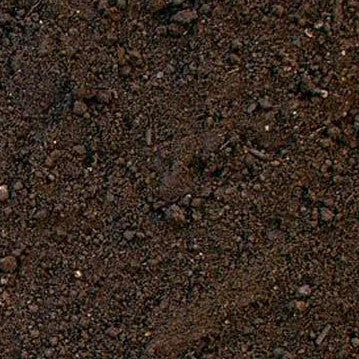
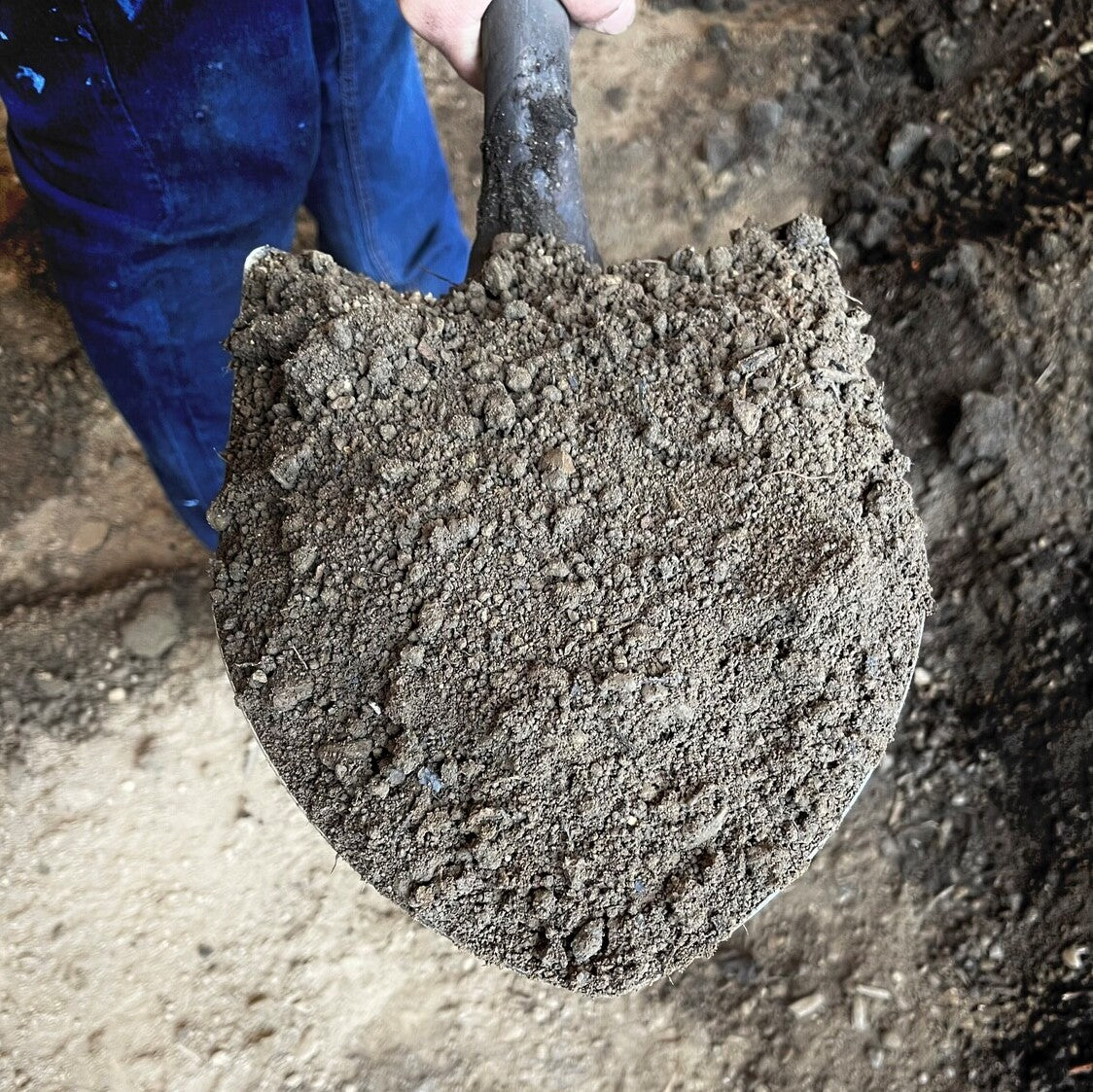
Quality topsoil for lawns, gardens, and landscape projects. Nutrient rich and ready to support strong root development and healthy plant establishment.
The website was intuitive and easy to navigate. The material was delivered the date and time it was scheduled, it was dropped off in the area i had specified on top of my tarp with no issues.
I ordered soil, the Gardening Blend that I received had too many plastic and m...
Tell us what you're looking for
Thanks! We received your request.
Something went wrong. Please try again.
How Much Material Do I Need?
For new planting beds in Post Falls, a minimum of 6 inches of quality topsoil gives roots enough loose material to establish before they encounter the compacted native silt loam below. For lawn topdressing, apply no more than half an inch per pass to avoid smothering existing turf and creating a buried layer that restricts water movement.
Use our free soil calculator
What is a yard?
A yard is approximately 27 cubic feet. As a general guideline, one yard of material can cover an area of about 100-160 square feet at a 2-3 inch depth.
We can't take orders for this right now. Tell us what you need and we'll get back to you.
What do you need?
Thanks! We received your request.
Something went wrong. Please try again.
Hand-picked local yards
4,000+ regional deliveries
Dedicated support
Why order through Mulch Mound
The best local soil, without the guesswork.
We hand-pick and partner with the best yards in your region, keep only the ones our buyers rate well, and back each load with our guarantee.
Mulch Mound Guarantee
If your soil isn't the quantity or quality you ordered, we'll make it right.
About this soil
Quality topsoil for lawns, gardens, and landscape projects. Nutrient rich and ready to support strong root development and healthy plant establishment.
The website was intuitive and easy to navigate. The material was delivered the date and time it was scheduled, it was dropped off in the area i had specified on top of my tarp with no issues.
I ordered soil, the Gardening Blend that I received had too many plastic and m...
How Much Material Do I Need?
For new planting beds in Post Falls, a minimum of 6 inches of quality topsoil gives roots enough loose material to establish before they encounter the compacted native silt loam below. For lawn topdressing, apply no more than half an inch per pass to avoid smothering existing turf and creating a buried layer that restricts water movement.
Use our free soil calculator
What is a yard?
A yard is approximately 27 cubic feet. As a general guideline, one yard of material can cover an area of about 100-160 square feet at a 2-3 inch depth.
The website was intuitive and easy to navigate. The material was delivered the date and time it was scheduled, it was dropped off in the area i had...
Read full review
The website was intuitive and easy to navigate. The material was delivered the date and time it was scheduled, it was dropped off in the area i had specified on top of my tarp with no issues.
I ordered soil, the Gardening Blend that I received had too many plastic and metal pieces for my liking thus lowering the score from a perfect 5/5 to a 4/5
Really appreciate the care and follow thru that this company had with our order. A hiccup came up but they were quick to respond and address all co...
Read full review
Really appreciate the care and follow thru that this company had with our order. A hiccup came up but they were quick to respond and address all concerns, which made our garden day a success! Thank you for your prompt care.
When estimating soil for Post Falls projects, account for the fact that bulk soil will settle 10 to 15 percent after a few rain events and watering cycles, particularly when placed over compacted native silt loam that absorbs moisture slowly at first. Order slightly more than your calculated volume to compensate for that settling, especially for raised beds where final depth matters for root development. Short-changing a bed by an inch at the start can limit plant performance across the entire growing season.
Soil Types We Deliver in Post Falls
Mulch Mound delivers bulk soil by the cubic yard directly to homes and job sites across Post Falls, Idaho. Whether you are filling raised beds, grading a yard, or starting a new lawn, having the right soil delivered saves time and effort. If you have been searching for bulk topsoil by the yard in Post Falls, we make it easy to get quality material right to your door.
Screened Top Soil
A clean, screened topsoil well suited to the sandy and rocky ground common in this part of northern Idaho. It blends into existing soil easily and supports strong root development for lawns, gardens, and new landscaping. Nutrient rich and free of large debris, it works well for leveling yards or building up planting beds around typical Post Falls homes.
Complete Your Outdoor Soil Project
Adding bulk mulch over freshly placed garden soil is one of the smartest finishing steps for Post Falls landscapes, locking in moisture and protecting that new soil investment through the summer dry period. Incorporating decorative stone edging around new soil beds also prevents material from migrating during Post Falls's heavier spring rain events.
Can I use bulk soil to improve the existing silt loam in my Post Falls yard?
Absolutely. Native Post Falls silt loam is a reasonable base but it benefits greatly from the addition of organic-rich topsoil, especially in compacted areas or spots where construction activity has stripped or buried the original topsoil layer. Tilling quality bulk topsoil into the existing native soil improves both drainage and nutrient availability. For planting beds, a 4 to 6 inch incorporation of amended topsoil makes a noticeable difference in how well plants establish during the roughly 146-day growing season between last and first frost.
Answer
What is the best approach to using bulk soil for a new raised garden bed in Post Falls?
Raised beds in Post Falls work well because they let you sidestep the native silt loam entirely in areas where drainage or compaction is a recurring problem. Fill raised beds with a blend that includes quality topsoil and plenty of organic material, which retains moisture during the dry July and August stretch when rainfall is scarce. Because Post Falls's last frost falls around May 12, raised beds also warm faster than in-ground soil in spring, giving you an earlier planting window by a week or more compared to direct ground planting.
Answer
My lawn has low spots that hold water after rain and snowmelt. How much soil do I need to level them?
For lawn leveling in Post Falls, topdressing with quality soil at a quarter to half inch depth per application is the gentle approach that allows existing grass to grow through the new material. For deeper depressions, it is better to remove the sod, add bulk soil to bring the grade up, tamp lightly, then re-lay or reseed. Most residential low spots in the area require between half a cubic yard and 2 cubic yards depending on the size and depth of the problem area.
Answer
When should I schedule soil delivery if I want to start a new garden in Post Falls this year?
Aim for delivery in mid to late April so you have time to build or fill your beds before the May 12 last frost window closes. If you order early and a late frost event hits your freshly filled beds, the soil itself handles it without damage. The more important timing is having your beds settled and ready so you can transplant seedlings right after the last frost date without scrambling to finish the infrastructure. Ordering one to two weeks before your target planting date gives you comfortable buffer.
Answer
Will bulk soil stay put on a sloped area in my yard, or will it wash away during spring rains?
Bare soil on slopes is vulnerable to erosion during Post Falls's concentrated spring rain events in April and May, especially over the fine-particle silt loam that does not bind quickly. On any slope steeper than about 10 percent, plan to cover freshly placed soil with erosion control netting, seed it immediately, or mulch over it right away to hold the material in place. For flatter areas or gentle grades, bulk soil settles and holds well once it receives a few waterings or natural rainfall to begin bonding with the native silt loam below.
Answer
How is bulk topsoil different from the silt loam that is already in my yard?
Native Post Falls silt loam is often low in organic matter, especially in yards where development has removed or buried the original topsoil layer during construction. Quality bulk topsoil typically has a higher organic content, better aggregate structure, and more active microbial life than compacted native ground or exposed subsoil. That translates to better water infiltration, easier root penetration, and more available nutrients for plants trying to establish themselves during a growing season that runs only about 146 days at this elevation.
Answer
How do I calculate how many cubic yards of soil I need for my Post Falls project?
Measure your project area in feet for both length and width, then decide on your target depth in inches. Multiply length by width by depth converted to feet, then divide by 27 to convert cubic feet into cubic yards. A 10 by 20 foot garden bed at 6 inches deep needs approximately 3.7 cubic yards. For lawn leveling, most Post Falls homeowners underestimate slightly, so rounding up by half a yard ensures you finish the job without running short partway through the project.
Mulch Mound Pro Tip
In Post Falls, schedule soil delivery and grading work before mid-October so the material has time to partially settle before the ground freezes for the season. Soil placed too late can shift noticeably during freeze-thaw cycles through winter, undoing grading work by the time spring arrives. If you miss that fall window and need to work in early spring, wait until the soil has thawed at least 6 inches deep before spreading, which typically happens in late March to early April at this elevation.
Mulch Mound Pro Tip
When filling raised beds in Post Falls, resist the urge to pack soil tightly when loading it into the frame. Silt loam-based mixes compact easily, and beds that start dense quickly become restrictive to root growth after the first few waterings. Fill loosely, water thoroughly, let the material settle naturally over a few days, then add more soil to reach your target grade. This two-step approach consistently produces a better final bed texture than trying to compact everything to the finished line in a single fill.
Mulch Mound Pro Tip
Post Falls lawns with low spots that collect water after spring snowmelt are often a grading problem rather than a soil quality problem. Before ordering bulk soil, observe where water sits after a good rain and trace the high point that is creating the pocket. Filling only the low spot without correcting the grade above it often just moves the problem a few feet. A modest amount of soil used to feather the grade over a broader area resolves drainage issues far more permanently than a concentrated fill in a single depression.
The Unique Landscape of Post Falls
Post Falls is built largely on Rathdrum Prairie silt loam, a soil that looks workable on the surface but compacts quickly under foot traffic, construction equipment, or repeated freeze-thaw cycles at this elevation. At 2,182 feet, the ground experiences meaningful frost heaving through winter, which can shift grading work done in fall and leave lawns and beds uneven by spring thaw. With a last frost around May 12, new lawn areas and garden beds established before that date risk cold damage to tender root zones in freshly amended soil that has not yet settled and warmed. Bringing in quality bulk soil allows Post Falls homeowners to control what goes into raised beds, lawn repairs, and grade corrections rather than relying entirely on native silt loam, which often lacks the organic matter and structure needed for productive kitchen gardens or high-performance turf. The 22 inches of annual rainfall also means drainage planning matters, since compacted soil that drains poorly can waterlog roots during spring snowmelt and concentrated early-season rains. Whether you are leveling a low spot in your lawn or building up a new planting bed, starting with the right soil product saves significant remediation effort over time.