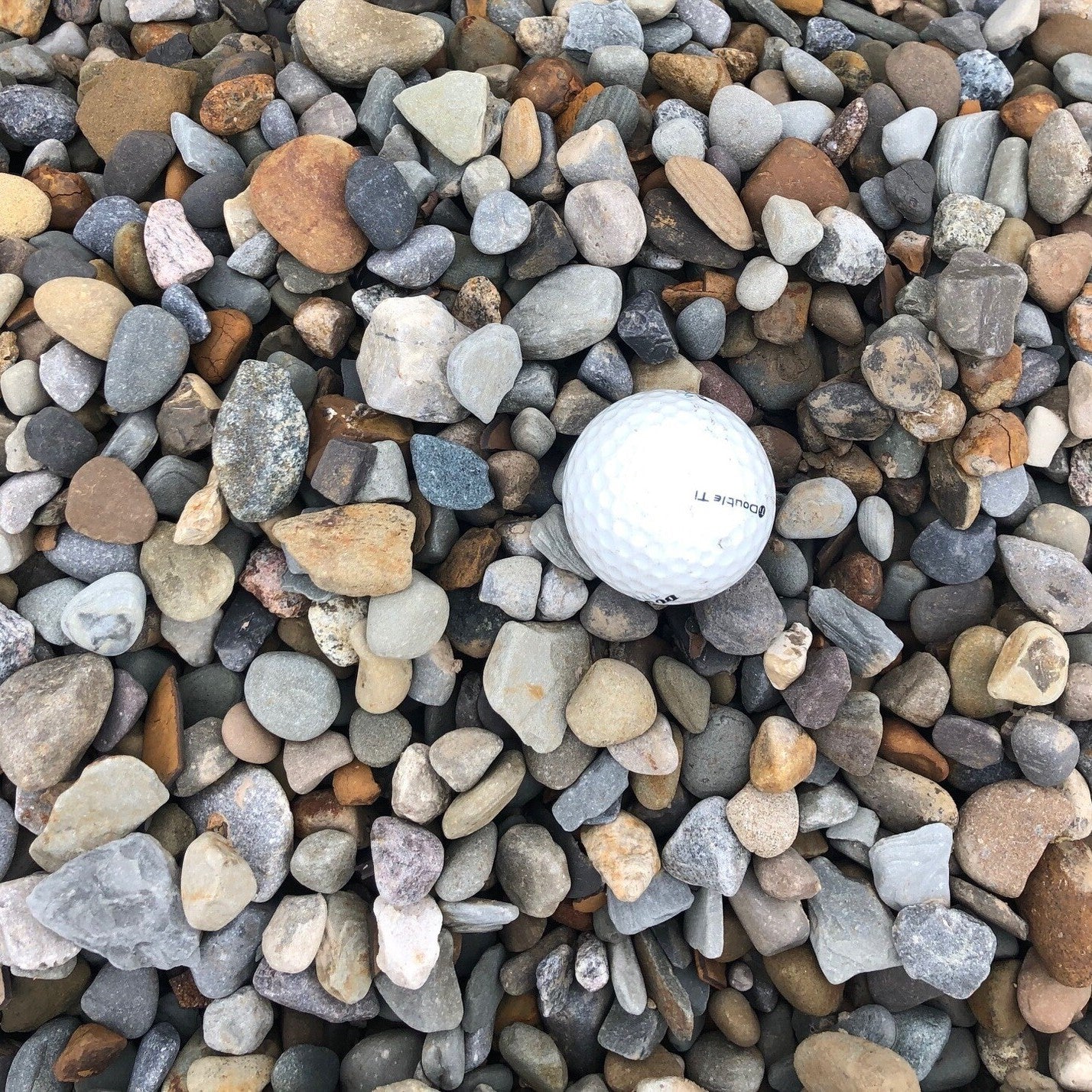
Number 57 crushed stone, angular limestone graded to about three quarters of an inch. The standard driveway, base and drainage gravel, it locks together under traffic and drains fast.
My experience with Mulch Mound was great and super easy. I ordered two yards of screened topsoil and was able to get it delivered within 2 days. They came in my requested time frame (afternoon) and dropped it off where I asked on my driveway. The topsoil was exactly what was a...
Tell us what you're looking for
Thanks! We received your request.
Something went wrong. Please try again.
How Much Material Do I Need?
For most Post Falls decorative and drainage applications, a 3-inch layer of stone is the right target depth, enough to suppress weeds, resist freeze-thaw displacement, and cover the silt loam surface fully without excessive material cost. High-traffic pathways or active drainage channels benefit from a full 4 inches for better long-term stability and compaction resistance.
Use our free gravel calculator
What is a yard?
A yard is approximately 27 cubic feet. As a general guideline, one yard of material can cover an area of about 100-160 square feet at a 2-3 inch depth.
We can't take orders for this right now. Tell us what you need and we'll get back to you.
What do you need?
Thanks! We received your request.
Something went wrong. Please try again.
Hand-picked local yards
4,000+ regional deliveries
Dedicated support
Why order through Mulch Mound
The best local stone, without the guesswork.
We hand-pick and partner with the best yards in your region, keep only the ones our buyers rate well, and back each load with our guarantee.
Mulch Mound Guarantee
If your stone isn't the quantity or quality you ordered, we'll make it right.
About this stone
Number 57 crushed stone, angular limestone graded to about three quarters of an inch. The standard driveway, base and drainage gravel, it locks together under traffic and drains fast.
My experience with Mulch Mound was great and super easy. I ordered two yards of screened topsoil and was able to get it delivered within 2 days. They came in my requested time frame (afternoon) and dropped it off where I asked on my driveway. The topsoil was exactly what was a...
How Much Material Do I Need?
For most Post Falls decorative and drainage applications, a 3-inch layer of stone is the right target depth, enough to suppress weeds, resist freeze-thaw displacement, and cover the silt loam surface fully without excessive material cost. High-traffic pathways or active drainage channels benefit from a full 4 inches for better long-term stability and compaction resistance.
Use our free gravel calculator
What is a yard?
A yard is approximately 27 cubic feet. As a general guideline, one yard of material can cover an area of about 100-160 square feet at a 2-3 inch depth.
My experience with Mulch Mound was great and super easy. I ordered two yards of screened topsoil and was able to get it delivered within 2 days. Th...
Read full review
My experience with Mulch Mound was great and super easy. I ordered two yards of screened topsoil and was able to get it delivered within 2 days. They came in my requested time frame (afternoon) and dropped it off where I asked on my driveway. The topsoil was exactly what was advertised, clean with no rocks or other debris. The price was reasonable. I plan to use them again in a couple weeks to order compost for my garden beds.
Really appreciate the care and follow thru that this company had with our order. A hiccup came up but they were quick to respond and address all co...
Read full review
Really appreciate the care and follow thru that this company had with our order. A hiccup came up but they were quick to respond and address all concerns, which made our garden day a success! Thank you for your prompt care.
When estimating stone for Post Falls projects, measure all your target areas first and add them together before calculating your total order, since it is easy to underestimate when looking at individual spots around a yard separately. Stone coverage also varies by size, with larger decorative rock covering less area per yard than fine gravel, so confirm the coverage rate for your specific product when placing your order. Ordering a cushion of an extra half yard is worthwhile because stone cannot easily be returned, and running short partway through a project creates a visible inconsistency in depth that is hard to correct later.
Stone Types We Deliver in Post Falls
Ordering bulk stone delivery by the cubic yard is one of the most practical ways to tackle landscaping projects in Post Falls, where yards often face drainage challenges from the region's dense clay soils. If you have been searching for bulk gravel by the yard and want a reliable local source, we haul fresh material straight to your driveway or job site. No trips to the hardware store, no guessing on quantities, just the stone you need delivered on your schedule.
Pea Gravel
Pea gravel is a popular choice for Post Falls landscapes, where its smooth, rounded stones blend naturally with the region's earthy color palette. It works well on garden pathways, patio borders, and drainage beds. The loose stones allow water to move through quickly, which suits the heavy spring runoff typical of northern Idaho.
Complete Your Outdoor Stone Project
Pairing stone borders with mulched planting beds gives Post Falls landscapes a clean, defined look while keeping each material in its proper zone through spring rain events and summer dry periods. If you are also correcting grade or drainage issues in the same project, a bulk soil order alongside your stone delivery lets you address the underlying terrain before placing your final surface material.
In Post Falls, install landscape fabric with a minimum 6-inch overlap at all seams before placing any decorative stone. The fine particles in silt loam migrate readily into stone voids during the repeated freeze-thaw cycling that occurs through a Post Falls winter, and fabric with tight overlaps is the most reliable defense against that problem. Use U-shaped landscape staples every 18 inches along all seams and edges to keep the fabric from shifting when you load stone on top of it. A few extra minutes at this step saves years of sunken, weedy gravel beds.
Mulch Mound Pro Tip
For stone pathways in Post Falls, install a firm edging border on both sides before filling the channel with gravel. Angular crushed stone compacts well under foot traffic, but without a physical containment border it will gradually migrate outward into adjacent lawn or planting beds, especially during wet spring months when the silt loam beneath is saturated and soft. Metal or plastic landscape edging set at least 4 inches into the ground gives the pathway a defined channel that holds its shape reliably through seasonal moisture changes.
Mulch Mound Pro Tip
If you are placing stone along foundation borders in Post Falls, confirm that the surface grade slopes away from the house at a minimum of 1 inch per foot for the first 6 feet out from the foundation. Stone does not absorb water the way mulch does, so any rainfall landing on a flat or inward-sloping stone border runs directly toward your foundation rather than dispersing outward. Getting the grade correct before placing stone is critical, because correcting it afterward requires removing and resetting the entire installation. This is especially important given Post Falls's concentrated spring snowmelt that arrives in March and April.
The Unique Landscape of Post Falls
Stone is one of the most practical and durable landscape materials for Post Falls homeowners dealing with significant moisture variation across the seasons. Spring snowmelt combined with April and May rain events can erode unprotected silt loam, wash out mulched beds, and create muddy pathways, all problems that properly placed stone addresses directly and permanently. At 2,182 feet in elevation, Post Falls experiences meaningful freeze-thaw cycling through winter, which can heave and shift lighter landscape materials but leaves well-set gravel and stone beds largely undisturbed season after season. The native silt loam in this area does not drain quickly under heavy or concentrated rainfall, making stone an excellent tool for improving surface drainage around downspout outlets, low spots, and foundation borders. Decorative stone also performs reliably during the sunny, dry stretches of July and August when organic mulch would need regular monitoring and supplemental irrigation to stay effective. For areas where low-maintenance ground cover is the priority, stone installed over quality landscape fabric provides years of weed suppression and erosion protection with minimal annual upkeep.
Frequently Asked Questions
Click a question to see the answer
Answer
What type of stone works best for a gravel pathway in Post Falls?
For foot traffic pathways in Post Falls, crushed gravel in the three-quarter inch minus range compacts firmly and stays stable through freeze-thaw cycles at this elevation. Round river rock looks attractive but tends to roll and shift underfoot, creating a tripping hazard and requiring regular raking to stay in position. The freeze-thaw conditions at 2,182 feet mean your pathway material needs angular edges that lock together rather than smooth surfaces that float, and compactable crushed stone handles that reliably through Post Falls winters.
Answer
Can I use decorative stone instead of mulch around my shrubs and trees in Post Falls?
You can, and many Post Falls homeowners choose stone for low-maintenance areas around established shrubs and ornamental trees. The trade-off compared to organic mulch is that stone does not improve silt loam soil health over time and can reflect heat back onto plants during the hottest summer days at this elevation. If you go this route, make sure your plants are well established and that you have good soil beneath before installing. River rock or pea gravel at a 2 to 3 inch depth works well for this application in Post Falls landscapes.
Answer
My downspouts drain onto silt loam and create muddy eroded channels every spring. Will stone fix that?
Yes, and this is one of the most practical uses of bulk stone for Post Falls homeowners. A dry creek bed or splash pad of river rock or large gravel placed at each downspout outlet slows the water velocity and disperses it before it can cut into your silt loam. Because Post Falls silt loam erodes relatively easily under concentrated water flow, this fix makes a real difference in how your yard handles heavy rain events and the focused runoff from spring snowmelt. Size the stone pad at least 18 inches wide and extend it 3 to 4 feet from the outlet opening.
Answer
How deep should I install gravel for a drainage improvement area in my Post Falls yard?
For surface drainage improvements over Post Falls silt loam, a 3 to 4 inch layer of washed gravel or drain rock is the practical minimum. Thinner applications allow the fine silt particles to migrate up into the stone voids over time, gradually reducing drainage effectiveness. Laying permeable landscape fabric beneath the stone before placement prevents that particle migration and keeps the gravel functioning properly for many more years. In areas with significant water concentration during spring, consider going a full 6 inches deep for lasting performance.
Answer
Will decorative stone shift or sink into the silt loam over time?
Without a fabric barrier, smaller stone sizes will gradually work their way into Post Falls silt loam, especially through the freeze-thaw cycling that pushes fine particles upward and pulls them back down repeatedly over winter. Landscape fabric installed under the stone prevents that migration and keeps your decorative layer looking full and even across seasons. For heavier stone like 2-inch river rock, settling is slower, but a fabric base is still worthwhile for the weed suppression benefit it provides on top of the drainage improvement.
Answer
Is gravel a good solution for areas of my yard where grass simply will not grow?
Gravel is an excellent solution for shade patches, dry corners, or heavily trafficked areas in Post Falls yards where turf consistently struggles. Areas under large pines or along south-facing foundation walls that bake in summer sun at this elevation are classic candidates for this treatment. Install weed fabric first, then 3 inches of decorative gravel, and you convert a problem area into a clean, low-maintenance feature that requires almost no upkeep across the seasons. Just note that stone will radiate heat in summer, so choose heat-tolerant plants for any borders adjacent to the stone area.
Answer
How much stone do I need to order for a decorative ground cover project in Post Falls?
For a 2 to 3 inch ground cover layer, approximately 1 cubic yard of stone covers roughly 100 square feet. Measure your target area in square feet and divide by 100 to get your starting cubic yard estimate. For Post Falls projects where you are placing stone directly over silt loam, lean toward the fuller 3-inch depth to account for any initial settling into the native soil surface, particularly if you are skipping the landscape fabric layer beneath the material.
Answer
Is there a stone yard near Post Falls?
Spring snowmelt and April rain can wash out silt loam in Post Falls, so a firm base of crushed stone helps keep beds and pathways from turning to mud. You can skip the stone yard and the trip to a quarry entirely, because Mulch Mound delivers crushed stone by the cubic yard and drops it right where you need it.