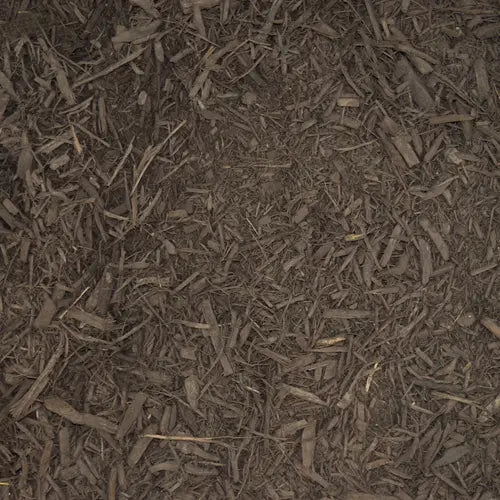
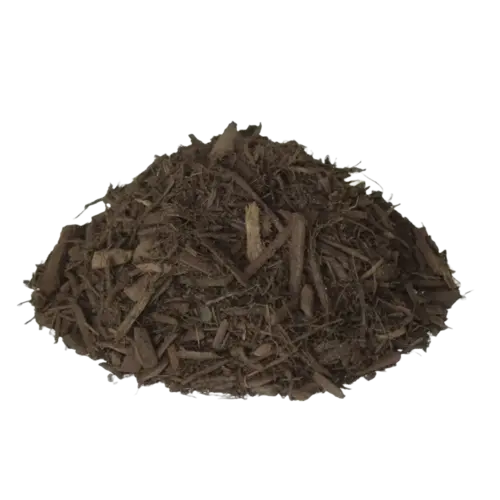
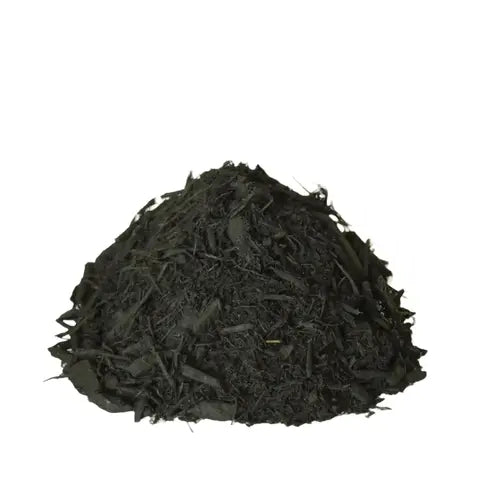
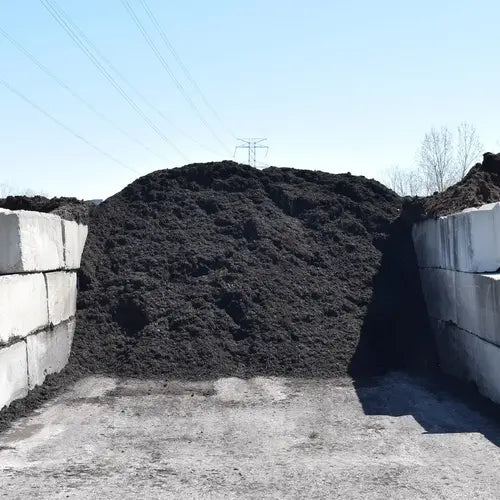
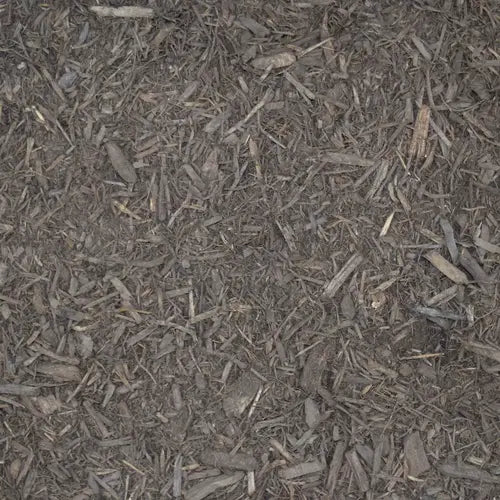
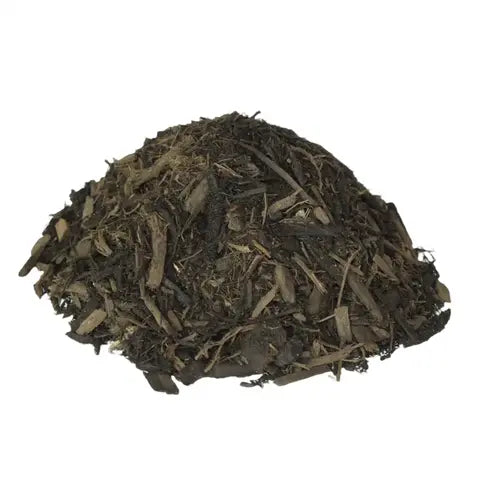
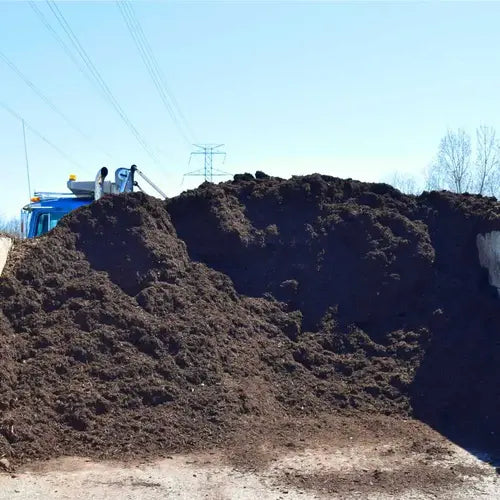
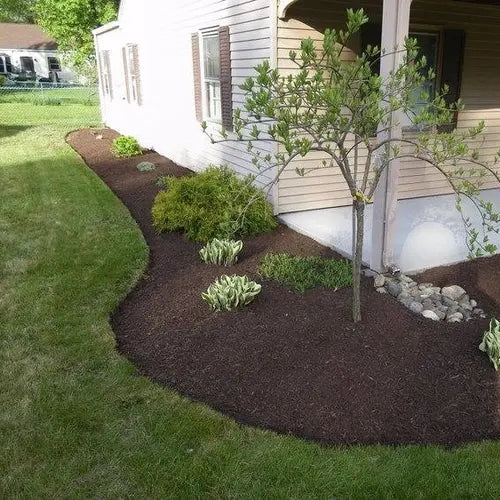
Warm brown double shredded mulch with lasting color that looks freshly applied for weeks. Spreads smooth, stays put, and gives beds a natural, polished appearance.
Delivery was on time and great quality Mulch. Got it done in a reasonable time and yard looks great. Couldn’t be happier!!! Thank you and will use again!!
Tell us what you're looking for
Thanks! We received your request.
Something went wrong. Please try again.
How Much Material Do I Need?
For Post Falls silt loam beds, a 3-inch application depth is the practical standard, enough to retain moisture through dry summer stretches and suppress weed germination without smothering root zones. In high-traffic areas or on slopes where material tends to shift, plan for a full 4 inches to account for settling and displacement.
Use our free mulch calculator
What is a yard?
A yard is approximately 27 cubic feet. As a general guideline, one yard of material can cover an area of about 100-160 square feet at a 2-3 inch depth.
We can't take orders for this right now. Tell us what you need and we'll get back to you.
What do you need?
Thanks! We received your request.
Something went wrong. Please try again.
Hand-picked local yards
4,000+ regional deliveries
Dedicated support
Why order through Mulch Mound
The best local mulch, without the guesswork.
We hand-pick and partner with the best yards in your region, keep only the ones our buyers rate well, and back each load with our guarantee.
Mulch Mound Guarantee
If your mulch isn't the quantity or quality you ordered, we'll make it right.
About this mulch
Warm brown double shredded mulch with lasting color that looks freshly applied for weeks. Spreads smooth, stays put, and gives beds a natural, polished appearance.
Delivery was on time and great quality Mulch. Got it done in a reasonable time and yard looks great. Couldn’t be happier!!! Thank you and will use again!!
How Much Material Do I Need?
For Post Falls silt loam beds, a 3-inch application depth is the practical standard, enough to retain moisture through dry summer stretches and suppress weed germination without smothering root zones. In high-traffic areas or on slopes where material tends to shift, plan for a full 4 inches to account for settling and displacement.
Use our free mulch calculator
What is a yard?
A yard is approximately 27 cubic feet. As a general guideline, one yard of material can cover an area of about 100-160 square feet at a 2-3 inch depth.
Delivery was on time and great quality Mulch. Got it done in a reasonable time and yard looks great. Couldn’t be happier!!! Thank you and will us...
Read full review
Delivery was on time and great quality Mulch. Got it done in a reasonable time and yard looks great. Couldn’t be happier!!! Thank you and will use again!!
Mulch Mound delivered a yard of pea gravel to us. Delivery was on time, driver was friendly and hit a bullseye on the “tarp target”. We used the ...
Read full review
Mulch Mound delivered a yard of pea gravel to us. Delivery was on time, driver was friendly and hit a bullseye on the “tarp target”. We used the pea gravel (which was diameter as specified) to fill several muskrat holes around our pond. I would definitely recommend Mulch Mound to a friend!
I can’t say enough good things about Mulch Mound! If you read my review below you will see I had a problem with my order. Mulch Mou...
Read full review
UPDATE!
I can’t say enough good things about Mulch Mound! If you read my review below you will see I had a problem with my order. Mulch Mound was quick to respond and solved the issue with my delivery. Will definitely be a customer next year.
First time purchase from Mulch Mound!! First what I liked! Easy to order online and straight forward pricing and delivery. The driver was on time and courteous and delivered my Mulch exactly where I requested! The product is of good quality and comparable to others I have purchased from before. Now what I DID’NT LIKE! I have been mulching the same house and yard for almost 20 years. I always order the same amount and don’t have any issues with covering the same area but this year I fell about a yard short. I was home when the mulch was delivered and when the driver dumped it I noticed that it seemed a bit less than I was used to. I didn’t apply it any thicker than usual and probably a bit thinner than usual because I was worried about running out.
To get an accurate estimate for your Post Falls beds, measure each planting area separately and add them together before calculating your total volume. Because silt loam compacts steadily over time, existing beds often have less remaining mulch depth than they appear on the surface, so pressing down to the soil when measuring gives you a more honest volume to work with. When in doubt, ordering a half yard extra is worthwhile since delivery is already coming to your address.
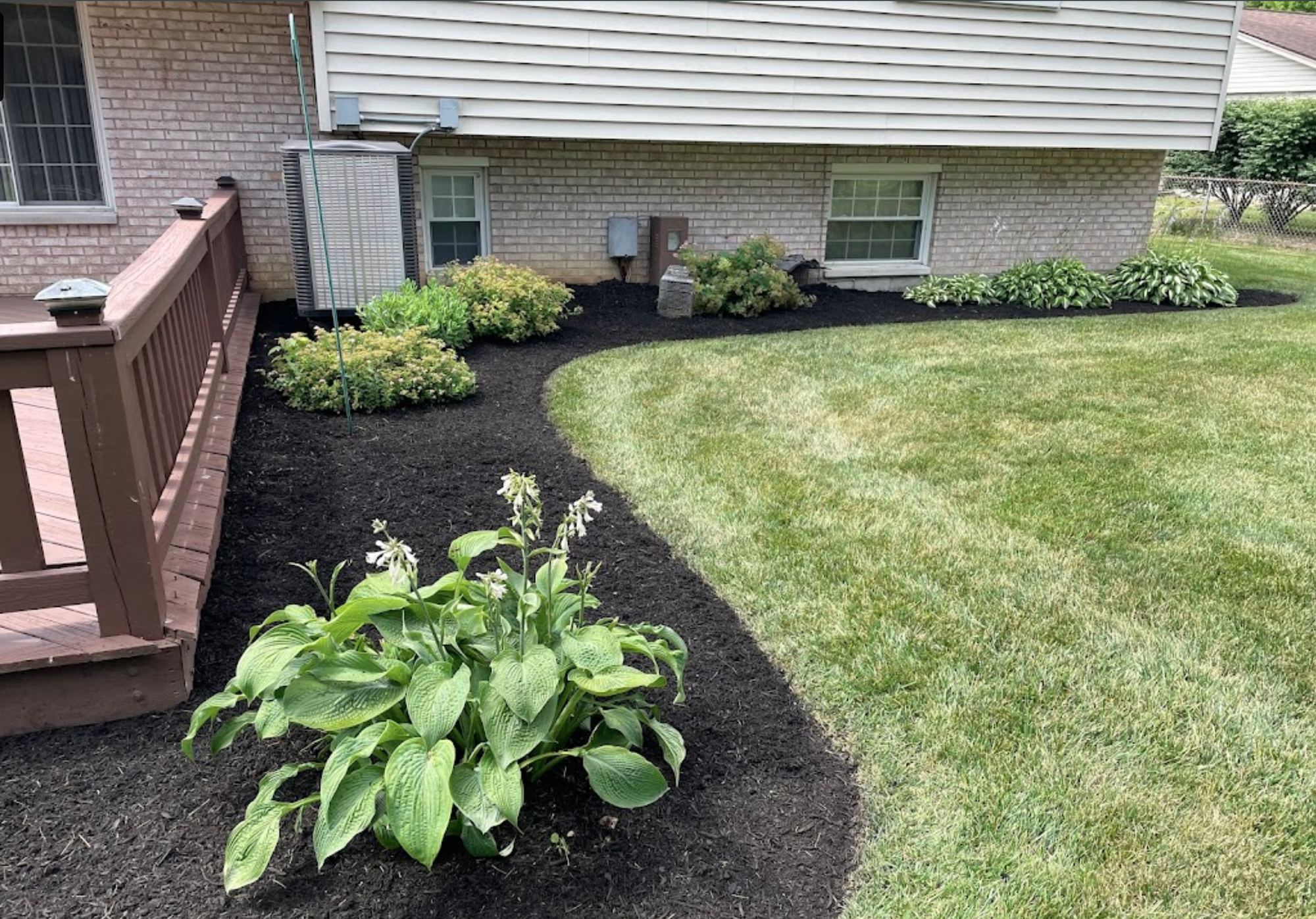
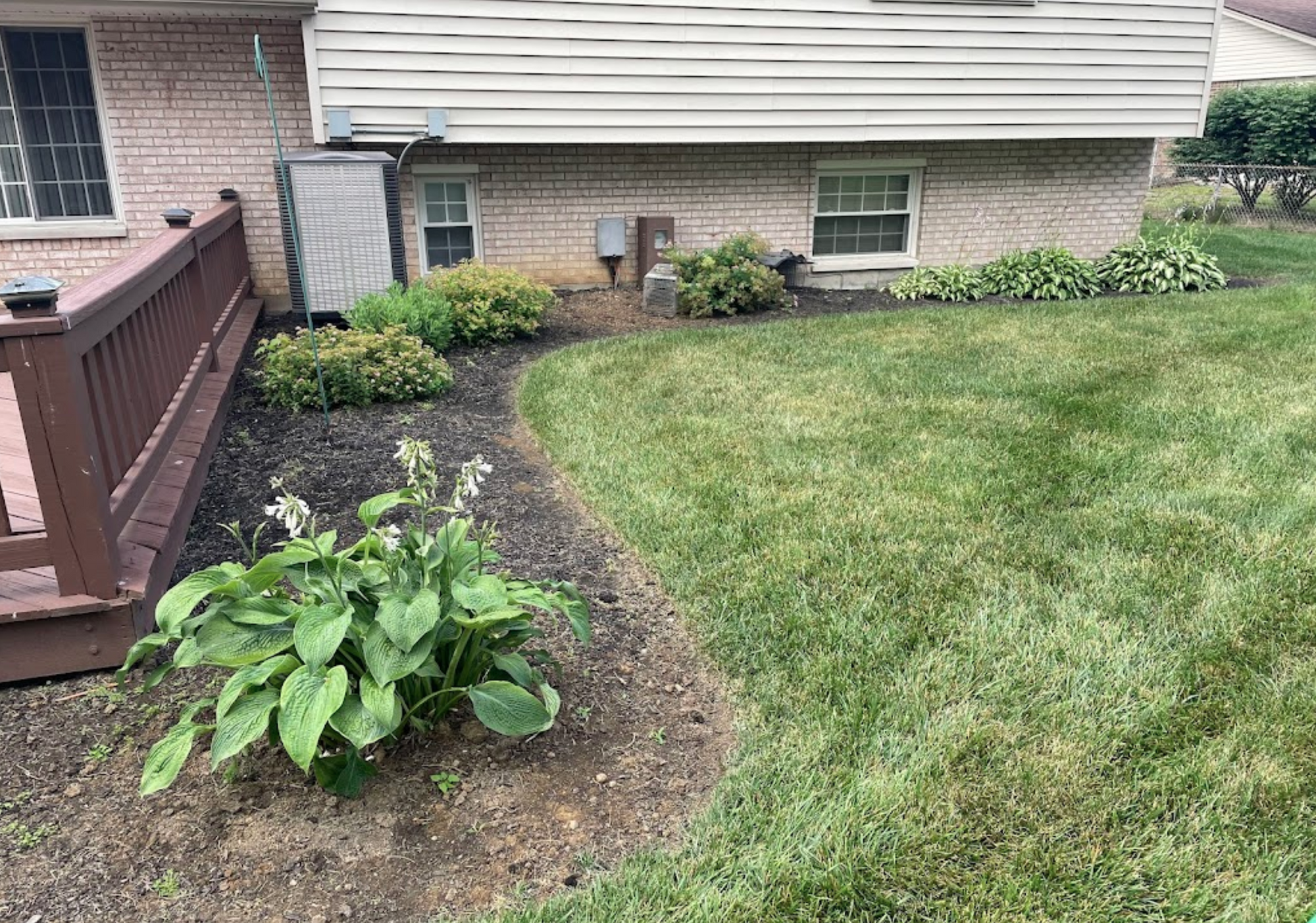
Mulch vs. No Mulch: The Difference
Post Falls's combination of sunny summers and modest 22-inch annual rainfall means natural mulches break down at a moderate pace, typically needing renewal every one to two years rather than every single season. Dyed or processed mulches hold their visual appeal well through a full growing season at this elevation but do not contribute the same organic matter back into silt loam as natural wood products do. For homeowners prioritizing long-term soil health alongside curb appeal, natural hardwood or cedar mulch offers a better return across multiple seasons.
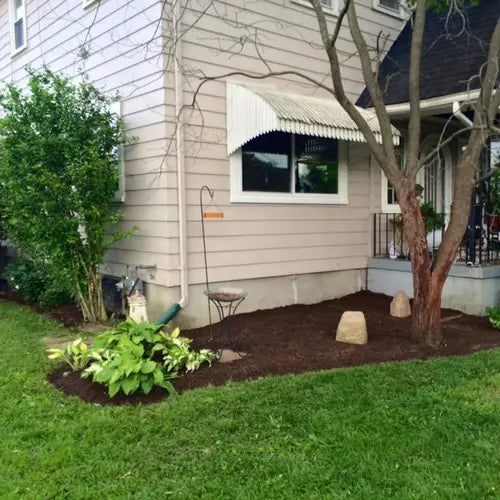
Before
After
Best Mulch Choice for Post Falls Lawns
Most yards in the Post Falls area sit on Silt Loam type of soil. Silt loam in Post Falls tends to seal at the surface after rain events, creating a crust that resists water infiltration and makes it harder for shallow plant roots to access moisture between storms. Keeping a consistent layer of organic mulch on top buffers that crust-forming tendency by absorbing rain impact and slowly filtering water into the soil below.
Hardwood Mulch
Hardwood mulch is particularly well-suited to Post Falls silt loam because as it decomposes it introduces coarser organic matter that gradually loosens the fine soil structure over multiple seasons. That loosening improves both drainage during wet spring periods and moisture retention during the dry summer months, addressing two of silt loam's competing challenges with a single annual application.
Mulch Types We Deliver in Post Falls
Post Falls homeowners and landscapers count on bulk mulch delivery to keep beds looking sharp through the region's warm summers and cold winters. We deliver by the cubic yard so you get exactly what your project calls for, whether you are refreshing a small garden or covering a large property. If you have been searching for bulk mulch delivery in Post Falls, we bring it straight to your driveway or job site.
Dyed Black Mulch
Bold and striking, dyed black double shredded mulch creates a sharp contrast against the light, rocky soils common in northern Idaho. The deep color holds well through sun and seasonal rain, and the fine double shredded texture spreads evenly, making it a top pick for homeowners who want a polished, modern landscape look.
Dyed Brown Mulch
Warm brown double shredded mulch suits the natural, earthy landscape styles typical of northern Idaho yards. The rich color stays fresh-looking for weeks and resists fading through hot summer sun. It spreads smoothly and stays in place, giving garden beds a clean finish that pairs well with stone or wood features.
Natural Brown Mulch
Natural brown double shredded mulch is undyed and draws its warm tone straight from the wood itself, making it a great fit for yards where an organic look is the goal. The fine texture blends well with Idaho's sandy and loamy soils and helps retain moisture through the dry summer months.
Complete Your Outdoor Mulch Project
If your beds need a nutrient boost before mulching, pairing a bulk soil order with your mulch delivery gives Post Falls silt loam the organic lift it often needs after winter compaction. Decorative stone borders also work well alongside mulched beds to define edges cleanly and prevent mulch from migrating across hard surfaces during spring rain events.
In Post Falls, apply mulch after your soil has had a chance to warm slightly in spring rather than right after snowmelt when ground temperatures are still in the low 40s. Insulating cold, wet silt loam too early delays root activation for perennials. Wait until daytime temperatures are consistently above 50 degrees Fahrenheit, usually in late April, then lay your full 3-inch layer before the flush of weed seeds that arrive with warm weather begins germinating in earnest.
Mulch Mound Pro Tip
Keep mulch pulled back 2 to 3 inches from the base of shrubs and tree trunks, especially heading into fall. Post Falls receives enough late-season moisture in September and October that mulch piled against woody stems stays damp long enough to encourage fungal problems and bark rot. A donut shape around the base, rather than a volcano pile, protects the root zone while keeping the crown dry as temperatures drop toward the October frost window.
Mulch Mound Pro Tip
With Post Falls receiving only 22 inches of rainfall annually, mulch does a lot of heavy lifting during the July and August dry stretch when weeks can pass without measurable precipitation. Check your beds mid-summer by pulling back the mulch surface and pressing your finger into the silt loam below. If the soil is dry more than an inch down, water deeply before replacing the mulch layer. This simple check prevents the surface from looking fine while roots below are already under stress.
Frequently Asked Questions
Click a question to see the answer
Answer
How thick should I apply mulch in Post Falls given our dry summers?
A 3-inch layer is the practical target for most Post Falls beds. With only 22 inches of annual rainfall and warm July and August temperatures, that depth keeps silt loam from drying out and crusting between rain events. Going thinner than 2 inches leaves too much soil exposed to the sun, while piling mulch beyond 4 inches can trap moisture against plant crowns and invite rot during the wetter periods of May and June.
Answer
Will mulch break down too fast here because of the warm summers?
Decomposition in Post Falls is moderate compared to wetter Pacific Northwest cities. The 22-inch annual rainfall is low enough that organic mulch does not break down as aggressively as it would in a 40-inch rainfall climate. Expect natural hardwood mulch to need topping off every one to two years rather than every single season. That gradual breakdown is actually beneficial because it slowly adds organic matter back into the silt loam, improving its structure over time.
Answer
When is the best time of year to put down fresh mulch in Post Falls?
Late April through early May is the ideal window for most Post Falls homeowners. You want the soil to warm a bit after snowmelt before you insulate it, and the last frost around May 12 means beds are transitioning from dormancy right around that time. A fresh layer applied then holds spring moisture, suppresses early weed germination, and gives beds a clean look heading into the growing season. A second light top-off in early September helps hold soil warmth as the October 5 first frost approaches.
Answer
Does the silt loam soil in Post Falls affect which type of mulch I should choose?
Yes, it does. Silt loam has fine particles that can seal over and restrict water infiltration when exposed to rain and foot traffic. A coarser natural hardwood mulch creates a more open surface that allows rainfall to filter through gradually rather than sheeting off. Finer triple-ground material works well in ornamental beds where aesthetics are the priority, but around trees and shrubs a medium to coarse grind provides better long-term soil benefit for the native conditions here.
Answer
I have heavy weed pressure in my beds every spring. Will mulch actually help here in Post Falls?
Mulch is one of the most effective weed suppressors available to Post Falls homeowners. Many of the common weeds in the area, including cheatgrass and bindweed, rely on light to germinate successfully. A consistent 3-inch layer blocks that light and cuts germination dramatically. It will not stop every weed, especially perennial ones with established root systems, but it significantly reduces the annual flush of weed pressure that comes with spring warming on open silt loam.
Answer
Does colored mulch hold its color well in the Post Falls sun?
Post Falls receives strong summer sunshine at its elevation, which fades dyed mulch faster than in shadier or cloudier climates further west. Dyed mulches typically hold color well for one full season here, with noticeable fading by the following spring. Natural cedar and hardwood mulches gray gradually over time without looking washed out. If color retention is important for your curb appeal, plan to refresh dyed mulch each spring after the last frost date passes in mid-May.
Answer
How much mulch do I typically need for a residential yard in Post Falls?
A good starting estimate is to measure the length and width of each bed in feet, multiply to get square footage, and then divide by 100 to get the cubic yards needed for a 3-inch application. Most Post Falls residential landscapes with established perimeter beds run between 5 and 15 cubic yards for a full refresh. Keep in mind that because silt loam compacts over time, existing beds often have less usable mulch depth than they appear on the surface, so measure down to the soil itself for an accurate count.
The Unique Landscape of Post Falls
Post Falls sits at 2,182 feet in the Rathdrum Prairie corridor, where silt loam soil creates a specific challenge for homeowners trying to maintain healthy planting beds. Silt loam holds moisture reasonably well but can crust over and compact between rain events, making it difficult for plant roots to breathe during dry stretches. With only 22 inches of annual rainfall spread unevenly across the seasons, mulch becomes a critical tool for bridging dry gaps without relying entirely on supplemental irrigation. Post Falls landscapes also face a relatively short growing window, with a last frost around May 12 and a first frost arriving as early as October 5, meaning soil temperature management matters greatly for plant establishment and longevity. A well-mulched bed warms faster in spring and holds heat longer into fall, effectively stretching that growing window in both directions. Keeping organic material on top of silt loam also encourages the earthworm activity and microbial life that gradually improves this native soil's structure over time.