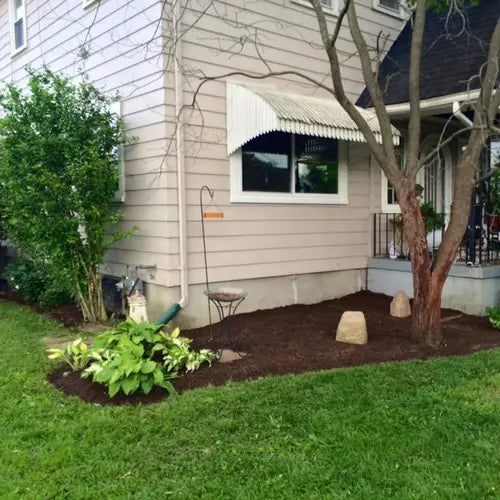
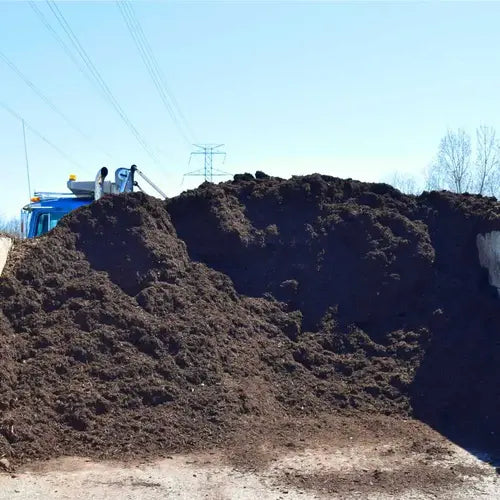
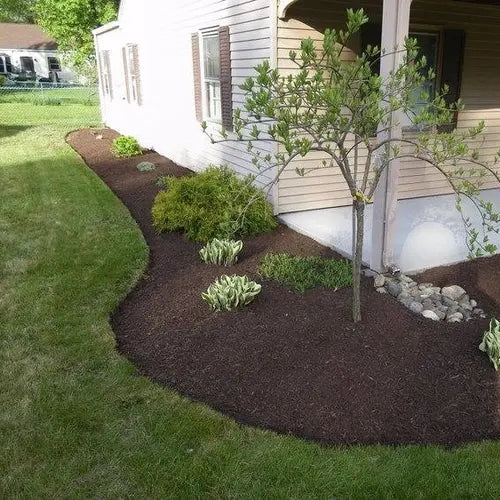
Delivery was on time and great quality Mulch. Got it done in a reasonable time and yard looks great. Couldn’t be happier!!! Thank you and will use again!!
Tell us what you're looking for
Thanks! We received your request.
Something went wrong. Please try again.
How Much Material Do I Need?
For most Prescott planting beds, a 3 to 4 inch depth gives you meaningful moisture retention and root insulation through both the dry stretches and the October frost window. Beds around newly planted shrubs and perennials benefit from the full 4 inches since young root systems are more vulnerable to the temperature swings common at this elevation.
Use our free mulch calculator
What is a yard?
A yard is approximately 27 cubic feet. As a general guideline, one yard of material can cover an area of about 100-160 square feet at a 2-3 inch depth.
Delivery was on time and great quality Mulch. Got it done in a reasonable time and yard looks great. Couldn’t be happier!!! Thank you and will use again!!
How Much Material Do I Need?
For most Prescott planting beds, a 3 to 4 inch depth gives you meaningful moisture retention and root insulation through both the dry stretches and the October frost window. Beds around newly planted shrubs and perennials benefit from the full 4 inches since young root systems are more vulnerable to the temperature swings common at this elevation.
Use our free mulch calculator
What is a yard?
A yard is approximately 27 cubic feet. As a general guideline, one yard of material can cover an area of about 100-160 square feet at a 2-3 inch depth.
Delivery was on time and great quality Mulch. Got it done in a reasonable time and yard looks great. Couldn’t be happier!!! Thank you and will us...
Read full review
Delivery was on time and great quality Mulch. Got it done in a reasonable time and yard looks great. Couldn’t be happier!!! Thank you and will use again!!
Mulch Mound delivered a yard of pea gravel to us. Delivery was on time, driver was friendly and hit a bullseye on the “tarp target”. We used the ...
Read full review
Mulch Mound delivered a yard of pea gravel to us. Delivery was on time, driver was friendly and hit a bullseye on the “tarp target”. We used the pea gravel (which was diameter as specified) to fill several muskrat holes around our pond. I would definitely recommend Mulch Mound to a friend!
I can’t say enough good things about Mulch Mound! If you read my review below you will see I had a problem with my order. Mulch Mou...
Read full review
UPDATE!
I can’t say enough good things about Mulch Mound! If you read my review below you will see I had a problem with my order. Mulch Mound was quick to respond and solved the issue with my delivery. Will definitely be a customer next year.
First time purchase from Mulch Mound!! First what I liked! Easy to order online and straight forward pricing and delivery. The driver was on time and courteous and delivered my Mulch exactly where I requested! The product is of good quality and comparable to others I have purchased from before. Now what I DID’NT LIKE! I have been mulching the same house and yard for almost 20 years. I always order the same amount and don’t have any issues with covering the same area but this year I fell about a yard short. I was home when the mulch was delivered and when the driver dumped it I noticed that it seemed a bit less than I was used to. I didn’t apply it any thicker than usual and probably a bit thinner than usual because I was worried about running out.
Measure each planting bed by multiplying length times width in feet to get square footage, then add all your bed areas together before entering the total into the calculator. Prescott yards often have irregular shapes around boulders and native plants, so break odd-shaped beds into smaller rectangles and add those figures together. The calculator will convert your square footage and desired depth into cubic yards, which is how bulk mulch is sold and delivered.
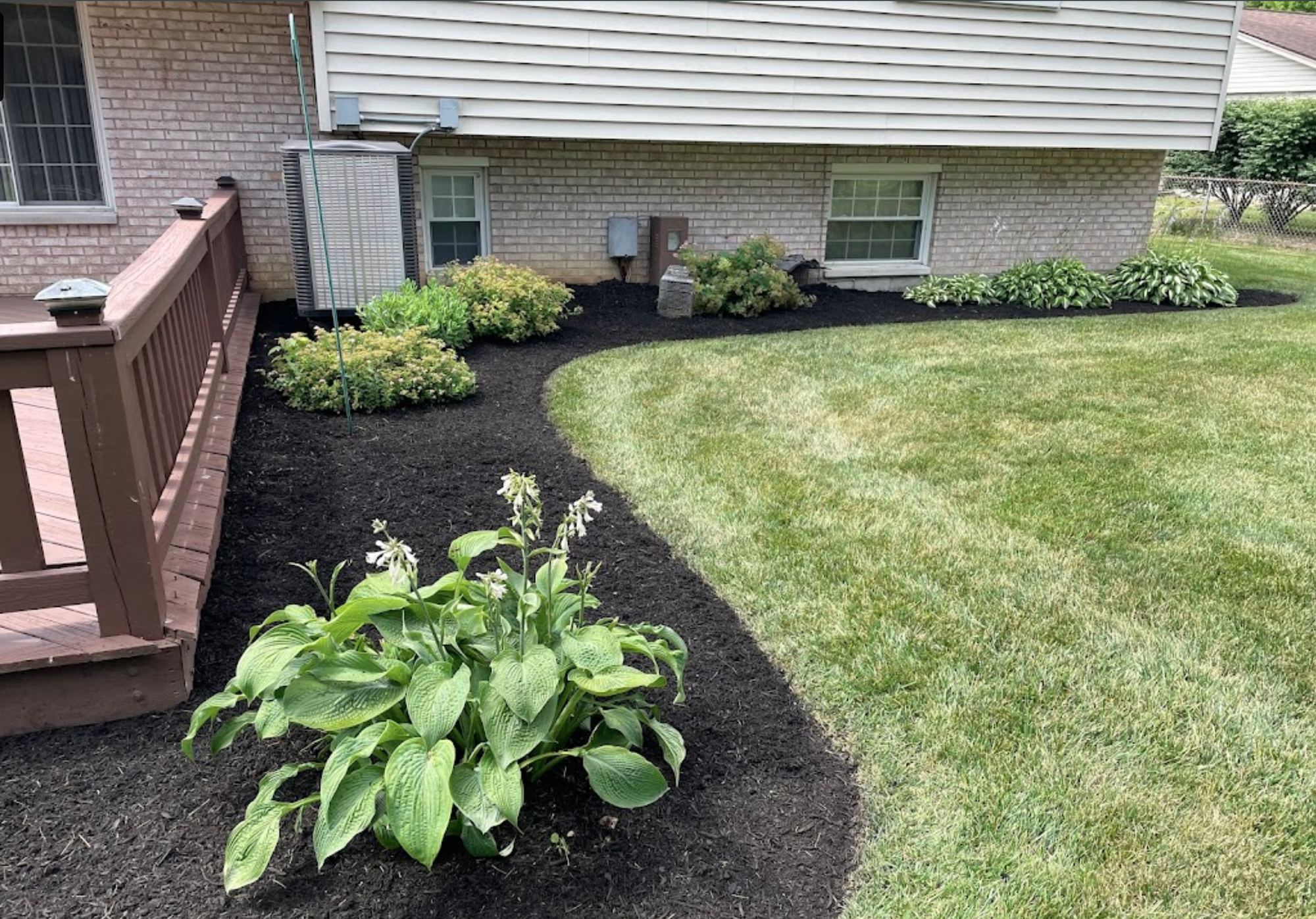
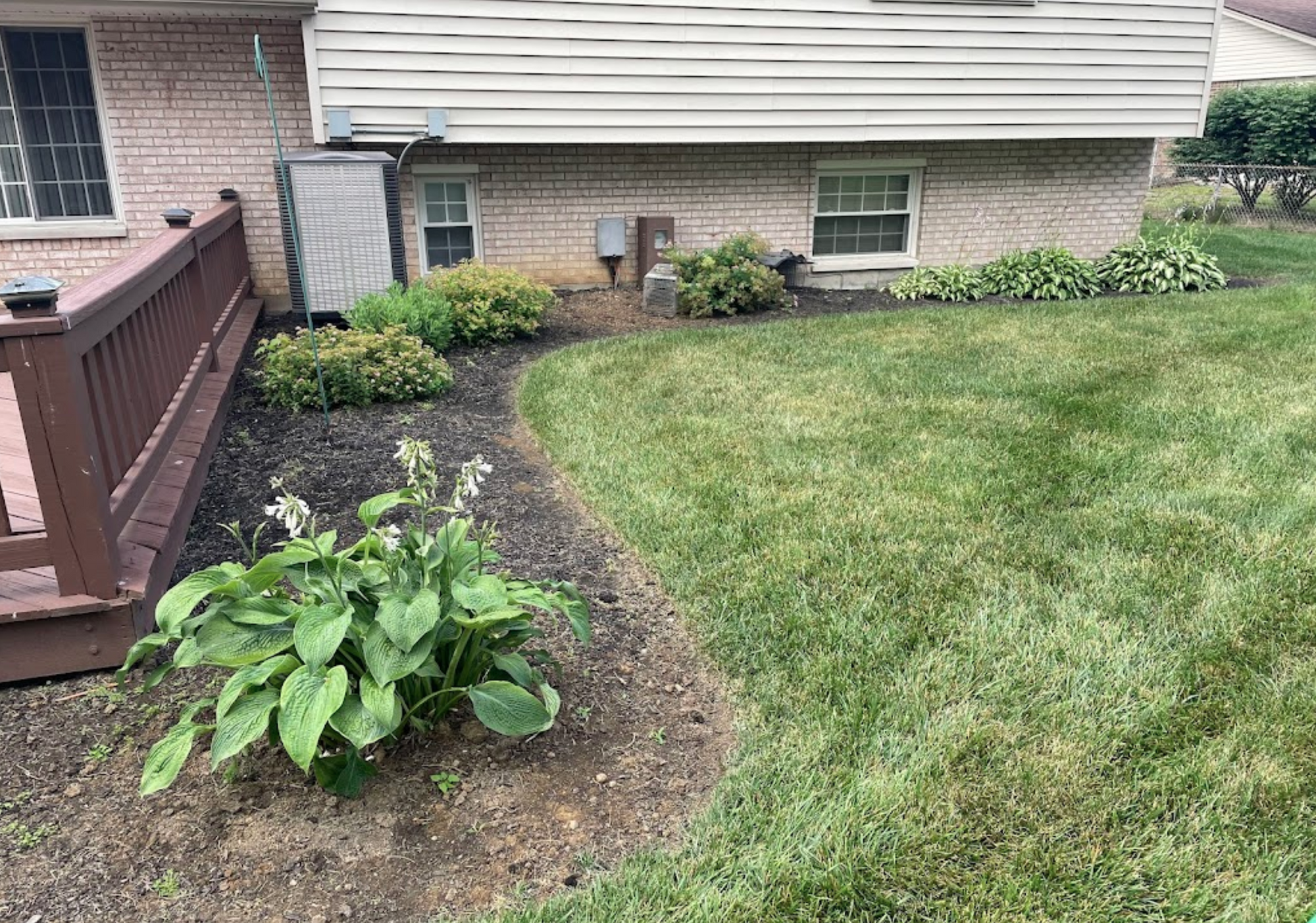
Mulch vs. No Mulch: The Difference
Prescott's combination of high-elevation UV radiation and very low humidity means organic mulch fades on the surface within a single season, but that visual weathering can be misleading since the material underneath is still doing its job. The real breakdown that feeds your rocky loam soil happens slowly here compared to humid climates, which means you get more seasons of performance from each application than gardeners in wetter regions. Understanding how Prescott's specific climate affects mulch longevity helps you plan your annual landscape budget more accurately.
Before
After
Best Mulch Choice for Prescott Lawns
Most yards in the Prescott area sit on type of soil. Prescott's rocky loam soil has excellent drainage but lacks the fine organic matter that holds nutrients near plant roots, which means any mulch you add that eventually breaks down is making a real long-term investment in your soil quality. Hardwood or bark mulches that decompose gradually release tannins and organic compounds that begin filling in the gaps between rocky loam particles over time.
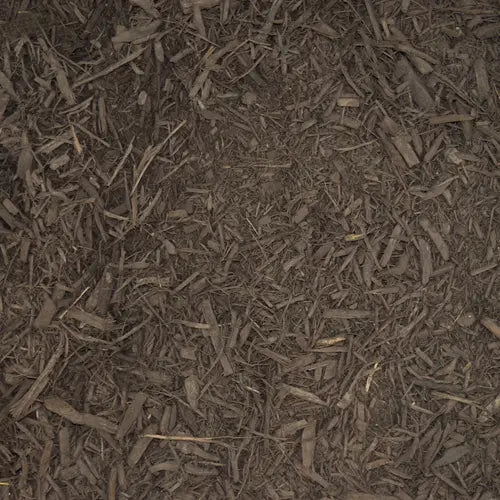
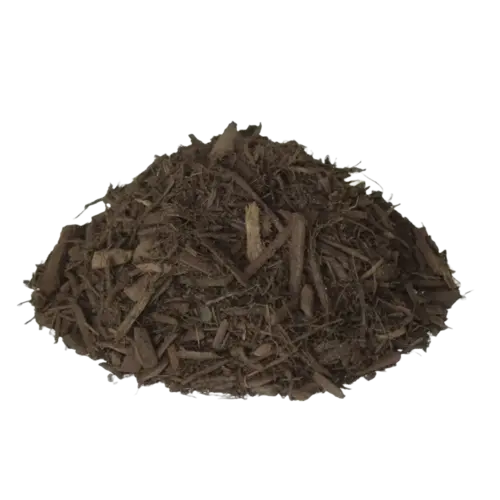
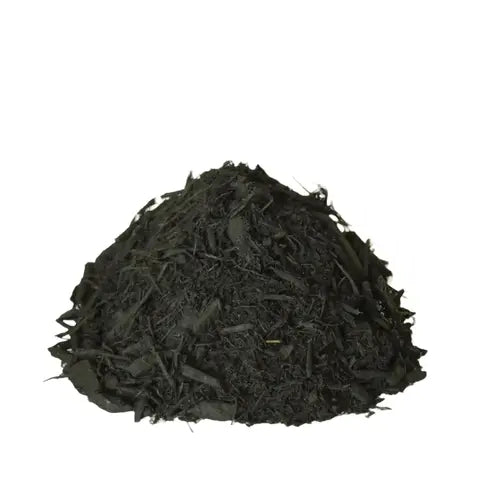
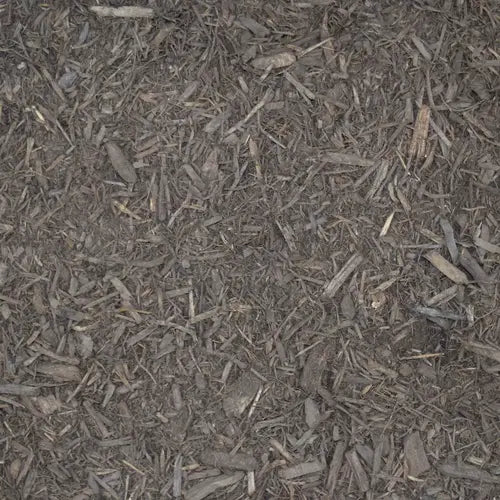
Hardwood Mulch
Hardwood mulch is particularly well suited to improving Prescott's rocky loam soil because as it breaks down it releases humic compounds that bind to the mineral particles already present, gradually creating pockets of organic-rich soil that hold moisture and nutrients closer to root zones. Over two or three seasons of consistent hardwood mulching, gardeners in Prescott often notice that their plants require less supplemental watering and show stronger summer growth even during dry stretches between monsoons.
Complete Your Outdoor Mulch Project
Pairing a fresh mulch application with a quality amended garden soil in your beds gives your plants the best possible start in Prescott's rocky loam conditions. If you have pathways or areas between beds, decomposed granite or crushed stone from our stone collection ties the whole landscape together visually while staying low maintenance.
Prescott's monsoon storms typically arrive with enough force to scatter light mulch around your beds and onto hardscaping. Before the July rains begin, press your mulch layer down lightly with the back of a rake and consider edging your beds with a small border of stone or metal edging. That simple step keeps your mulch where you put it during even the heavy downpours that roll through the Bradshaw Mountains drainage.
Mulch Mound Pro Tip
Many Prescott homeowners make the mistake of mulching right up against the bark of their pines and ornamental trees. At this elevation, where bark beetles can already stress conifers, a moist mulch volcano against the trunk creates an entry point for pests and fungal issues. Keep a 3 to 6 inch dry ring of bare soil around every tree trunk before your mulch begins, and your trees will be healthier for it over the long term.
Mulch Mound Pro Tip
Timing your mulch application to coincide with Prescott's last frost date around April 22 is a smart seasonal move. Apply fresh mulch after the ground has had a chance to warm a bit in spring rather than in early March when the soil is still cold. Trapping cold soil under mulch delays root activity for your perennials and slows the season. Late April to early May is the sweet spot when Prescott soil temperatures are trending upward and plants are ready to take off.
Frequently Asked Questions
Click a question to see the answer
Answer
How thick should I spread mulch given how fast Prescott's sun and wind dry everything out?
At 5,368 feet the UV intensity and low relative humidity team up to dry mulch faster than you might expect. Aim for a 3 to 4 inch layer across most planting beds. That depth gives you genuine insulation and moisture retention without creating the mold risk you would see in a wetter climate. Pull the mulch back about 2 inches from plant stems so air can still circulate around the base.
Answer
Will mulch actually help my plants survive Prescott's late spring frosts that seem to sneak up every April?
Yes, and this is one of the most underappreciated benefits of mulching in Prescott. With a last frost date around April 22, a 3 to 4 inch mulch layer acts as a thermal blanket that slows soil temperature loss on cold nights. This is especially valuable for the root zones of plants you overwintered and for early transplants. It will not prevent a hard freeze from damaging exposed foliage, but it helps protect roots so plants recover faster.
Answer
My soil is that gravelly rocky loam you see all over Prescott. Does mulch even help, or does the water just drain right through anyway?
Rocky loam does drain fast, which is exactly why mulch matters so much here. The mulch layer slows the rate at which water hits the soil surface, giving it more time to infiltrate rather than sheet off. Over one or two seasons, decomposing organic mulch also starts adding fine organic matter that gradually improves how rocky loam holds moisture. You will not transform the soil overnight, but the cumulative effect is real and measurable in how much less frequently you need to water.
Answer
Does mulch break down faster here in Prescott because of the elevation and sun?
The high UV exposure at Prescott's elevation does bleach and degrade the surface layer of mulch relatively quickly compared to lower desert cities. However, the cooler temperatures and drier air actually slow the biological decomposition happening underneath. What this means practically is that your mulch may look faded or gray on top after one season but still be structurally intact below. Plan to top off with about an inch of fresh mulch each spring rather than completely replacing the entire layer every year.
Answer
I want to use mulch around my native Arizona oaks and junipers. Is there a type that works best for those plants?
For native oaks and junipers that are adapted to rocky, low-nutrient Prescott soils, a coarser bark or shredded hardwood mulch tends to be the better choice over fine wood chips. Coarser material allows the slightly better airflow that drought-adapted natives prefer while still reducing evaporation. Keep the mulch at least 6 inches away from the base of oaks in particular, since those trees are sensitive to crown moisture around their trunk flare.
Answer
How much mulch do I realistically need for a typical Prescott backyard with a few established planting beds?
A common scenario in Prescott is three to five planting beds totaling somewhere between 300 and 600 square feet. At a 3 inch depth, 300 square feet requires roughly 3 cubic yards and 600 square feet needs about 6 cubic yards. Use our calculator on this page to enter your actual bed dimensions and it will give you a precise number. When in doubt, rounding up by half a yard means you can top off thin spots without a second delivery.
Answer
Is it okay to mulch right before Prescott's monsoon season starts, or should I wait until after the summer rains?
Mulching just before the monsoon season, typically late June in the Prescott area, is actually ideal timing. The mulch will be in place to absorb the impact of monsoon downpours, which can be intense enough to compact bare rocky loam and create runoff. Getting mulch down early also means your soil retains more of that monsoon moisture in the weeks between storms. If you missed the window and the rains have already started, mulching mid-season still helps more than waiting.
The Unique Landscape of Prescott
Prescott sits at 5,368 feet elevation, which means your mulch faces a punishing combination of intense UV radiation, low humidity, and wide daily temperature swings that accelerate breakdown far faster than lower-elevation Arizona cities experience. The rocky loam soil common throughout Prescott drains quickly after the summer monsoons, so moisture retention between rain events depends heavily on a consistent mulch layer. With only 19 inches of annual rainfall spread unevenly across the year, bare soil in your planting beds can dry out and crust between storms, stressing roots and discouraging beneficial soil organisms. A proper mulch layer insulates roots against Prescott's hard freezes that typically arrive around October 28, protecting perennials and shrubs through winter without smothering them. Choosing the right mulch depth and material helps your Zone 7b plants establish strong root systems that can handle both the summer heat and the cold snaps that catch many Prescott gardeners off guard.