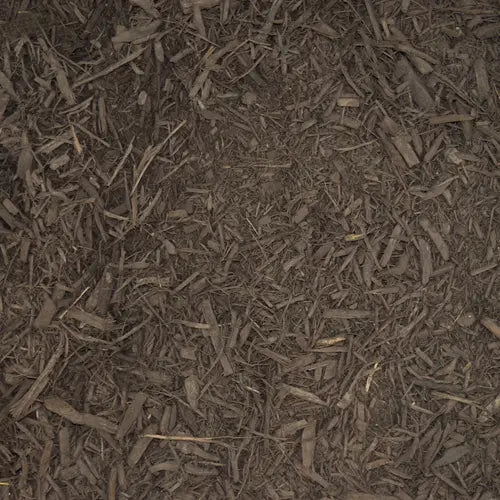
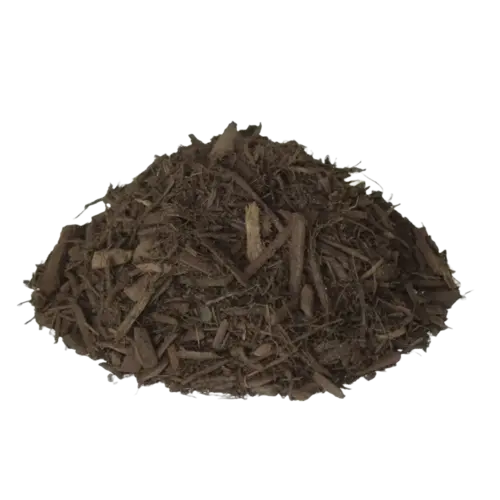
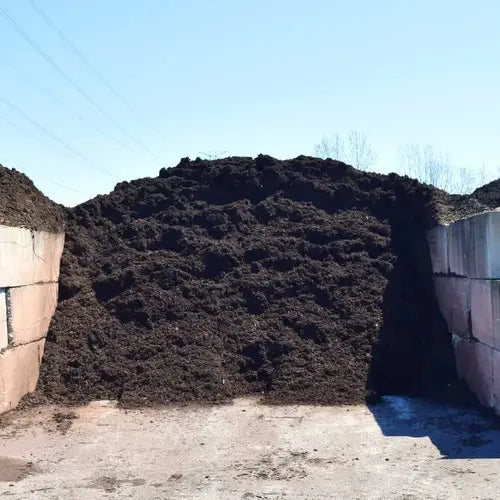
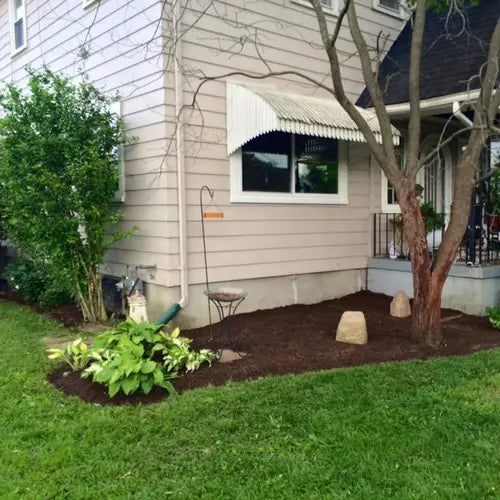
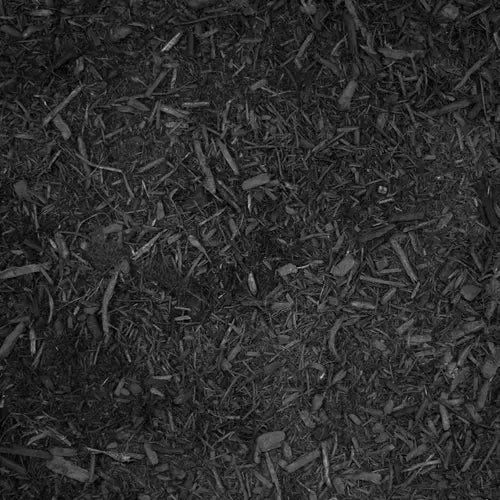
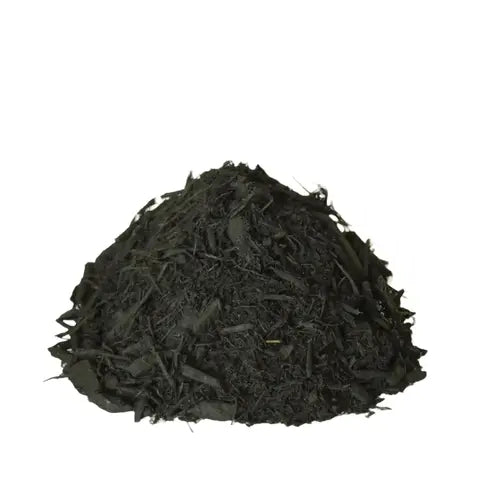
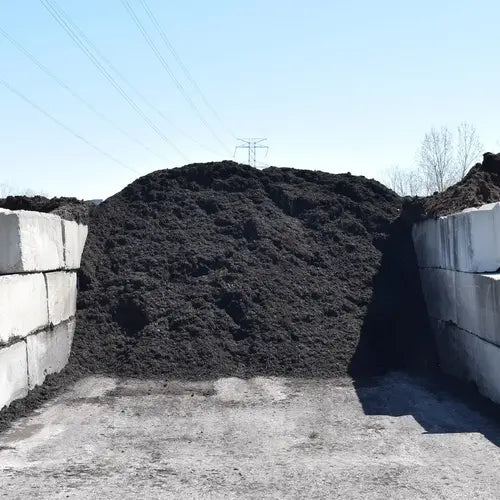
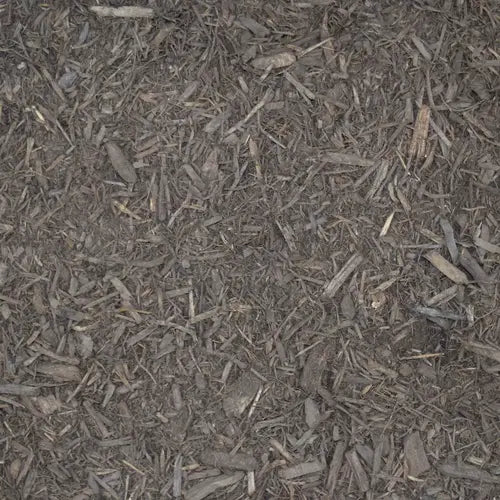
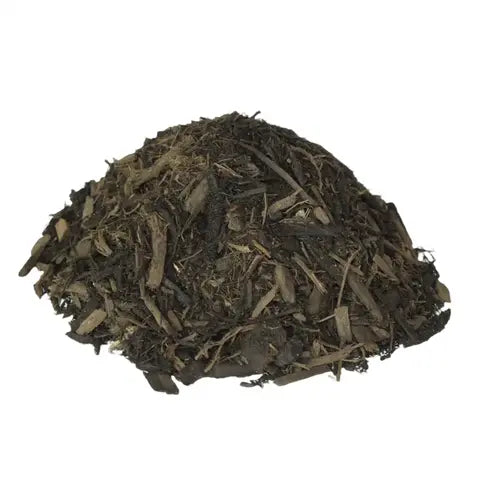
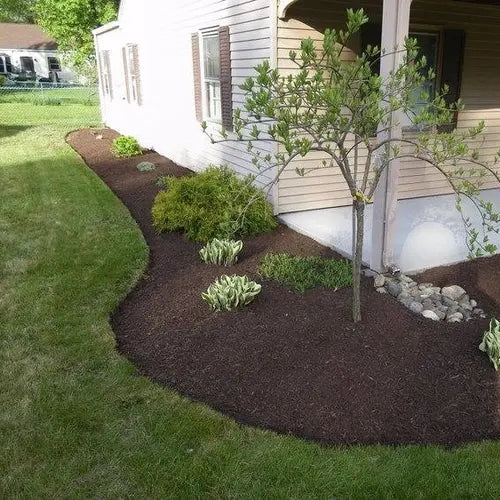
Warm brown double shredded mulch with lasting color that looks freshly applied for weeks. Spreads smooth, stays put, and gives beds a natural, polished appearance.
We needed mulch for our HOA common areas. Local providers were all holding high prices even for 40 yards of mulch. Mulch mound was easy to wowith & has great price for natural mulch + delivery schedule options. They called before delivery to ensure Delivery was exactly wher...
Tell us what you're looking for
Thanks! We received your request.
Something went wrong. Please try again.
How Much Material Do I Need?
For Quincy's silt loam beds, a 2 to 3 inch layer gives the best balance of moisture retention and weed suppression without smothering plant crowns. Beds in heavier shade may do fine with 2 inches, while sun-exposed beds along south-facing foundations benefit from the full 3 inches.
Use our free mulch calculator
What is a yard?
A yard is approximately 27 cubic feet. As a general guideline, one yard of material can cover an area of about 100-160 square feet at a 2-3 inch depth.
We can't take orders for this right now. Tell us what you need and we'll get back to you.
What do you need?
Thanks! We received your request.
Something went wrong. Please try again.
Hand-picked local yards
4,000+ regional deliveries
Dedicated support
Why order through Mulch Mound
The best local mulch, without the guesswork.
We hand-pick and partner with the best yards in your region, keep only the ones our buyers rate well, and back each load with our guarantee.
Mulch Mound Guarantee
If your mulch isn't the quantity or quality you ordered, we'll make it right.
About this mulch
Warm brown double shredded mulch with lasting color that looks freshly applied for weeks. Spreads smooth, stays put, and gives beds a natural, polished appearance.
We needed mulch for our HOA common areas. Local providers were all holding high prices even for 40 yards of mulch. Mulch mound was easy to wowith & has great price for natural mulch + delivery schedule options. They called before delivery to ensure Delivery was exactly wher...
How Much Material Do I Need?
For Quincy's silt loam beds, a 2 to 3 inch layer gives the best balance of moisture retention and weed suppression without smothering plant crowns. Beds in heavier shade may do fine with 2 inches, while sun-exposed beds along south-facing foundations benefit from the full 3 inches.
Use our free mulch calculator
What is a yard?
A yard is approximately 27 cubic feet. As a general guideline, one yard of material can cover an area of about 100-160 square feet at a 2-3 inch depth.
We needed mulch for our HOA common areas. Local providers were all holding high prices even for 40 yards of mulch. Mulch mound was easy to wowith...
Read full review
We needed mulch for our HOA common areas. Local providers were all holding high prices even for 40 yards of mulch. Mulch mound was easy to wowith & has great price for natural mulch + delivery schedule options. They called before delivery to ensure Delivery was exactly where we wanted it.
Delivery was on time and great quality Mulch. Got it done in a reasonable time and yard looks great. Couldn’t be happier!!! Thank you and will us...
Read full review
Delivery was on time and great quality Mulch. Got it done in a reasonable time and yard looks great. Couldn’t be happier!!! Thank you and will use again!!
Mulch Mound delivered a yard of pea gravel to us. Delivery was on time, driver was friendly and hit a bullseye on the “tarp target”. We used the ...
Read full review
Mulch Mound delivered a yard of pea gravel to us. Delivery was on time, driver was friendly and hit a bullseye on the “tarp target”. We used the pea gravel (which was diameter as specified) to fill several muskrat holes around our pond. I would definitely recommend Mulch Mound to a friend!
To estimate mulch for your Quincy beds, measure each bed's square footage, multiply by 0.25 for a 3 inch depth, and divide by 27 to get cubic yards. Quincy's variable spring rainfall can make it tempting to go thinner on mulch, but the silt loam surface needs a full 2 to 3 inch layer to resist crusting and weed pressure through the summer. Always round your total up to the nearest half yard to ensure you do not run short mid-project.
Mulch vs. No Mulch: The Difference
Quincy's zone 6a climate puts mulch through real seasonal stress, with freezing winters and warm, humid summers that accelerate the breakdown of organic material. Natural hardwood mulch breaks down within one to two seasons in these conditions, which means it continually feeds your silt loam soil with organic matter that helps resist compaction and improve drainage. Dyed or colored mulch uses more processed wood fiber that breaks down more slowly, holding its rich appearance through Quincy's spring and summer rainfall while still providing basic insulation and weed suppression across your beds.
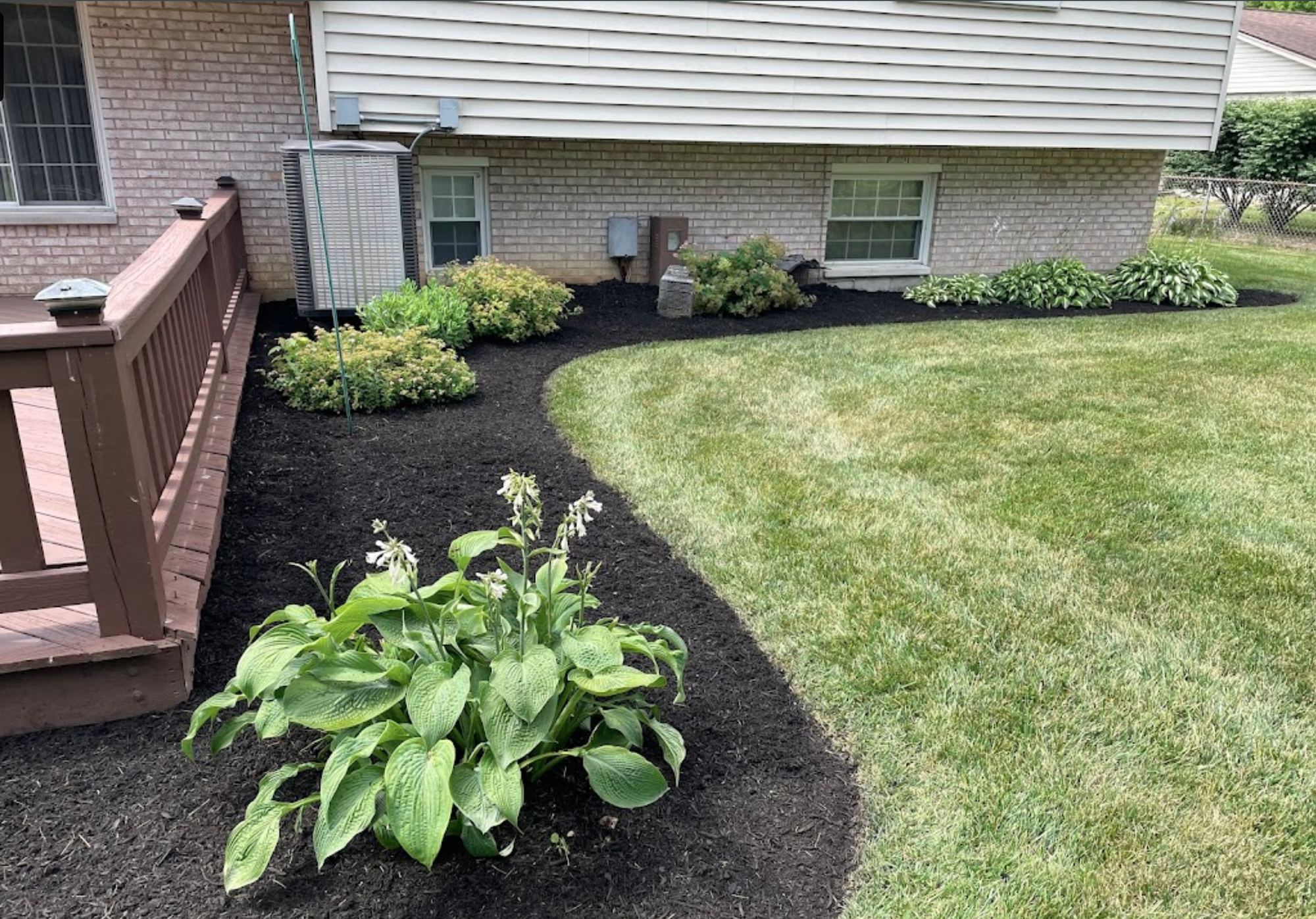
Before
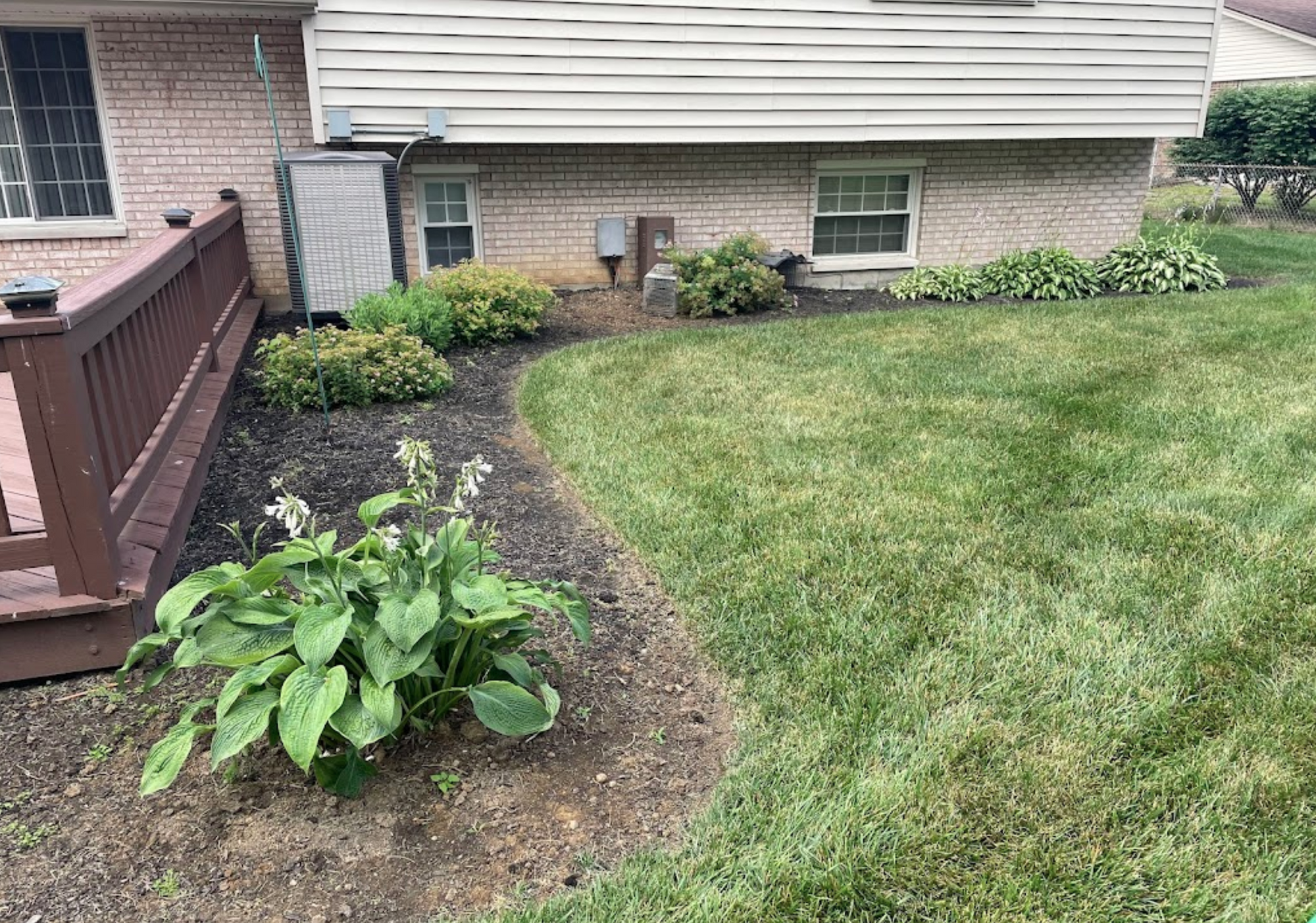
After
Best Mulch Choice for Quincy Lawns
Most yards in the Quincy area sit on Silt Loam type of soil. Quincy's native silt loam soil has a naturally low organic matter content that leaves plant beds prone to compaction and poor water infiltration during dry spells. Choosing a mulch that actively improves that profile as it breaks down gives your beds a structural benefit that goes well beyond surface appearance.
Hardwood Mulch
Hardwood mulch is one of the strongest choices for Quincy's silt loam beds because as it decomposes it releases tannins and lignin that physically bind silt particles together, reducing the surface crusting that cuts off air and water exchange at the root zone. Over two to three seasons of steady breakdown, hardwood mulch measurably increases the organic matter percentage of silt loam, which improves drainage, nutrient retention, and the ability of plant roots to penetrate deeper into the soil profile.
Mulch Types We Deliver in Quincy
Mulch Mound delivers bulk mulch by the cubic yard straight to driveways and landscape beds across western Illinois. If you have been searching for bulk mulch delivery in Quincy, we make ordering simple with no bags to haul and no trips to the store. Our mulch arrives fresh and ready to spread across the clay-heavy soils and established beds common throughout this part of the state.
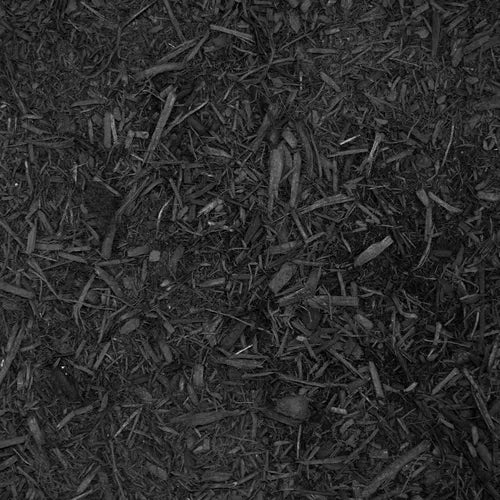
Dyed Black Mulch
Available in double shredded, Dyed Black Mulch delivers bold contrast that makes green plants and lighter stone pop. The rich color holds through hot summers and heavy spring rains, making it a reliable choice for the traditional brick homes and established landscapes found throughout this part of Illinois.
Dyed Brown Mulch
Dyed Brown Mulch is double shredded for a clean, polished finish that suits the mature trees and mixed plantings typical of western Illinois yards. The warm tone blends naturally with brick, wood, and stone accents while lasting color keeps beds looking freshly applied well into fall.
Natural Brown Mulch
Natural Brown Mulch is double shredded from real wood with no added dye, offering an earthy tone that complements the clay-rich soil and open lawns common in this region. It spreads smoothly, breaks down to feed the soil over time, and suits gardeners who prefer an honest, understated look.
Complete Your Outdoor Mulch Project
If your Quincy beds need more than just a fresh top layer, pairing mulch with an amended bulk garden soil can correct the compaction and low organic matter that silt loam develops over time. Adding a stone border or pathway around your beds also keeps mulch from washing into grass areas during Quincy's heavier spring downpours.
Quincy's silt loam soil seals over quickly after bare soil is exposed to summer sun and rain. Before you spread mulch each spring, loosen the top inch of soil in your beds with a hand rake to break up any crust that formed over winter. This simple step helps your mulch layer bond with the surface and allows the first few rains to penetrate rather than run off the edges of your beds, which is a common frustration for Quincy homeowners who mulch over a hardened surface.
Mulch Mound Pro Tip
Zone 6a winters in Quincy can bring hard freezes well before December, so timing your fall mulch refresh matters more than most homeowners realize. Apply your second layer of mulch in mid-October, right around the first frost date, to insulate perennial roots before the ground freezes solid. Waiting too long means the soil may already be partially frozen, which reduces how well the mulch can moderate temperature swings through January and February and leaves tender root systems more exposed.
Mulch Mound Pro Tip
With Quincy receiving around 37 inches of rain each year, mulch depth management is as important as the initial application. Heavy spring rains can thin a mulch layer faster than expected by washing finer particles into low spots across your beds. Walk your beds after major rain events and redistribute or top-dress any areas where the layer has dropped below 2 inches, paying special attention to the downhill edges of sloped beds that are common on Quincy's gently rolling terrain.
Frequently Asked Questions
Click a question to see the answer
Answer
How thick should I apply mulch in my Quincy flower beds?
In Quincy, where silt loam soil can crust and compact during dry summer spells, aim for a 2 to 3 inch layer across your beds. Going thinner than 2 inches leaves the soil surface exposed to sun and reduces your weed suppression. Going much beyond 3 inches can trap too much moisture during Quincy's wetter spring months and encourage fungal issues near plant stems.
Answer
When is the best time of year to mulch in Quincy?
The ideal window is right after the last frost, typically around April 15 in Quincy. Applying mulch then helps the soil warm evenly heading into spring and stops early weed seeds from getting established. A second light top-dress before the October 15 first frost adds insulation for perennial root systems heading into the zone 6a winter.
Answer
Will mulch help with the compaction problems I see in my Quincy yard beds?
Quincy's native silt loam does not have the heavy clay content of soils further east, but it does compact under foot traffic and rainfall impact. Mulch reduces compaction in beds by cushioning raindrop impact, which is what drives silt particles together and seals the surface. Over time, as natural mulch breaks down into the silt loam, it also adds organic matter that helps the soil stay loose and drain properly.
Answer
Does Quincy's annual rainfall affect how often I need to replace my mulch?
Quincy averages about 37 inches of rain per year, which is enough moisture to steadily break down natural hardwood mulch over 12 to 18 months. You should plan to refresh your beds annually, adding an inch or so on top of what remains rather than stripping and replacing the whole layer. The partially decomposed material underneath is actually beneficial because it feeds your silt loam soil with organic matter.
Answer
Is colored or dyed mulch safe to use around my vegetable garden?
Most quality dyed mulches use iron oxide or carbon-based colorants that are considered safe, but many Quincy gardeners prefer natural hardwood or shredded wood mulch around edibles out of an abundance of caution. Natural mulch also breaks down faster in zone 6a conditions, contributing more organic matter to your vegetable beds before the season ends in October. If color matters to you in ornamental areas, dyed mulch holds its appearance well through Quincy's spring rains.
Answer
How much mulch do I need for a typical Quincy front yard bed?
Measure the length and width of each bed in feet and multiply them together, then multiply by your desired depth in feet, which is 0.25 feet for a 3 inch layer. Divide that number by 27 to convert cubic feet to cubic yards. A modest Quincy front bed of around 100 square feet at 3 inches deep needs roughly 1 cubic yard, though most homeowners with multiple beds order 3 to 5 yards at a time to make bulk delivery worthwhile.
Answer
Will mulch help me keep weeds down near my foundation plantings?
Yes, and it matters especially along foundations in Quincy where silt loam soil at grade level tends to stay moist longer after spring rains. That moisture creates a strong environment for weed seeds to germinate. A 2 to 3 inch mulch layer blocks light from reaching those seeds and dramatically reduces the number of weeds that push through. Keep the mulch pulled back an inch or two from the actual stem of your shrubs to avoid moisture buildup against the bark.
The Unique Landscape of Quincy
Quincy's silt loam soil is highly susceptible to surface crusting during the hot, dry stretches of summer, which suffocates plant roots and causes water to run off rather than soak in. A consistent layer of mulch breaks that cycle by shielding the soil surface and keeping moisture where plants actually need it. With roughly 37 inches of rain spread across the year, Quincy beds cycle through alternating wet and dry phases that stress shallow-rooted plants without proper insulation. Mulch moderates those swings, keeping soil temperatures more stable as you move from a late spring frost around April 15 into the full heat of a zone 6a summer. Come fall, that same layer protects root systems as nights drop quickly toward the October 15 first frost. Keeping 2 to 3 inches of fresh mulch across your beds every season is one of the most effective things a Quincy homeowner can do to reduce maintenance and improve long-term plant health.