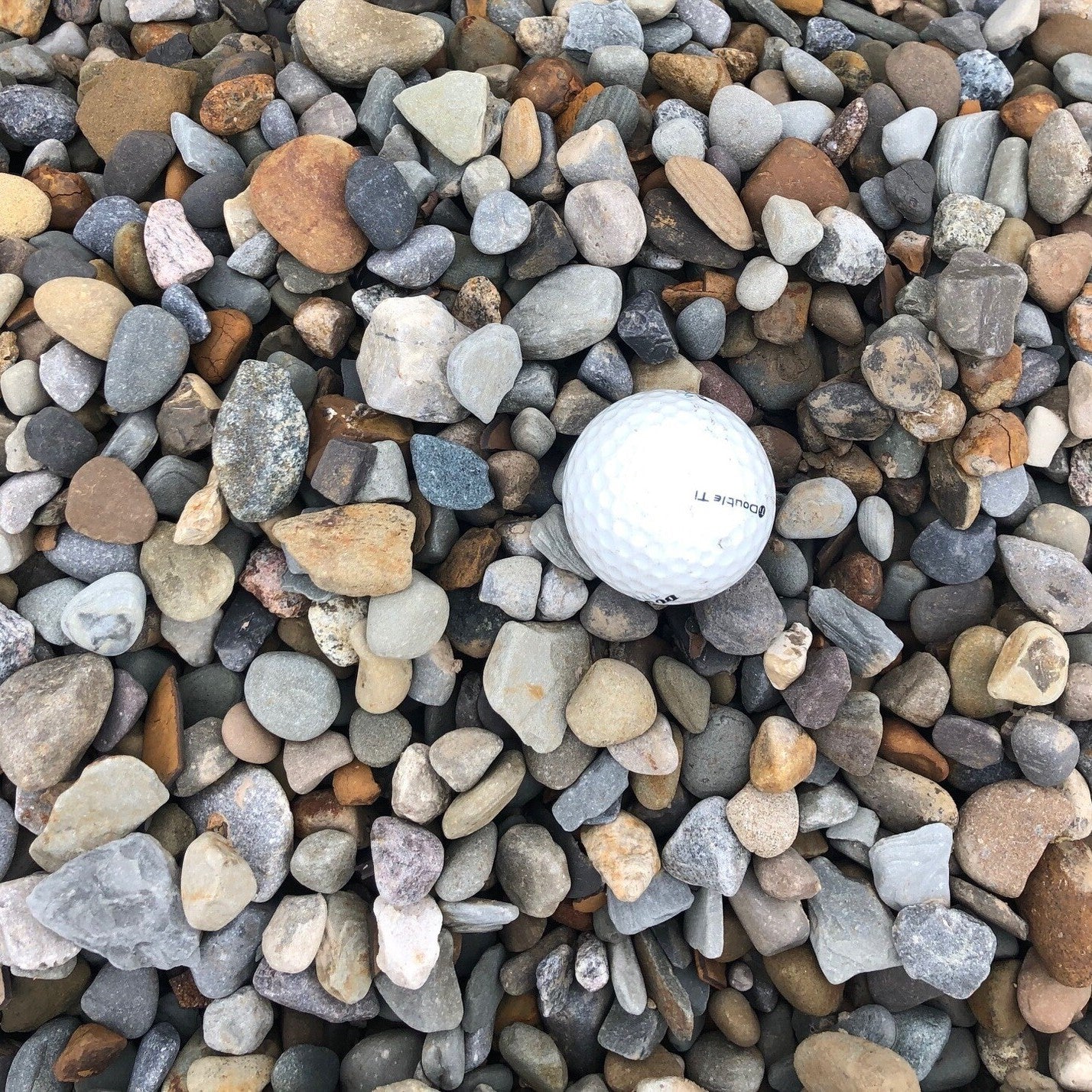
Number 57 crushed stone, angular limestone graded to about three quarters of an inch. The standard driveway, base and drainage gravel, it locks together under traffic and drains fast.
I used Mulch Mound to have 3 cubic yards of garden soil delivered. The process was easy and I love that I didn't have to call anyone. I placed my order online, picked my delivery date, laid out my tarp and the dirt was delivered. My delivery had to be pushed back, but I was ke...
Tell us what you're looking for
Thanks! We received your request.
Something went wrong. Please try again.
How Much Material Do I Need?
For decorative and pathway stone in Quincy, a 2 to 3 inch depth is standard for ground cover and weed suppression. For drainage applications or vehicle areas placed over silt loam subgrade, increase to 4 to 6 inches to ensure the stone layer does not sink into the soft soil over time.
Use our free gravel calculator
What is a yard?
A yard is approximately 27 cubic feet. As a general guideline, one yard of material can cover an area of about 100-160 square feet at a 2-3 inch depth.
We can't take orders for this right now. Tell us what you need and we'll get back to you.
What do you need?
Thanks! We received your request.
Something went wrong. Please try again.
Hand-picked local yards
4,000+ regional deliveries
Dedicated support
Why order through Mulch Mound
The best local stone, without the guesswork.
We hand-pick and partner with the best yards in your region, keep only the ones our buyers rate well, and back each load with our guarantee.
Mulch Mound Guarantee
If your stone isn't the quantity or quality you ordered, we'll make it right.
About this stone
Number 57 crushed stone, angular limestone graded to about three quarters of an inch. The standard driveway, base and drainage gravel, it locks together under traffic and drains fast.
I used Mulch Mound to have 3 cubic yards of garden soil delivered. The process was easy and I love that I didn't have to call anyone. I placed my order online, picked my delivery date, laid out my tarp and the dirt was delivered. My delivery had to be pushed back, but I was ke...
How Much Material Do I Need?
For decorative and pathway stone in Quincy, a 2 to 3 inch depth is standard for ground cover and weed suppression. For drainage applications or vehicle areas placed over silt loam subgrade, increase to 4 to 6 inches to ensure the stone layer does not sink into the soft soil over time.
Use our free gravel calculator
What is a yard?
A yard is approximately 27 cubic feet. As a general guideline, one yard of material can cover an area of about 100-160 square feet at a 2-3 inch depth.
I used Mulch Mound to have 3 cubic yards of garden soil delivered. The process was easy and I love that I didn't have to call anyone. I placed my o...
Read full review
I used Mulch Mound to have 3 cubic yards of garden soil delivered. The process was easy and I love that I didn't have to call anyone. I placed my order online, picked my delivery date, laid out my tarp and the dirt was delivered. My delivery had to be pushed back, but I was kept informed via text, which was great. So why not 5 stars? The description of garden soil on the website is "A balanced mix of topsoil and organic amendments ready for raised beds, flower gardens, and new planting areas. Good drainage, solid nutrients, easy to work with." What I got was more like fill dirt. It had a lot of gravel, a lot of clay, and random trash mixed in. I didn't test the soil to see if it actually had "amendments" because I already have compost and alpaca manure ready to add, but if I'd known the quality of the dirt was going to be the same as the bagged dirt I bought last year, I probably would have gotten 2 yards of top soil and a yard of leaf compost for better quality, especially since the leaf compost is cheaper. Photo of my mountain of dirt and just some of the trash I found in it.
Really appreciate the care and follow thru that this company had with our order. A hiccup came up but they were quick to respond and address all co...
Read full review
Really appreciate the care and follow thru that this company had with our order. A hiccup came up but they were quick to respond and address all concerns, which made our garden day a success! Thank you for your prompt care.
To calculate stone for a Quincy project, measure your area in square feet and multiply by the depth in feet. A 2 inch layer equals 0.167 feet and a 4 inch layer equals 0.33 feet. Divide the result by 27 to get cubic yards. For areas with soft silt loam underneath, which is common across many Quincy yards, order slightly more than your calculation suggests because the base material may press down into the subgrade before it fully settles.
Stone Types We Deliver in Quincy
Mulch Mound makes it easy to get bulk stone delivered by the cubic yard to any home or landscape project in the area. If you have been looking for bulk gravel by the yard in Quincy, our straightforward ordering process and reliable delivery schedule mean you spend less time sourcing and more time building. We measure all stone by the cubic yard so you buy only what you need.
Pea Gravel
Pea gravel is a go-to choice for homeowners who want a low-maintenance surface that stands up to wet springs and hard winters. Its smooth, rounded stones in warm earth tones look natural on garden paths and patio borders, and perform well in the clay-heavy soils common across western Illinois.
Complete Your Outdoor Stone Project
Pairing stone pathways or borders with mulched planting beds creates a clean, defined look that handles Quincy's wet springs and dry summers without constant upkeep. If your project involves any grade changes around your stone areas, bulk topsoil can help establish the correct slope before you set stone, ensuring water drains where you intend rather than pooling beneath the surface.
In Quincy, silt loam soil can migrate into stone layers surprisingly fast, especially in areas that receive direct rainfall or sit near active downspouts. Before placing any decorative or pathway stone, compact the soil base firmly and install a quality woven geotextile fabric across the entire area. This single step extends the clean appearance of your stone by years and prevents the muddy, contaminated look that occurs when fine silt particles work their way up through the aggregate during wet weather.
Mulch Mound Pro Tip
Quincy's freeze-thaw cycle from late October through March can shift stone in pathways and borders if the base preparation is not deep enough to get below frost action. When installing stone pathways, excavate at least 4 inches below your planned finished grade, add a compacted layer of crushed limestone base material, and then set your decorative stone on top. This depth places the load below the zone where most of Quincy's winter frost movement occurs and keeps pathways level and safe through spring.
Mulch Mound Pro Tip
Stone around downspout outlets is one of the most underutilized solutions in Quincy landscaping, and one of the most practical given the local conditions. With 37 inches of rain per year, every downspout concentrates a large volume of water at a single point that quickly erodes silt loam and creates bare, muddy areas. Placing a 2 by 3 foot apron of river rock or crushed stone at each outlet dissipates the water energy before it contacts bare soil, protecting both your foundation grade and the surrounding lawn areas that take the most wear.
The Unique Landscape of Quincy
Stone is one of the most practical and long-lasting landscaping materials for Quincy properties, where the combination of silt loam soil, freeze-thaw winters, and moderate annual rainfall creates real challenges for soft-surface areas. Silt loam compacts and becomes muddy under repeated foot traffic, making stone the obvious choice for pathways, utility areas, and anywhere you need a stable, all-weather surface. Quincy's 37 inches of annual rainfall also means that drainage matters everywhere on your property, and properly installed stone can direct water away from foundations, prevent erosion on sloped areas, and stop low spots from turning into seasonal mud problems. Along foundations, a stone border creates a dry buffer zone that discourages moisture from wicking into siding and reduces the insect harborage that damp mulch and soil can create near the base of your home. Stone also eliminates annual maintenance costs because it does not break down or need to be replaced the way organic materials do, making it ideal for high-traffic zones or any area where you want a permanent solution that handles Quincy's variable climate without constant attention.
Frequently Asked Questions
Click a question to see the answer
Answer
What size stone works best for a backyard pathway in Quincy?
For a walkable pathway in a Quincy yard, pea gravel or 3/8 inch crushed stone is the most popular choice because the smaller pieces pack together well underfoot without being too loose to walk on comfortably. Avoid larger decorative stone for pathways because individual pieces shift under foot pressure and can be uncomfortable over time. A 2 to 3 inch depth of compacted crushed stone over a landscape fabric base gives you a stable surface that handles Quincy's spring mud season without turning into a rutted mess.
Answer
Will stone help with the drainage problems in my low-lying Quincy backyard?
Stone is one of the most effective tools for managing drainage in Quincy yards where silt loam limits how quickly water moves through the soil profile. Installing a layer of clean drainage stone, such as number 57 or number 2 limestone, in a low area or along a French drain trench creates a fast-moving pathway for water to exit before it saturates the surrounding yard. Unlike silt loam, which seals under water pressure, open-graded stone maintains its drainage capacity through repeated wet cycles.
Answer
Is stone a good option for a low-maintenance border along my Quincy home's foundation?
Absolutely. A 12 to 18 inch wide band of stone along your Quincy home's foundation serves several purposes at once. It keeps mulch and organic material away from siding, which reduces moisture damage and pest entry points near the base of the structure. It also creates a quick-draining buffer so that Quincy's spring rains move away from the foundation rather than soaking into the silt loam that sits up against your house. River rock or crushed limestone at 2 to 3 inches deep over landscape fabric gives a clean look that needs almost no maintenance from year to year.
Answer
How much stone do I need for a gravel parking area or driveway apron?
For a gravel surface that holds up to vehicle traffic in Quincy, you need at least 4 inches of compacted base stone. Calculate your area in square feet, multiply by 0.33 feet for a 4 inch depth, and divide by 27 to get cubic yards. A typical one-car parking pad of 200 square feet needs about 2.5 cubic yards. For areas with soft underlying silt loam, adding a geotextile fabric before placing stone extends the life of the surface significantly by preventing the stone from sinking into the subgrade.
Answer
What type of stone works best for erosion control on a sloped part of my Quincy yard?
Quincy's silt loam is particularly vulnerable to erosion on slopes because the fine particles travel easily with moving water. For slope stabilization, larger riprap stone in the 4 to 8 inch range is the most effective because the weight and irregular shape lock together and resist the force of flowing water. For more moderate slopes, a 3 to 4 inch layer of mixed aggregate or smaller crushed stone installed over landscape fabric provides solid protection while maintaining a neater appearance than riprap.
Answer
Can I use decorative stone in my Quincy flower beds instead of mulch?
You can, and some Quincy homeowners prefer stone in beds around shrubs or in spots that are hard to access for annual mulch refreshing. Keep in mind that stone does not add organic matter to your silt loam soil the way mulch does, so beds with a stone top-dressing may need supplemental fertilizer over time. Stone also absorbs and radiates heat, which can stress shallow-rooted plants during Quincy's July and August heat. It works best around heat-tolerant shrubs, ornamental grasses, or in purely decorative beds with no herbaceous perennials.
Answer
Do I need landscape fabric under my stone in Quincy, or is it optional?
For most decorative stone applications in Quincy, landscape fabric is a worthwhile investment because silt loam has a tendency to migrate upward into stone layers over time through a process called soil migration. Without fabric, a clean stone bed can become discolored and muddy looking within a couple of seasons, especially in areas that receive direct rainfall. Use a woven geotextile rather than thin plastic sheeting for best results, as it allows water to pass through freely while blocking the silt particles below.