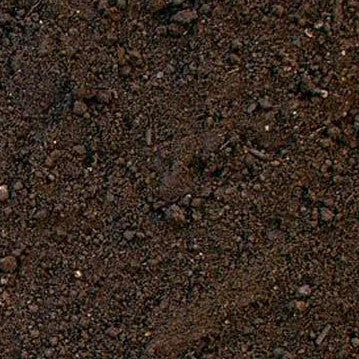
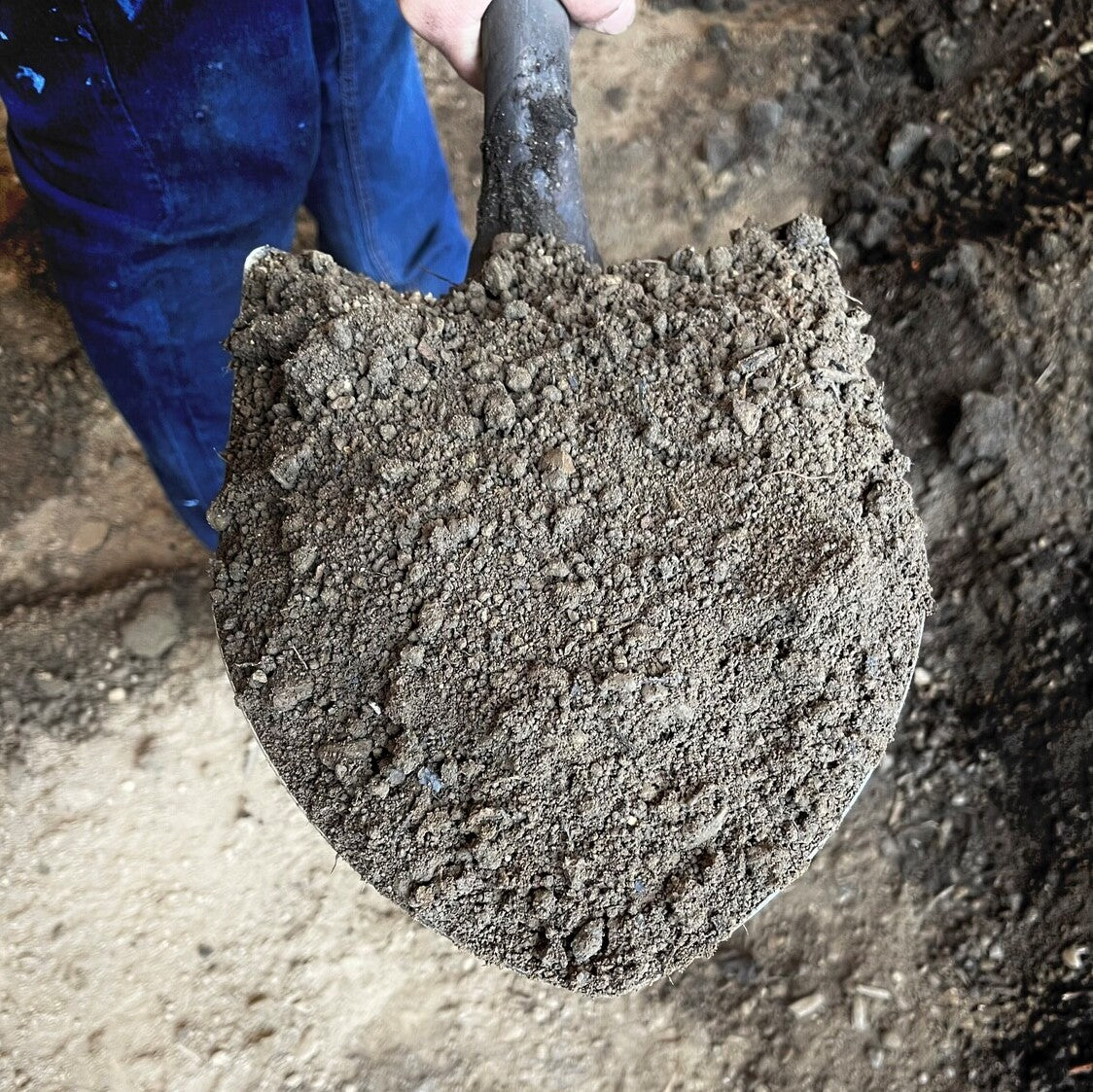
Quality topsoil for lawns, gardens, and landscape projects. Nutrient rich and ready to support strong root development and healthy plant establishment.
My experience with Mulch Mound was great and super easy. I ordered two yards of screened topsoil and was able to get it delivered within 2 days. They came in my requested time frame (afternoon) and dropped it off where I asked on my driveway. The topsoil was exactly what was a...
Tell us what you're looking for
Thanks! We received your request.
Something went wrong. Please try again.
How Much Material Do I Need?
For garden bed preparation in Quincy, adding 4 to 6 inches of quality soil on top of existing silt loam and then tilling the two layers together creates a root zone that resists compaction and drains better through the wet spring months. For simple low-spot filling in lawns, a 2 to 4 inch lift is usually enough to restore surface grade and improve drainage.
Use our free soil calculator
What is a yard?
A yard is approximately 27 cubic feet. As a general guideline, one yard of material can cover an area of about 100-160 square feet at a 2-3 inch depth.
We can't take orders for this right now. Tell us what you need and we'll get back to you.
What do you need?
Thanks! We received your request.
Something went wrong. Please try again.
Hand-picked local yards
4,000+ regional deliveries
Dedicated support
Why order through Mulch Mound
The best local soil, without the guesswork.
We hand-pick and partner with the best yards in your region, keep only the ones our buyers rate well, and back each load with our guarantee.
Mulch Mound Guarantee
If your soil isn't the quantity or quality you ordered, we'll make it right.
About this soil
Quality topsoil for lawns, gardens, and landscape projects. Nutrient rich and ready to support strong root development and healthy plant establishment.
My experience with Mulch Mound was great and super easy. I ordered two yards of screened topsoil and was able to get it delivered within 2 days. They came in my requested time frame (afternoon) and dropped it off where I asked on my driveway. The topsoil was exactly what was a...
How Much Material Do I Need?
For garden bed preparation in Quincy, adding 4 to 6 inches of quality soil on top of existing silt loam and then tilling the two layers together creates a root zone that resists compaction and drains better through the wet spring months. For simple low-spot filling in lawns, a 2 to 4 inch lift is usually enough to restore surface grade and improve drainage.
Use our free soil calculator
What is a yard?
A yard is approximately 27 cubic feet. As a general guideline, one yard of material can cover an area of about 100-160 square feet at a 2-3 inch depth.
My experience with Mulch Mound was great and super easy. I ordered two yards of screened topsoil and was able to get it delivered within 2 days. Th...
Read full review
My experience with Mulch Mound was great and super easy. I ordered two yards of screened topsoil and was able to get it delivered within 2 days. They came in my requested time frame (afternoon) and dropped it off where I asked on my driveway. The topsoil was exactly what was advertised, clean with no rocks or other debris. The price was reasonable. I plan to use them again in a couple weeks to order compost for my garden beds.
To figure out how much soil you need, multiply your area in square feet by your fill depth in feet and divide by 27 to get cubic yards. In Quincy, silt loam naturally compresses after rain, so build in a 10 to 15 percent overage in your order to account for settling, especially if you are doing large-scale grading where the material needs to hold a consistent finished height through the wet season.
Soil Types We Deliver in Quincy
Quincy homeowners and landscapers trust us for bulk topsoil by the yard in Quincy, delivered straight to your driveway or job site. Whether you are filling raised beds, leveling a lawn, or starting a new garden, having the right soil foundation makes all the difference in this part of western Illinois. We deliver by the cubic yard with no trip to a garden center required.
Screened Top Soil
A clean, finely screened topsoil that works beautifully for lawns, vegetable gardens, and general landscaping across Quincy properties. The screening process removes rocks, clumps, and debris, leaving a nutrient-rich blend that supports strong root development and healthy plant establishment in the region's variable clay-influenced soil conditions.
Complete Your Outdoor Soil Project
After grading and filling with bulk soil, top your beds with mulch to lock in moisture and prevent the silt loam surface from crusting over during summer dry spells. If you are defining pathways or borders around your new garden areas, crushed stone makes a clean, low-maintenance edge that holds up well through Quincy's wet springs and freezing winters.
My Quincy backyard has low spots that flood after heavy rain. Will adding bulk soil fix that?
Low spots that collect water after Quincy's spring and early summer rains are a common issue on silt loam lots because the fine particles settle unevenly over time and create subtle depressions. Adding bulk soil to raise and level those areas can help, but the fix works best when you also improve the underlying drainage. Fill the low spot gradually and compact in layers, making sure the finished grade slopes water away from your foundation and toward a natural outlet in your yard.
Answer
What kind of soil should I use for raised vegetable beds in Quincy?
For raised beds in Quincy, you want a blended mix that is lighter and more open than native silt loam, which can compact tightly in a contained bed and restrict root growth. Look for a blend that includes compost, since zone 6a vegetables need to establish quickly in the roughly six months between the April 15 last frost and the October 15 first frost. A raised bed gives you total control over your growing medium and sidesteps Quincy's native soil compaction challenges entirely.
Answer
How do I calculate how much soil to order for a grading project?
Calculate your area in square feet and multiply by the depth of fill you need in feet, then divide by 27 to get cubic yards. For a Quincy yard where you are raising a low spot by 3 inches over a 500 square foot area, you would need roughly 4.6 cubic yards. It is wise to add 10 percent to that estimate because silt loam settling after Quincy's spring rains can require a second pass to maintain your finished grade.
Answer
Can I use bulk topsoil to improve thin or patchy areas of my Quincy lawn?
Yes, topdressing thin lawn areas with a light layer of quality soil, about a quarter inch at a time, helps fill in the micro-depressions in Quincy yards where water pools and grass struggles to stay thick. Because Quincy's silt loam can become compacted and drain poorly over time, improving the top layer gives new seed better contact with the soil and more oxygen for germination. The best time to topdress in Quincy is late summer or early fall, giving grass enough time to root before the October 15 first frost.
Answer
My yard seems to dry out really fast in summer even though Quincy gets decent rainfall. What is happening?
Quincy's silt loam can develop a hard surface crust during hot, dry stretches between summer rains, and once that crust forms, water runs off instead of soaking in. The soil just a few inches below may actually be quite dry even after rain fell last week. Adding a top layer of quality amended soil and working it into the existing profile can break up that sealing tendency, especially if the mix includes compost that keeps the surface from hardening between rain events.
Answer
Is there a best time of year to do major soil work in Quincy?
Spring after April 15 and fall before mid-October are both good windows for soil work in Quincy. Spring soil work lines up well with planting season, though you want to wait until the ground is no longer saturated from snowmelt. Fall is often the better choice for large grading projects because the soil tends to be drier and easier to move, and material that settles over winter will be ready to plant right at last frost the following spring.
Answer
Will fresh soil I place on top of my yard just wash away during Quincy rainstorms?
Freshly placed silt-based soil is definitely vulnerable to erosion from heavy rain before vegetation or mulch covers the surface. In Quincy, where spring rains can be intense, plan to either seed immediately after grading or cover fresh soil with mulch or erosion control fabric until plants establish. Sloped areas are especially at risk, so if you are working on a grade, try to complete the project during a dry stretch and get seed or protective cover down within a day or two of finishing.
Mulch Mound Pro Tip
Quincy's freeze-thaw cycle between October and April can cause freshly placed soil to heave and shift, especially in low-traffic areas that do not get compacted by foot traffic over winter. If you are doing a fall grading project, add your soil in layers and lightly compact each lift before adding the next. This simple approach reduces how much settling and re-grading you will face when the ground thaws in spring and you are ready to plant.
Mulch Mound Pro Tip
Silt loam soil in Quincy has decent natural fertility but low organic matter, which limits how long it can support heavy feeding plants like tomatoes or perennial grasses without amendment. When you bring in bulk topsoil, consider blending it with the existing native soil at roughly 1 part new soil to 2 parts native rather than simply layering on top. Mixing the two creates a more uniform root zone and prevents the drainage boundary that can trap water between layers during wet weather.
Mulch Mound Pro Tip
Before placing any bulk soil for a leveling or bed project in Quincy, check your planned finished grade against your home's foundation and any surface drains on the property. The goal is always to slope soil away from structures at a minimum drop of 1 inch per foot for the first 6 feet. With 37 inches of annual rainfall, even a small grade error toward a foundation can cause persistent moisture problems in basements and crawl spaces that compound with each passing season.
The Unique Landscape of Quincy
While Quincy's native silt loam is considered a productive agricultural soil, urban and suburban lots often have a very different profile after years of construction activity, heavy grading, and repeated landscaping work. Topsoil gets stripped during building, subsoil gets compacted by machinery, and what remains may drain poorly and lack the organic matter needed to support a healthy lawn or productive garden. At Quincy's elevation of around 600 feet, properties on slopes also lose silt-rich topsoil to erosion after heavy rains, which at 37 inches per year can be a meaningful and ongoing problem. Bringing in quality bulk soil lets you restore or build up grade, prepare raised beds, and give new plantings the root environment they need to establish before the short zone 6a growing season ends in October. Whether you are leveling low spots in a lawn that freezes and heaves each winter or filling raised vegetable beds ahead of the April 15 last frost, bulk soil gives you control over your growing conditions that you cannot get by working with degraded native silt alone.