




Ordered Dirt. Received Dirt. Would Buy Again.
About this soil
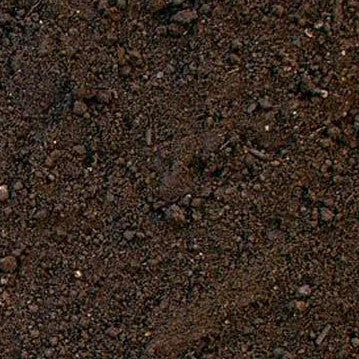
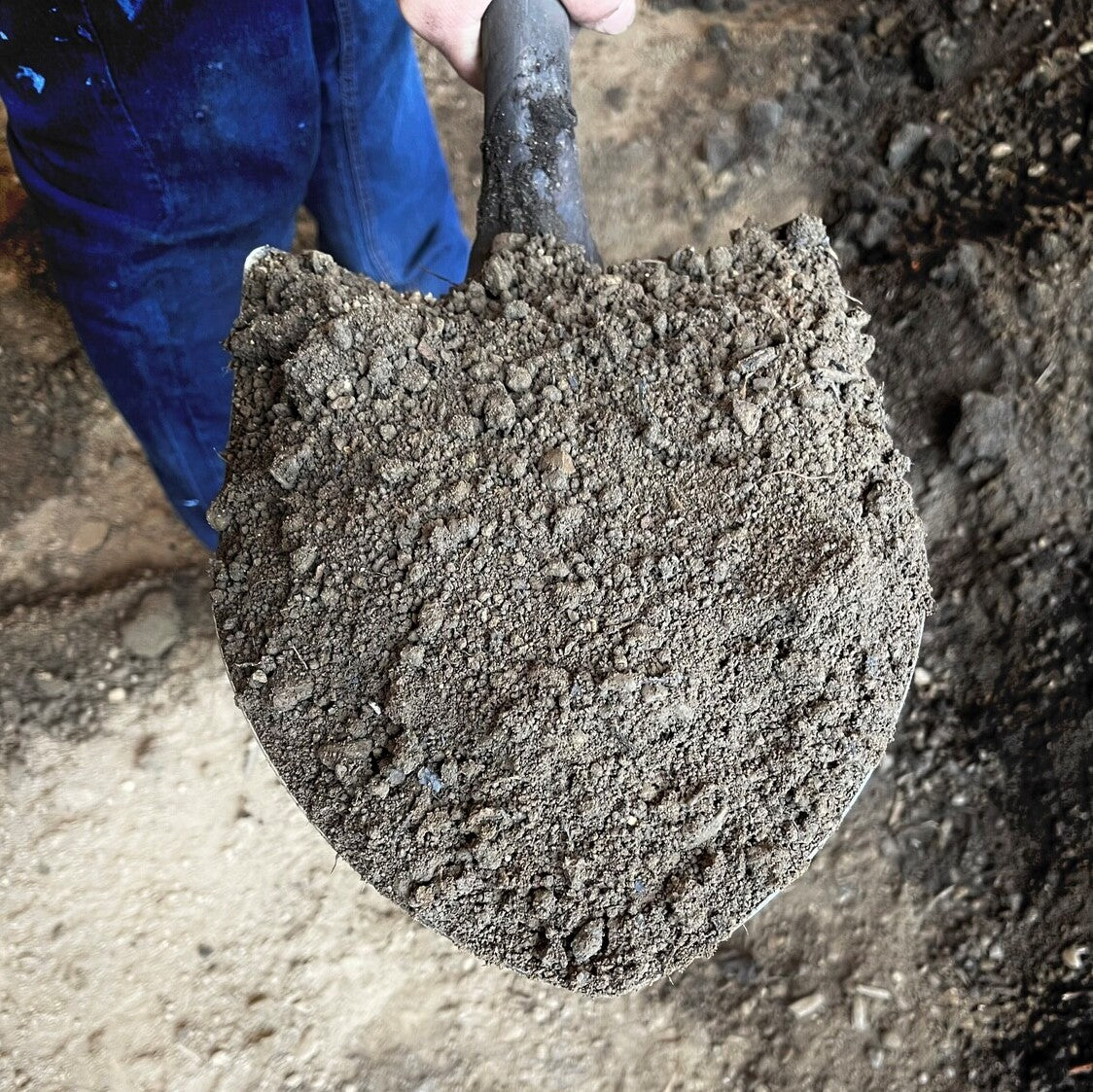
Screened topsoil with a fine, even texture. Ideal for new lawns, sod prep, and raised garden beds.
Ordered Dirt. Received Dirt. Would Buy Again.
Tell us what you're looking for
Thanks! We received your request.
Something went wrong. Please try again.
How Much Material Do I Need?
How Much Material Do I Need?
For establishing new planting beds in Richland, plan on at least 8 to 12 inches of quality soil depth to give roots adequate room and moisture buffering capacity in this dry climate. For lawn top dressing or leveling, a 1 to 2 inch layer of screened topsoil is usually sufficient.
Use our free soil calculator
What is a Yard?
What is a Yard?
FAQs
FAQs
Richland Soil Delivery
Richland Soil Delivery
Regular price
$83.00
per
Yard
Regular price
Sale price
$83.00
Unit price
per
Shipping calculated at checkout.
Minimum of 3 Yard
Couldn't load pickup availability
Not currently available
We can't take orders for this right now. Tell us what you need and we'll get back to you.
Hand-picked local yards
4,000+ regional deliveries
Dedicated support
Why order through Mulch Mound
The best local , without the guesswork.
We hand-pick and partner with the best yards in your region, keep only the ones our buyers rate well, and back each load with our guarantee.
Mulch Mound Guarantee
If your isn't the quantity or quality you ordered, we'll make it right.
About this soil
Screened topsoil with a fine, even texture. Ideal for new lawns, sod prep, and raised garden beds.
Ordered Dirt. Received Dirt. Would Buy Again.
How Much Material Do I Need?
How Much Material Do I Need?
For establishing new planting beds in Richland, plan on at least 8 to 12 inches of quality soil depth to give roots adequate room and moisture buffering capacity in this dry climate. For lawn top dressing or leveling, a 1 to 2 inch layer of screened topsoil is usually sufficient.
Use our free soil calculator
What is a Yard?
What is a Yard?
FAQs
FAQs
Tell us what you're looking for
Thanks! We received your request.
Something went wrong. Please try again.
How It Works
Getting started is easy — just follow these simple steps
1
Choose your soil
Make sure you adjust the quantity to your home's needs. You can use our calculator to estimate how much you'll need.
2
Select your delivery date
Select a delivery date you'd like for the product to be dropped off at your home
3
Sit back and wait
Sit back, wait, and let us work our magic to make sure the highest quality product is delivered to your driveway.


Placing an order online was so easy. Delivery was on time. When the driver realized we had a newly poured driveway they erred on the side of cautio...
Read full review
Placing an order online was so easy. Delivery was on time. When the driver realized we had a newly poured driveway they erred on the side of caution and opted not ti drive in it. The company even sent me a message explaining that call. Would recommend!
Need Help Calculating How Much Soil You Need?
Use our NEW Trace from Satellite tool to get an estimate for your project based on an aerial view of your property
Try Our CalculatorFor raised beds, multiply length times width times depth in feet and then divide by 27 to convert cubic feet into cubic yards. For top dressing existing lawn or garden areas, decide on your target depth first, typically 2 to 4 inches, and use the same formula. It is always better to order slightly more than your estimate because leftover soil can fill low spots, top off beds, or be used for potting projects.
Complete Your Outdoor Soil Project
After your soil is placed and graded, finishing with a layer of bulk mulch over ornamental and vegetable beds will protect the moisture you are working hard to build into your new planting zone. Pairing quality soil with the right stone edging can also help define beds and prevent soil from migrating into lawn areas.
Mulch Mound Pro Tip
Richland's irrigation water, drawn from the Columbia River system, is relatively mineral-rich and can gradually raise soil pH over time with repeated watering. When you bring in new garden soil, test its pH before planting and check again after a full growing season. If you notice vegetables or acid-loving plants struggling, a soil pH adjustment could be the issue rather than fertilizer or watering habits. Starting with good baseline knowledge saves a lot of troubleshooting later.
Mulch Mound Pro Tip
When filling raised beds in Richland, mix a generous portion of compost into your bulk soil order before it goes into the bed rather than just layering compost on top afterward. The goal is to create a uniform blend throughout the root zone so moisture is retained evenly from top to bottom. Richland's low rainfall means your raised bed soil needs to hold as much water as possible with each irrigation cycle, and a well-blended compost-soil mix does that far better than either material alone.
Mulch Mound Pro Tip
In Richland's warm growing zone 7b, soil in raised beds and south-facing in-ground beds heats up quickly by late May. For cool season crops like lettuce, spinach, and peas, plan to have them planted and harvested before late June because the soil temperatures will become too warm for quality production. Knowing your soil warms fast here actually helps you time plantings more precisely and squeeze two cool season rounds into the shoulder seasons on either side of the Richland summer.
The Unique Landscape of Richland
Richland's native sandy loam is a fast-draining soil that supports some plants well but makes growing vegetables, lush lawns, or water-sensitive ornamentals genuinely difficult without amendment. With only 8 inches of annual rainfall, there is very little natural moisture input to compensate for the soil's limited water retention, meaning plants rely almost entirely on irrigation to survive the summer months. Brought-in quality topsoil or blended garden soil can dramatically improve planting outcomes, especially in raised beds, new lawn areas, and vegetable gardens where root depth and moisture retention matter most. Richland's growing zone 7b offers a real growing season from late April through mid-October, and making the most of that window starts with giving plants a soil environment where they can actually thrive. At 404 feet of elevation the climate is warmer and drier than higher elevation parts of Eastern Washington, which means soil quality choices here are different from what works in the mountains nearby. Building better soil in Richland is not a luxury, it is the foundational step for any landscape that is expected to perform through a long, dry summer.