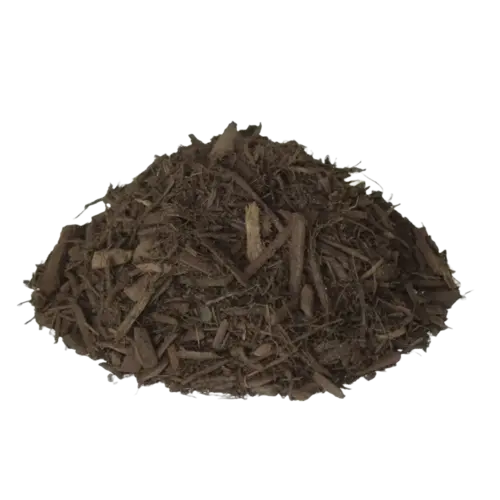
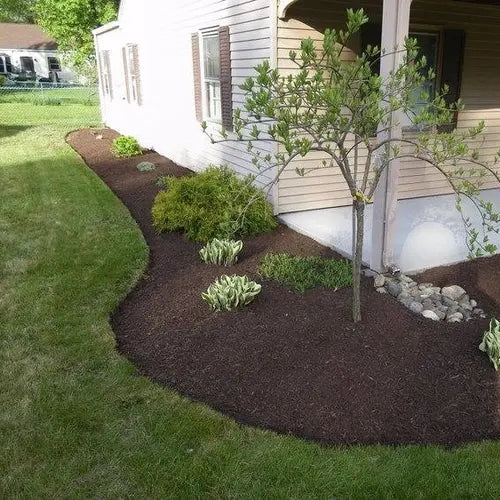
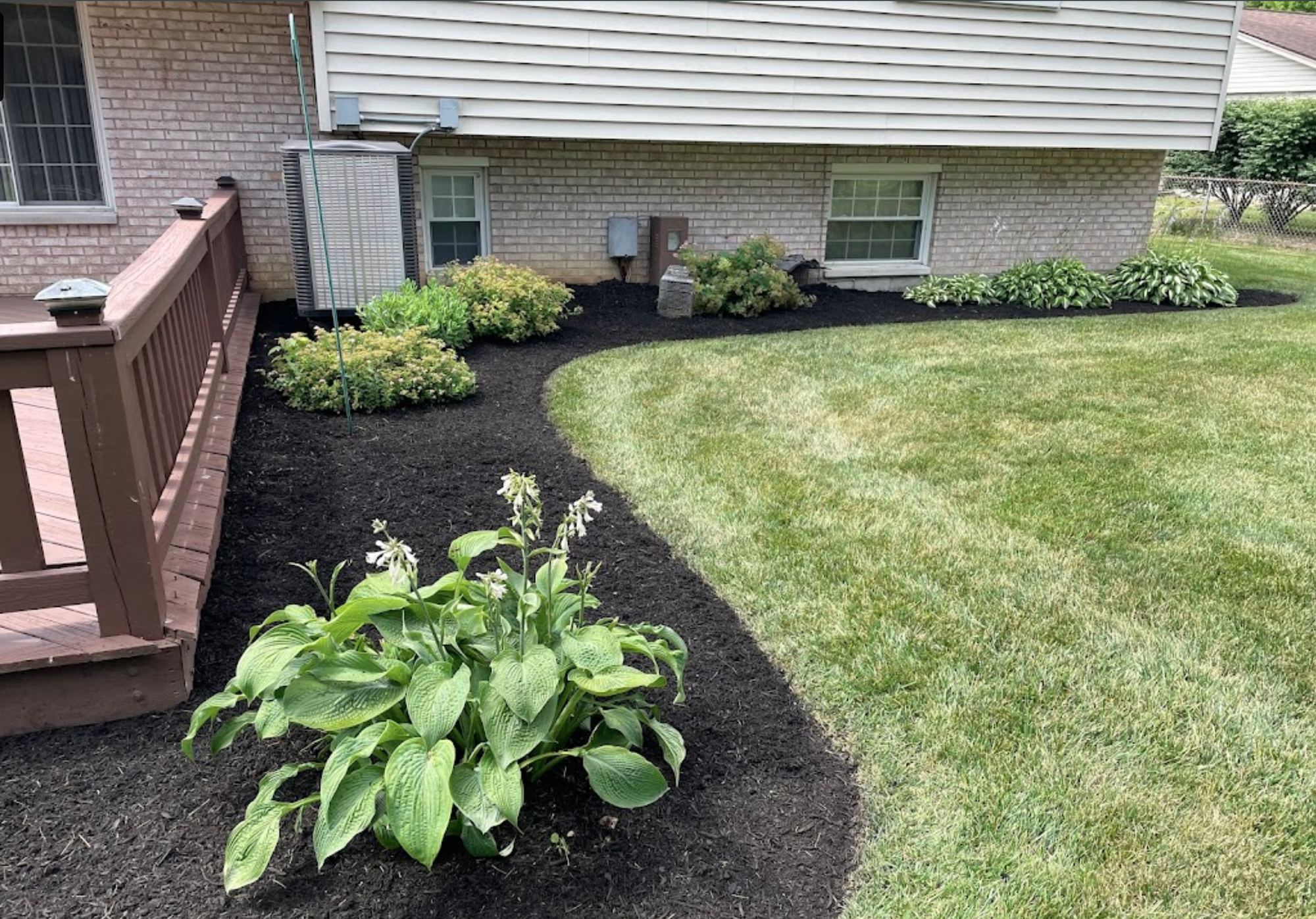
Warm brown double shredded mulch with lasting color that looks freshly applied for weeks. Spreads smooth, stays put, and gives beds a natural, polished appearance.
Delivery was on time and great quality Mulch. Got it done in a reasonable time and yard looks great. Couldn’t be happier!!! Thank you and will use again!!
Tell us what you're looking for
Thanks! We received your request.
Something went wrong. Please try again.
How Much Material Do I Need?
Richmond's silt loam soil benefits most from a 3-inch mulch layer in garden beds, which provides enough insulation for Zone 6a winters and enough bulk to reduce moisture evaporation during dry summer stretches. For play areas or pathways, 4 inches of mulch gives better cushioning and longevity through Richmond's active weather seasons.
Use our free mulch calculator
What is a yard?
A yard is approximately 27 cubic feet. As a general guideline, one yard of material can cover an area of about 100-160 square feet at a 2-3 inch depth.
We can't take orders for this right now. Tell us what you need and we'll get back to you.
What do you need?
Thanks! We received your request.
Something went wrong. Please try again.
Hand-picked local yards
4,000+ regional deliveries
Dedicated support
Why order through Mulch Mound
The best local mulch, without the guesswork.
We hand-pick and partner with the best yards in your region, keep only the ones our buyers rate well, and back each load with our guarantee.
Mulch Mound Guarantee
If your mulch isn't the quantity or quality you ordered, we'll make it right.
About this mulch
Warm brown double shredded mulch with lasting color that looks freshly applied for weeks. Spreads smooth, stays put, and gives beds a natural, polished appearance.
Delivery was on time and great quality Mulch. Got it done in a reasonable time and yard looks great. Couldn’t be happier!!! Thank you and will use again!!
How Much Material Do I Need?
Richmond's silt loam soil benefits most from a 3-inch mulch layer in garden beds, which provides enough insulation for Zone 6a winters and enough bulk to reduce moisture evaporation during dry summer stretches. For play areas or pathways, 4 inches of mulch gives better cushioning and longevity through Richmond's active weather seasons.
Use our free mulch calculator
What is a yard?
A yard is approximately 27 cubic feet. As a general guideline, one yard of material can cover an area of about 100-160 square feet at a 2-3 inch depth.
Delivery was on time and great quality Mulch. Got it done in a reasonable time and yard looks great. Couldn’t be happier!!! Thank you and will us...
Read full review
Delivery was on time and great quality Mulch. Got it done in a reasonable time and yard looks great. Couldn’t be happier!!! Thank you and will use again!!
Mulch Mound delivered a yard of pea gravel to us. Delivery was on time, driver was friendly and hit a bullseye on the “tarp target”. We used the ...
Read full review
Mulch Mound delivered a yard of pea gravel to us. Delivery was on time, driver was friendly and hit a bullseye on the “tarp target”. We used the pea gravel (which was diameter as specified) to fill several muskrat holes around our pond. I would definitely recommend Mulch Mound to a friend!
I can’t say enough good things about Mulch Mound! If you read my review below you will see I had a problem with my order. Mulch Mou...
Read full review
UPDATE!
I can’t say enough good things about Mulch Mound! If you read my review below you will see I had a problem with my order. Mulch Mound was quick to respond and solved the issue with my delivery. Will definitely be a customer next year.
First time purchase from Mulch Mound!! First what I liked! Easy to order online and straight forward pricing and delivery. The driver was on time and courteous and delivered my Mulch exactly where I requested! The product is of good quality and comparable to others I have purchased from before. Now what I DID’NT LIKE! I have been mulching the same house and yard for almost 20 years. I always order the same amount and don’t have any issues with covering the same area but this year I fell about a yard short. I was home when the mulch was delivered and when the driver dumped it I noticed that it seemed a bit less than I was used to. I didn’t apply it any thicker than usual and probably a bit thinner than usual because I was worried about running out.
Measure the length and width of each bed in feet, then multiply to get square footage. At the recommended 3-inch depth for Richmond's climate, divide your total square feet by 108 to get the cubic yards you need. If you have sloped beds that tend to lose material to Richmond's spring rains, add 10 to 15 percent to your estimate to account for that seasonal loss.
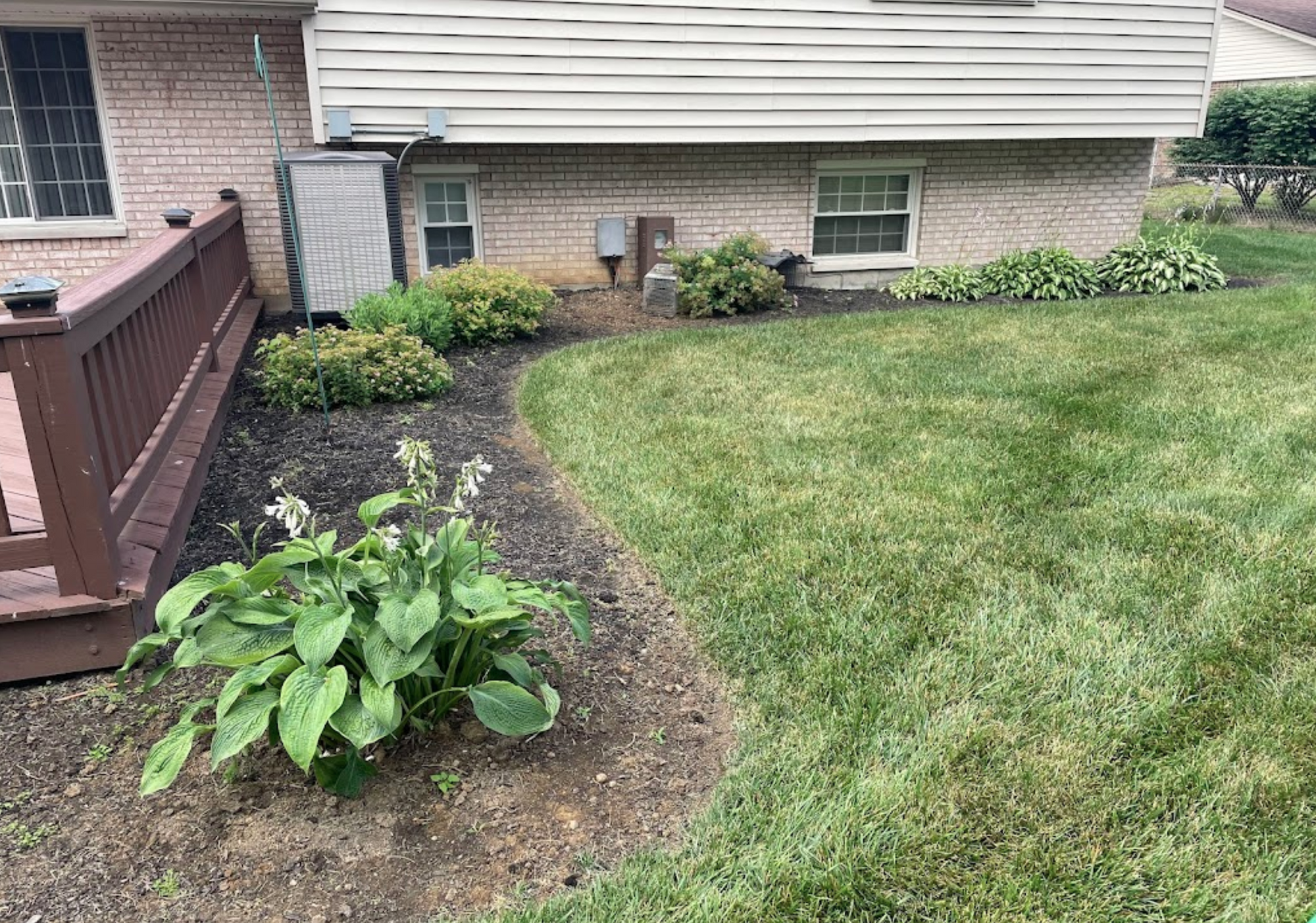
Mulch vs. No Mulch: The Difference
Richmond's combination of humid summers and consistent rainfall means natural hardwood mulch breaks down faster here than in drier climates, feeding the soil with organic matter but requiring more frequent replenishment to stay at an effective depth. Dyed mulches use a denser wood base that decomposes more slowly, which can be an advantage if you want longer color retention through Richmond's full growing season from late April to mid-October. The choice often comes down to whether your priority is improving silt loam soil structure over time or maintaining a consistent decorative appearance with less frequent refreshing.
Before
After
Best Mulch Choice for Richmond Lawns
Most yards in the Richmond area sit on Silt Loam type of soil. Richmond's silt loam soil is prone to surface compaction and can become water-repellent during dry midsummer spells, which stresses plant roots and reduces the effectiveness of rainfall when it does come. A fresh mulch layer over your beds gives plant roots a buffer zone that stays loose and workable even when the underlying soil tightens up during the drier stretches of July and August.
Hardwood Mulch
As hardwood mulch breaks down on top of Richmond's silt loam, it introduces organic matter that loosens soil aggregates and gradually improves the drainage and aeration that fine-textured silt loam naturally lacks. Over several seasons of consistent hardwood mulch application, the upper few inches of your bed soil will become noticeably darker, looser, and more productive than the surrounding undisturbed native ground.
Mulch Types We Deliver in Richmond
Mulch Mound delivers bulk mulch by the cubic yard directly to homes and properties throughout the area. If you have been searching for bulk mulch delivery in Richmond, we carry dyed and natural varieties suited to the clay soils and four-season weather common across eastern Indiana.
Dyed Black Mulch
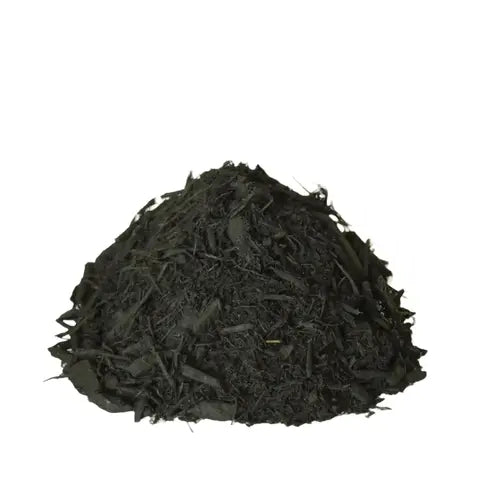
A striking choice for homeowners who want beds that command attention. Available in double shredded and triple shredded styles, the deep black color holds up well through warm summers and wet springs. The fine texture spreads easily over clay-heavy soil and keeps a clean, polished look all season.
Dyed Brown Mulch
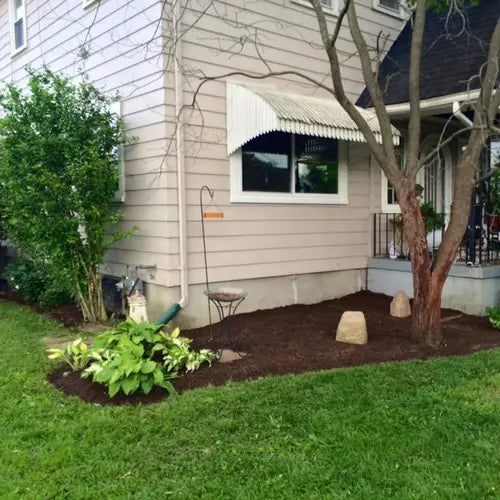
The warm brown tone complements brick and stone exteriors common throughout this part of Indiana. Available in double shredded and triple shredded styles, this color is a natural fit for front yards and foundation plantings, spreading smooth and staying put through heavy seasonal rains.
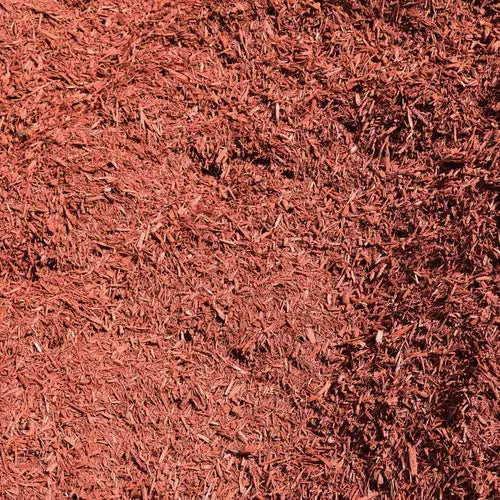
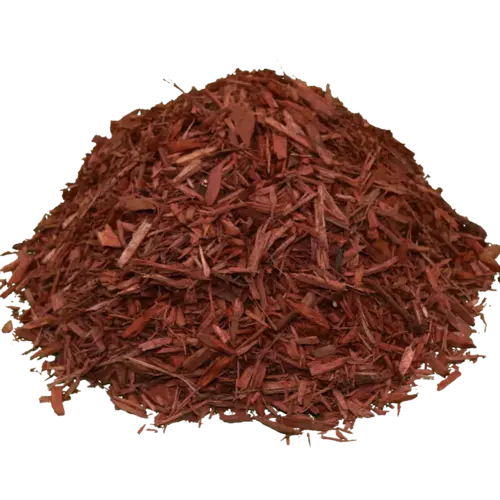
Dyed Red Mulch
A vivid option that makes landscape beds stand out against green lawns. Available in triple shredded and double shredded styles, with the triple shredded finish offering the finest silky texture. The bold color holds its intensity through sun and rain across the full growing season.
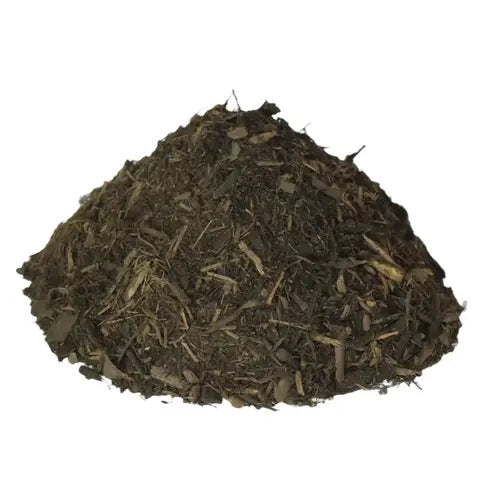
Natural Brown Mulch
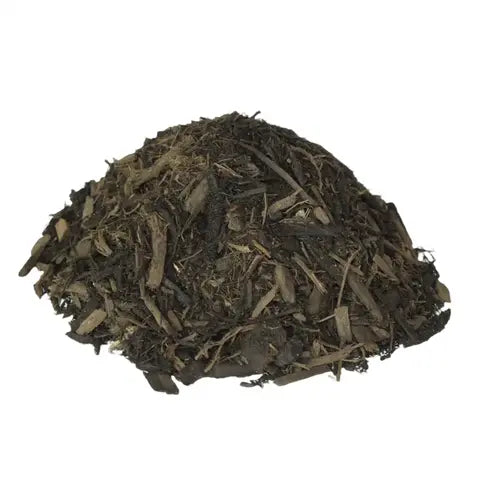
An undyed option for gardeners who prefer an honest, organic look. Available in double shredded and triple shredded styles, the earthy wood tone pairs naturally with native plantings and the mature tree canopy common in older residential yards throughout this part of Indiana.
Complete Your Outdoor Mulch Project
If your beds need a nutrient and structure boost before mulching, our bulk garden soil is an ideal first step to refresh compacted or depleted Richmond beds before you layer mulch on top. Pairing mulch with a stone border also gives your landscape a clean, defined edge that holds up through Richmond's wet spring season and keeps bed material from migrating into lawn areas.
Richmond's freeze-thaw cycles between November and March can heave plant roots if beds go into winter without insulation. Apply your final mulch layer in the first two weeks of October, before the October 15 frost date, so the soil retains some warmth when it gets covered. This timing protects root crowns without locking in the deep cold that comes with a late application after the ground has already frozen hard.
Mulch Mound Pro Tip
Silt loam soil in Richmond tends to form a surface crust after heavy rainfall events, which reduces water infiltration into the root zone. Keeping a consistent mulch layer over your beds acts as a physical buffer, breaking the energy of falling raindrops before they can compact the soil surface. This is especially important in spring when Richmond typically sees its heaviest multi-day rain events and plant roots are actively growing and most sensitive to oxygen-poor compacted soil.
Mulch Mound Pro Tip
With 43 inches of annual rainfall, Richmond landscapes rarely face serious drought in a typical year, but that same moisture accelerates mulch decomposition during warm months. Choosing a coarser-ground hardwood mulch gives you a longer service life between applications compared to finely shredded material. Finer mulches break down faster and benefit soil health, but they require more frequent topping off to maintain the depth needed for effective weed suppression and moisture management through the full growing season.
Frequently Asked Questions
Click a question to see the answer
Answer
How much mulch do I need to protect my beds through a Richmond winter?
Richmond's Zone 6a winters regularly push soil temperatures below freezing before October 15, and a 3-inch layer of mulch is the standard protection for most perennial beds. For marginally hardy plants like some ornamental grasses or tender shrubs, pushing to 4 inches over the root zone adds meaningful insulation during the coldest stretches between December and February.
Answer
Will mulch help with the surface compaction I see in my Richmond planting beds after heavy rains?
Yes, this is one of the most practical benefits of mulch on Richmond's silt loam soil. Silt loam compacts more easily than sandy or gravelly soils, especially after the heavy spring rains the area receives each year. Mulching your beds keeps the force of falling rain from directly hitting bare soil, which reduces the surface crusting that silt loam is prone to and helps keep the upper soil layer open and workable for roots.
Answer
Does the 43 inches of rain Richmond gets each year wash mulch out of my beds?
It can if your beds are not edged properly or if you are on a slope. Shredded hardwood mulch interlocks better than nugget-style mulch and tends to stay put through Richmond's spring downpours. Installing a clean bed edge, either with a spade or a physical edging material, gives the mulch a barrier to hold against and significantly reduces the migration that happens during heavy rainfall events.
Answer
When is the best time of year to apply mulch in Richmond?
The most effective window is mid to late April, after the last frost date of April 20 has passed and the soil has had a chance to warm up. Applying mulch too early in April can trap cold soil temperatures and slow plant emergence. A second light refresh in early October, before the first frost on October 15, helps insulate perennial roots heading into winter and gives beds a clean look going into the dormant season.
Answer
Does colored mulch hold up in Richmond's summer heat and direct sun?
Dyed mulches do fade faster in areas with direct afternoon sun, and Richmond summers bring plenty of it with temperatures regularly reaching the upper 80s in July and August. Choosing a double or triple-ground hardwood dyed mulch rather than a single-ground product gives you a denser material that holds color longer and breaks down more slowly over the growing season.
Answer
How often should I plan to replenish mulch in my Richmond landscape beds?
Most Richmond homeowners find that hardwood mulch needs a refresh every 12 to 18 months. The combination of Zone 6a freeze-thaw cycles and 43 inches of annual rainfall accelerates decomposition compared to drier or warmer climates. Rather than removing old mulch each time, you can top-dress with a fresh inch or two once the existing layer has broken down to less than 2 inches deep, which also adds organic matter to the underlying silt loam.
Answer
Is there a mulch type that works especially well with the silt loam soil common in Richmond?
Shredded hardwood mulch is an excellent match for silt loam because as it decomposes it adds organic matter that improves soil structure and drainage. Richmond's silt loam can become dense and slow-draining over time, and a steady supply of decomposing hardwood mulch on top of your beds gradually works organic material into the upper soil layer, which helps with both water infiltration and root development over multiple growing seasons.
The Unique Landscape of Richmond
Richmond's silt loam soil holds moisture reasonably well but compacts under foot traffic and heavy summer rains, making a protective mulch layer essential for keeping plant roots healthy and bed soil workable. With 43 inches of annual rainfall spread across all four seasons, bare soil in planting beds is constantly exposed to erosion and nutrient runoff that steadily degrades the quality of even well-prepared beds. Zone 6a winters bring hard freezes before October 15 and lingering cold past April 20, meaning soil temperatures swing dramatically and stress shallow-rooted plants without adequate insulation. A consistent 3-inch mulch layer buffers those temperature extremes and gives perennials and shrubs a fighting chance through Richmond's unpredictable spring thaw cycles. Managing weed pressure is also a real challenge here, since the combination of warm summers and reliable rainfall creates ideal conditions for weed seed germination in any exposed soil.