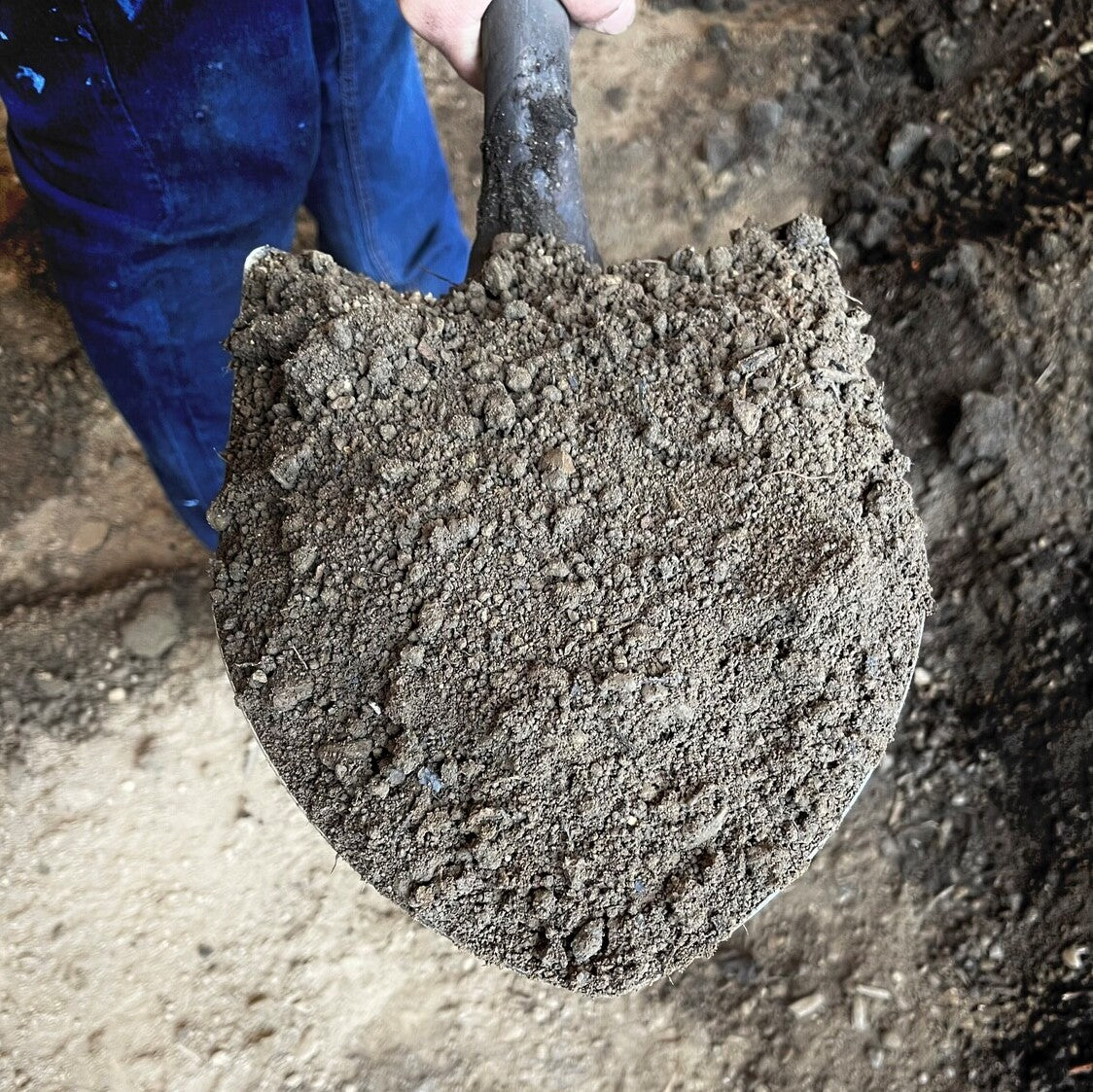
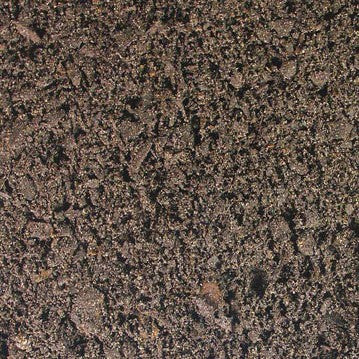
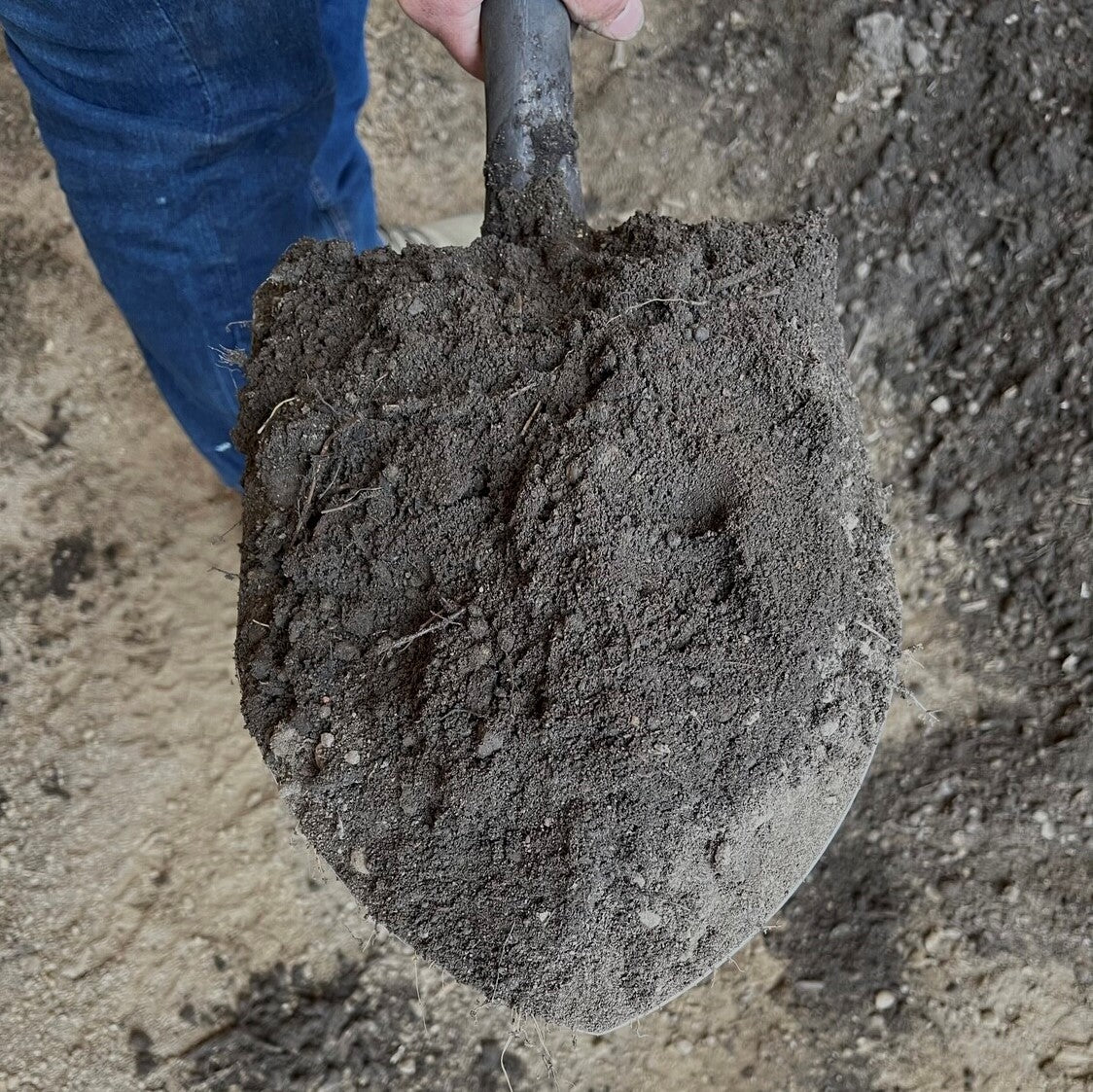
Quality topsoil for lawns, gardens, and landscape projects. Nutrient rich and ready to support strong root development and healthy plant establishment.
The website was intuitive and easy to navigate. The material was delivered the date and time it was scheduled, it was dropped off in the area i had specified on top of my tarp with no issues.
I ordered soil, the Gardening Blend that I received had too many plastic and m...
Tell us what you're looking for
Thanks! We received your request.
Something went wrong. Please try again.
How Much Material Do I Need?
For raised garden beds in Richmond, plan on at least 12 inches of quality soil depth to support strong root growth through the growing season from late April to mid-October. For lawn leveling and top-dressing applications, half an inch to 1 inch per pass is the effective range for working with Richmond's existing silt loam base without smothering the turf.
Use our free soil calculator
What is a yard?
A yard is approximately 27 cubic feet. As a general guideline, one yard of material can cover an area of about 100-160 square feet at a 2-3 inch depth.
We can't take orders for this right now. Tell us what you need and we'll get back to you.
What do you need?
Thanks! We received your request.
Something went wrong. Please try again.
Hand-picked local yards
4,000+ regional deliveries
Dedicated support
Why order through Mulch Mound
The best local soil, without the guesswork.
We hand-pick and partner with the best yards in your region, keep only the ones our buyers rate well, and back each load with our guarantee.
Mulch Mound Guarantee
If your soil isn't the quantity or quality you ordered, we'll make it right.
About this soil
Quality topsoil for lawns, gardens, and landscape projects. Nutrient rich and ready to support strong root development and healthy plant establishment.
The website was intuitive and easy to navigate. The material was delivered the date and time it was scheduled, it was dropped off in the area i had specified on top of my tarp with no issues.
I ordered soil, the Gardening Blend that I received had too many plastic and m...
How Much Material Do I Need?
For raised garden beds in Richmond, plan on at least 12 inches of quality soil depth to support strong root growth through the growing season from late April to mid-October. For lawn leveling and top-dressing applications, half an inch to 1 inch per pass is the effective range for working with Richmond's existing silt loam base without smothering the turf.
Use our free soil calculator
What is a yard?
A yard is approximately 27 cubic feet. As a general guideline, one yard of material can cover an area of about 100-160 square feet at a 2-3 inch depth.
The website was intuitive and easy to navigate. The material was delivered the date and time it was scheduled, it was dropped off in the area i had...
Read full review
The website was intuitive and easy to navigate. The material was delivered the date and time it was scheduled, it was dropped off in the area i had specified on top of my tarp with no issues.
I ordered soil, the Gardening Blend that I received had too many plastic and metal pieces for my liking thus lowering the score from a perfect 5/5 to a 4/5
Really appreciate the care and follow thru that this company had with our order. A hiccup came up but they were quick to respond and address all co...
Read full review
Really appreciate the care and follow thru that this company had with our order. A hiccup came up but they were quick to respond and address all concerns, which made our garden day a success! Thank you for your prompt care.
Measure your project area in feet and decide on your target depth, then multiply length times width times depth in feet and divide by 27 to get cubic yards. For Richmond raised beds, use a minimum of 1 foot of depth in your calculation to ensure adequate root zone. Adding 10 percent to your final estimate accounts for the settling that happens after Richmond's first few significant rain events soak the fresh material.
Soil Types We Deliver in Richmond
Whether you are building new garden beds or repairing a thin lawn, ordering bulk topsoil by the yard in Richmond makes the job easier. We deliver quality soil in full cubic yard loads straight to your property. The clay heavy ground common to this part of Indiana means most yards benefit from better amendments and organic matter.
Screened Top Soil
Filtered clean of rocks, roots, and debris, this screened topsoil offers a smooth and consistent texture ready for lawns, garden beds, raised beds, and finish grading. It blends well with the clay heavy native soils common across this region, giving new plantings a reliable and workable base to establish in.
Gardening Blend
A mix of topsoil and organic amendments built for raised beds, flower gardens, and new planting areas. Available in Standard and Premium grades to suit your project and budget, it drains well and is easy to work with, making it a natural fit for the vegetable and flower gardens common to Indiana homes.
Mushroom Compost
Spent mushroom substrate loaded with organic nutrients and slow release fertility that enriches garden beds and improves soil structure. The cool and rainy springs common to this part of Indiana make it a popular choice for gardeners building up vegetable beds and perennial borders each season.
Leaf Compost
Nutrient rich leaf compost that improves soil structure, boosts water retention, and feeds the beneficial microorganisms that keep gardens healthy. A smart pick for homeowners working to loosen compacted clay or build up thin topsoil where organic matter and drainage need attention.
Complete Your Outdoor Soil Project
Topping your freshly placed soil with a quality hardwood mulch protects the surface from Richmond's spring and summer rains and keeps the bed from crusting between watering events. Adding a stone border around raised beds or prepared garden areas also gives you a clean edge that holds up through the wet season and keeps surrounding lawn from creeping into your newly built soil.
What kind of soil should I bring in to level low spots in my Richmond lawn?
Screened topsoil is the most practical choice for leveling lawn areas in Richmond. The native silt loam can become uneven after winter frost heaving, and a quality screened topsoil blends well with the existing soil when you work it into low spots. Apply no more than half an inch at a time over existing turf so the grass can grow up through the fill without being smothered before the growing season gets going.
Answer
My raised bed soil in Richmond has gotten dense and drains slowly after a few seasons. How do I fix it?
This is a common issue in Richmond because the high annual rainfall and freeze-thaw cycles gradually break down the structure of any soil mix. The most effective fix is to add a blended garden soil or compost-enriched mix to your existing beds each spring before planting. Mixing in fresh material with good organic content restores the drainage and aeration that roots need through the full Richmond growing season from late April to mid-October.
Answer
When is the best time to bring in bulk soil for a Richmond garden or landscaping project?
Early spring, once the ground thaws and dries enough to work, is the ideal window for most Richmond soil projects. The last frost date of April 20 is the target for getting vegetable beds ready to plant, so ordering and spreading bulk soil in late March or early April gives you time to let it settle before transplants go in. Fall is also a practical time for lawn grade work, as soil can settle through winter and be ready for seeding the following April.
Answer
Will bringing in bulk topsoil improve drainage in a chronically wet area of my Richmond yard?
It depends on the type of topsoil and how you use it. A screened topsoil with good organic content placed over or mixed into compacted silt loam areas can improve drainage in mild situations. For seriously wet areas in a Richmond yard, bulk soil alone is not usually enough and you may need to address grading or install a drainage channel before adding soil on top. Pairing soil work with a stone-filled drainage swale can make a significant difference in spots that stay wet through Richmond's spring rainy season.
Answer
How deep should I fill a new raised bed for vegetables in Richmond?
A minimum of 10 to 12 inches of quality garden soil gives most vegetables the root depth they need to thrive, but 14 to 18 inches is better for root crops like carrots and potatoes. Given that Richmond's last frost is April 20, a deeper raised bed will also warm up faster in early spring than the surrounding native silt loam, giving you a meaningful head start on the growing season.
Answer
Is Richmond's native silt loam good enough to just amend, or do I need to bring in new soil entirely?
For established garden beds and intact lawn areas, amending the existing silt loam with compost and organic matter is often sufficient to improve productivity. But for new construction areas, compacted fill zones near foundations, or raised bed projects starting from scratch, bringing in quality bulk topsoil gives you a much better starting point than trying to rehabilitate heavily disturbed ground. Many Richmond yards in newer neighborhoods have had their native topsoil stripped during construction, leaving only compacted subsoil that does not respond well to simple amendment.
Answer
How much soil do I typically need for a backyard garden or yard project in Richmond?
For a raised bed that is 4 feet by 8 feet and 12 inches deep, you need approximately 1.2 cubic yards of soil. Bulk delivery becomes cost-effective when you are doing multiple beds or filling larger areas. Richmond homeowners doing full garden overhauls or lawn leveling projects typically order between 3 and 10 cubic yards depending on scope, and ordering 10 percent extra is smart since soil always settles more than expected after Richmond's first few heavy spring rains soak the material.
Mulch Mound Pro Tip
Richmond soil projects done in early spring need to account for the region's persistent freeze-thaw activity that can continue well into March. If you spread bulk soil before the last frost on April 20 and a late cold snap moves through, fresh soil in raised beds can freeze and heave, shifting the surface unevenly. Spreading and lightly firming your soil a couple of weeks before your planting date gives it time to settle and stabilize before transplants go in.
Mulch Mound Pro Tip
Zone 6a in Richmond means your soil needs to be workable and warm by the time the last frost passes on April 20. Dark-colored bulk topsoil absorbs solar heat faster than Richmond's native lighter silt loam, which can give raised beds a 3 to 5 degree soil temperature advantage in early spring. That difference can translate to getting warm-season crops like tomatoes and peppers established earlier and getting more production before the October 15 first frost closes the season.
Mulch Mound Pro Tip
When grading soil around a Richmond home foundation, always slope the finished grade away from the structure at a rate of at least 6 inches of drop over the first 10 feet. Richmond receives 43 inches of rain per year, and improper grading is one of the most consistent causes of basement and crawlspace moisture problems in the area. Bulk topsoil gives you the volume you need to correct grade issues without importing expensive engineered fill materials.
The Unique Landscape of Richmond
Richmond's native silt loam is a workable soil but it compacts easily and can drain poorly after the heavy spring rains that Zone 6a brings each year, creating challenges for both new planting projects and existing lawn areas. When you are building raised beds, establishing new lawn sections, or grading around a home foundation, you need a quality bulk soil that fills, drains, and supports plant growth rather than settling into a dense airless mass. The city sits at 966 feet of elevation, and while that is not extreme, it does mean temperatures drop faster here in fall than in lower-elevation communities nearby, shortening the effective planting season and making early soil preparation more critical. Bringing in the right bulk soil lets you control drainage, organic content, and bed depth in a way that working with Richmond's native ground alone does not allow. Whether you are filling a raised vegetable bed that needs to be ready before the last frost on April 20 or repairing grade issues around a foundation, the quality of soil you start with determines how well the project holds up through Richmond's wet winters and warm summers.