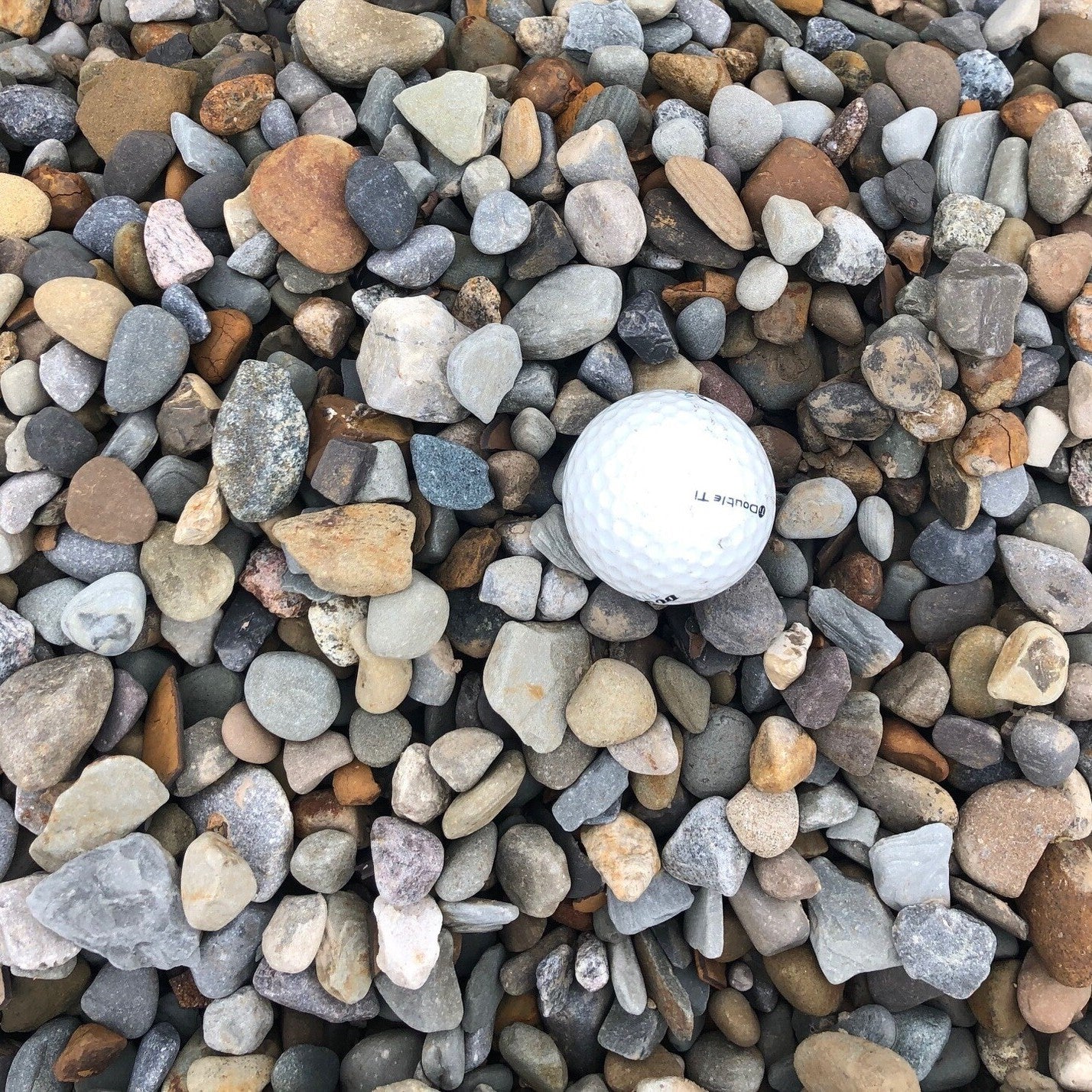
Number 57 crushed stone, angular limestone graded to about three quarters of an inch. The standard driveway, base and drainage gravel, it locks together under traffic and drains fast.
My experience with Mulch Mound was great and super easy. I ordered two yards of screened topsoil and was able to get it delivered within 2 days. They came in my requested time frame (afternoon) and dropped it off where I asked on my driveway. The topsoil was exactly what was a...
Tell us what you're looking for
Thanks! We received your request.
Something went wrong. Please try again.
How Much Material Do I Need?
For most Richmond landscape stone applications, a 3-inch depth provides adequate coverage for weed suppression, drainage, and decorative purposes. High-traffic areas or foundation drainage installations should use 4 inches or more to account for the settling that occurs through Richmond's repeated winter freeze-thaw cycles and the compaction that comes with regular foot or vehicle traffic.
Use our free gravel calculator
What is a yard?
A yard is approximately 27 cubic feet. As a general guideline, one yard of material can cover an area of about 100-160 square feet at a 2-3 inch depth.
We can't take orders for this right now. Tell us what you need and we'll get back to you.
What do you need?
Thanks! We received your request.
Something went wrong. Please try again.
Hand-picked local yards
4,000+ regional deliveries
Dedicated support
Why order through Mulch Mound
The best local stone, without the guesswork.
We hand-pick and partner with the best yards in your region, keep only the ones our buyers rate well, and back each load with our guarantee.
Mulch Mound Guarantee
If your stone isn't the quantity or quality you ordered, we'll make it right.
About this stone
Number 57 crushed stone, angular limestone graded to about three quarters of an inch. The standard driveway, base and drainage gravel, it locks together under traffic and drains fast.
My experience with Mulch Mound was great and super easy. I ordered two yards of screened topsoil and was able to get it delivered within 2 days. They came in my requested time frame (afternoon) and dropped it off where I asked on my driveway. The topsoil was exactly what was a...
How Much Material Do I Need?
For most Richmond landscape stone applications, a 3-inch depth provides adequate coverage for weed suppression, drainage, and decorative purposes. High-traffic areas or foundation drainage installations should use 4 inches or more to account for the settling that occurs through Richmond's repeated winter freeze-thaw cycles and the compaction that comes with regular foot or vehicle traffic.
Use our free gravel calculator
What is a yard?
A yard is approximately 27 cubic feet. As a general guideline, one yard of material can cover an area of about 100-160 square feet at a 2-3 inch depth.
My experience with Mulch Mound was great and super easy. I ordered two yards of screened topsoil and was able to get it delivered within 2 days. Th...
Read full review
My experience with Mulch Mound was great and super easy. I ordered two yards of screened topsoil and was able to get it delivered within 2 days. They came in my requested time frame (afternoon) and dropped it off where I asked on my driveway. The topsoil was exactly what was advertised, clean with no rocks or other debris. The price was reasonable. I plan to use them again in a couple weeks to order compost for my garden beds.
Really appreciate the care and follow thru that this company had with our order. A hiccup came up but they were quick to respond and address all co...
Read full review
Really appreciate the care and follow thru that this company had with our order. A hiccup came up but they were quick to respond and address all concerns, which made our garden day a success! Thank you for your prompt care.
Measure the length and width of your stone project area in feet and multiply to get square footage. For most Richmond drainage and landscape applications, a 3-inch depth is the standard starting point, so divide your square footage by 108 to get cubic yards. For heavier-use areas like parking pads or high-traffic paths, calculate at 4 inches of depth and divide your square footage by 81 instead.
Stone Types We Deliver in Richmond
Mulch Mound delivers bulk stone by the cubic yard straight to Richmond driveways, backyards, and job sites. Whether you are searching for bulk gravel by the yard in Richmond or planning a larger landscaping project, we make it simple to get the material you need without hauling it yourself. Our stone is sold loose in cubic yard quantities so you only pay for what your project actually requires.
Pea Gravel
Smooth, rounded, and naturally earth-toned, pea gravel is one of the most popular choices for Richmond homeowners tackling pathways, patios, and garden beds. It drains well through Indiana clay soils, stays attractive through freeze and thaw cycles, and brings a clean, polished look to both traditional and modern yard styles.
Complete Your Outdoor Stone Project
Pairing stone borders or drainage areas with a quality mulch in your planting beds gives Richmond landscapes a clean layered look that separates functional zones from ornamental ones and handles the demands of the local climate in each area. Adding bulk soil to any sections where you are transitioning from stone coverage back to planted ground ensures those plants have a strong root environment beneath the finished surface.
Richmond's silt loam soil is prone to migrating upward into stone beds over multiple freeze-thaw cycles, a process that muddies the appearance of decorative gravel and reduces drainage effectiveness over time. Installing a quality non-woven landscape fabric beneath your stone before spreading dramatically slows this process and keeps your gravel looking clean through multiple Richmond winters. The fabric also reduces the weed pressure that would otherwise push up through the stone starting each April when soil temperatures rise above 50 degrees.
Mulch Mound Pro Tip
When installing a gravel pathway in Richmond, use a physical edging material on both sides to contain the stone through the wet spring season. With 43 inches of annual rainfall, loose pathway gravel migrates into adjacent lawn areas during heavy downpours, especially on any noticeable grade. A steel or plastic landscape edging sunk 3 inches into the ground gives the stone a consistent border and significantly reduces the raking and gravel replacement needed to keep the path looking tidy through a full season.
Mulch Mound Pro Tip
Zone 6a freeze-thaw cycles in Richmond can shift and heave a stone surface that is installed directly over poorly prepared native ground. Before spreading your bulk stone, compact the silt loam base firmly and add a 2-inch layer of coarser base gravel beneath your finished stone layer. This two-layer approach gives the surface a stable foundation that resists the winter movement that causes single-layer stone installations to develop uneven sunken patches by the time spring arrives.
The Unique Landscape of Richmond
Stone is one of the most practical landscape materials for Richmond homeowners because it directly addresses the drainage, erosion, and maintenance challenges that the local climate creates year after year. With 43 inches of annual rainfall and a silt loam soil base that compacts and erodes under heavy water flow, gravel and stone provide a stable permeable surface that holds up where grass and mulch cannot. Zone 6a winters with frost beginning around October 15 create repeated freeze-thaw cycles that crack and shift softer landscape materials, while stone remains stable and functional through those same conditions. Richmond's position in eastern Indiana also means it sees significant wind and rain events in spring and fall that can quickly erode unprotected soil slopes and bare planting areas. Whether you are building a pathway, creating a low-maintenance ground cover zone, or managing drainage along a foundation or slope, bulk stone is a lasting solution that works with Richmond's specific weather patterns rather than against them.
Frequently Asked Questions
Click a question to see the answer
Answer
What size stone works best for a backyard pathway in Richmond?
A pea gravel or quarter-inch clean gravel is the most comfortable underfoot for a casual backyard path in Richmond. For a firmer walking surface that does not shift as much through Richmond's wet spring season, a compacted crusher run base topped with a finer decorative gravel gives a more stable result. Either way, plan on a 3 to 4 inch depth to ensure the path stays above the influence of frost heave on the surface material over winter.
Answer
Can I use bulk stone to solve the drainage problem I have along my Richmond foundation?
Yes, and it is one of the most effective long-term solutions for foundation drainage in Richmond's climate. A French drain system filled with clean washed stone, or a gravel-filled swale graded away from the foundation, gives the 43 inches of annual rainfall a fast path away from your basement or crawlspace walls. Stone does not break down, compact, or clog the way soil-based drainage solutions do, making it a reliable fix for Richmond's consistently wet spring and fall seasons.
Answer
How does bulk stone compare to mulch for a low-maintenance planting area in Richmond?
Stone requires virtually no replenishment compared to mulch, which breaks down quickly in Richmond's humid climate and needs refreshing every one to two years. For ornamental trees, foundation shrubs, and other permanent plantings that you do not want to disturb regularly, stone provides a clean look that holds up through Richmond's freeze-thaw winters without shifting or decomposing. The tradeoff is that stone does not add organic matter to the soil the way mulch does, so it works best around plants that are already established in well-prepared ground.
Answer
What type of stone is best for controlling erosion on a sloped area of my Richmond yard?
For gentle slopes, a 1 to 2 inch river rock or medium-sized gravel provides enough weight and surface area to resist the water flow that comes with Richmond's heavy spring rains. For steeper slopes or areas where water concentrates during storms, larger rip rap stone in the 3 to 5 inch range anchors the soil more effectively. Combining stone with a landscape fabric underneath also helps prevent Richmond's silt loam from migrating upward through the stone over multiple seasons of freeze-thaw cycling.
Answer
Will decorative stone look the same after a few Richmond winters, or does it fade and break down?
Natural stone is one of the most durable materials you can put in a Richmond landscape and handles Zone 6a freeze-thaw cycles without cracking or degrading. Color does not fade on natural stone the way it does on dyed mulch exposed to Richmond's summer sun. The main maintenance task with decorative stone over time is occasional raking to redistribute material that shifts during heavy rain events or winter frost heaving, which is a much smaller commitment than annual mulch replacement.
Answer
How deep should I lay stone for a gravel driveway border or small parking pad in Richmond?
For a gravel parking area or driveway border in Richmond, a minimum of 4 inches of compacted gravel is needed to resist the frost heave that occurs when the ground freezes and thaws repeatedly between October and March. Starting with a 2 to 3 inch layer of coarser crusher run for stability and topping with a finer decorative or finished gravel gives you a surface that drains well and holds its structure through a full year of Richmond weather.
Answer
Is stone a good choice for the narrow strip between my house and the sidewalk in Richmond?
It is one of the better choices for that type of high-visibility, low-maintenance strip in Richmond. A 3 to 4 inch layer of clean decorative stone over landscape fabric suppresses weeds effectively in a Zone 6a climate where weed pressure runs from late April through October. It also handles the foot traffic and scuffing that sidewalk-adjacent areas receive without the mess that mulch can create when it gets tracked onto paving surfaces after a Richmond rain event.