





Mulch Mound is an excellent supplier. My online ordering process was quick and easy and they stuck to their delivery date. Highly recommend!
About this mulch
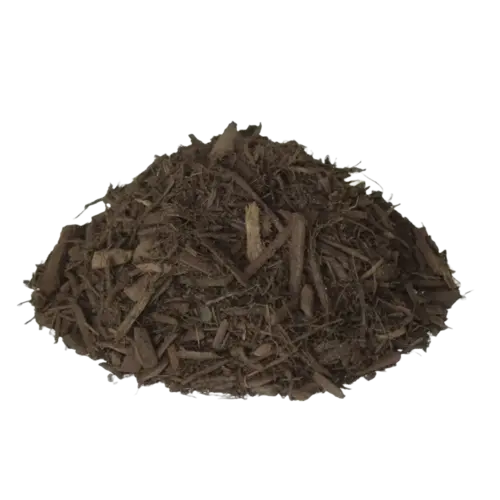
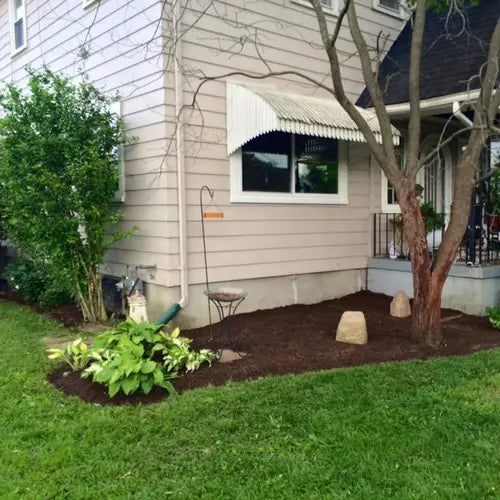
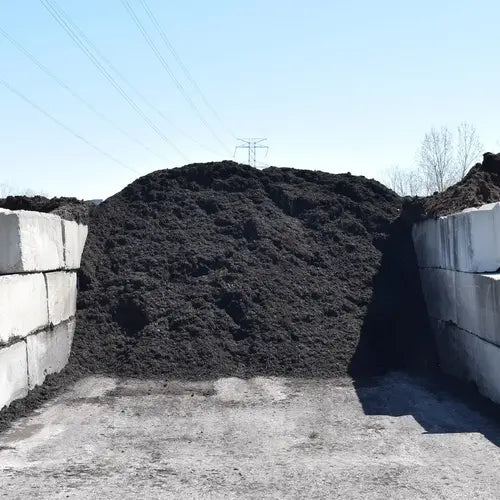
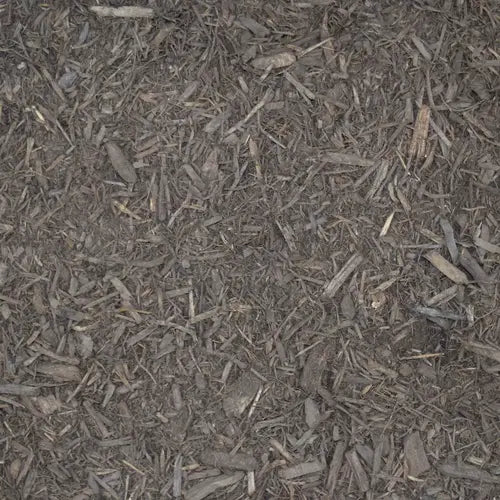
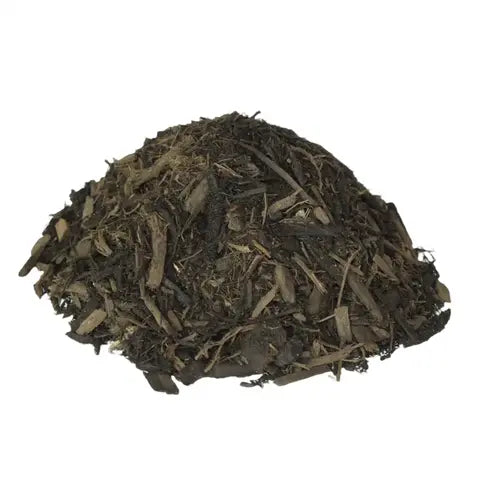
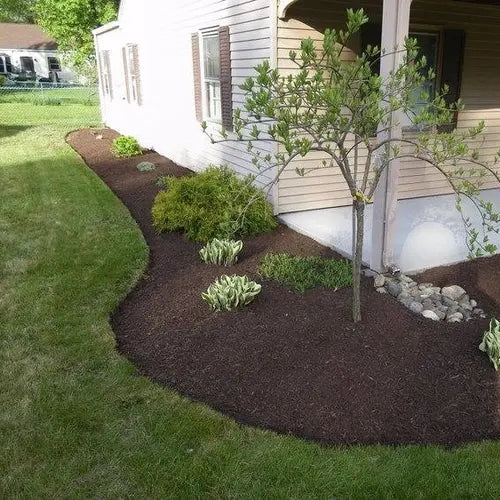
Warm brown double shredded mulch with lasting color that looks freshly applied for weeks. Spreads smooth, stays put, and gives beds a natural, polished appearance.
Mulch Mound is an excellent supplier. My online ordering process was quick and easy and they stuck to their delivery date. Highly recommend!
Tell us what you're looking for
Thanks! We received your request.
Something went wrong. Please try again.
How Much Material Do I Need?
How Much Material Do I Need?
For most planting beds in Roanoke Rapids, a three-inch application depth works well with Sandy Clay Loam soil, providing enough insulation and weed suppression without smothering plant crowns during the humid summer months. Newly established beds or areas with a history of heavy weed pressure can benefit from a full four-inch layer applied right after the last frost in late March.
Use our free mulch calculator
What is a yard?
What is a yard?
FAQs
FAQs
Roanoke Rapids Mulch Delivery
Roanoke Rapids Mulch Delivery
Regular price
$64.00
per
yard
Regular price
Sale price
$64.00
Unit price
per
Shipping calculated at checkout.
Minimum of 3 yard
Couldn't load pickup availability
Not currently available
We can't take orders for this right now. Tell us what you need and we'll get back to you.
Hand-picked local yards
4,000+ regional deliveries
Dedicated support
Why order through Mulch Mound
The best local mulch, without the guesswork.
We hand-pick and partner with the best yards in your region, keep only the ones our buyers rate well, and back each load with our guarantee.
Mulch Mound Guarantee
If your mulch isn't the quantity or quality you ordered, we'll make it right.
About this mulch
Warm brown double shredded mulch with lasting color that looks freshly applied for weeks. Spreads smooth, stays put, and gives beds a natural, polished appearance.
Mulch Mound is an excellent supplier. My online ordering process was quick and easy and they stuck to their delivery date. Highly recommend!
How Much Material Do I Need?
How Much Material Do I Need?
For most planting beds in Roanoke Rapids, a three-inch application depth works well with Sandy Clay Loam soil, providing enough insulation and weed suppression without smothering plant crowns during the humid summer months. Newly established beds or areas with a history of heavy weed pressure can benefit from a full four-inch layer applied right after the last frost in late March.
Use our free mulch calculator
What is a yard?
What is a yard?
FAQs
FAQs
Tell us what you're looking for
Thanks! We received your request.
Something went wrong. Please try again.

How It Works
Getting started is easy — just follow these simple steps
1
Choose your Mulch
Make sure you adjust the quantity to your home's needs. You can use our calculator to estimate how much you'll need.
2
Select your delivery date
Select a delivery date you'd like for the product to be dropped off at your home
3
Sit back and wait
Sit back, wait, and let us work our magic to make sure the highest quality product is delivered to your driveway.

They are thorough and very helpful to ensure the proper selection and delivery coordination. The driver was kind, respectful and very conscience no...
Read full review
They are thorough and very helpful to ensure the proper selection and delivery coordination. The driver was kind, respectful and very conscience not to damage anything. will recommend Mulch Mound to anyone.

Great experience using Mulch Mound! Ordering was super quick and easy. I placed my order Tues evening and my order was delivered on Thurs morning!<...
Read full review
Great experience using Mulch Mound! Ordering was super quick and easy. I placed my order Tues evening and my order was delivered on Thurs morning!
Quality of product was great. And delivery driver dropped all product perfectly on a trap I had laid out. Not a grain was spilt!
Wonderful experience start to finish! Highly recommended!
Calculate mulch for your Roanoke Rapids project
For Roanoke Rapids's Sandy Clay Loam type of soil, we recommend 2-3 inches for best weed suppression and moisture retention
Try Our CalculatorTo estimate how much mulch you need for your Roanoke Rapids beds, measure the length and width of each area in feet and multiply to get square footage, then divide by 324 to find cubic yards at a three-inch depth. Sandy Clay Loam soil in Roanoke Rapids can settle and compact between applications, so adding a ten percent buffer to your total is a smart practice that keeps your beds looking full through the season. Beds near downspouts or on any slope may also need a slightly heavier application to account for material that redistributes during the heavy summer rain events common to this area.

Best Mulch Choice for Roanoke Rapids Lawns
Most yards in the Roanoke Rapids area sit on Sandy Clay Loam type of soil. Sandy Clay Loam soil in Roanoke Rapids has a tendency to compact at the surface after repeated heavy rain events, leaving plant bed soil dense and less hospitable to root growth over the course of the long growing season.
Hardwood Mulch
Hardwood mulch is an especially good match for the Sandy Clay Loam soils around Roanoke Rapids because as it decomposes it contributes organic matter that helps loosen the clay particles, improving both drainage between rain events and moisture retention during the dry spells that follow summer thunderstorms.
Mulch Types We Deliver in Roanoke Rapids
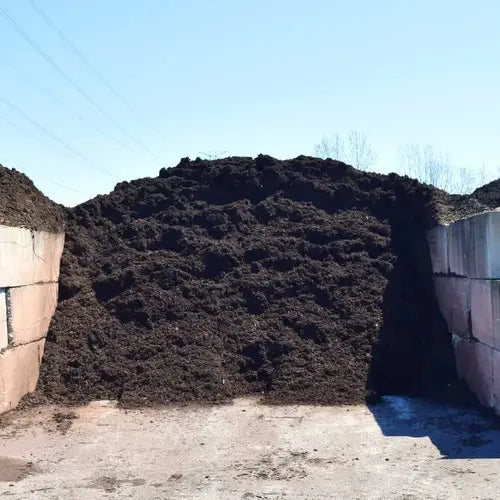
Mulch Mound brings bulk mulch delivery in Roanoke Rapids directly to your driveway or yard, sold by the cubic yard so you always get the exact amount your project needs. The warm summers and sandy soils common to this part of North Carolina make a good layer of mulch essential for holding moisture and keeping roots cool. We offer three mulch varieties, each chosen for performance and appearance in local landscapes.
Dyed Brown Mulch
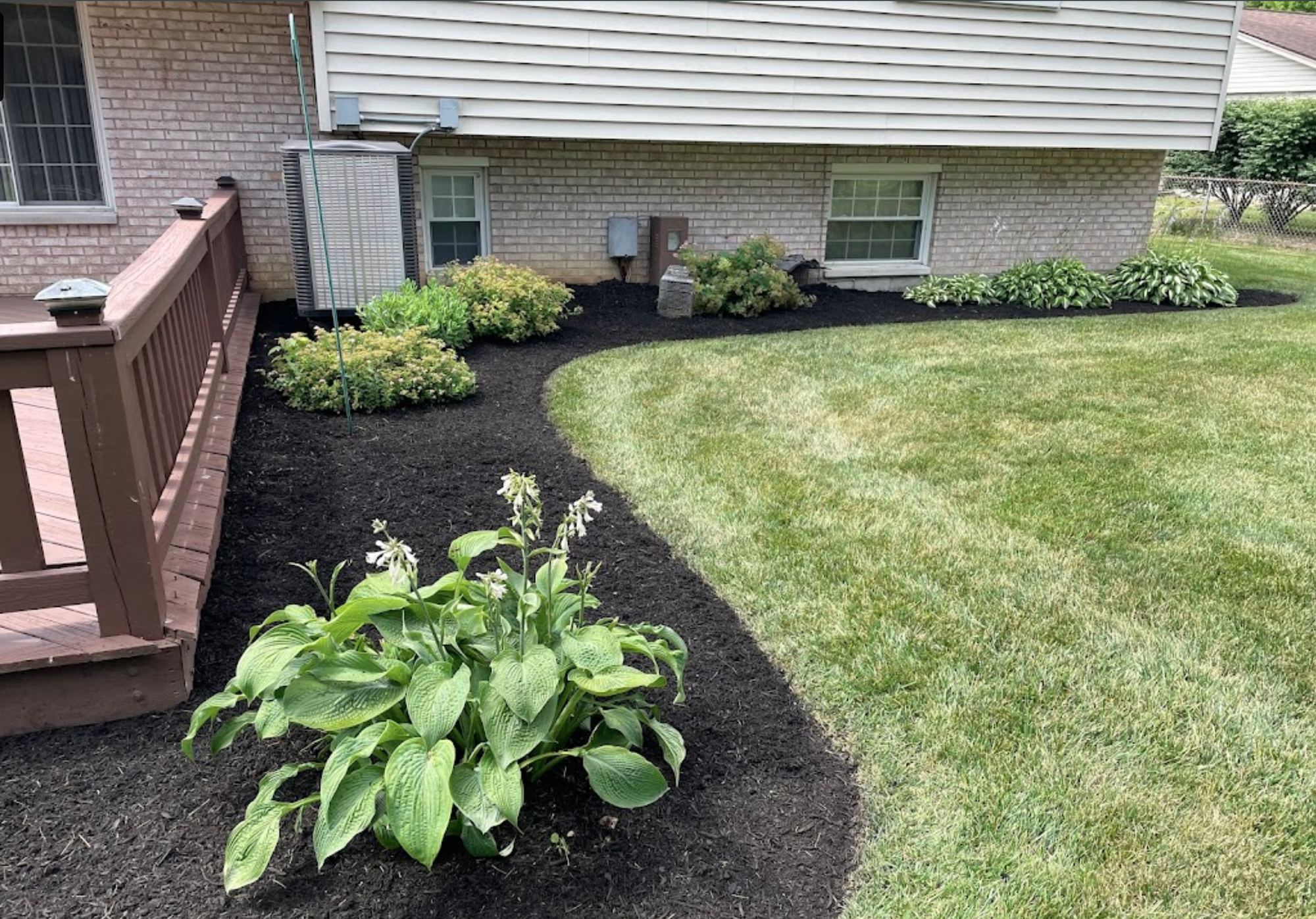
A warm, rich tone that complements the brick exteriors and traditional landscaping common to this region. Available in double shredded style, it spreads smoothly over beds and holds color through humid summers without fading quickly. A popular pick for homeowners who want beds that look freshly finished for weeks.
Dyed Black Mulch
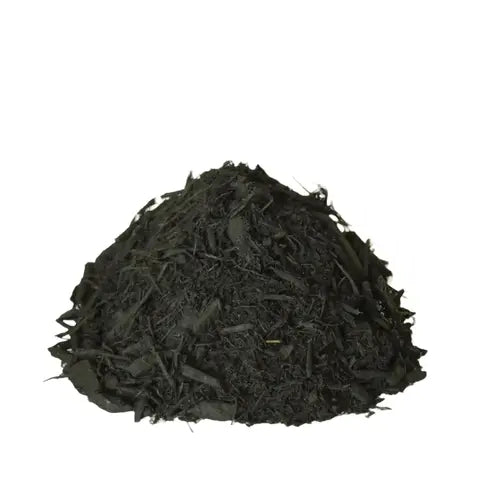
Bold and high contrast, this double shredded mulch makes flower beds and foundation plantings stand out against the lighter soils and green lawns typical of this area. The deep color holds through sun and afternoon rains common to North Carolina summers, giving beds a sharp, finished look all season.
Natural Brown Mulch
This undyed double shredded mulch draws its warm, earthy tone from the wood itself, with no added colorants. It suits homeowners who prefer a natural look that blends with the wooded character common to this part of North Carolina. Spreads cleanly and performs well in both sun and shade.
Complete Your Outdoor Mulch Project
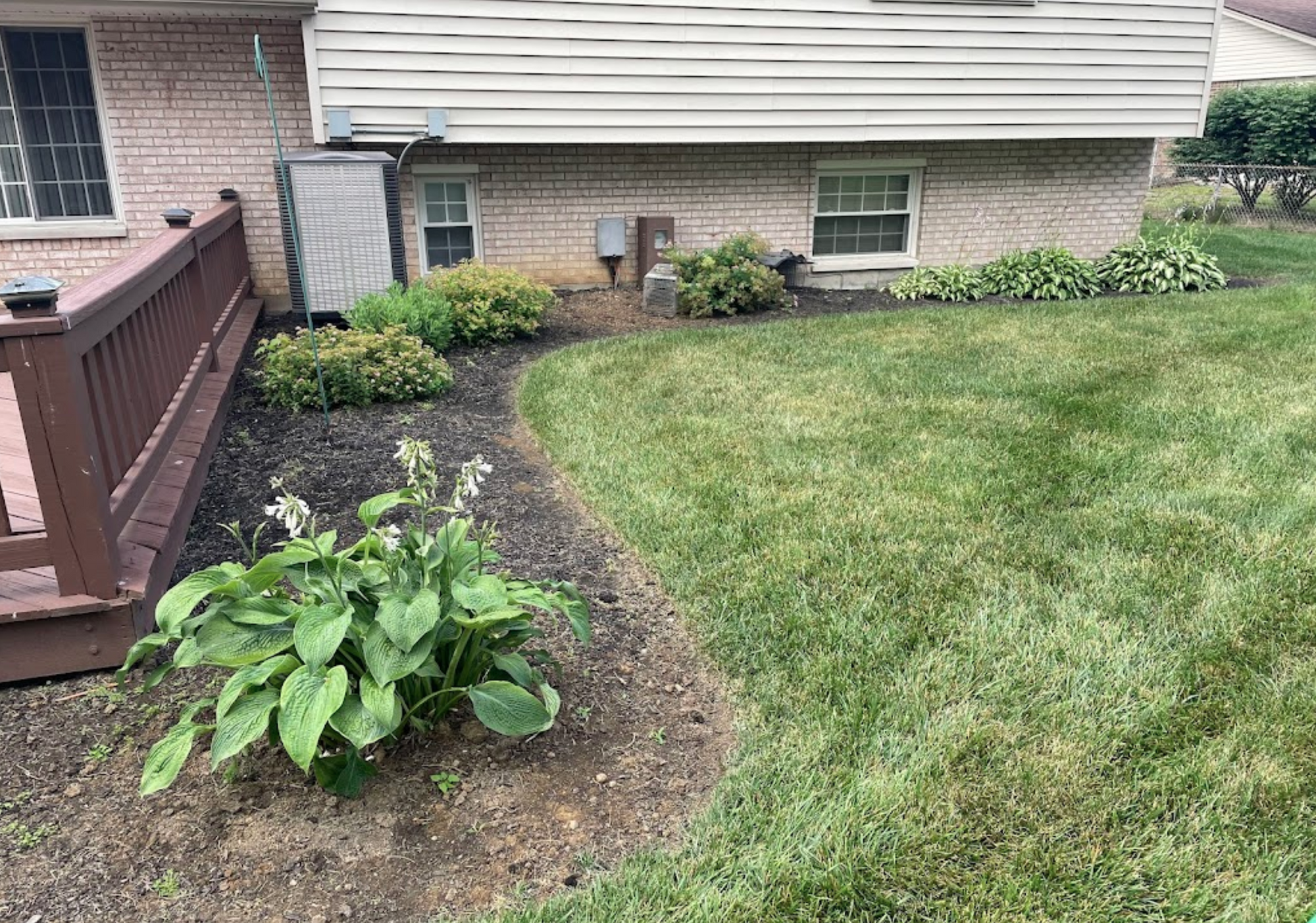
If your Roanoke Rapids beds need more than just a fresh top dressing, pair your mulch order with a delivery of garden soil to rebuild nutrient-depleted areas before you mulch, or add a border of decorative stone to keep mulch in place along edges where the heavy summer rains tend to push material out of the bed.


Mulch Mound Pro Tip
Sandy Clay Loam soil in Roanoke Rapids tends to form a tight surface crust after dry spells that follow heavy rain. Before applying fresh mulch each spring, loosen the top inch of existing bed soil with a hand cultivator so the decomposing mulch can make direct contact with the soil and begin improving its structure. This simple step dramatically speeds up the organic matter contribution that hardwood mulch provides to clay-influenced soils over the course of a season.
Mulch Mound Pro Tip
Roanoke Rapids has a long growing season stretching from late March to mid-November, which means weeds have nearly eight months to establish if your mulch layer gets thin. Check your mulch depth in midsummer, around early July, because that is typically when decomposition is fastest due to the heat and humidity. A quick top-off of one inch in July can save you hours of weeding through the back half of the growing season.
Mulch Mound Pro Tip
With 46 inches of rain per year, Roanoke Rapids homeowners should think of mulch as a runoff management tool as well as a weed barrier. Keeping beds fully mulched reduces the speed at which surface water moves across your yard during summer thunderstorms, helping prevent the topsoil loss that Sandy Clay Loam soil is vulnerable to on even gentle slopes. Well-mulched beds absorb more of that annual rainfall into the root zone rather than letting it run off across driveways and hardscaping.
The Unique Landscape of Roanoke Rapids
Roanoke Rapids sits in a humid subtropical climate where 46 inches of annual rainfall and warm Zone 8a summers create near-perfect conditions for weed germination and rapid plant growth across the entire growing season. The Sandy Clay Loam soil common to this area contains enough clay to hold water near the surface after heavy rains, which can drown shallow roots and compact into a dense crust during the dry spells that follow summer storms. Without a protective mulch layer, that exposed soil surface bakes and hardens through July and August, making it difficult for water and nutrients to reach plant roots during the hottest weeks of the season. A consistent mulch layer buffers these extremes by keeping soil temperatures cooler in summer, slowing evaporation between rain events, and preventing the surface crusting that Sandy Clay Loam is prone to after repeated wet and dry cycles. With a growing season that runs from the last frost around March 20 through mid-November, Roanoke Rapids beds need mulch that can hold up through nearly eight months of heat, humidity, and frequent rain.