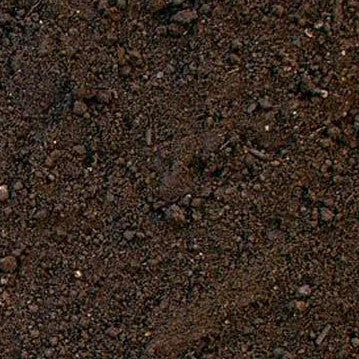
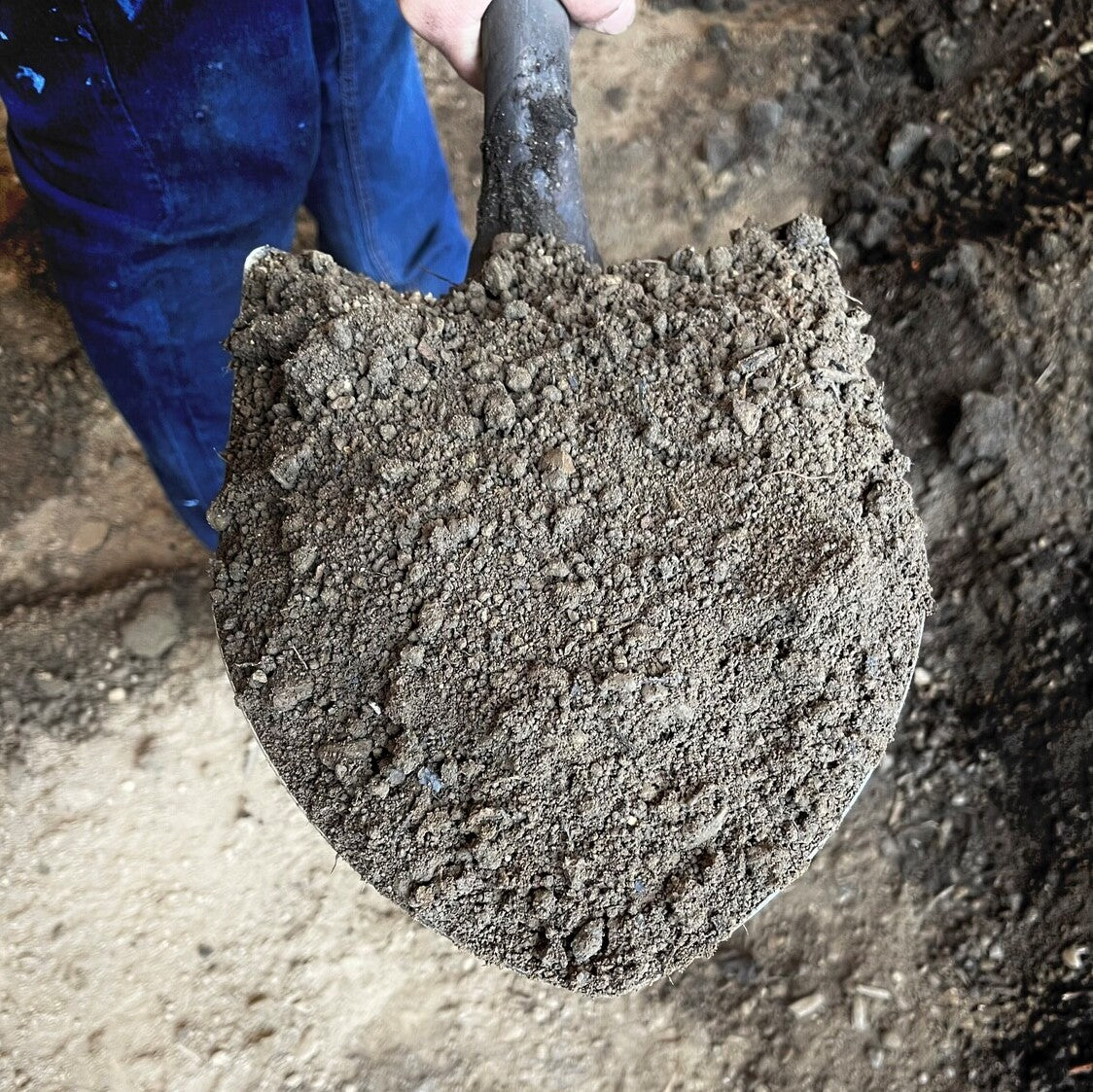
Quality topsoil for lawns, gardens, and landscape projects. Nutrient rich and ready to support strong root development and healthy plant establishment.
The website was intuitive and easy to navigate. The material was delivered the date and time it was scheduled, it was dropped off in the area i had specified on top of my tarp with no issues.
I ordered soil, the Gardening Blend that I received had too many plastic and m...
Tell us what you're looking for
Thanks! We received your request.
Something went wrong. Please try again.
How Much Material Do I Need?
For lawn topdressing and leveling over Roanoke Rapids's Sandy Clay Loam, one to two inches of topsoil handles minor corrections without disrupting existing turf. Raised garden beds and new planting areas need at least six inches of quality garden soil to give roots a productive growing medium above the denser native profile below.
Use our free soil calculator
What is a yard?
A yard is approximately 27 cubic feet. As a general guideline, one yard of material can cover an area of about 100-160 square feet at a 2-3 inch depth.
We can't take orders for this right now. Tell us what you need and we'll get back to you.
What do you need?
Thanks! We received your request.
Something went wrong. Please try again.
Hand-picked local yards
4,000+ regional deliveries
Dedicated support
Why order through Mulch Mound
The best local soil, without the guesswork.
We hand-pick and partner with the best yards in your region, keep only the ones our buyers rate well, and back each load with our guarantee.
Mulch Mound Guarantee
If your soil isn't the quantity or quality you ordered, we'll make it right.
About this soil
Quality topsoil for lawns, gardens, and landscape projects. Nutrient rich and ready to support strong root development and healthy plant establishment.
The website was intuitive and easy to navigate. The material was delivered the date and time it was scheduled, it was dropped off in the area i had specified on top of my tarp with no issues.
I ordered soil, the Gardening Blend that I received had too many plastic and m...
How Much Material Do I Need?
For lawn topdressing and leveling over Roanoke Rapids's Sandy Clay Loam, one to two inches of topsoil handles minor corrections without disrupting existing turf. Raised garden beds and new planting areas need at least six inches of quality garden soil to give roots a productive growing medium above the denser native profile below.
Use our free soil calculator
What is a yard?
A yard is approximately 27 cubic feet. As a general guideline, one yard of material can cover an area of about 100-160 square feet at a 2-3 inch depth.
The website was intuitive and easy to navigate. The material was delivered the date and time it was scheduled, it was dropped off in the area i had...
Read full review
The website was intuitive and easy to navigate. The material was delivered the date and time it was scheduled, it was dropped off in the area i had specified on top of my tarp with no issues.
I ordered soil, the Gardening Blend that I received had too many plastic and metal pieces for my liking thus lowering the score from a perfect 5/5 to a 4/5
Measure the length and width of the area you need to fill or grade in feet and multiply to get square footage, then divide by 324 to calculate cubic yards at a one-inch depth or by 81 for a four-inch application. For Roanoke Rapids projects, Sandy Clay Loam soil has a moderate settling rate after rain, so adding a ten percent buffer to your order protects your finished grade through the wet spring and summer seasons. Large drainage correction projects may need even more material once you account for compaction during installation.
Soil Types We Deliver in Roanoke Rapids
Roanoke Rapids yards and gardens often sit on sandy or compacted native soil that needs a boost before new plants can truly thrive. We deliver bulk topsoil by the yard in Roanoke Rapids so homeowners and landscapers can build up planting beds, level lawns, and prep new garden spaces without hauling bags from the store. Every order is measured by the cubic yard and dropped right where you need it.
Screened Top Soil
Our screened top soil is run through a fine mesh to remove rocks, clumps, and debris, leaving a clean, workable blend that spreads evenly across lawns and garden beds. It is a strong fit for the warm, humid growing season common to northeastern North Carolina, supporting solid root development and healthy plant establishment from the first season.
Complete Your Outdoor Soil Project
Round out your soil project in Roanoke Rapids by adding a layer of hardwood mulch to protect and feed your freshly prepared beds through the long growing season, or use decorative stone along borders and pathways to prevent soil displacement during the area's frequent and sometimes intense rain events.
My Roanoke Rapids yard has low spots that collect standing water after every heavy rain. Can bulk soil fix that?
Low spots in Roanoke Rapids yards are very common because the Sandy Clay Loam soil does not drain quickly, and those areas collect runoff from the frequent summer thunderstorms that move through the region. Bringing in bulk topsoil to raise and grade those low areas redirects surface water away from the problem zones and toward proper drainage routes. For best results, grade the new soil so it slopes at least one inch per foot away from structures and then seed or sod promptly so the new material locks in before the next round of heavy rain.
Answer
What kind of soil should I use for raised vegetable beds here in Roanoke Rapids?
For raised vegetable beds in Roanoke Rapids, a quality garden mix that is lighter and more nutrient-rich than the native Sandy Clay Loam is the right choice. The clay content in the native soil restricts the drainage and aeration that vegetable roots need to thrive, so filling raised beds with a well-amended blend sets your crops up for success through the long Zone 8a growing season. With beds filled and ready, you can begin planting as early as late March after the last frost date.
Answer
How does Roanoke Rapids's Sandy Clay Loam soil affect a new lawn seeding or sodding project?
Sandy Clay Loam can be fine for an established lawn in Roanoke Rapids, but it tends to compact under construction traffic and repeated foot pressure, leaving a surface that is too hard and dense for new grass seed to establish well. Spreading two to four inches of quality topsoil over graded areas before seeding creates a loose, workable seedbed that holds moisture between the rain events common in spring and fall. Roanoke Rapids typically gets enough natural rainfall in those seasons that new seed rarely needs heavy supplemental irrigation once it begins germinating.
Answer
Can I use bulk fill soil to build up a slope in my Roanoke Rapids yard without it washing away?
You can, but slope work in Roanoke Rapids requires extra attention to erosion because the 46 inches of annual rainfall provides plenty of water to move loose soil downhill during storms. Fill soil needs to be compacted in layers as you build up the slope, and the surface should be stabilized with sod, seed, or mulch as quickly as possible after grading. Leaving bare fill soil exposed through even a single rainy spell can undo hours of grading work in one heavy summer thunderstorm.
Answer
When is the best time of year to do major soil and grading work in Roanoke Rapids?
Late February through late March is the ideal window for major soil and grading work in Roanoke Rapids. The ground is workable but cool, spring rain is frequent enough to help settle new soil naturally, and you can finish grading and seeding right around the last frost date of March 20 to catch the full spring growing season. Fall is the second-best window, with work done in September and October giving new seed time to establish solid roots before the first frost arrives around November 15.
Answer
My garden soil in Roanoke Rapids drains too slowly and plants seem waterlogged. What bulk soil additions can help?
The clay fraction in Roanoke Rapids's Sandy Clay Loam is the main culprit behind slow drainage in garden beds. Adding bulk garden mix or a compost-rich blend and working it into the top six to eight inches of native soil opens up the pore structure and improves how quickly water moves through. Over time, pairing that amended soil with regular mulch applications that decompose into the bed further improves drainage and helps prevent the waterlogging that can stress plant roots after the heavy rains that are normal in this area.
Answer
How much topsoil do I actually need to level out my Roanoke Rapids lawn?
For minor low spots and general leveling in Roanoke Rapids lawns, a one to two inch topdressing of quality topsoil is usually sufficient to smooth things out without smothering existing grass. For larger grading projects or significantly uneven terrain, plan for three to four inches of new topsoil across the affected area so you have enough material to establish a proper drainage slope. Because Sandy Clay Loam soil can settle noticeably after a few heavy rains, ordering about ten percent more than your calculations suggest protects your grade over the first season.
Mulch Mound Pro Tip
Roanoke Rapids's Sandy Clay Loam has a clay content that causes it to shrink slightly when dry and swell when saturated, which can heave and ridge freshly placed topsoil during the wet spring season. When grading new topsoil, compact it lightly with a lawn roller before seeding so the surface does not develop ruts and ridges after the first spring rains arrive. This small extra step preserves your grade and prevents the low spots you were trying to correct from returning within a season.
Mulch Mound Pro Tip
The growing season in Roanoke Rapids runs from last frost around March 20 to first frost around November 15, giving you nearly eight months to see results from a soil improvement project. If you are building new garden beds, fill them and allow one to two weeks for the new soil to settle and consolidate before you transplant. Soil that settles significantly after planting can leave root balls partially exposed, which is especially hard on new transplants during the heat of a Zone 8a summer.
Mulch Mound Pro Tip
Drainage improvement is one of the most valuable things bulk soil work can accomplish in Roanoke Rapids, where 46 inches of rain per year tests how well every yard handles water. When filling low areas, blend new topsoil into the existing Sandy Clay Loam at the transition zone rather than simply layering one material on top of the other. A hard boundary between two different soil textures can create a perched water table effect that actually concentrates moisture right at the interface and makes drainage worse.
The Unique Landscape of Roanoke Rapids
The Sandy Clay Loam native to Roanoke Rapids presents a mixed set of challenges for homeowners trying to establish new gardens, level lawns, or build productive raised beds. The clay content means drainage can be sluggish in low-lying areas of your yard, especially after the heavy spring and summer rains that regularly deliver more than 46 inches annually across the region. The sandy fraction, on the other hand, can cause nutrients to leach quickly in elevated beds and along slopes, leaving plants deficient even after regular fertilization. Bringing in quality bulk soil lets you take control of the growing medium rather than fighting the native profile, whether you are grading a new lawn area, filling a raised vegetable bed, or building up a planting area before the last frost arrives around March 20. Roanoke Rapids's long growing season also means that any soil improvement you make in early spring pays dividends across nearly eight months of active plant growth.
More delivery around Roanoke Rapids, North Carolina