


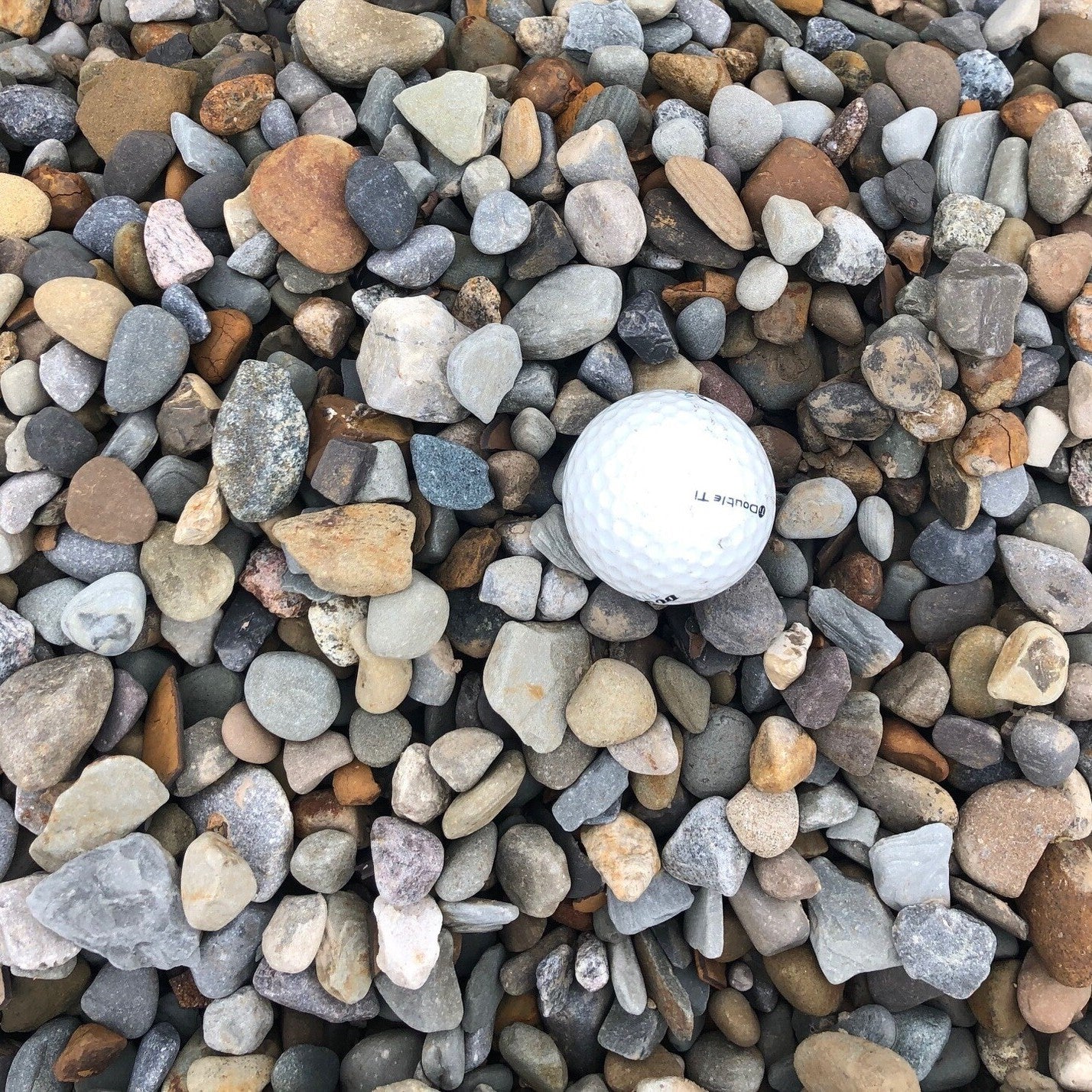

The driver nailed it on putting the gravel I ordered in front of my trailer and between the sidewalk. Very satisfied with how my flowerbeds look now.
About this stone
Number 57 crushed stone, angular limestone graded to about three quarters of an inch. The standard driveway, base and drainage gravel, it locks together under traffic and drains fast.
The driver nailed it on putting the gravel I ordered in front of my trailer and between the sidewalk. Very satisfied with how my flowerbeds look now.
Tell us what you're looking for
Thanks! We received your request.
Something went wrong. Please try again.
How Much Material Do I Need?
How Much Material Do I Need?
For decorative beds and low-maintenance coverage in Roanoke Rapids, a two to three inch layer of stone over landscape fabric is sufficient to suppress weeds and handle the area's heavy rainfall without washing away. Drainage and erosion control applications typically need four to six inches of material to function properly through the wet spring and summer seasons that Roanoke Rapids regularly experiences.
Use our free gravel calculator
What is a yard?
What is a yard?
FAQs
FAQs
Roanoke Rapids Gravel Delivery
Roanoke Rapids Gravel Delivery
Regular price
$133.00
per
yard
Regular price
Sale price
$133.00
Unit price
per
Shipping calculated at checkout.
Minimum of 3 yard
Couldn't load pickup availability
Not currently available
We can't take orders for this right now. Tell us what you need and we'll get back to you.
Hand-picked local yards
4,000+ regional deliveries
Dedicated support
Why order through Mulch Mound
The best local stone, without the guesswork.
We hand-pick and partner with the best yards in your region, keep only the ones our buyers rate well, and back each load with our guarantee.
Mulch Mound Guarantee
If your stone isn't the quantity or quality you ordered, we'll make it right.
About this stone
Number 57 crushed stone, angular limestone graded to about three quarters of an inch. The standard driveway, base and drainage gravel, it locks together under traffic and drains fast.
The driver nailed it on putting the gravel I ordered in front of my trailer and between the sidewalk. Very satisfied with how my flowerbeds look now.
How Much Material Do I Need?
How Much Material Do I Need?
For decorative beds and low-maintenance coverage in Roanoke Rapids, a two to three inch layer of stone over landscape fabric is sufficient to suppress weeds and handle the area's heavy rainfall without washing away. Drainage and erosion control applications typically need four to six inches of material to function properly through the wet spring and summer seasons that Roanoke Rapids regularly experiences.
Use our free gravel calculator
What is a yard?
What is a yard?
FAQs
FAQs
Tell us what you're looking for
Thanks! We received your request.
Something went wrong. Please try again.
How It Works
Getting started is easy — just follow these simple steps
1
Choose your stone
Make sure you adjust the quantity to your home's needs. You can use our calculator to estimate how much you'll need.
2
Select your delivery date
Select a delivery date you'd like for the product to be dropped off at your home
3
Sit back and wait
Sit back, wait, and let us work our magic to make sure the highest quality product is delivered to your driveway.

Ordering was easy. Good quality.

So smooth. Placed the order online, it showed up. Easy!
Need Help Calculating How Much Gravel You Need?
Use our NEW Trace from Satellite tool to get an estimate for your project based on an aerial view of your property
Try Our CalculatorTo estimate stone for your Roanoke Rapids project, measure the square footage of the area and divide by 100 to get cubic yards at a three-inch depth, which covers most decorative and pathway applications. Because stone does not settle as dramatically as soil, your measurement will be fairly accurate, but adding five to ten percent extra is wise for pathway projects where the edges need to be built up to contain the material. For drainage applications like dry creek beds, measure the trench length, average width, and planned depth separately to get the most accurate estimate.
Stone Types We Deliver in Roanoke Rapids
For homeowners and contractors in this corner of northeastern North Carolina, getting bulk stone delivered by the cubic yard is the most practical way to complete landscaping projects large and small. We make it easy to find bulk gravel by the yard in Roanoke Rapids with dependable drop-off service directly to your property. Our stone selection is chosen to suit the region's clay-heavy soils, warm humid summers, and the traditional residential landscapes common to this area.
Pea Gravel
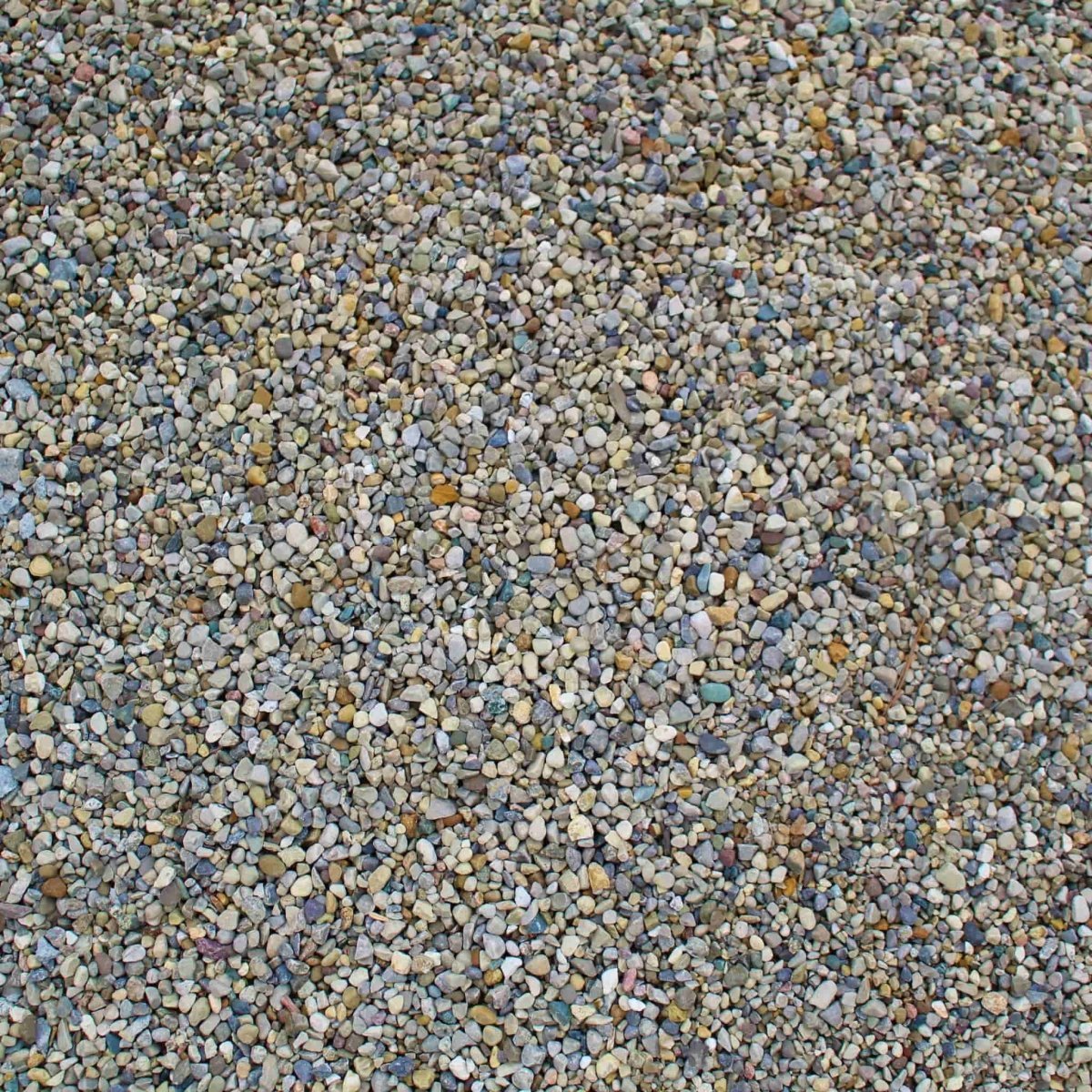
Pea gravel's smooth, rounded stones and warm earth tones suit pathways, patio borders, and drainage beds alike. In this part of North Carolina, where heavy clay soils limit natural drainage, pea gravel improves permeability while keeping upkeep low. Its neutral color pairs naturally with the wooded, traditional yard styles common throughout the region.
Complete Your Outdoor Stone Project
Pair your stone order with a delivery of mulch for the planting beds surrounding your new stone areas, keeping the organic and decorative zones visually connected across your Roanoke Rapids landscape. If you are also correcting grades or building up borders alongside your stone work, adding bulk soil to your order lets you complete the grading and coverage in a single efficient project.



Mulch Mound Pro Tip
Roanoke Rapids's Sandy Clay Loam soil will gradually migrate upward into any stone bed that does not have a proper barrier underneath. Before placing stone for a pathway or decorative bed, install a commercial-grade woven landscape fabric rather than the thin plastic sheeting sold at hardware stores. The woven fabric allows the heavy summer rains to drain through normally while blocking the fine soil particles that would otherwise work their way up into your stone layer and create a muddy, weedy surface within one to two seasons.
Mulch Mound Pro Tip
Stone placed around trees and shrubs in Roanoke Rapids needs a buffer zone to protect the trunk base from heat stress. Unlike mulch, stone retains heat during Zone 8a summers and can raise the soil surface temperature significantly, stressing roots and bark near the crown of the plant. Keep stone at least six inches back from any trunk and consider using a ring of organic mulch in the immediate tree zone with stone in the outer border area for the best combination of plant health and low-maintenance coverage.
Mulch Mound Pro Tip
If you are installing a gravel pathway in Roanoke Rapids, crown the center slightly higher than the edges when you compact your base layer. With 46 inches of rain per year, a perfectly flat gravel path will hold water in the center after storms, causing gravel to sink unevenly and the surface to become soft and unstable. A gentle crown of one to two inches directs rainwater off to the sides naturally, keeps your path firm through the wet seasons, and extends the life of your installation for many years.
The Unique Landscape of Roanoke Rapids
Decorative and functional stone is one of the smartest investments Roanoke Rapids homeowners can make given the region's rainfall patterns and soil conditions. With 46 inches of rain per year, bare soil areas quickly erode and turn muddy, and natural groundcover struggles to establish on slopes or under heavy tree canopies where rain impact is concentrated. Stone provides permanent, maintenance-free coverage that handles the intense summer thunderstorms that frequently hit the Roanoke Rapids area without washing away or compacting the way organic materials do. The Sandy Clay Loam native soil can become slick and unstable on pathways and around foundations after rain, making gravel and crushed stone highly practical solutions for high-traffic areas around the home. Stone also serves as a reliable long-term weed suppression layer in low-maintenance zones where applying and refreshing mulch every season is not practical.