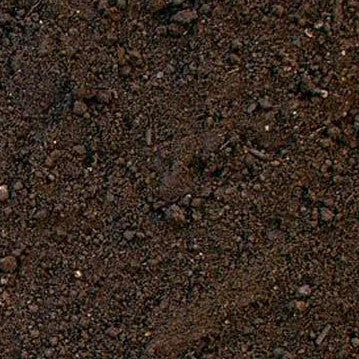
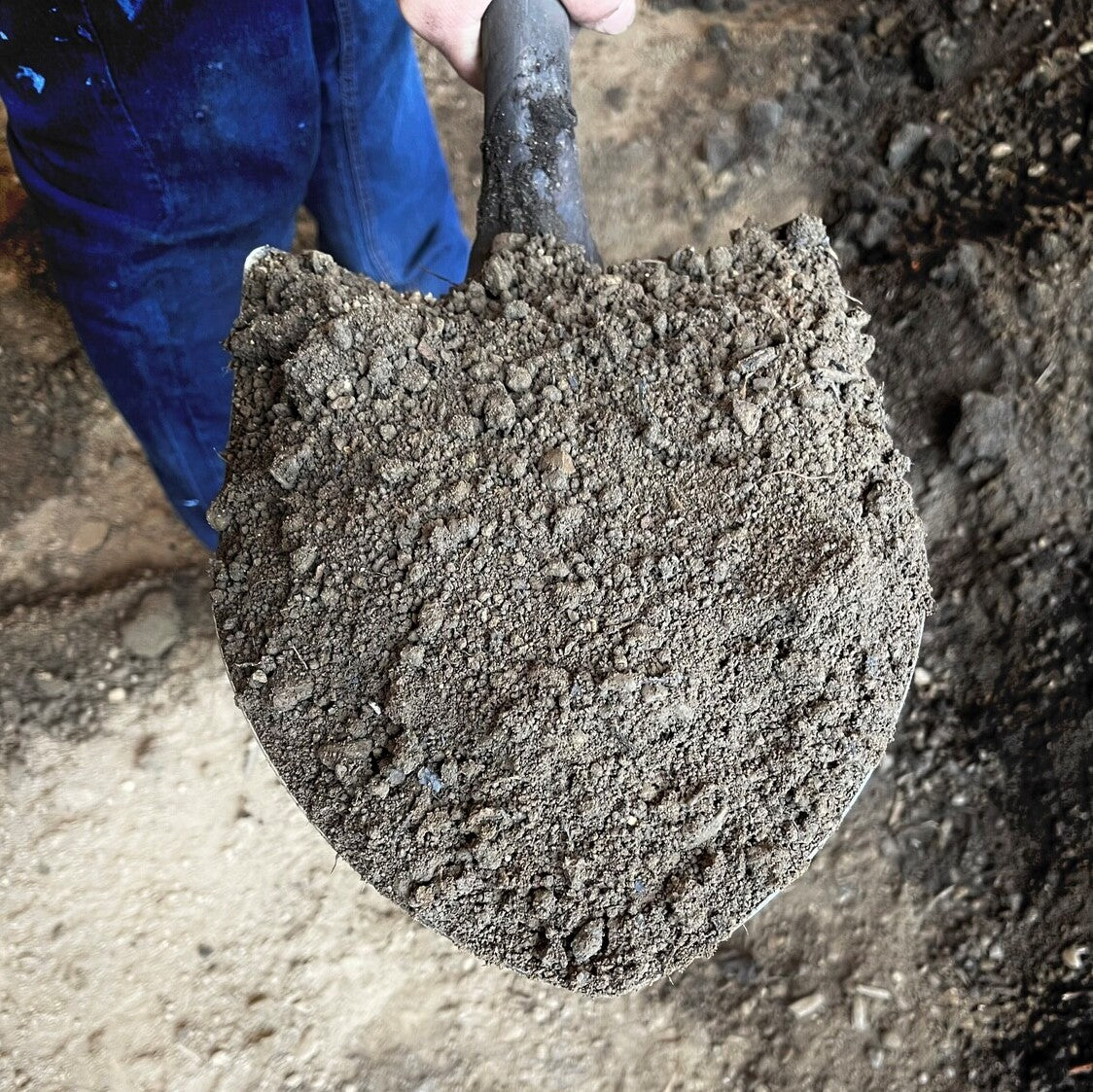
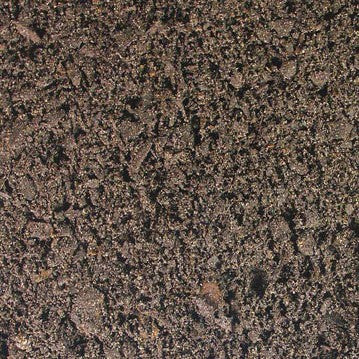
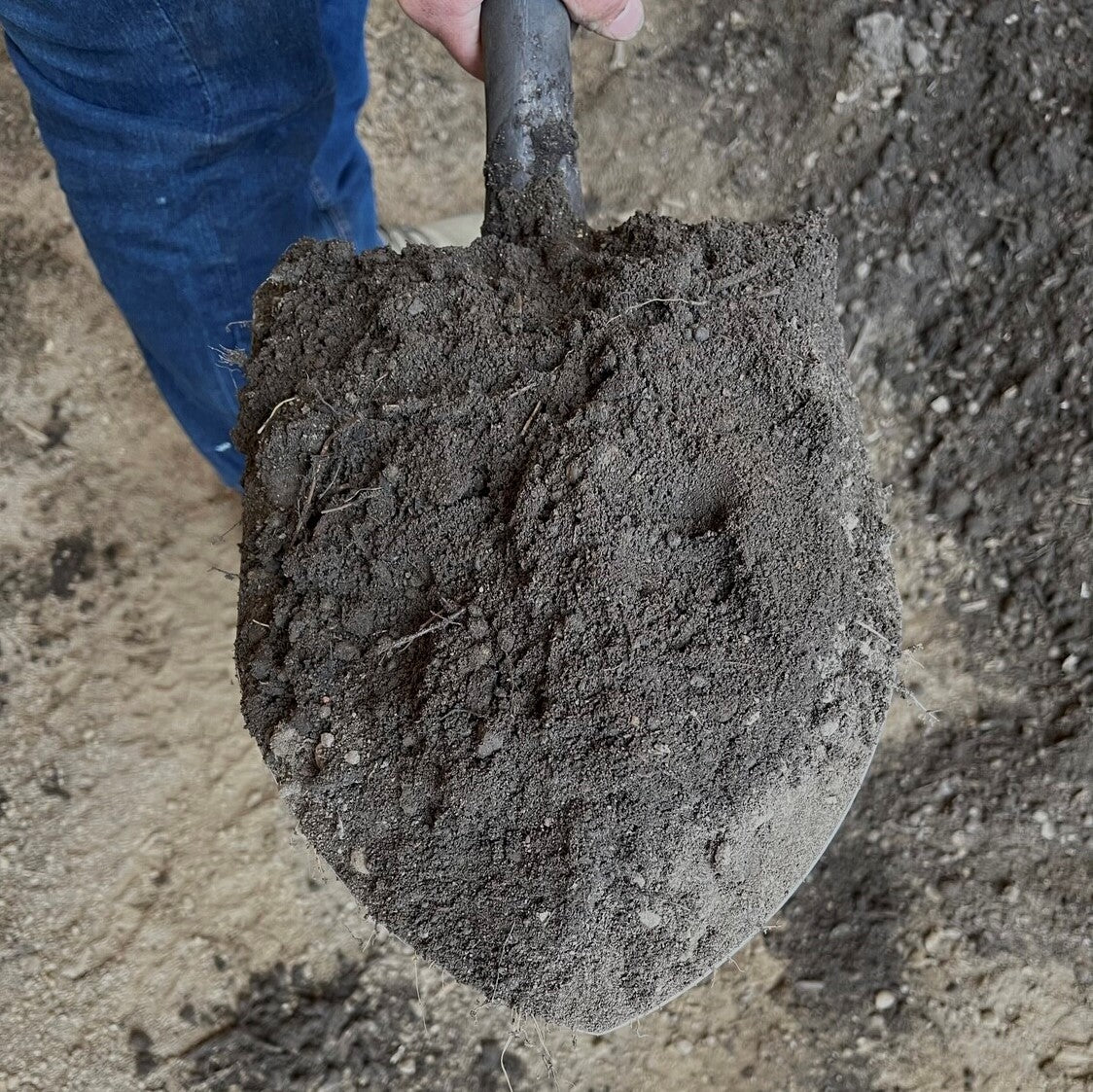
We got 3 yards of the gardening top soil. It was great quality, not many chunks and seems good for growing, just waiting for all my plants to love it.
We had more than enough soil to fill a raised bed we made and landscaped around a patio. I do wish we could do less tha...
Tell us what you're looking for
Thanks! We received your request.
Something went wrong. Please try again.
How Much Material Do I Need?
For new lawn areas plan on three to four inches of topsoil over prepared ground, and for raised beds fill the full box depth, usually ten to twelve inches. Amending existing Rochester Hills beds takes two to three inches of compost tilled into the top six.
Use our free soil calculator
What is a Yard?
A yard is approximately 27 cubic feet. As a general guideline, one yard of material can cover an area of about 100-160 square feet at a 2-3 inch depth.
We got 3 yards of the gardening top soil. It was great quality, not many chunks and seems good for growing, just waiting for all my plants to love it.
We had more than enough soil to fill a raised bed we made and landscaped around a patio. I do wish we could do less tha...
How Much Material Do I Need?
For new lawn areas plan on three to four inches of topsoil over prepared ground, and for raised beds fill the full box depth, usually ten to twelve inches. Amending existing Rochester Hills beds takes two to three inches of compost tilled into the top six.
Use our free soil calculator
What is a Yard?
A yard is approximately 27 cubic feet. As a general guideline, one yard of material can cover an area of about 100-160 square feet at a 2-3 inch depth.
We got 3 yards of the gardening top soil. It was great quality, not many chunks and seems good for growing, just waiting for all my plants to love ...
Read full review
We got 3 yards of the gardening top soil. It was great quality, not many chunks and seems good for growing, just waiting for all my plants to love it.
We had more than enough soil to fill a raised bed we made and landscaped around a patio. I do wish we could do less than 3 yds delivered but I understand the limitations.
My only concern was we requested it on the top left of our driveway since we had mulch on the other side, they ended up pouring it on top of the mulch (it was covered with a tarp so not ruined) making it difficult to complete our landscaping in a timely fashion.
Sketch the area and break it into rectangles, then measure each one rather than estimating the whole yard at once. Decide your depth in inches first, since soil quantity climbs quickly, and remember one cubic yard covers 100 square feet at three inches. Order about ten percent extra because soil settles and compacts after the first good rain.
Complete Your Outdoor Soil Project
Finish amended beds with a three inch layer of hardwood mulch to hold the moisture your new soil is now storing. Crushed stone or gravel makes a good base under raised beds and along paths where drainage matters.
Service area
Areas we deliver soil in Rochester Hills, Michigan
What kind of soil do I need for a raised vegetable bed in Rochester Hills?
A garden blend of roughly sixty percent screened topsoil and forty percent compost works well here. Our Zone 6b season is short enough that you want soil that warms quickly in May and still holds moisture through the dry stretch in late July. Pure native sandy loam in a raised box will drain too fast and need daily watering.
Answer
How much topsoil do I need to fix low spots in my lawn?
For settling around foundations and along driveway edges, plan on filling in half inch to three quarter inch lifts so existing grass can grow through. One cubic yard covers about 325 square feet at one quarter inch, or roughly 160 square feet at half an inch. Most Rochester Hills lawn leveling jobs use one to three yards.
Answer
Will adding compost actually change my sandy soil?
Yes, but it is a multi year project. Working two to three inches of compost into the top six inches raises organic matter measurably in one season, and repeating it each spring builds soil that holds water instead of letting it run past the roots. Sandy loam responds faster to compost than heavy clay does, which is one advantage we have locally.
Answer
When is the best time to topdress or amend soil here?
Early May, once the ground has dried out and the May 5 frost date has passed, and again in early September. September is arguably better for lawns, since cool nights and residual soil warmth in Rochester Hills give new grass six weeks of root growth before the October 10 first frost.
Answer
Is your topsoil screened, and what is in it?
Our topsoil is screened to remove stones, roots, and clumps, which matters here because unscreened local dirt often carries the gravel and construction debris common in Oakland County fill. Screened soil spreads evenly, rakes smooth, and does not leave rocks in your lawn for the mower to find.
Answer
How many yards fit in a typical driveway drop?
A single yard of soil makes a pile roughly five feet across and three feet tall and weighs around a ton when moist. Most Rochester Hills two car driveways handle a five to eight yard drop without blocking the garage, but let us know if you need it split into two smaller piles.
Answer
Can I plant grass seed directly into delivered topsoil?
Yes. Spread two to three inches, rake it level, and seed into it. In Rochester Hills, a fescue and bluegrass blend handles our sandy loam and moderate rainfall best. Seed in late August or early September so roots establish well before the first frost around October 10.
Mulch Mound Pro Tip
Never spread topsoil over compacted subsoil without breaking the compaction first. Newer Rochester Hills subdivisions were graded with heavy equipment and the layer beneath the sod is often packed hard. Run a core aerator or a garden fork through it before you add new soil, otherwise you create a perched water table where roots sit in a wet layer above dense ground. Ten minutes of loosening saves a season of struggling grass.
Mulch Mound Pro Tip
Test your soil pH before you invest in amendments. Rochester Hills sandy loam frequently runs slightly alkaline because of the limestone gravel in our glacial parent material, which locks up iron and gives maples and hydrangeas that yellow leaf look. Oakland County extension offers inexpensive testing. Knowing your number tells you whether you need elemental sulfur, more compost, or simply different plant choices for that bed.
Mulch Mound Pro Tip
Do not work soil when it is wet. Even sandy loam smears and loses structure if you till it after a spring rain, and Rochester Hills tends to see its wettest stretch in May and June exactly when everyone wants to plant. Grab a handful and squeeze. If it forms a muddy ball that will not crumble when poked, wait two or three dry days before spreading or tilling.
The Unique Landscape of Rochester Hills
The native sandy loam under most Rochester Hills properties drains well, which is a blessing after a wet April, but it is chronically low in organic matter and nutrients. Add in the compacted subsoil and construction fill left behind in newer subdivisions off Tienken and Dutton, and many homeowners are trying to grow lawns and vegetables in something closer to sand than garden soil. Bringing in screened topsoil, garden mix, or compost gives roots a real medium to work with and raises the water holding capacity that our 33 inches of annual rainfall cannot make up for. With a Zone 6b season running roughly from the May 5 last frost to the October 10 first frost, you have a defined window to establish plantings and the soil needs to perform from day one. Good soil also levels the settling and low spots that show up around foundations and along driveways after a few Michigan freeze and thaw winters.