


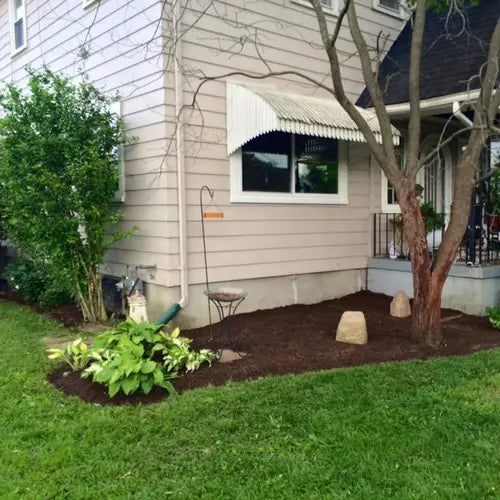

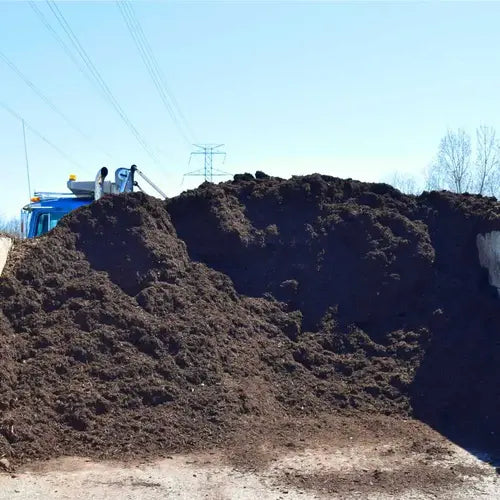
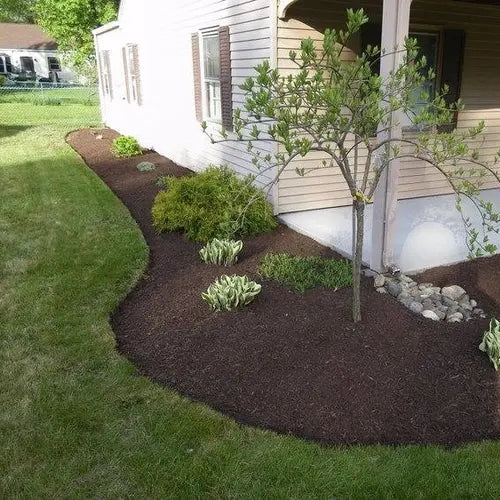

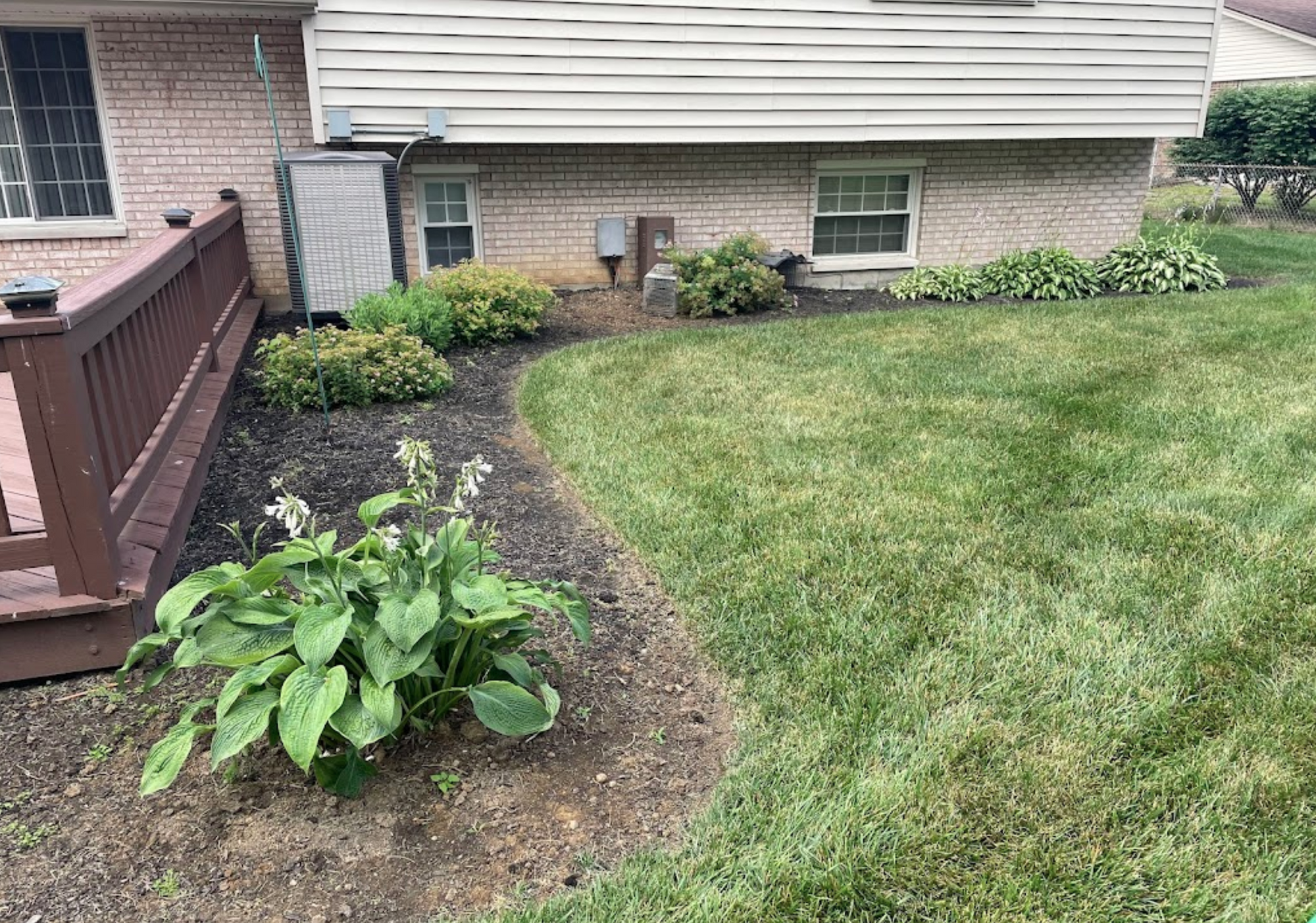
Our delivery was delayed but the new brown color mulch is a nice upgrade to our landscaping.
About this mulch
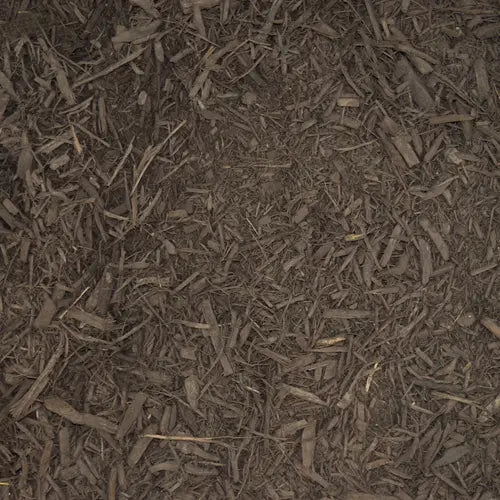
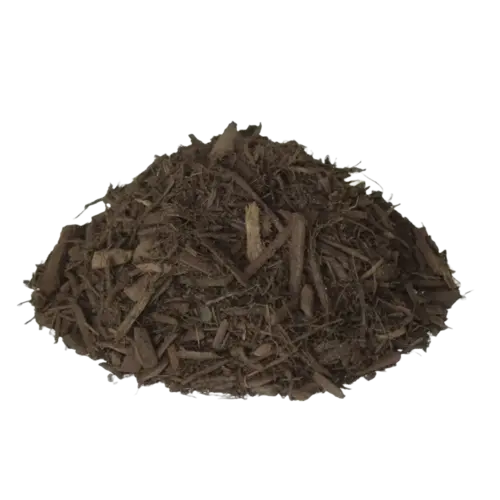
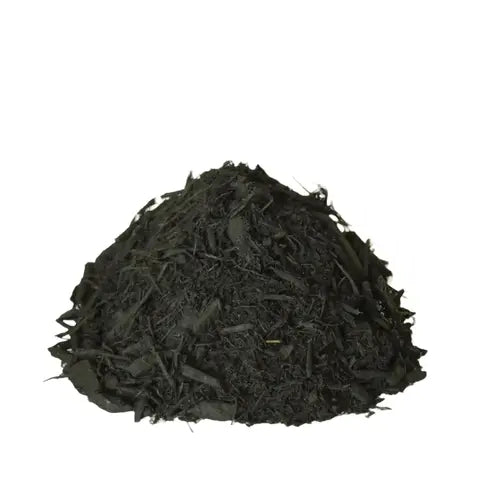
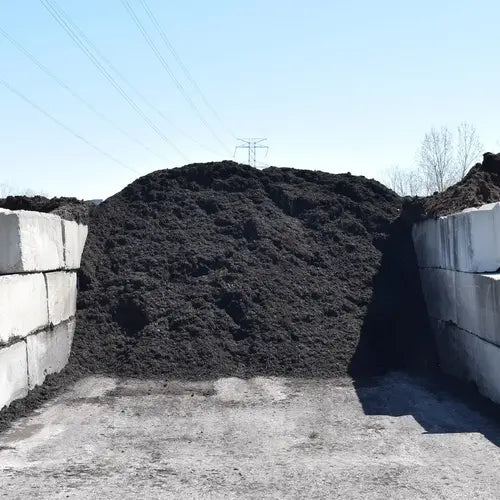
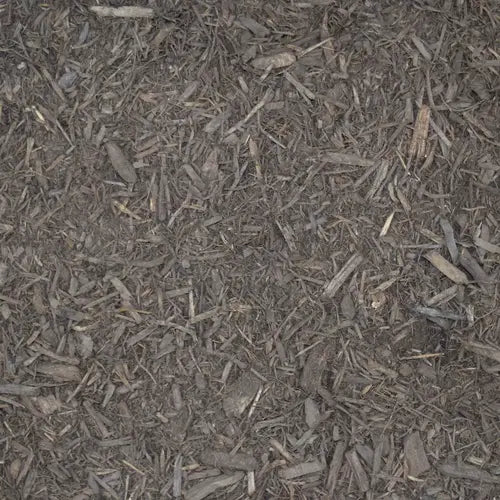
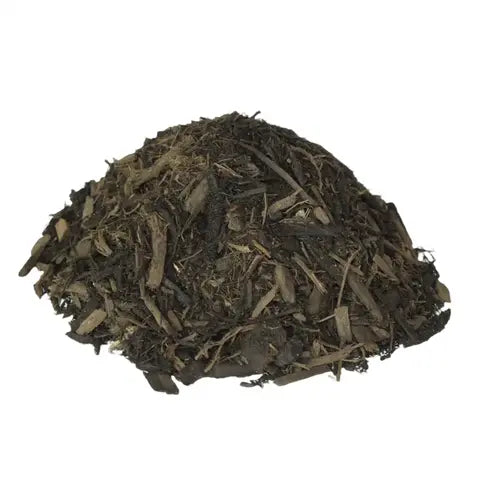
Warm brown double shredded mulch with lasting color that looks freshly applied for weeks. Spreads smooth, stays put, and gives beds a natural, polished appearance.
Our delivery was delayed but the new brown color mulch is a nice upgrade to our landscaping.
Tell us what you're looking for
Thanks! We received your request.
Something went wrong. Please try again.
How Much Material Do I Need?
How Much Material Do I Need?
For most Rochester planting beds over clay soil, a 3-inch application depth strikes the right balance between moisture retention and avoiding the waterlogging that clay already encourages on its own. New beds or areas with fully exposed clay may benefit from a 4-inch layer to suppress aggressive weed pressure during the first full growing season.
Use our free mulch calculator
What is a yard?
What is a yard?
FAQs
FAQs
Rochester Mulch Delivery
Rochester Mulch Delivery
Regular price
$64.00
per
yard
Regular price
Sale price
$64.00
Unit price
per
Shipping calculated at checkout.
Minimum of 3 yard
Couldn't load pickup availability
Not currently available
We can't take orders for this right now. Tell us what you need and we'll get back to you.
Hand-picked local yards
4,000+ regional deliveries
Dedicated support
Why order through Mulch Mound
The best local mulch, without the guesswork.
We hand-pick and partner with the best yards in your region, keep only the ones our buyers rate well, and back each load with our guarantee.
Mulch Mound Guarantee
If your mulch isn't the quantity or quality you ordered, we'll make it right.
About this mulch
Warm brown double shredded mulch with lasting color that looks freshly applied for weeks. Spreads smooth, stays put, and gives beds a natural, polished appearance.
Our delivery was delayed but the new brown color mulch is a nice upgrade to our landscaping.
How Much Material Do I Need?
How Much Material Do I Need?
For most Rochester planting beds over clay soil, a 3-inch application depth strikes the right balance between moisture retention and avoiding the waterlogging that clay already encourages on its own. New beds or areas with fully exposed clay may benefit from a 4-inch layer to suppress aggressive weed pressure during the first full growing season.
Use our free mulch calculator
What is a yard?
What is a yard?
FAQs
FAQs
Tell us what you're looking for
Thanks! We received your request.
Something went wrong. Please try again.
How It Works
Getting started is easy — just follow these simple steps
1
Choose your Mulch
Make sure you adjust the quantity to your home's needs. You can use our calculator to estimate how much you'll need.
2
Select your delivery date
Select a delivery date you'd like for the product to be dropped off at your home
3
Sit back and wait
Sit back, wait, and let us work our magic to make sure the highest quality product is delivered to your driveway.

Mulch Mound made it so easy! So happy with the pricing, turn around time, delivery and product. I submitted my online order on a Thursday. The mu...
Read full review
Mulch Mound made it so easy! So happy with the pricing, turn around time, delivery and product. I submitted my online order on a Thursday. The mulch was delivered to the designated location by a local landscape company at 8:30 a.m. the following Saturday morning. We had the job completed by that afternoon. We chose the natural brown mulch, and the plant beds are beautiful.

Good quality, great price, fast delivery. All online - no submitting forms and waiting for days for quotes.
Getting mulch should be this easy fr...
Read full review
Good quality, great price, fast delivery. All online - no submitting forms and waiting for days for quotes.
Getting mulch should be this easy from everyone. Only Mulch Mound is ACTUALLY this simple.
Calculate mulch for your Rochester project
For Rochester's Heavy Clay type of soil, we recommend 2-3 inches for best weed suppression and moisture retention
Try Our CalculatorMeasure the length and width of each bed in feet and multiply those numbers together to get the square footage, then use our calculator to convert that into cubic yards at your preferred depth. Rochester's clay soil often means beds have irregular edges where the ground has heaved over winter, so walking the perimeter with a tape measure gives a more accurate count than estimating by eye. Ordering about 10 percent extra is a smart buffer given Rochester's short spreading season and the likelihood of finding a few bare spots you missed during initial measuring.

Best Mulch Choice for Rochester Lawns
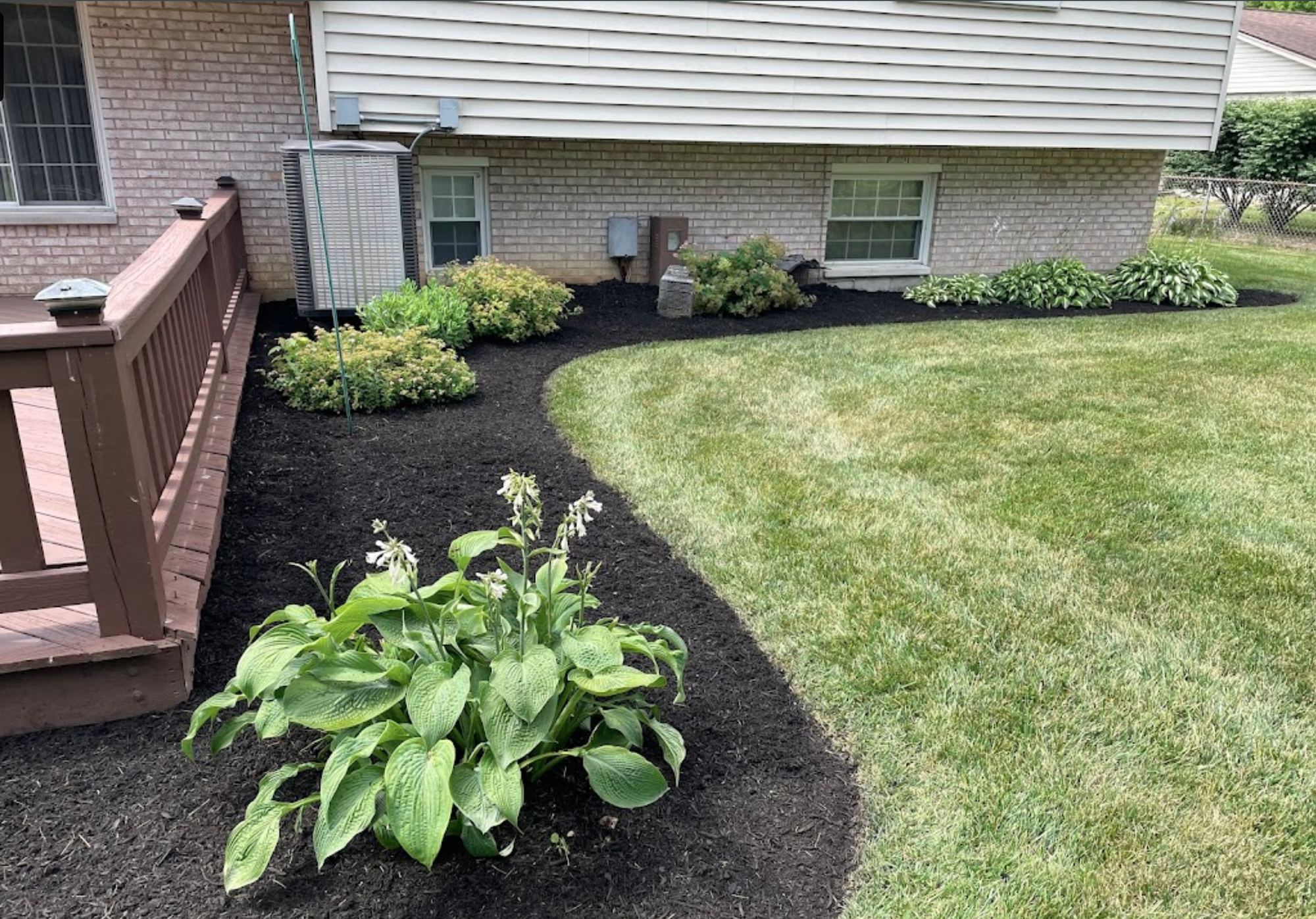
Most yards in the Rochester area sit on Heavy Clay type of soil. Rochester's heavy clay soil drains so slowly that plant beds can stay saturated for a week or more after spring rains, and that standing moisture creates rot pressure at root crowns before the growing season even gets started.
Hardwood Mulch
Hardwood mulch breaks down into fine organic matter over one to two seasons and works into the top layer of Rochester's clay, gradually improving drainage and adding the aeration that dense clay soil naturally lacks, which allows roots to spread more freely through the growing season.
Mulch Types We Deliver in Rochester
Mulch Mound delivers bulk mulch by the cubic yard to homes and properties throughout Rochester, Minnesota. For gardeners and landscapers searching for bulk mulch delivery near me, we carry a range of colors and textures suited to any project size. Our mulch arrives fresh and ready to spread, so you can skip the store runs and get straight to work.
Dyed Black Mulch
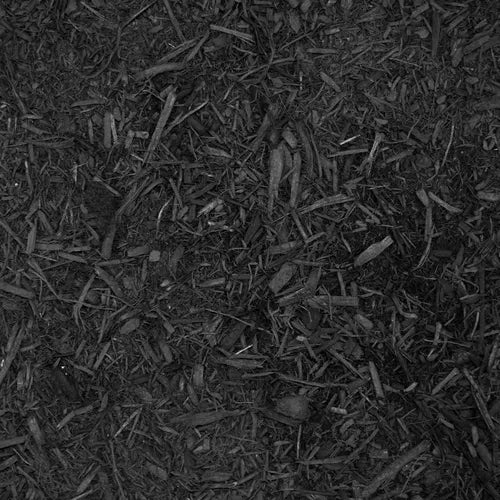
Available in double shredded style, this bold black mulch gives garden beds a sharp, striking look that complements the brick homes and established yards common across this part of Minnesota. The rich color holds through wet springs and dry Minnesota summers, and the smooth texture makes spreading quick and even.
Dyed Brown Mulch
Available in double shredded style, this warm brown mulch delivers lasting color that looks freshly applied for weeks, a great choice for homeowners who want polished, tidy garden beds. The smooth texture lays flat over the clay soils common in this part of Minnesota and helps lock in moisture during dry stretches.
Natural Brown Mulch
Available in double shredded style, this undyed mulch brings a subtle, earthy brown tone straight from the wood itself, complementing the wooded lot styles common throughout this part of Minnesota. It appeals to gardeners who want an honest, natural look and an option that breaks down to enrich the soil season after season.
Complete Your Outdoor Mulch Project
If your clay soil needs structural improvement before mulching, our bulk topsoil and garden mix blends help loosen Rochester's dense native earth and create a better root environment before the beds are covered. Decorative stone from our inventory also pairs well with mulch to define bed edges and add low-maintenance texture to areas where Rochester's wet springs make organic material hard to keep in place.


Service area
Areas we deliver mulch in Rochester, Minnesota
Mulch Mound Pro Tip
Rochester's clay soil stays cold well into May even after air temperatures climb, and applying mulch too early in spring can slow that warming even further. Wait until the soil feels genuinely warm a few inches down, usually around the first week of May, before laying your spring layer. This gives perennials and bulbs the heat they need to push through quickly after the last frost date passes on May 7.
Mulch Mound Pro Tip
Freeze-thaw cycles in Rochester's Zone 4b winters are hard on plant crowns, especially for marginally hardy perennials and newly established shrubs. Apply a fresh layer of mulch in mid-October, after plants have started going dormant but before the ground locks up solid, to stabilize soil temperatures through the winter. This timing gives you the most insulating protection without trapping fall moisture that can rot crowns before the deep cold sets in.
Mulch Mound Pro Tip
Rochester's 30 inches of annual rainfall sounds moderate, but a significant portion arrives in intense spring and summer storms that hit clay soil fast and run off rather than soaking in. Mulch acts as a sponge layer that slows water down long enough for it to begin penetrating, reducing the muddy runoff that carries topsoil and nutrients out of your beds with every storm. Keeping that mulch layer intact and topped off is one of the most cost-effective ways to hold moisture where it belongs and reduce how often you need to supplement with irrigation during dry stretches.
The Unique Landscape of Rochester
Rochester's heavy clay soil compacts under foot traffic and uneven rainfall, leaving plant roots cycling between waterlogged and drought-stressed depending on the week. A consistent layer of mulch acts as a buffer at the soil surface, slowing evaporation during dry stretches and reducing the runoff that Rochester's clay produces when rain hits faster than the ground can absorb it. The growing window between the last frost on May 7 and the first frost on October 7 is short enough that every week of healthy root activity matters, and mulch helps extend that window by keeping soil temperatures warmer in spring and cooler during summer heat spikes. Rochester's clay also crusts and cracks when exposed to sun and wind, creating a nearly impenetrable surface that sheds water rather than accepting it. Covering bare clay with mulch prevents that crusting, supports the soil organisms that naturally loosen the earth over time, and gives your beds a finished appearance that holds up through the freeze-thaw cycles that hit Zone 4b hard from October through April.