




Ordered Dirt. Received Dirt. Would Buy Again.
About this soil
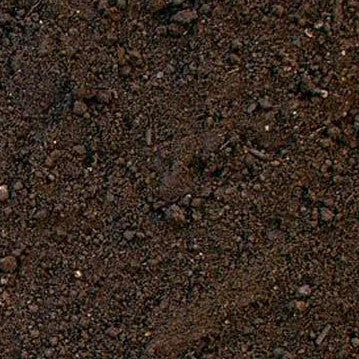
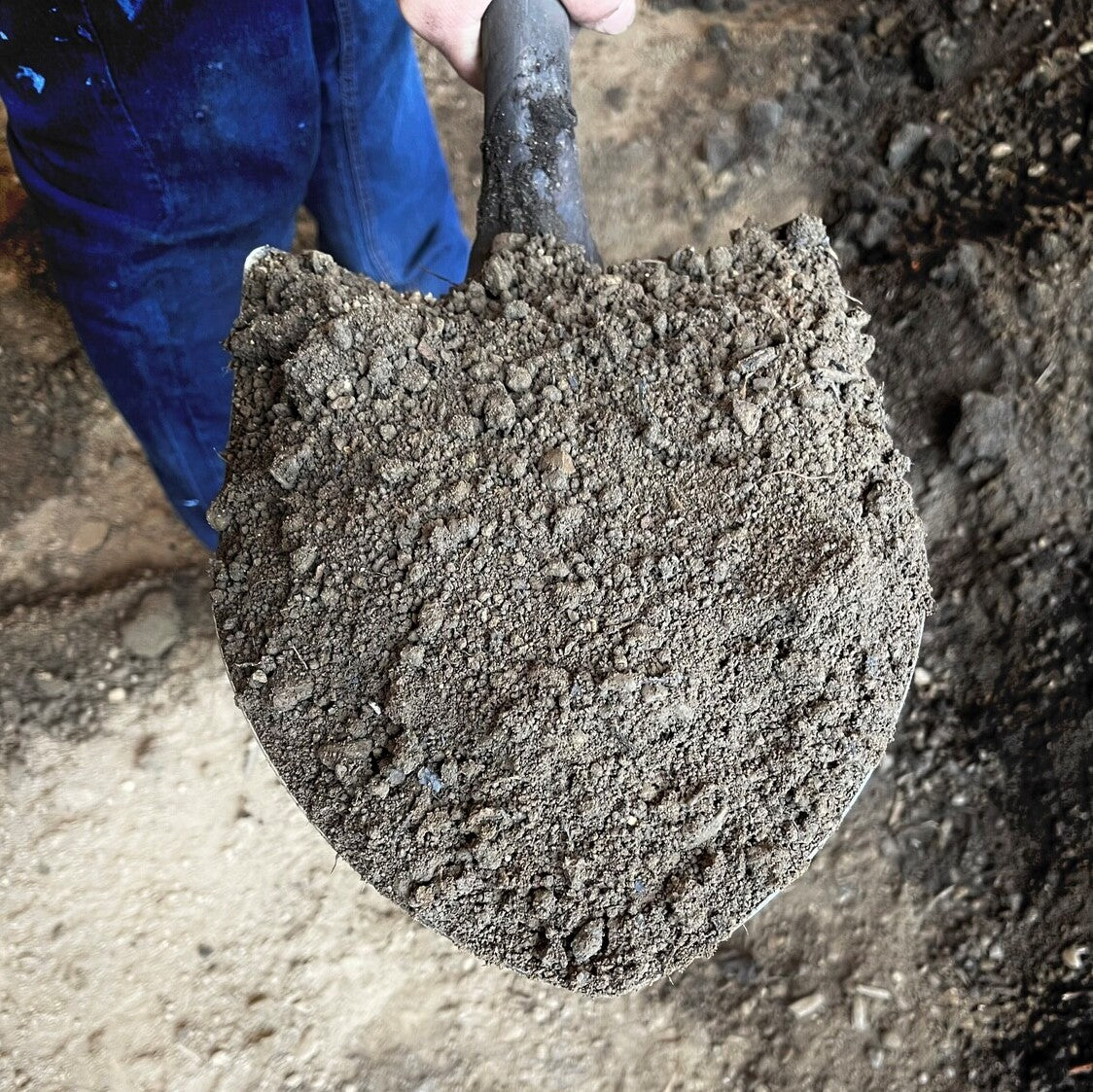
Quality topsoil for lawns, gardens, and landscape projects. Nutrient rich and ready to support strong root development and healthy plant establishment.
Ordered Dirt. Received Dirt. Would Buy Again.
Tell us what you're looking for
Thanks! We received your request.
Something went wrong. Please try again.
How Much Material Do I Need?
How Much Material Do I Need?
Lawn leveling over Rochester's clay typically needs 1 to 3 inches of topsoil, while new garden beds and raised planting areas benefit from at least 6 to 8 inches of amended soil to give roots enough depth to avoid the dense clay below. Grade work around foundations should use enough material to establish a slope of about 1 inch of drop per foot moving away from the structure, which is especially important in Rochester where spring snowmelt can send large volumes of water toward foundations quickly.
Use our free soil calculator
What is a yard?
What is a yard?
FAQs
FAQs
Rochester Soil Delivery
Rochester Soil Delivery
Regular price
$64.00
per
yard
Regular price
Sale price
$64.00
Unit price
per
Shipping calculated at checkout.
Minimum of 3 yard
Couldn't load pickup availability
Not currently available
We can't take orders for this right now. Tell us what you need and we'll get back to you.
Hand-picked local yards
4,000+ regional deliveries
Dedicated support
Why order through Mulch Mound
The best local soil, without the guesswork.
We hand-pick and partner with the best yards in your region, keep only the ones our buyers rate well, and back each load with our guarantee.
Mulch Mound Guarantee
If your soil isn't the quantity or quality you ordered, we'll make it right.
About this soil
Quality topsoil for lawns, gardens, and landscape projects. Nutrient rich and ready to support strong root development and healthy plant establishment.
Ordered Dirt. Received Dirt. Would Buy Again.
How Much Material Do I Need?
How Much Material Do I Need?
Lawn leveling over Rochester's clay typically needs 1 to 3 inches of topsoil, while new garden beds and raised planting areas benefit from at least 6 to 8 inches of amended soil to give roots enough depth to avoid the dense clay below. Grade work around foundations should use enough material to establish a slope of about 1 inch of drop per foot moving away from the structure, which is especially important in Rochester where spring snowmelt can send large volumes of water toward foundations quickly.
Use our free soil calculator
What is a yard?
What is a yard?
FAQs
FAQs
Tell us what you're looking for
Thanks! We received your request.
Something went wrong. Please try again.
How It Works
Getting started is easy — just follow these simple steps
1
Choose your soil
Make sure you adjust the quantity to your home's needs. You can use our calculator to estimate how much you'll need.
2
Select your delivery date
Select a delivery date you'd like for the product to be dropped off at your home
3
Sit back and wait
Sit back, wait, and let us work our magic to make sure the highest quality product is delivered to your driveway.


Placing an order online was so easy. Delivery was on time. When the driver realized we had a newly poured driveway they erred on the side of cautio...
Read full review
Placing an order online was so easy. Delivery was on time. When the driver realized we had a newly poured driveway they erred on the side of caution and opted not ti drive in it. The company even sent me a message explaining that call. Would recommend!
Need Help Calculating How Much Soil You Need?
Use our NEW Trace from Satellite tool to get an estimate for your project based on an aerial view of your property
Try Our CalculatorMeasure the length and width of the area you are filling or leveling in feet and multiply them together to get the square footage, then decide on your target depth in inches and convert that to a fraction of a foot before multiplying. Rochester yards often have uneven spots created by years of clay settling and frost heaving, so walking the area with a line level will help you identify the deepest low spots and calculate a more accurate total volume. Adding a 10 to 15 percent overage to your order is smart given that Rochester's clay subsoil tends to compress the soil above it more than expected during the first season after placement.
Soil Types We Deliver in Rochester
Rochester homeowners and landscapers count on us for bulk topsoil by the yard in Rochester, delivered straight to your driveway or job site. Whether you are filling raised beds, leveling a lawn, or tackling a full landscape renovation, having the right soil underneath everything makes a lasting difference. We sell by the cubic yard so you get exactly what your project calls for, nothing more and nothing less.
Screened Top Soil
Our screened top soil is sifted to remove rocks and debris, leaving a fine, workable blend that spreads evenly and makes seed germination easier. It suits lawns, vegetable gardens, and planting beds across Rochester properties, where the native clay-heavy ground often benefits from a nutrient-rich amendment. Strong root development follows naturally.
Complete Your Outdoor Soil Project
Pair your bulk soil order with a layer of shredded hardwood mulch to protect the new surface from Rochester's erosive spring rains and lock in the moisture that newly established plants need during their first season. Decorative stone works well along the perimeter of new beds to keep your fresh soil from washing into lawn areas during Rochester's heavier rain and snowmelt events.


Service area
Areas we deliver soil in Rochester, Minnesota
Mulch Mound Pro Tip
Rochester's clay subsoil tends to wick moisture upward into any soil placed on top of it, which is helpful during dry spells but can cause waterlogging in the new topsoil layer during wet springs. When building raised beds or filling low spots, mix a generous amount of compost into the first few inches where the new soil meets the native clay to create a transition zone that improves water movement and prevents the abrupt layering effect that can trap moisture between soil types.
Mulch Mound Pro Tip
When grading a lawn or yard in Rochester, do not work the soil when the ground is still wet from snowmelt or heavy rain. Working clay-heavy ground while it is saturated causes soil particles to compress together in ways that resist root growth and drainage for years. Wait until the soil holds its shape when squeezed in your fist but crumbles when you release it before starting any grading or tilling project.
Mulch Mound Pro Tip
Rochester's short growing season makes timing critical for soil improvement projects. If you are preparing a new lawn or garden bed, aim to finish soil work by the first week of May so you have the full growing window before the October 7 first frost for plants to establish deep roots. Beds prepared in fall also perform well because the freeze-thaw cycles of a Rochester winter naturally break up and integrate new soil, making an October soil project often better settled by planting time than one completed in early spring.
The Unique Landscape of Rochester
Rochester's native soil is a dense heavy clay that drains poorly, compacts under foot traffic or equipment, and hardens into a nearly concrete-like surface during dry stretches that makes it extremely difficult to establish new grass, gardens, or trees without amendment. Because the growing season runs only from May 7 to October 7 in Zone 4b, there is very little margin for plants struggling in poor native soil, and a slow-starting season in compromised ground often means losing a planting entirely to the following winter. Bulk topsoil and amended garden mixes give Rochester homeowners the ability to build a productive growing layer on top of the native clay without the expensive and time-consuming process of deep tilling and amending in place. Raised beds and top-dressed lawns benefit enormously from quality imported soil because the native clay offers little organic matter, low permeability, and inconsistent nutrient availability depending on the time of year. Even a modest addition of well-structured soil across a Rochester lawn or garden can change drainage patterns, reduce ponding after spring rains, and give roots the loose, oxygen-rich environment they need to perform through a short but demanding growing window.