


Easy to order, great service, and great product. We enjoy the final look of a very neglected beds we inherited!
About this fill dirt
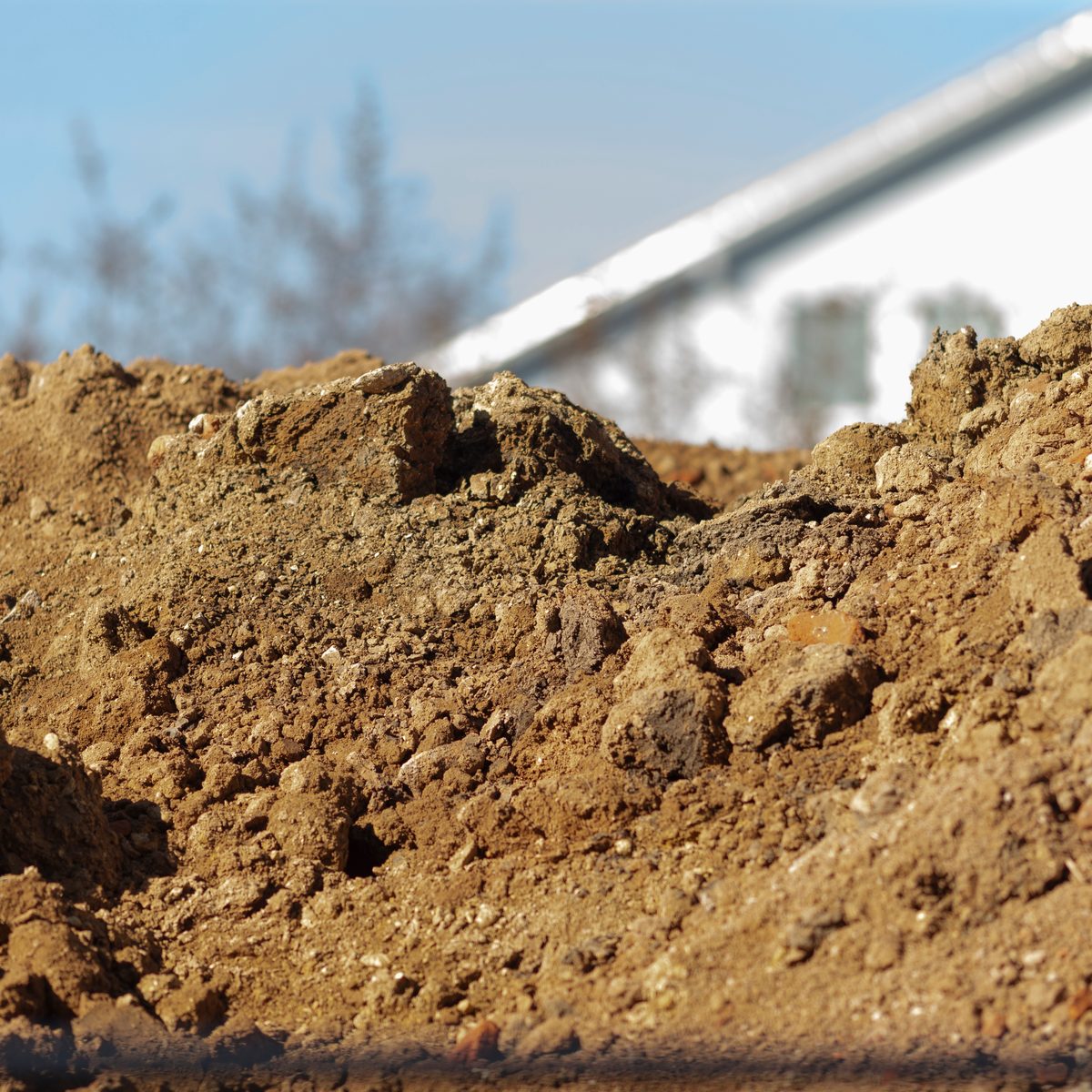
Inorganic subsoil for filling holes, raising low ground, and backfill. Small rocks and bits of stick or root are normal in the mix, this is structural material and not a growing medium. Do not use it to level a lawn surface or fill flower beds, put topsoil over it for anything you want to plant. Place it in lifts and compact as you go.
Easy to order, great service, and great product. We enjoy the final look of a very neglected beds we inherited!
Tell us what you're looking for
Thanks! We received your request.
Something went wrong. Please try again.
How Much Fill Dirt Do I Need?
How Much Fill Dirt Do I Need?
Fill dirt runs about 1.3 tons per cubic yard, and one yard spread at a 6 inch depth covers roughly 54 square feet. A typical backfill or grade raise runs 6 to 12 inches deep, so for a 12 inch lift you are looking at about half that coverage per yard, around 27 square feet. Measure the low area in square feet, decide your target depth, and order in cubic yards from there.
Estimate fill dirt with our free topsoil calculator
What is a Yard?
What is a Yard?
FAQs
FAQs
Rock Hill Fill Dirt Delivery
Rock Hill Fill Dirt Delivery
Regular price
$38.00
per
Yard
Regular price
Sale price
$38.00
Unit price
per
Shipping calculated at checkout.
Minimum of 3 Yard
Couldn't load pickup availability
Not currently available
We can't take orders for this right now. Tell us what you need and we'll get back to you.
Hand-picked local yards
4,000+ regional deliveries
Dedicated support
Why order through Mulch Mound
The best local fill dirt, without the guesswork.
We hand-pick and partner with the best yards in your region, keep only the ones our buyers rate well, and back each load with our guarantee.
Mulch Mound Guarantee
If your fill dirt isn't the quantity or quality you ordered, we'll make it right.
About this fill dirt
Inorganic subsoil for filling holes, raising low ground, and backfill. Small rocks and bits of stick or root are normal in the mix, this is structural material and not a growing medium. Do not use it to level a lawn surface or fill flower beds, put topsoil over it for anything you want to plant. Place it in lifts and compact as you go.
Easy to order, great service, and great product. We enjoy the final look of a very neglected beds we inherited!
How Much Fill Dirt Do I Need?
How Much Fill Dirt Do I Need?
Fill dirt runs about 1.3 tons per cubic yard, and one yard spread at a 6 inch depth covers roughly 54 square feet. A typical backfill or grade raise runs 6 to 12 inches deep, so for a 12 inch lift you are looking at about half that coverage per yard, around 27 square feet. Measure the low area in square feet, decide your target depth, and order in cubic yards from there.
Estimate fill dirt with our free topsoil calculator
What is a Yard?
What is a Yard?
FAQs
FAQs
Tell us what you're looking for
Thanks! We received your request.
Something went wrong. Please try again.
How It Works
Getting started is easy — just follow these simple steps
1
Choose your quantity
Adjust the quantity to match your project. One cubic yard covers about 100 to 160 square feet at a 2 to 3 inch depth.
2
Select your delivery date
Select a delivery date you'd like for the product to be dropped off at your home
3
Sit back and wait
Sit back, wait, and let us work our magic to make sure the highest quality product is delivered to your driveway.

I contacted Mulch Mound for #57 river rocks and it was easy and fast to get a delivery right before the holiday weekend. Stone was delivered as pro...
Read full review
I contacted Mulch Mound for #57 river rocks and it was easy and fast to get a delivery right before the holiday weekend. Stone was delivered as promised and place exactly where I asked. Excellent service! I will be ordering mulch next!

I recently ordered from mulch mound and was thoroughly impressed with every aspect of the experience. The entire process, from placing the order to...
Read full review
I recently ordered from mulch mound and was thoroughly impressed with every aspect of the experience. The entire process, from placing the order to delivery was seamless and efficient. The mulch arrived exactly on time, and the quality exceeded my expectations. The color was rich and consistent, and I received more than enough to complete my project with proper coverage and packing.
Customer service was equally outstanding. Communication was clear, and the team was responsive and professional throughout. It’s rare to find a company that delivers both a high-quality product and excellent service, but mulch mound did just that.
Highly recommended, and I wouldn’t hesitate to order from them again.
Complete Your Outdoor Project
Most fill jobs finish with a cap of topsoil once the grade is where you want it, since fill dirt itself is not meant to grow anything. If the finished area will see grass or plants, order topsoil for the top few inches, and if drainage is still a concern on Rock Hill's clay, a layer of gravel underneath low spots can help move water away from foundations.


Service area
Areas we deliver fill dirt in Rock Hill, South Carolina
Mulch Mound Pro Tip
Rock Hill's clay subsoil compacts on its own weight over time, which is actually good news for fill work, since it means your delivered fill needs to match that same behavior or you will get uneven settling where the two meet. Compact every 6 to 8 inch lift with a plate compactor before adding the next one. Skipping this step is the single most common reason a filled area sinks a season or two later, right when you thought the job was done.
Mulch Mound Pro Tip
Do not spread fill dirt and plant into it directly, since it has no organic content and drains and holds water differently than real topsoil. Cap the finished grade with 4 to 6 inches of topsoil before seeding or landscaping. This two step approach costs a bit more up front but avoids the dead patches and poor drainage that show up when grass roots hit raw subsoil.
Mulch Mound Pro Tip
If your project also needs topsoil or gravel, plan both deliveries around the same week so equipment and access setup only happens once. Rock Hill's frost depth is shallow enough that fill and grading work can happen most of the year, so there is no need to rush a job into a tight seasonal window, just work it in stages and let each lift compact before moving forward.
Grading and Filling in Rock Hill
Rock Hill sits on dense clay that drains slowly, which means low spots near foundations, pools, and driveways tend to hold water long after a storm passes. Fill dirt lets you raise that grade before it becomes a standing water problem, especially on properties near the Riverwalk corridor where the land can sit low relative to the Catawba. Because the native soil compacts hard on its own, matching your fill to a similar density and compacting it in lifts keeps the whole job from settling unevenly over the next few winters. This is structural work, not garden prep, so treat it that way from the start.
What Fill Dirt Is
Fill dirt is inorganic subsoil sold for volume and grade, not for growing. Small rocks and bits of stick or root are normal in the mix. It compacts predictably, which is exactly what you want under slabs, in trenches, and behind walls.
Fill Dirt vs Topsoil
Fill dirt builds the shape of the ground, topsoil grows things on top of it. Bring the grade up with fill, then cap it with 4 to 6 inches of topsoil anywhere grass or plants are going in.
Compact in Lifts
Place fill in layers of 4 to 6 inches and compact each one before adding the next. Dumping the full depth at once leaves voids that settle later, and settling is the one problem fill is supposed to solve.