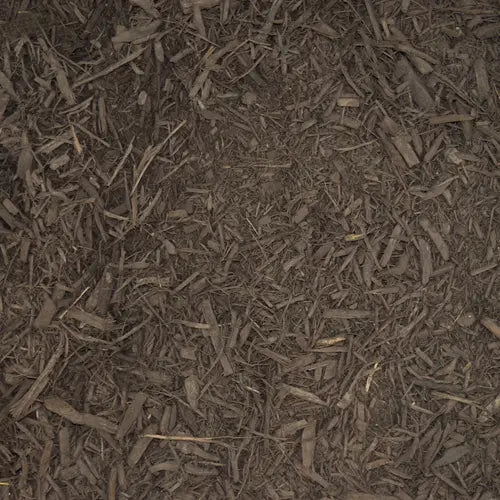
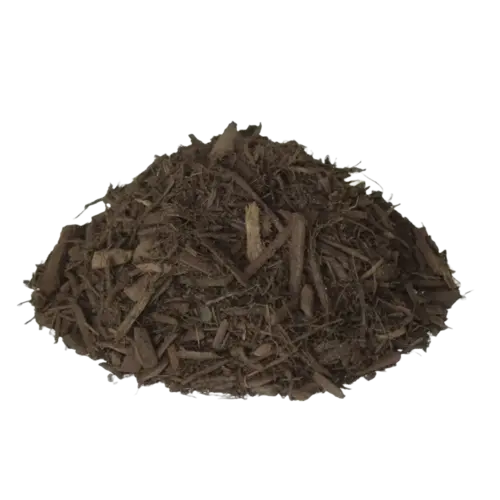
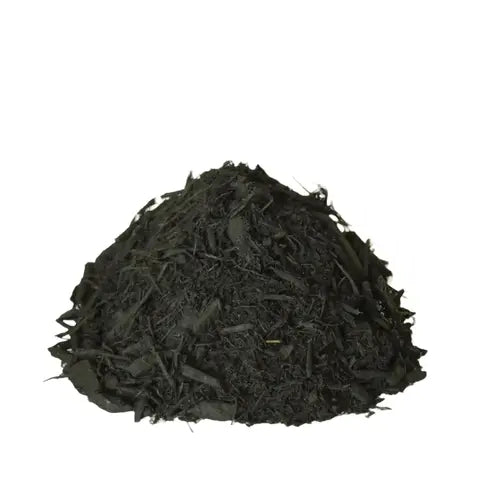
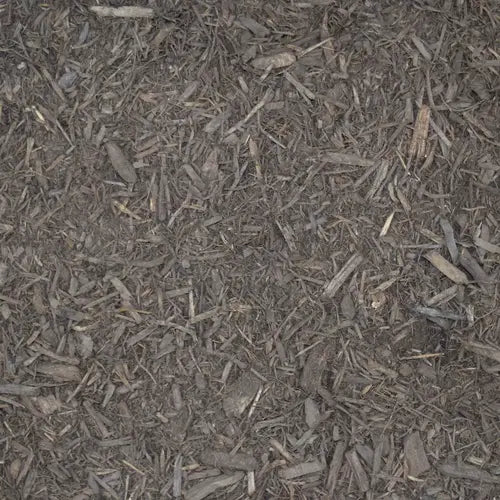
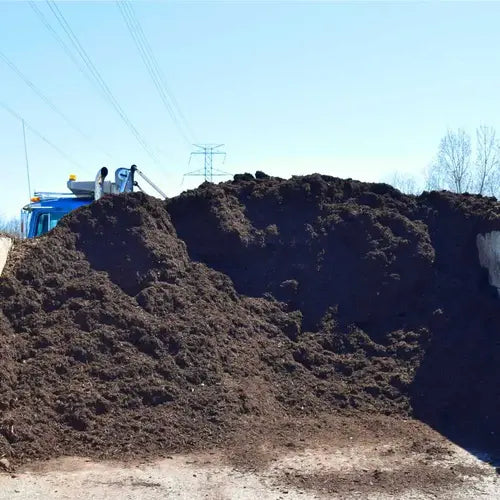
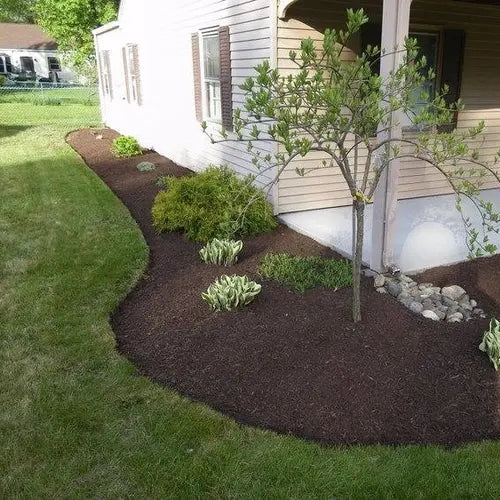
Warm brown double shredded mulch with lasting color that looks freshly applied for weeks. Spreads smooth, stays put, and gives beds a natural, polished appearance.
Mulch Mound made it so easy! So happy with the pricing, turn around time, delivery and product. I submitted my online order on a Thursday. The mulch was delivered to the designated location by a local landscape company at 8:30 a.m. the following Saturday morning. We had the...
Tell us what you're looking for
Thanks! We received your request.
Something went wrong. Please try again.
How Much Material Do I Need?
For most Rock Island garden beds, a 3-inch layer of mulch provides enough insulation against Zone 5b temperature swings without suffocating plant crowns growing in silt loam soil. Areas near downspouts or on slopes may benefit from a slightly thicker application to compensate for washout during heavy spring rain events.
Use our free mulch calculator
What is a yard?
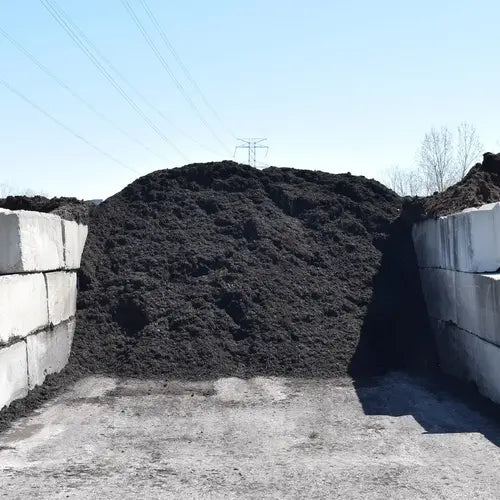
A yard is approximately 27 cubic feet. As a general guideline, one yard of material can cover an area of about 100-160 square feet at a 2-3 inch depth.
We can't take orders for this right now. Tell us what you need and we'll get back to you.
What do you need?
Thanks! We received your request.
Something went wrong. Please try again.
Hand-picked local yards
4,000+ regional deliveries
Dedicated support
Why order through Mulch Mound
The best local mulch, without the guesswork.
We hand-pick and partner with the best yards in your region, keep only the ones our buyers rate well, and back each load with our guarantee.
Mulch Mound Guarantee
If your mulch isn't the quantity or quality you ordered, we'll make it right.
About this mulch
Warm brown double shredded mulch with lasting color that looks freshly applied for weeks. Spreads smooth, stays put, and gives beds a natural, polished appearance.
Mulch Mound made it so easy! So happy with the pricing, turn around time, delivery and product. I submitted my online order on a Thursday. The mulch was delivered to the designated location by a local landscape company at 8:30 a.m. the following Saturday morning. We had the...
How Much Material Do I Need?
For most Rock Island garden beds, a 3-inch layer of mulch provides enough insulation against Zone 5b temperature swings without suffocating plant crowns growing in silt loam soil. Areas near downspouts or on slopes may benefit from a slightly thicker application to compensate for washout during heavy spring rain events.
Use our free mulch calculator
What is a yard?
A yard is approximately 27 cubic feet. As a general guideline, one yard of material can cover an area of about 100-160 square feet at a 2-3 inch depth.
Mulch Mound made it so easy! So happy with the pricing, turn around time, delivery and product. I submitted my online order on a Thursday. The mu...
Read full review
Mulch Mound made it so easy! So happy with the pricing, turn around time, delivery and product. I submitted my online order on a Thursday. The mulch was delivered to the designated location by a local landscape company at 8:30 a.m. the following Saturday morning. We had the job completed by that afternoon. We chose the natural brown mulch, and the plant beds are beautiful.
Good quality, great price, fast delivery. All online - no submitting forms and waiting for days for quotes. Getting mulch should be this easy fr...
Read full review
Good quality, great price, fast delivery. All online - no submitting forms and waiting for days for quotes. Getting mulch should be this easy from everyone. Only Mulch Mound is ACTUALLY this simple.
I highly recommend Mulch Mound. The quality of the mulch is very good. The ordering system on their website makes it very easy. The delivery driver...
Read full review
I highly recommend Mulch Mound. The quality of the mulch is very good. The ordering system on their website makes it very easy. The delivery driver did a great job placing the mulch on the driveway. To finish off, the pricing was very reasonable as well.
Measure the length and width of each bed and multiply to get square footage, then plan for a 3-inch depth across Rock Island's silt loam beds, which compact slightly and benefit from that extra coverage. Our calculator converts square footage and depth into cubic yards automatically so there is no guesswork involved. Ordering a small buffer is wise in Rock Island since spring rains can shift lighter mulch before it fully settles into place.
Mulch vs. No Mulch: The Difference
Rock Island's silt loam soil benefits from added organic matter over time, which gives natural hardwood mulch a real advantage since it breaks down and feeds the soil as it decomposes through the season. Dyed mulches hold their color well through Rock Island's summer sun and are a popular choice for high-visibility front beds, but they contribute less organic material to your soil over the growing season. In a Zone 5b climate with Rock Island's regular freeze-thaw cycle, the steady soil conditioning from natural mulch tends to produce healthier and more resilient plant beds year after year.
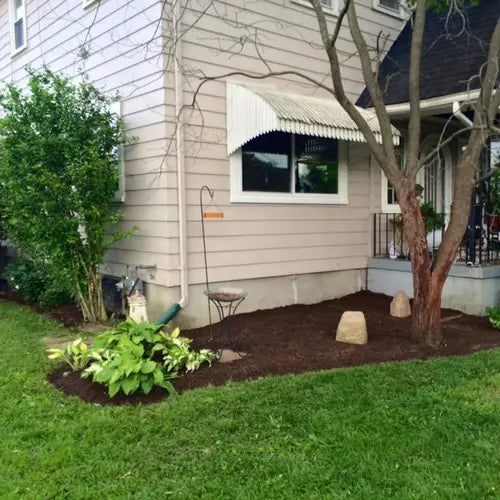
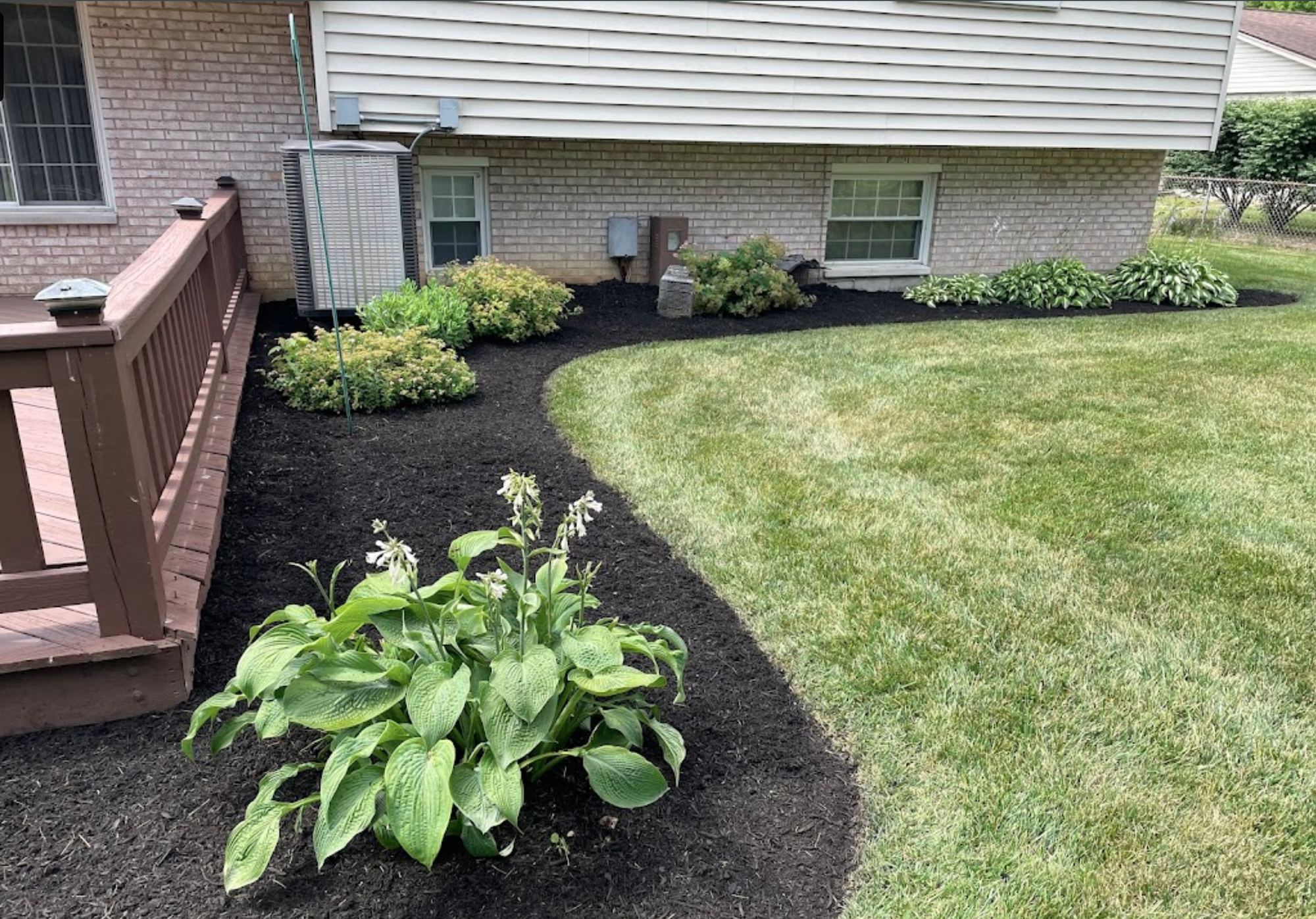
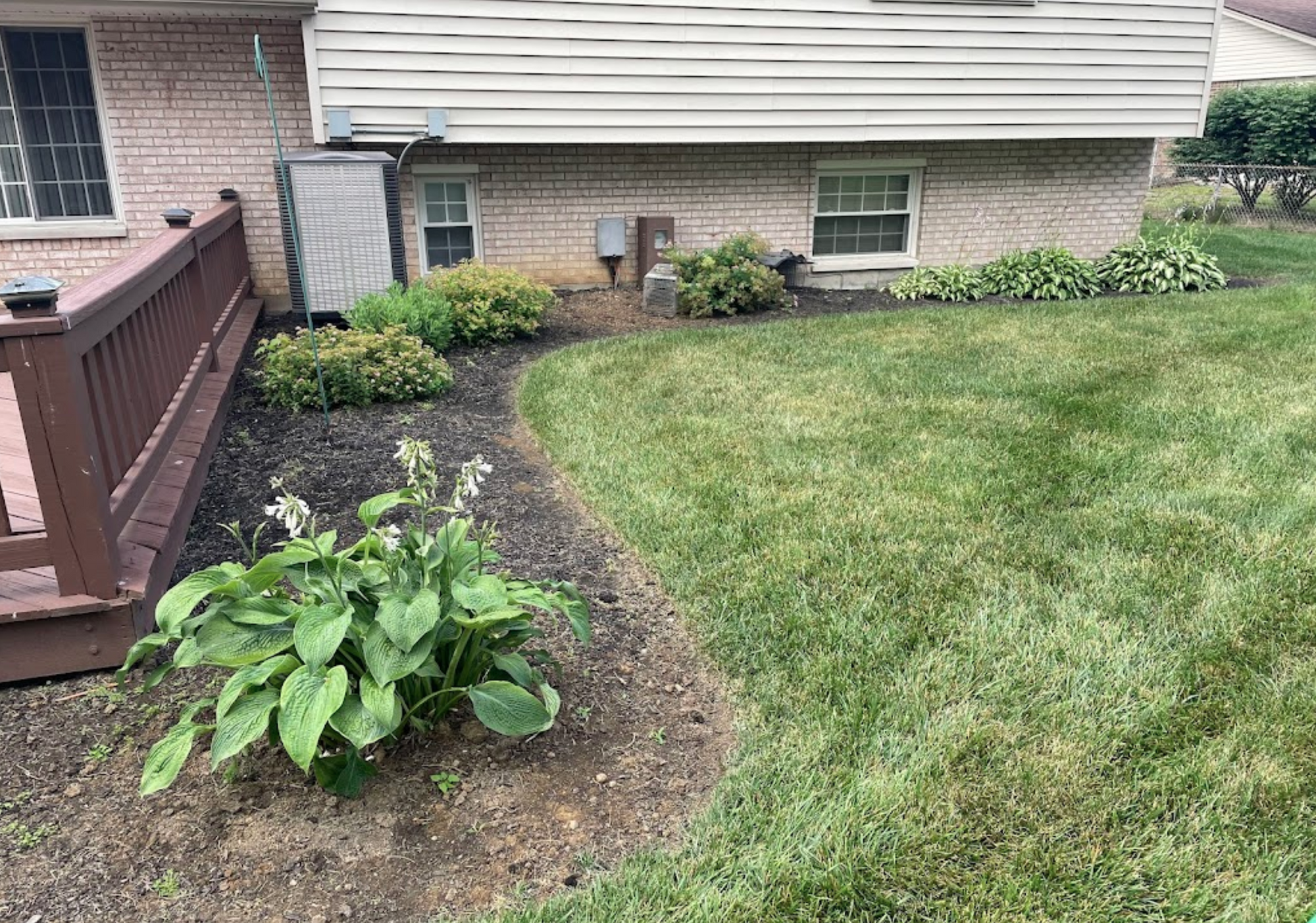
Before
After
Best Mulch Choice for Rock Island Lawns
Most yards in the Rock Island area sit on Silt Loam type of soil. Rock Island's silt loam compacts under repeated heavy rain events, reducing the air pockets that plant roots need to expand and absorb nutrients effectively. Keeping a mulch layer over these beds creates a surface buffer that absorbs raindrop impact and slows compaction between waterings.
Hardwood Mulch
Hardwood mulch is particularly well-suited to Rock Island's silt loam because as it decomposes it adds humus that improves the soil's aggregate structure, helping it resist compaction and retain moisture more evenly. Over multiple seasons, the steady contribution of decomposed hardwood material raises the organic content of silt loam beds, which tend to be naturally low in that regard.
Mulch Types We Deliver in Rock Island
When you need bulk mulch delivery in Rock Island, ordering by the cubic yard is the most efficient way to cover large beds, pathways, and yard borders in a single trip. Mulch Mound delivers directly to your driveway so there is no hauling and no bag waste. Every load is sized to your project so you get the right amount without the guesswork.
Dyed Brown Mulch
Warm brown tones complement the brick ranch homes and mature tree canopies common in this part of Illinois. This double shredded variety spreads smooth and flat, making it a favorite for larger beds and front yard curb appeal projects. Its color stays rich through spring rains and summer heat.
Dyed Black Mulch
Bold black color makes plant beds pop against the light brick and vinyl siding common in western Illinois neighborhoods. Available in double shredded, it spreads easily over the clay soils typical of this region and holds its deep tone through the hot, humid summers without fading fast.
Natural Brown Mulch
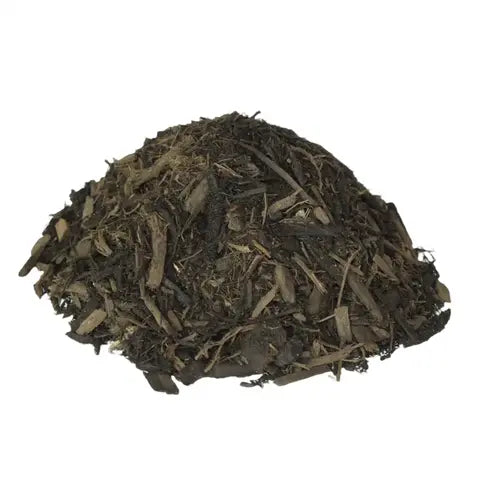
A great fit for gardeners who prefer an undyed, natural option near vegetable beds or pollinator gardens. This double shredded mulch has a warm earthy tone that blends well with the region's dark soil and leafy shade trees. It breaks down over time to slowly enrich the soil beneath it.
Complete Your Outdoor Mulch Project
If your beds need a soil refresh before mulching, our bulk topsoil pairs perfectly with mulch to rebuild Rock Island's compacted silt loam and give new plantings a better root environment from the start. Adding decorative stone borders around mulched beds keeps material contained during rainy seasons and adds a polished, finished look to any Rock Island yard.
Rock Island's warm, wet springs create nearly perfect germination conditions for common lawn and bed weeds. Laying a fresh 3-inch layer of hardwood mulch in late April, right after the last frost around April 22, smothers weed seeds before they establish in the silt loam. Pull any visible weeds first and consider applying a light pre-emergent beneath the mulch layer to maximize suppression and reduce weekly bed maintenance through the full growing season.
Mulch Mound Pro Tip
In Zone 5b, Rock Island soil temperatures can stay cold well into mid-April, delaying root activity for perennials and newly planted shrubs. Pulling mulch back a couple of inches in early spring lets the sun warm the silt loam faster and encourages earlier root growth when it matters most. Once daytime temperatures stabilize above 50 degrees, push the mulch back to its full depth to buffer roots against any remaining late frost before the April 22 cutoff.
Mulch Mound Pro Tip
Rock Island receives about 37 inches of rain per year, but that moisture arrives unevenly across the season. Spring months tend to be quite wet while July and August often bring multi-week dry stretches that stress shallow-rooted plants in silt loam beds. A consistent 3-inch mulch layer acts as a buffer, slowing evaporation during those dry spells so your plants stay healthier through summer without depending entirely on supplemental watering to make up for the rainfall gap.
Frequently Asked Questions
Click a question to see the answer
Answer
How thick should I apply mulch around my foundation plantings in Rock Island?
A 3-inch layer is ideal for most foundation beds in Rock Island. Silt loam holds moisture reasonably well on its own, so you do not want to pile mulch too deep and trap excess water against plant crowns during wet springs. Keep mulch pulled back a couple of inches from woody stems and your foundation to allow adequate air circulation through the season.
Answer
Will mulch break down faster because of Rock Island's wet springs?
Yes, Rock Island's warm and wet spring months accelerate microbial activity in organic mulches, especially finer-textured hardwood products. You can expect natural mulch to thin noticeably by midsummer, which is why many homeowners here top off beds in late June or early July. Coarser shredded or chunk mulches decompose more slowly and tend to hold their depth closer to a full season.
Answer
What type of mulch works best with the silt loam soil found in Rock Island yards?
Shredded hardwood mulch is a strong choice for Rock Island's silt loam because as it breaks down it adds organic matter that gradually improves the soil's structure and water retention. Silt loam can become dense over time, and the steady addition of decomposed wood material helps keep beds loose and workable. Dyed mulches are a good option if color retention matters more than soil conditioning for your particular beds.
Answer
Should I remove old mulch before adding a new layer each spring in Rock Island?
In most Rock Island yards you do not need to remove old mulch, but you should check the depth first. If you already have 3 or more inches in place from the previous season, simply fluffing the existing layer and adding just an inch on top is sufficient. Letting old mulch build up past 4 inches can create a dense mat that sheds Rock Island's spring rains rather than letting moisture reach the silt loam below.
Answer
When is the best time to mulch garden beds in Rock Island?
Late April is the sweet spot for most Rock Island homeowners, just after the last frost date around April 22 when soil is warming but summer heat has not yet arrived. Mulching at this time locks in moisture as temperatures climb and smothers early-season weed seeds before they germinate in the warm silt loam. Waiting until May is also fine, but getting mulch down before the first dry stretch of summer gives your beds a meaningfully better start.
Answer
Can too much mulch cause problems in my Rock Island garden beds?
Yes, and it is a common issue here. Piling mulch deeper than 4 inches in Rock Island beds can create low-oxygen conditions in the silt loam below, cutting off air to roots and encouraging fungal problems. During Rock Island's wet springs, thick mulch layers also stay saturated for days at a time, which can rot plant crowns and invite pests. Stick to 2 to 3 inches and keep mulch away from direct contact with stems.
Answer
Does mulch actually help with the heavy weed pressure Rock Island yards see every spring?
Yes, significantly. Rock Island's warm, wet springs create near-perfect germination conditions for weeds like creeping Charlie, clover, and crabgrass. A fresh 3-inch layer of mulch applied in late April blocks sunlight from reaching soil-level weed seeds and makes it harder for new seedlings to push through. Pairing mulch with a pre-emergent application underneath gives you even stronger control through the summer months.
The Unique Landscape of Rock Island
Rock Island's silt loam soil is naturally fertile but compacts easily under foot traffic and heavy spring rains, which average about 37 inches annually across the area. That compaction creates a tough environment for plant roots and allows weeds to establish quickly in bare beds throughout the growing season. A proper layer of mulch slows evaporation during the hot, dry stretches that often follow Rock Island's wet springs, keeping roots consistently moist through summer. The relatively short growing window between the last frost around April 22 and the first frost around October 15 means your plants need every advantage to thrive in Zone 5b. Mulch also moderates soil temperature swings, which are common here where late-season cold snaps can stress perennial root systems heading into fall. Keeping a fresh layer in your beds each season is one of the most effective things you can do for Rock Island landscapes.