




Great service. We ordered topsoil from Mulch Mound and the best experience. Thank you so much!
About this soil
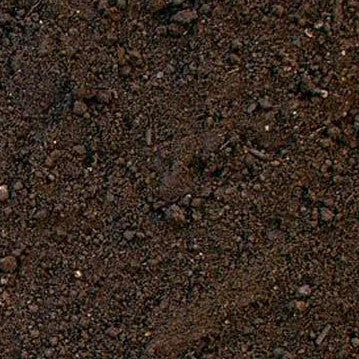
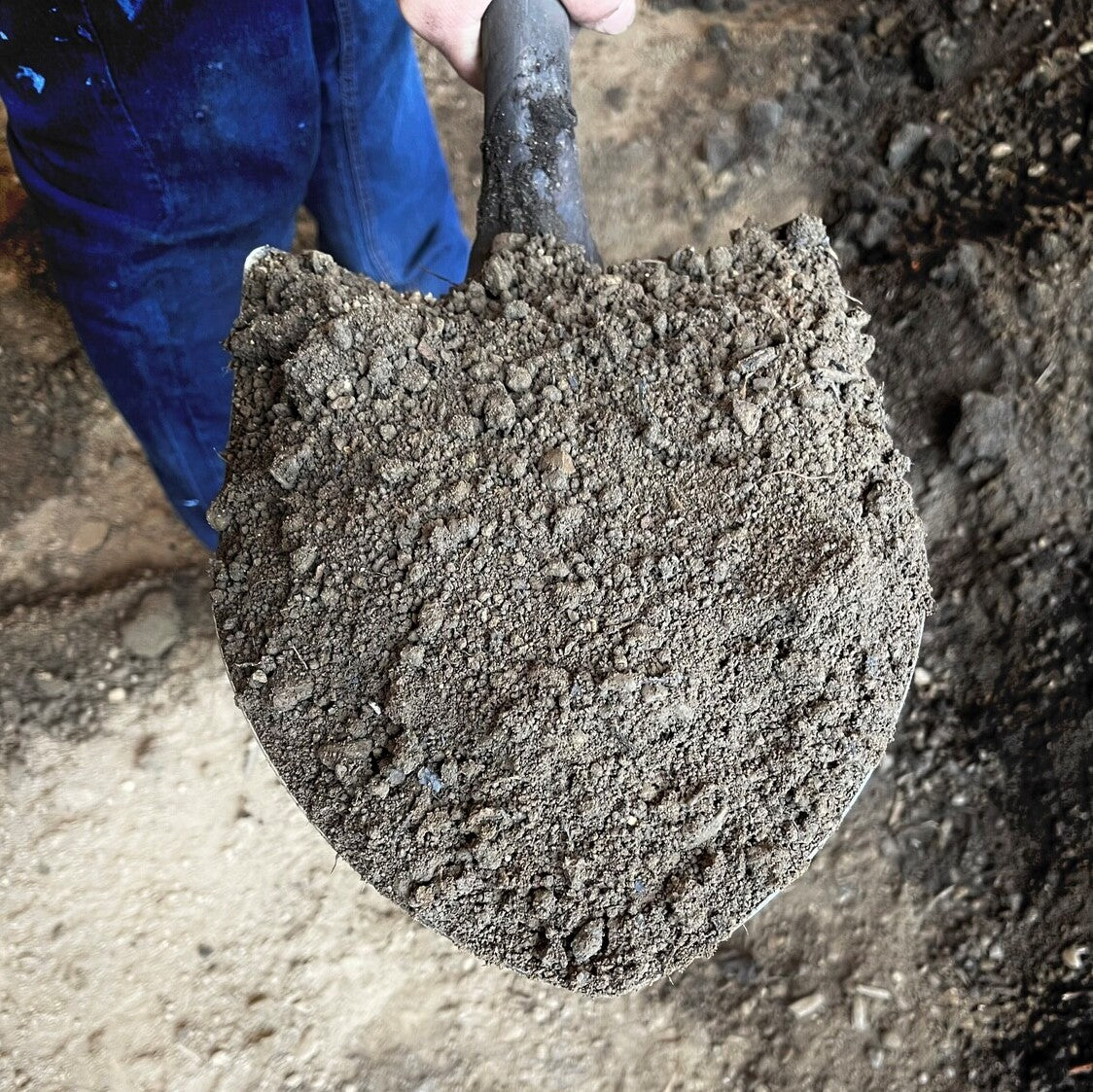
Quality topsoil for lawns, gardens, and landscape projects. Nutrient rich and ready to support strong root development and healthy plant establishment.
Great service. We ordered topsoil from Mulch Mound and the best experience. Thank you so much!
Tell us what you're looking for
Thanks! We received your request.
Something went wrong. Please try again.
How Much Material Do I Need?
How Much Material Do I Need?
For topdressing existing Rock Island lawns, apply no more than half an inch of soil at a time to allow it to work down through the grass canopy without smothering it. For new garden beds or raised planters, a minimum of 8 to 12 inches of quality topsoil gives roots the depth they need to perform through the full Zone 5b growing season.
Use our free soil calculator
What is a yard?
What is a yard?
FAQs
FAQs
Rock Island Soil Delivery
Rock Island Soil Delivery
Regular price
$64.00
per
yard
Regular price
Sale price
$64.00
Unit price
per
Shipping calculated at checkout.
Minimum of 3 yard
Couldn't load pickup availability
Not currently available
We can't take orders for this right now. Tell us what you need and we'll get back to you.
Hand-picked local yards
4,000+ regional deliveries
Dedicated support
Why order through Mulch Mound
The best local soil, without the guesswork.
We hand-pick and partner with the best yards in your region, keep only the ones our buyers rate well, and back each load with our guarantee.
Mulch Mound Guarantee
If your soil isn't the quantity or quality you ordered, we'll make it right.
About this soil
Quality topsoil for lawns, gardens, and landscape projects. Nutrient rich and ready to support strong root development and healthy plant establishment.
Great service. We ordered topsoil from Mulch Mound and the best experience. Thank you so much!
How Much Material Do I Need?
How Much Material Do I Need?
For topdressing existing Rock Island lawns, apply no more than half an inch of soil at a time to allow it to work down through the grass canopy without smothering it. For new garden beds or raised planters, a minimum of 8 to 12 inches of quality topsoil gives roots the depth they need to perform through the full Zone 5b growing season.
Use our free soil calculator
What is a yard?
What is a yard?
FAQs
FAQs
Tell us what you're looking for
Thanks! We received your request.
Something went wrong. Please try again.
How It Works
Getting started is easy — just follow these simple steps
1
Choose your soil
Make sure you adjust the quantity to your home's needs. You can use our calculator to estimate how much you'll need.
2
Select your delivery date
Select a delivery date you'd like for the product to be dropped off at your home
3
Sit back and wait
Sit back, wait, and let us work our magic to make sure the highest quality product is delivered to your driveway.

Placing an order online was so easy. Delivery was on time. When the driver realized we had a newly poured driveway they erred on the side of cautio...
Read full review
Placing an order online was so easy. Delivery was on time. When the driver realized we had a newly poured driveway they erred on the side of caution and opted not ti drive in it. The company even sent me a message explaining that call. Would recommend!

Online ordering was really simple and I liked the transparent pricing.
Need Help Calculating How Much Soil You Need?
Use our NEW Trace from Satellite tool to get an estimate for your project based on an aerial view of your property
Try Our CalculatorMeasure the length and width of each area you plan to fill and estimate the average depth of material needed, keeping in mind that Rock Island's silt loam base will cause new soil to compact slightly over the first season. For raised beds, plan on filling to your target depth plus an extra inch to account for that natural settling. Our calculator converts your dimensions directly into cubic yards so you can order the right amount without guessing.
Soil Types We Deliver in Rock Island
Rock Island homeowners and landscapers count on quality bulk soil to build up yards, fill raised beds, and get new plantings off to a strong start. Our bulk topsoil by the yard in Rock Island is sourced to perform in the region's variable Midwest climate, where hot summers and cold winters demand a foundation that holds moisture without compacting. We deliver by the cubic yard so you get exactly what your project needs, with no hauling required.
Screened Top Soil
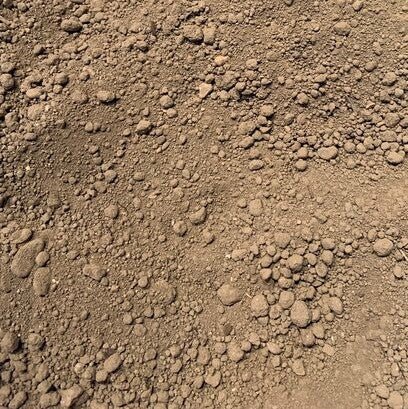
Our screened topsoil is finely processed to remove debris and clods, giving you a smooth, workable base for lawns, garden beds, and landscape grading. It is nutrient rich and ready to support strong root development, making it a reliable choice for the clay-heavy soils common across this part of western Illinois.
Complete Your Outdoor Soil Project
Pairing bulk soil with a layer of hardwood mulch is one of the most effective combinations for Rock Island garden beds, locking in moisture and protecting newly amended silt loam from surface compaction through the season. Adding stone edging along bed borders keeps soil contained during heavy spring rains and gives your finished project a clean, professional appearance.


Service area
Areas we deliver soil in Rock Island, Illinois
Mulch Mound Pro Tip
Rock Island's terrain means low spots collect water quickly during wet spring months, and those areas often cause persistent lawn and garden problems year after year. When grading with bulk soil, always slope the surface away from your foundation at a rate of about 6 inches of drop over the first 10 feet from the structure. Compacting new soil in thin lifts rather than one deep dump helps it settle evenly so you avoid ruts and soft spots after the first heavy rain of the season.
Mulch Mound Pro Tip
With Rock Island's last frost around April 22 and a growing season that closes by mid-October, raised beds filled with quality bulk soil give you a meaningful head start in spring. A 12-inch deep raised bed can be workable one to two weeks before in-ground silt loam, which matters when you are trying to get cool-season crops like lettuce and spinach established early in the season. Fill with a blend of topsoil and compost for the best drainage and nutrient balance in a Zone 5b vegetable garden.
Mulch Mound Pro Tip
The best window for lawn repair in Rock Island is late August through mid-September, when soil temperatures still support germination but the intense summer heat is fading. Use bulk topsoil to fill ruts and low spots no more than half an inch at a time to avoid smothering existing grass roots during the repair process. Once leveled, overseed with a fescue or bluegrass blend suited to Zone 5b and keep the area consistently moist through October 15 when Rock Island's first frost typically arrives.
The Unique Landscape of Rock Island
Rock Island sits on silt loam that performs well in undisturbed settings but is often inconsistent in residential yards where grading, construction activity, and foot traffic have disrupted the natural soil profile over the years. Many homeowners find their yard has only a thin layer of topsoil over dense subsoil, which causes poor drainage in low spots and drought stress on any slope. Raising beds with quality bulk soil or topdressing low areas before seeding makes a significant difference in how well lawns and gardens perform through Rock Island's growing season. With only about 176 frost-free days between April 22 and October 15, getting soil conditions right early gives every plant a better start in Zone 5b. Rock Island's 37 inches of annual rainfall also means poorly draining spots stay waterlogged well into spring, making proper soil amendment and grading essential for plant health. Investing in quality bulk soil sets the foundation for everything else you plant, seed, or grow on your Rock Island property.