About this stone

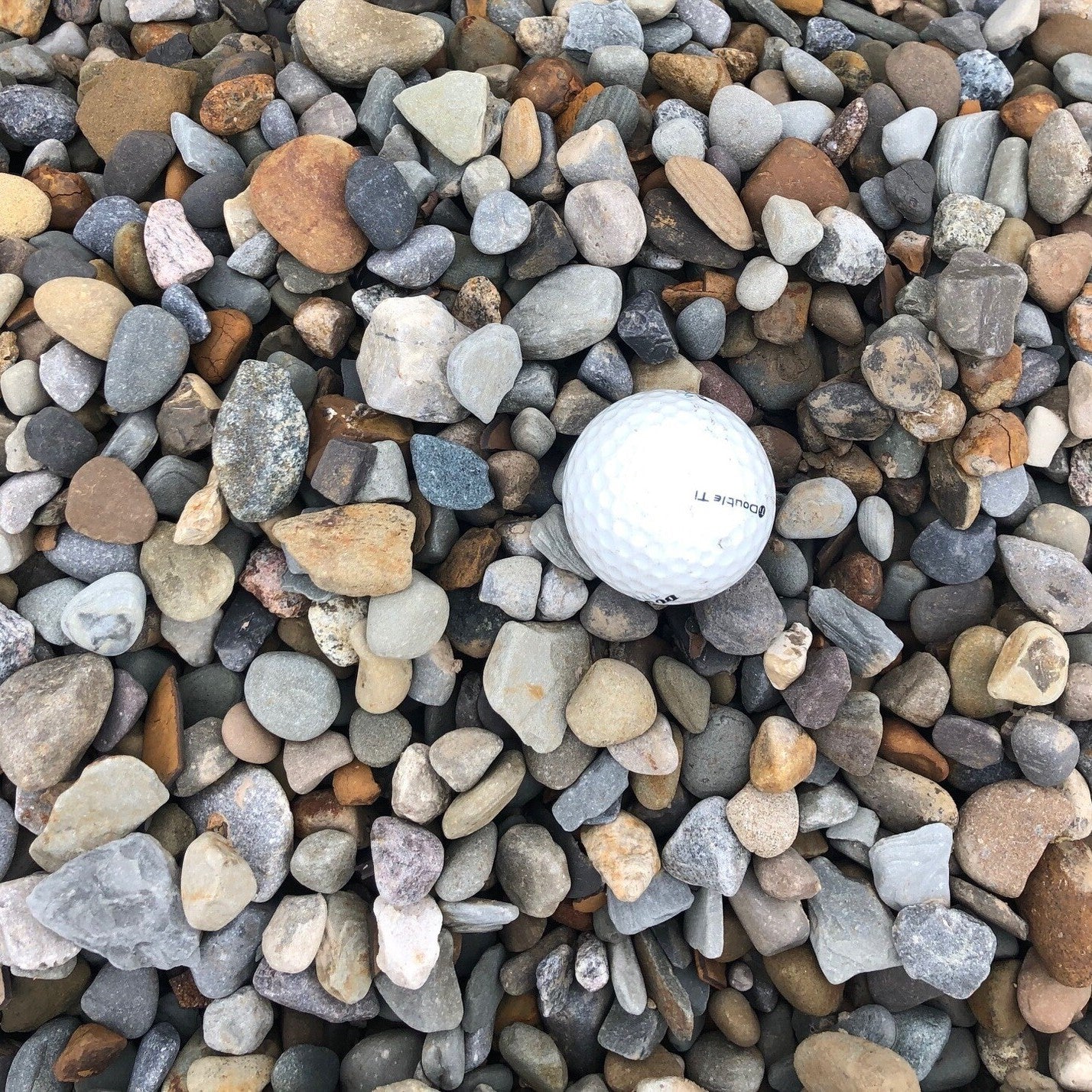
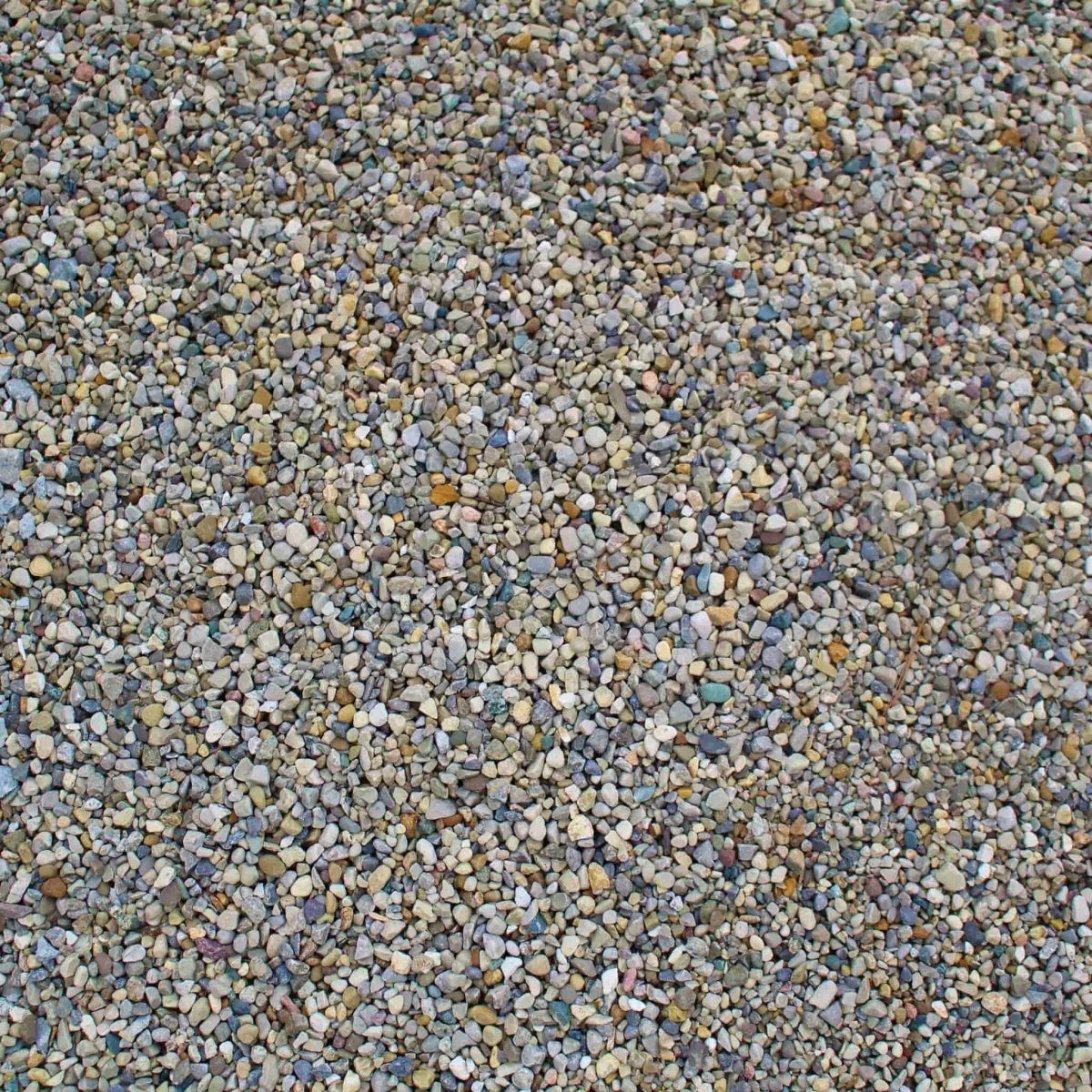
Classic pea gravel with smooth, rounded edges and natural earth tones. A versatile favorite for pathways, patios, drainage, and decorative ground cover.

The driver nailed it on putting the gravel I ordered in front of my trailer and between the sidewalk. Very satisfied with how my flowerbeds look now.

Rock Island Stone Delivery

Rock Island Stone Delivery

4.7
137 reviews
Regular price $87.00 per yard
Regular price Sale price $87.00
Sale Sold out
Type
Size
Minimum of 3
1 tree planted for every order

About this stone

Classic pea gravel with smooth, rounded edges and natural earth tones. A versatile favorite for pathways, patios, drainage, and decorative ground cover.

The driver nailed it on putting the gravel I ordered in front of my trailer and between the sidewalk. Very satisfied with how my flowerbeds look now.

Plan for at least 3 to 4 inches of stone depth over Rock Island's silt loam soil to keep material from gradually sinking into the fine-textured base, especially in areas that see regular foot traffic or heavy spring rainfall. High-traffic paths and active drainage channels benefit from a slightly deeper 4 to 5-inch layer for reliable long-term stability.
Use our free stone calculator

A yard is approximately 27 cubic feet. As a general guideline, one yard of material can cover an area of about 100-160 square feet at a 2-3 inch depth.

View full details

How It Works

Getting started is easy — just follow these simple steps

1

Choose your stone

Make sure you adjust the quantity to your home's needs. You can use our calculator to estimate how much you'll need.

2

Select your delivery date

Select a delivery date you'd like for the product to be dropped off at your home

3

Sit back and wait

Sit back, wait, and let us work our magic to make sure the highest quality product is delivered to your driveway.

From The Mouths of Rock Island Folks

4.7
out of 5 based on 137 reviews
Google Reviews

Need Help Calculating How Much Stone & Gravel You Need?

Use our NEW Trace from Satellite tool to get an estimate for your project based on an aerial view of your property

Try Our Calculator
📍

Measure the length and width of your stone area and determine your target depth before ordering, since Rock Island's fine silt loam base requires a minimum of 3 to 4 inches of stone to stay visible and stable at the surface over time. Heavier stone like river rock settles less than lightweight pea gravel, so adjust your depth estimate based on the specific material you choose. Our calculator converts square footage and depth into cubic yards so you can order accurately the first time.

Complete Your Outdoor Stone Project

Pairing decorative stone with properly graded bulk topsoil creates a drainage-friendly landscape that handles Rock Island's spring rain events while staying attractive through the long off-season between October and late April. Adding mulched planting beds alongside stone features gives your property a layered, polished appearance that holds up through the full Zone 5b growing season and beyond.

Map of Rock Island, Illinois

Areas We Deliver Stone & Gravel in Rock Island, Illinois

No cities found for this region.

See All Locations
Mulch Mound Pro Tip

Rock Island's spring rain events can push several inches of water through yards in just a few days, overwhelming low spots and turning grass paths into muddy corridors. Installing a 4-inch deep layer of crushed limestone or river rock in frequently wet areas gives water a fast route to drain while keeping the surface firm and walkable. Always lay woven landscape fabric beneath your stone to prevent Rock Island's fine silt loam from slowly absorbing the material upward from below over multiple seasons.

Mulch Mound Pro Tip

The area along your home's foundation takes a beating from roof runoff and Rock Island's wet spring seasons. A 12 to 18-inch wide band of river rock or pea gravel around the foundation perimeter helps disperse that water before it saturates the silt loam against your footing. Maintain a slight outward slope across the stone band to direct flow away from the structure, which is especially important during the heavy April rain events that are common in the Quad Cities area each spring.

Mulch Mound Pro Tip

From October 15 when Rock Island's first frost arrives through the following late April, decorative stone beds require virtually no maintenance while mulched areas need refreshing and bare soil erodes through the winter months. Stone is particularly well-suited to areas under large trees where root competition makes growing grass or perennials difficult. Over a full Rock Island winter, properly installed stone will not break down, fade, or require replacement, making it a strong long-term value for low-traffic accent and border areas throughout your yard.

The Unique Landscape of Rock Island

Rock Island's wet springs and regular freeze-thaw cycles in Zone 5b make stone one of the most practical and durable landscape materials available, especially for areas where mulch or turf struggle to hold up through the season. Decorative stone stays in place through the heavy rains common in the Quad Cities area and does not wash or shift the way organic materials can over time. Stone pathways and borders hold their appearance year-round, which matters through Rock Island's long off-season stretching from the first frost in October all the way to the last frost in late April. The silt loam soils around Rock Island can heave slightly through winter freeze-thaw cycles, but a properly installed stone layer with a compacted base stays stable and attractive through even the harshest Zone 5b winters. Stone is also ideal for the low spots and drainage corridors that many Rock Island yards develop due to the area's natural topography and seasonal rainfall patterns. Whether used for pathways, dry creek beds, or foundation borders, stone adds lasting function and character to local landscapes.

Frequently Asked Questions

Click a question to see the answer

Answer

What size stone works best for a walking path in a Rock Island backyard?

A crushed limestone or decomposed granite in the 3/8-inch to 3/4-inch range is a practical choice for backyard paths in Rock Island. These sizes compact well underfoot and drain quickly after the heavy rain events common in spring months here. Pea gravel is another popular option but tends to migrate more in wet conditions, so pairing it with solid edging on both sides is important if you want the path to stay defined through multiple seasons.

Answer

Will decorative stone help with the drainage issues in my low-lying Rock Island yard?

Yes, stone is one of the most effective tools for managing drainage in Rock Island yards. A dry creek bed filled with river rock or a gravel swale routed toward a low corner can move water away from problem areas quickly during spring rain events. The key is creating a gradual slope so water flows through the stone rather than pooling on top of it, and lining the base with landscape fabric to keep Rock Island's fine silt loam from migrating up into the stone over time.

Answer

How deep should I lay gravel to keep it from sinking into my Rock Island silt loam soil?

Rock Island's fine-textured silt loam will gradually absorb lighter gravel over time if you do not use a barrier layer. Always install woven landscape fabric before adding stone, and plan for at least 3 to 4 inches of stone depth on top of the fabric. In high-traffic areas like walking paths, 4 to 5 inches of depth gives better long-term stability and ensures stone stays visible at the surface even after Rock Island's wet spring seasons.

Answer

What is the best stone to use around my foundation to manage spring water runoff in Rock Island?

River rock in the 1-inch to 2-inch range is a reliable foundation border choice for Rock Island homes. It is heavy enough to stay in place during roof runoff events, drains fast, and does not decompose or attract pests the way wood mulch can near a foundation. A 12 to 18-inch wide band of river rock sloped slightly away from the house helps disperse the heavy spring rains that concentrate near foundations and can saturate silt loam against footings over time.

Answer

Does decorative stone hold up through Rock Island's freeze-thaw winters without shifting or settling?

Loose decorative stone handles Rock Island's Zone 5b freeze-thaw cycles very well because it has no rigid structure to crack or heave as a unit. Individual stones may shift slightly as the silt loam below moves with temperature changes, but a properly installed bed with a compacted base and landscape fabric underneath stays remarkably stable season to season. Checking and refreshing border edging each spring is usually all the maintenance a decorative stone area needs after a Rock Island winter.

Answer

How much stone do I need for a dry creek bed in my Rock Island yard?

Calculate the length, average width, and planned depth of your creek bed to get total square footage, then use 3 to 4 inches as your standard depth over Rock Island's silt loam base. A mix of sizes, such as a layer of smaller crushed stone beneath larger river rock, gives the most natural look and the best drainage performance through heavy spring rains. Our calculator converts your dimensions to cubic yards, and ordering a small buffer is smart since creek bed projects often expand slightly once installation gets underway.

Answer

Can I use stone instead of wood mulch in my Rock Island landscape beds?

Stone can work well as a mulch alternative in Rock Island beds, particularly around drought-tolerant shrubs, ornamental grasses, or foundation plantings that do not require the added organic matter that wood mulch provides. One consideration is that stone absorbs and radiates heat, which can stress shallow-rooted plants during Rock Island's hot July and August stretches. Stone beds also do not improve silt loam over time the way organic mulch does, so they are best suited to low-maintenance ornamental areas rather than actively growing perennial or vegetable beds.
