



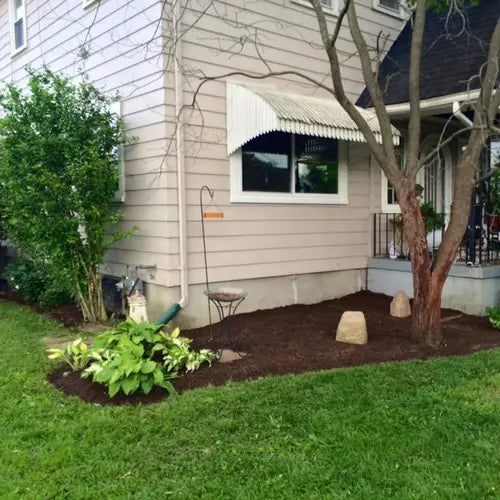



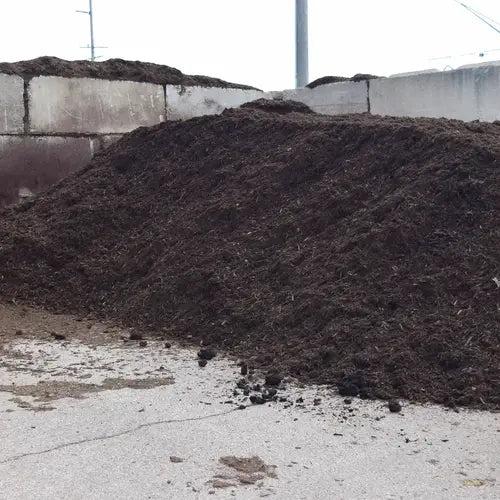
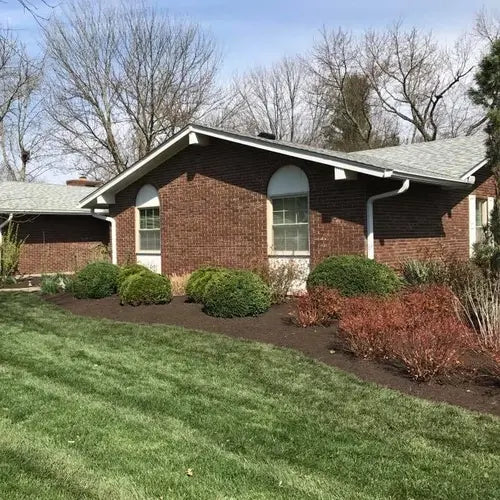

Website was easy to use. Mulch was delivered on time and exactly where specified. It makes our front yard look great just in time for spring!
About this mulch
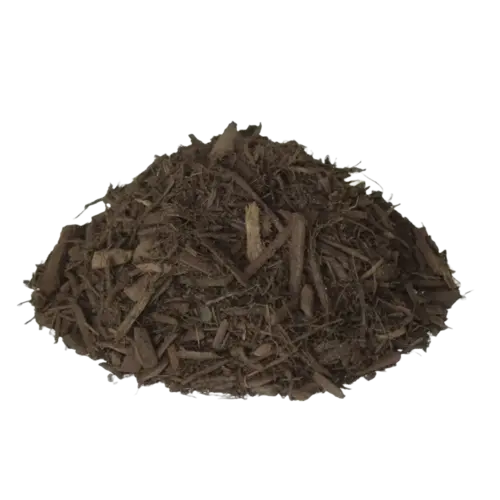
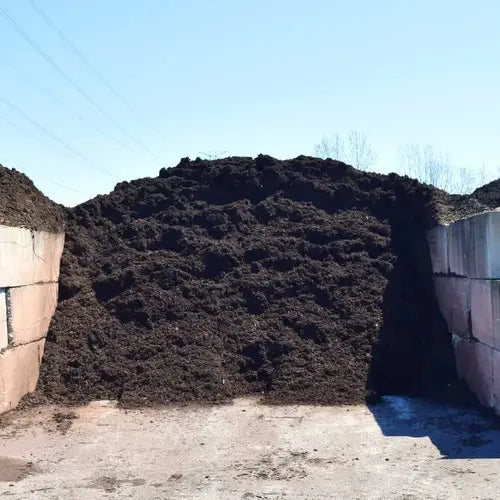
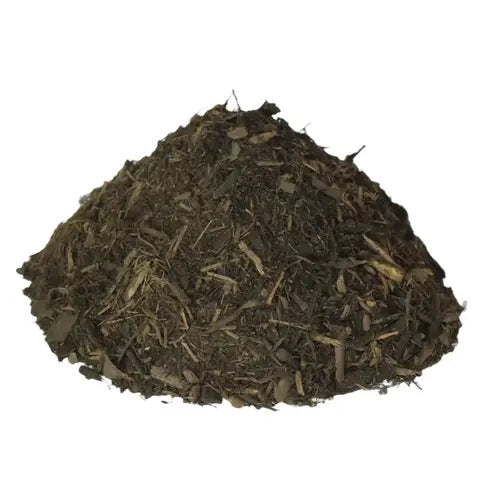
Warm brown double shredded mulch with lasting color that looks freshly applied for weeks. Spreads smooth, stays put, and gives beds a natural, polished appearance.
Website was easy to use. Mulch was delivered on time and exactly where specified. It makes our front yard look great just in time for spring!
Tell us what you're looking for
Thanks! We received your request.
Something went wrong. Please try again.
How Much Material Do I Need?
How Much Material Do I Need?
For Rocky Mount's sandy loam beds, a 3-inch application depth strikes the right balance between moisture retention and healthy root airflow. In high-traffic or heavily weeded areas, 4 inches is appropriate, but 3 inches is the standard recommendation for most ornamental and foundation plantings.
Use our free mulch calculator
What is a yard?
What is a yard?
FAQs
FAQs
Rocky Mount Mulch Delivery
Rocky Mount Mulch Delivery
Regular price
$73.00
per
yard
Regular price
Sale price
$73.00
Unit price
per
Shipping calculated at checkout.
Minimum of 3 yard
Couldn't load pickup availability
Not currently available
We can't take orders for this right now. Tell us what you need and we'll get back to you.
Hand-picked local yards
4,000+ regional deliveries
Dedicated support
Why order through Mulch Mound
The best local mulch, without the guesswork.
We hand-pick and partner with the best yards in your region, keep only the ones our buyers rate well, and back each load with our guarantee.
Mulch Mound Guarantee
If your mulch isn't the quantity or quality you ordered, we'll make it right.
About this mulch
Warm brown double shredded mulch with lasting color that looks freshly applied for weeks. Spreads smooth, stays put, and gives beds a natural, polished appearance.
Website was easy to use. Mulch was delivered on time and exactly where specified. It makes our front yard look great just in time for spring!
How Much Material Do I Need?
How Much Material Do I Need?
For Rocky Mount's sandy loam beds, a 3-inch application depth strikes the right balance between moisture retention and healthy root airflow. In high-traffic or heavily weeded areas, 4 inches is appropriate, but 3 inches is the standard recommendation for most ornamental and foundation plantings.
Use our free mulch calculator
What is a yard?
What is a yard?
FAQs
FAQs
Tell us what you're looking for
Thanks! We received your request.
Something went wrong. Please try again.

How It Works
Getting started is easy — just follow these simple steps
1
Choose your Mulch
Make sure you adjust the quantity to your home's needs. You can use our calculator to estimate how much you'll need.
2
Select your delivery date
Select a delivery date you'd like for the product to be dropped off at your home
3
Sit back and wait
Sit back, wait, and let us work our magic to make sure the highest quality product is delivered to your driveway.

Prompt, accommodating, lovely mulch.

I am very happy with Mulch Mound service and with the triple shredded mulch. It looks great, and I would use them again.
Calculate mulch for your Rocky Mount project
For Rocky Mount's Sandy Loam type of soil, we recommend 2-3 inches for best weed suppression and moisture retention
Try Our CalculatorMeasure the length and width of each bed in feet, multiply those numbers together, and then multiply by 0.25 to get the cubic feet needed at a 3-inch depth. Rocky Mount's sandy loam compacts less than clay soils, but mulch will settle modestly over the first few weeks, especially after the area's frequent summer rain events. Ordering a 5 to 10 percent buffer above your calculated total is a smart move.
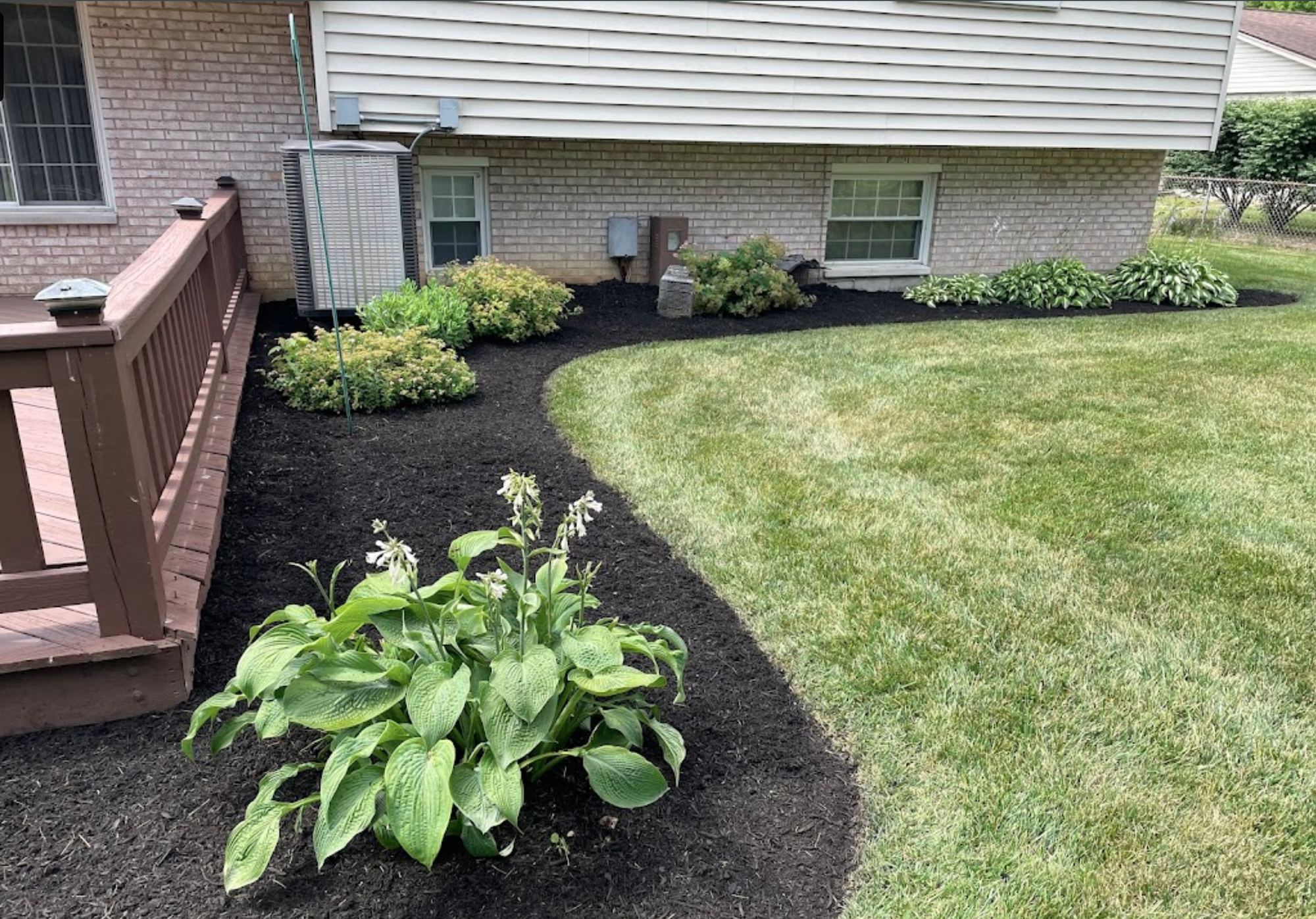
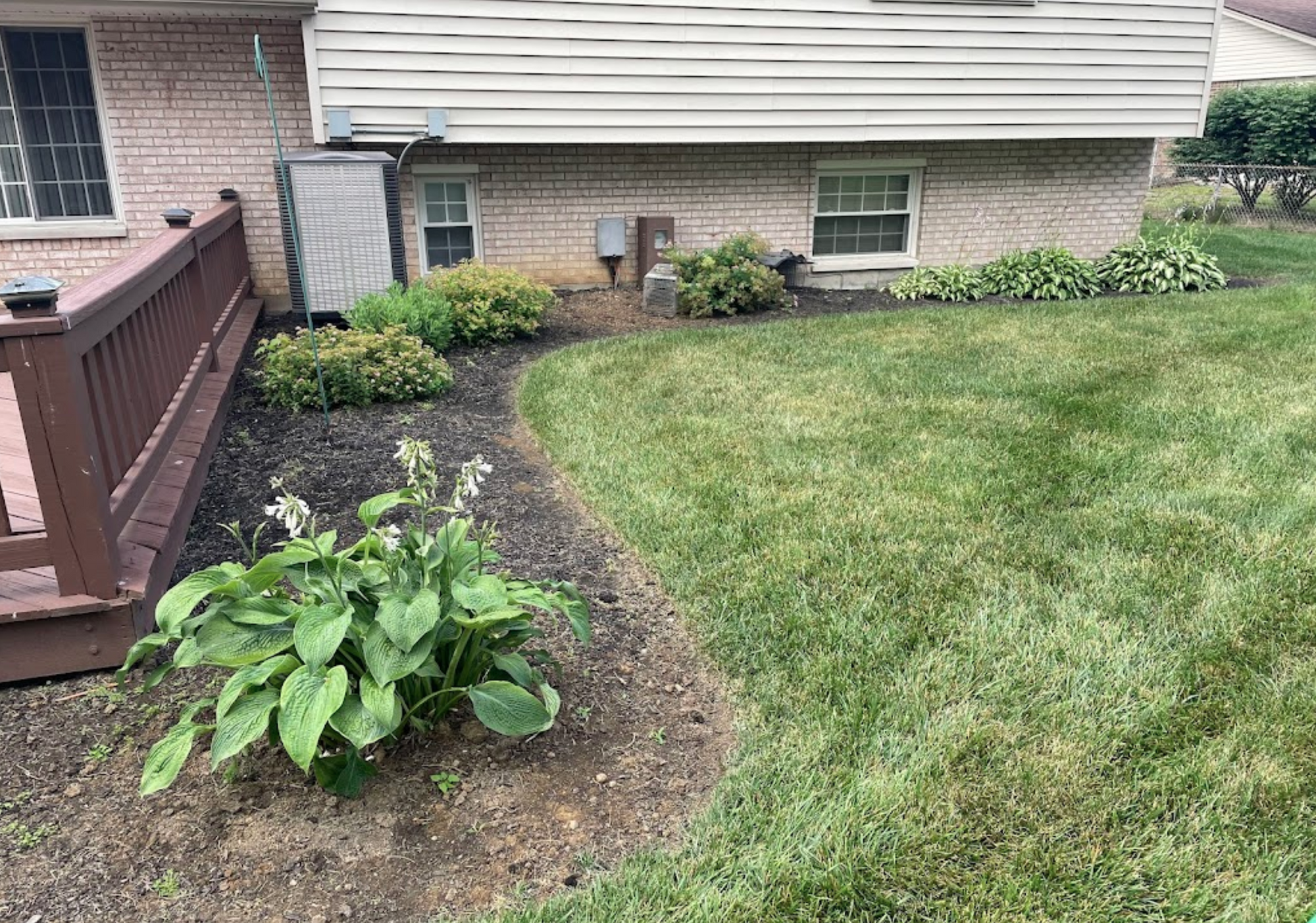

Best Mulch Choice for Rocky Mount Lawns
Most yards in the Rocky Mount area sit on Sandy Loam type of soil. Rocky Mount's sandy loam soil has a naturally low organic matter content, which means plant beds can dry out quickly and struggle to hold nutrients through the long growing season. Adding the right mulch on top of these beds is one of the most effective ways to compensate for those native soil limitations without major amendments.
Hardwood Mulch
Hardwood mulch is particularly well-suited to Rocky Mount's sandy loam because as it breaks down it contributes organic matter directly to the soil profile below. This gradual enrichment helps the sandy loam hold water and nutrients more effectively over time, slowly improving the growing environment in your beds without requiring expensive standalone soil amendments.
Mulch Types We Deliver in Rocky Mount
Eastern North Carolina summers are long and humid, and the region's heavy clay soils make properly mulched beds far healthier through every season. For homeowners and landscapers searching for bulk mulch delivery in Rocky Mount, we deliver by the cubic yard straight to your driveway or job site. Our selection covers the most popular varieties for residential yards, commercial landscapes, and play areas.
Dyed Brown Mulch
Triple shredded for a fine, consistent texture, this warm brown mulch holds its rich color through summer heat and heavy rainfall common in eastern North Carolina. It spreads evenly over beds, resists displacement during storms, and keeps landscapes looking tidy and freshly maintained throughout the growing season.
Natural Brown Mulch
Triple shredded to a luxuriously smooth finish, this mulch contains no dyes and delivers warm natural tones that complement the brick and traditional home styles found across eastern North Carolina. It breaks down gradually to enrich the region's soils and supports strong root growth through long, hot summers.
Pine Bark Mulch
Double shredded pine bark brings a rich reddish brown color and a fresh earthy aroma to garden beds. Its natural acidity makes it ideal for azaleas, gardenias, and blueberries that thrive across the region, while excellent drainage helps protect roots during the heavy summer rainfall typical of eastern North Carolina.
Playground Mulch
Engineered for safety and cushioning, this standard playground mulch meets fall height requirements and provides a clean, easy to maintain surface for residential and community play areas. The forgiving surface holds up well in North Carolina's humid climate and is simple to top off or refresh between seasons.
Complete Your Outdoor Mulch Project
If your beds need a nutrient boost before mulching, pairing with a bulk topsoil or garden soil delivery helps amend Rocky Mount's naturally lean sandy loam first and gives your mulch a richer base to protect. Decorative stone is also a great complement for border edging and pathway areas where organic mulch tends to scatter during the heavy rain events Rocky Mount receives.


Service area
Areas we deliver mulch in Rocky Mount, North Carolina
Mulch Mound Pro Tip
Rocky Mount's sandy loam warms up quickly in spring, which also means weed seeds germinate early, sometimes before your last frost date of March 25. Getting mulch down in the first two weeks of March, before most weeds sprout, gives you a head start that saves hours of hand-weeding later in the season. Aim for clean bed edges and fresh borders before your first application each year for the best results.
Mulch Mound Pro Tip
Hardwood mulch does double duty in Rocky Mount because as it decomposes it adds organic matter directly back into the sandy loam profile. Sandy soils naturally lack the humus content that holds nutrients and water near the root zone, so every season you use hardwood mulch you are slowly building a richer, more moisture-retentive bed. Over three to five years, gardeners in this area notice a real difference in how well plants establish compared to unmulched beds.
Mulch Mound Pro Tip
With 45 inches of annual rainfall, Rocky Mount receives enough precipitation to keep beds reasonably moist, but the rain tends to arrive in concentrated bursts rather than steady drizzle. A proper 3-inch mulch layer acts as a buffer, absorbing the initial surge of a heavy rain and releasing it slowly rather than letting it sheet off the sandy surface. This is especially important on sloped beds or areas near downspouts where runoff can erode bare sandy loam quickly.
The Unique Landscape of Rocky Mount
Rocky Mount's sandy loam soil is the defining challenge for local gardeners and homeowners. This soil type drains water quickly, leaving plant beds vulnerable to drought stress during the warm summers that stretch from late spring through early fall in Zone 8a. A consistent layer of mulch slows that moisture loss dramatically, giving roots time to absorb water before it percolates through the sandy profile. With a growing season that runs from the last frost around March 25 all the way to late October, Rocky Mount landscapes face nearly eight months of active weed pressure and evaporation. Mulch is not optional here, it is one of the most effective tools available for keeping beds productive and manageable through the long eastern North Carolina summer.