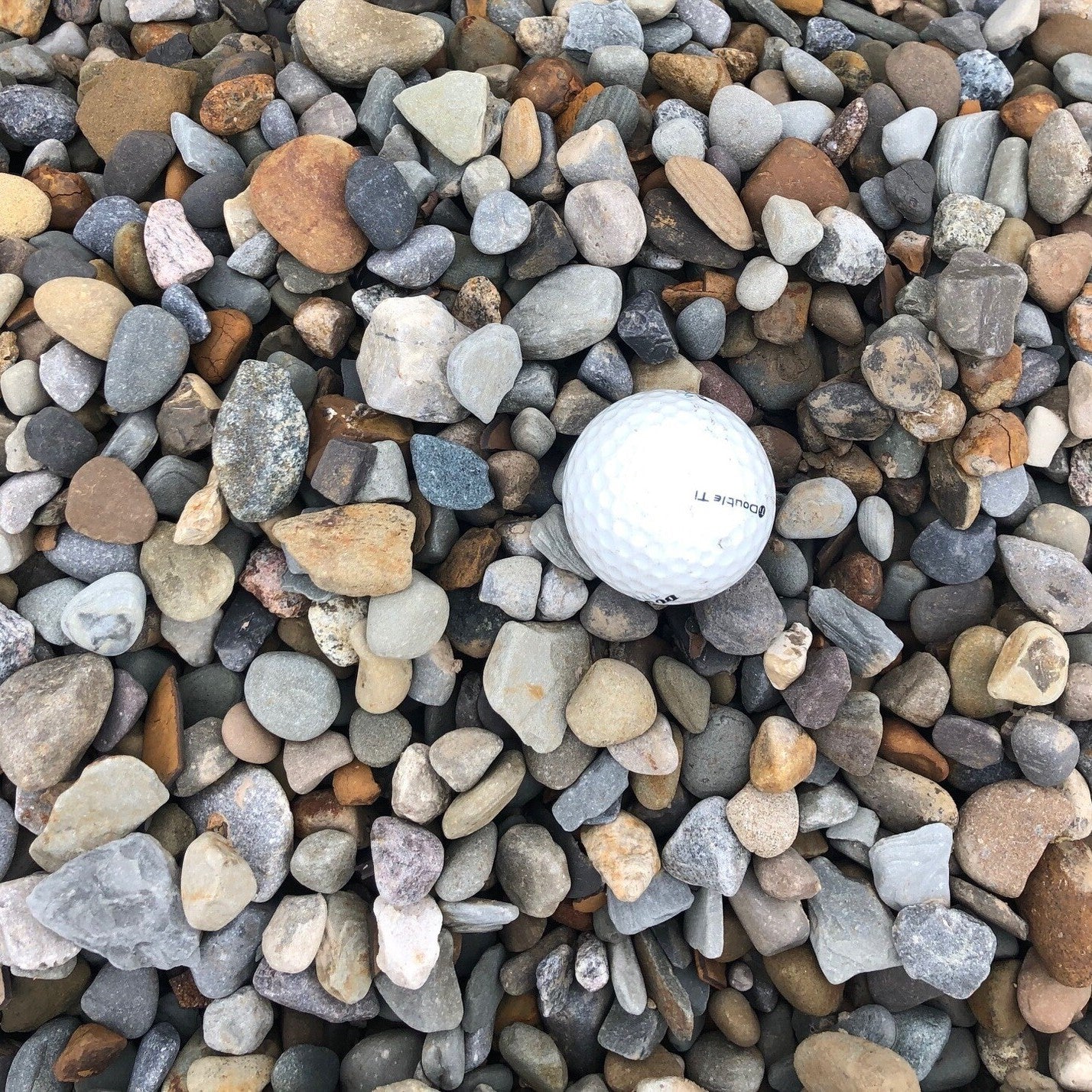
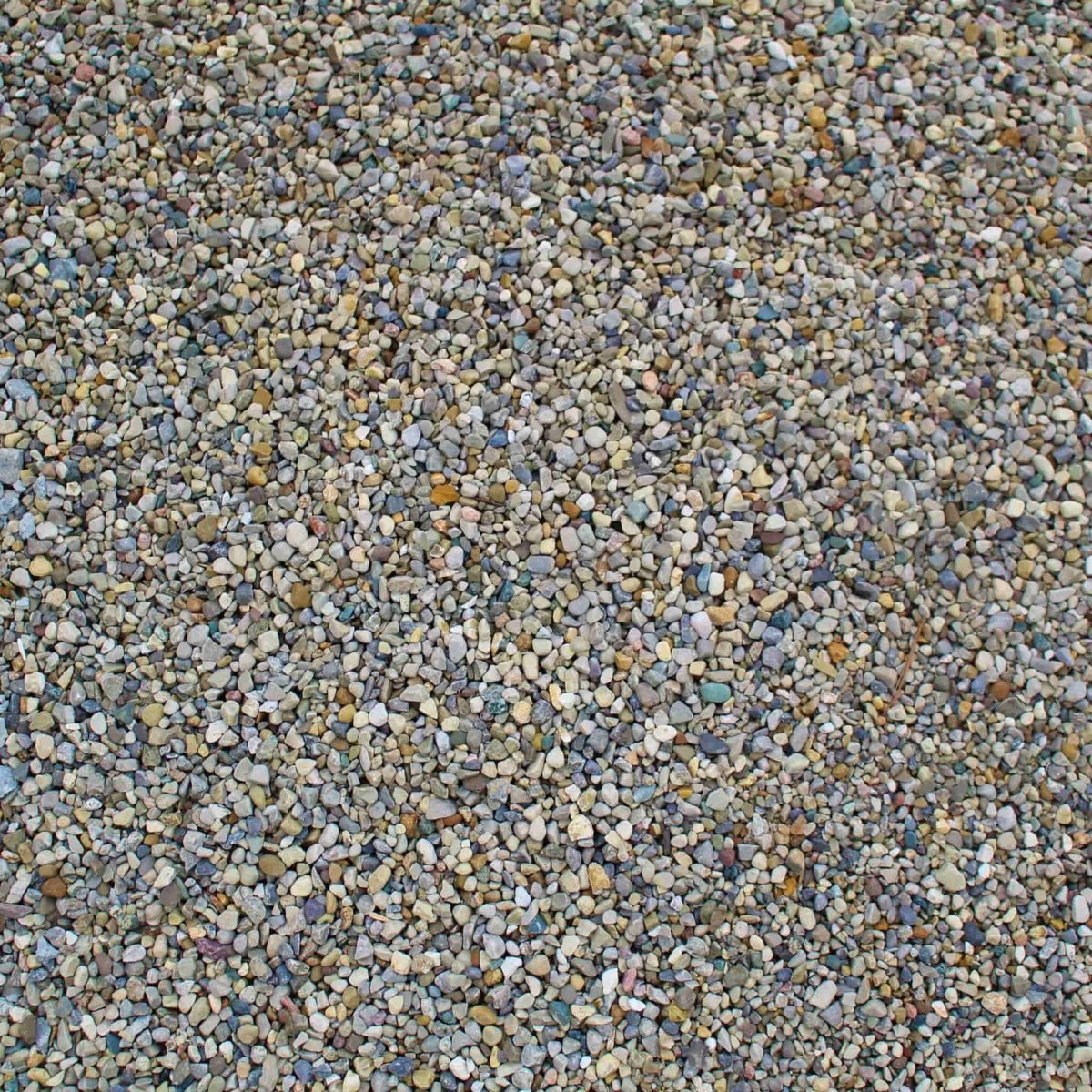
Number 57 crushed stone, angular limestone graded to about three quarters of an inch. The standard driveway, base and drainage gravel, it locks together under traffic and drains fast.
My experience with Mulch Mound was great and super easy. I ordered two yards of screened topsoil and was able to get it delivered within 2 days. They came in my requested time frame (afternoon) and dropped it off where I asked on my driveway. The topsoil was exactly what was a...
Tell us what you're looking for
Thanks! We received your request.
Something went wrong. Please try again.
How Much Material Do I Need?
For decorative ground cover areas in Rocky Mount, 2 inches of stone over landscape fabric provides solid weed suppression and a clean finished appearance. Pathway and high-traffic areas benefit from 3 inches to maintain stable, comfortable footing through the rain events that come with the area's 45 inches of annual precipitation.
Use our free gravel calculator
What is a yard?
A yard is approximately 27 cubic feet. As a general guideline, one yard of material can cover an area of about 100-160 square feet at a 2-3 inch depth.
We can't take orders for this right now. Tell us what you need and we'll get back to you.
What do you need?
Thanks! We received your request.
Something went wrong. Please try again.
Hand-picked local yards
4,000+ regional deliveries
Dedicated support
Why order through Mulch Mound
The best local stone, without the guesswork.
We hand-pick and partner with the best yards in your region, keep only the ones our buyers rate well, and back each load with our guarantee.
Mulch Mound Guarantee
If your stone isn't the quantity or quality you ordered, we'll make it right.
About this stone
Number 57 crushed stone, angular limestone graded to about three quarters of an inch. The standard driveway, base and drainage gravel, it locks together under traffic and drains fast.
My experience with Mulch Mound was great and super easy. I ordered two yards of screened topsoil and was able to get it delivered within 2 days. They came in my requested time frame (afternoon) and dropped it off where I asked on my driveway. The topsoil was exactly what was a...
How Much Material Do I Need?
For decorative ground cover areas in Rocky Mount, 2 inches of stone over landscape fabric provides solid weed suppression and a clean finished appearance. Pathway and high-traffic areas benefit from 3 inches to maintain stable, comfortable footing through the rain events that come with the area's 45 inches of annual precipitation.
Use our free gravel calculator
What is a yard?
A yard is approximately 27 cubic feet. As a general guideline, one yard of material can cover an area of about 100-160 square feet at a 2-3 inch depth.
My experience with Mulch Mound was great and super easy. I ordered two yards of screened topsoil and was able to get it delivered within 2 days. Th...
Read full review
My experience with Mulch Mound was great and super easy. I ordered two yards of screened topsoil and was able to get it delivered within 2 days. They came in my requested time frame (afternoon) and dropped it off where I asked on my driveway. The topsoil was exactly what was advertised, clean with no rocks or other debris. The price was reasonable. I plan to use them again in a couple weeks to order compost for my garden beds.
To estimate stone quantity, measure the length and width of your area in feet, multiply them together, and then multiply by your desired depth in inches divided by 12 to get cubic feet. Rocky Mount's sandy loam base is stable and does not require an unusually deep stone layer for most decorative applications, so a 2-inch depth is a reliable starting point for your initial order calculation. For pathways and high-traffic areas, bump the estimate to 3 inches to account for settling and gradual displacement over time.
Stone Types We Deliver in Rocky Mount
Whether you are refreshing a backyard patio or tackling a drainage project, bulk gravel by the yard in Rocky Mount is one of the most practical ways to get the material you need at the right price. We deliver cubic-yard loads of quality stone straight to your property, saving you the hassle of hauling bags from a store. Rocky Mount's flat terrain and clay-heavy soils make proper drainage and ground cover more important than ever, and the right stone goes a long way.
Pea Gravel
Smooth, rounded pea gravel is a top choice for homeowners across this part of eastern North Carolina. Its natural earth tones complement the region's traditional brick and ranch-style homes, and its excellent drainage performance helps manage runoff in clay soils. Use it for garden paths, patios, or decorative ground cover.
Complete Your Outdoor Stone Project
Stone borders and pathways pair naturally with fresh mulch in surrounding plant beds, and the contrast between the two materials creates defined, polished edges that elevate the overall look of Rocky Mount landscapes through the full Zone 8a season. If you are grading or building up areas before installing stone, a bulk topsoil delivery is the right first step to establish a firm, level sandy loam base that the stone layer can sit on evenly.
In Rocky Mount, stone pathways and ground cover areas perform best when installed over a thin layer of compacted crusher run as a base rather than directly on native sandy loam. Sandy loam shifts more than denser soils when saturated, and a crusher run base stabilizes the stone layer and prevents the rutting and unevenness that develops after repeated heavy rain events. It adds one step to the installation process but dramatically extends how long the finished surface looks and performs as intended.
Mulch Mound Pro Tip
If you are using stone to manage a drainage problem near a downspout or along a slope, stone size matters for how well it functions. Larger stones in the 1 to 3 inch river rock range allow water to flow through the gaps quickly, making them effective for drainage swales and channels moving water away from the foundation. Finer pea gravel restricts flow more and works better for decorative areas where you want water to slow and absorb rather than channel rapidly across the sandy loam surface.
Mulch Mound Pro Tip
Rocky Mount's long growing season means weeds are actively pushing through stone areas for seven-plus months of the year. Refreshing your stone depth back to 2 or 3 inches every two to three years, as material settles and migrates at the edges, keeps weed suppression effective without the full annual replacement cost of organic mulch. Combined with quality landscape fabric installed at the outset, this simple maintenance approach keeps stone areas looking sharp with minimal labor through even the most active growing seasons.
The Unique Landscape of Rocky Mount
Stone is one of the most practical and low-maintenance landscaping materials available to Rocky Mount homeowners, particularly given the area's long growing season and the sustained maintenance demands that come with it. Zone 8a's extended warmth from late March through late October means plant beds and turf need regular attention for seven-plus months each year, and stone hardscaping dramatically reduces the square footage requiring that effort. Rocky Mount's 45 inches of annual rainfall also creates real erosion and runoff challenges, especially in areas with sandy loam soil that can lose its surface structure quickly during heavy downpours. Decorative stone and gravel are excellent tools for stabilizing high-traffic areas, defining drainage paths, and creating ground covers that look polished year-round without seasonal replacement. Whether you are building a walking path, lining a foundation border, or managing a slope that erodes in heavy rain, stone delivers durable results that organic materials simply cannot match over the long term.
Frequently Asked Questions
Click a question to see the answer
Answer
What type of stone works best for a backyard pathway in Rocky Mount?
Crushed granite and pea gravel are both popular pathway choices in Rocky Mount. Crushed granite compacts well and stays in place even after heavy rain events, which matters in an area that sees 45 inches of annual precipitation. Pea gravel is softer underfoot and works well for casual garden paths, though it benefits from a solid border edge to keep it contained on the sandy loam base that shifts more than denser soil types.
Answer
Can decorative stone help with drainage problems in my Rocky Mount yard?
Absolutely. Rocky Mount's sandy loam soil drains reasonably well on its own, but low spots, compacted areas near driveways, and foundation edges can still pool water during heavy rain. A properly installed gravel drainage channel or dry creek bed moves surface water efficiently away from problem areas, and it does so while adding a natural, finished look to the landscape that requires essentially no ongoing maintenance.
Answer
Will stone get too hot near outdoor seating areas during Rocky Mount summers?
Lighter-colored stones such as river rock and tan pea gravel reflect more heat than darker materials like black lava rock or dark granite. In Rocky Mount's summer heat, dark stone placed in full sun can radiate significant warmth at ground level, so lighter natural tones are the better choice for patio surrounds and seating areas where foot traffic and pets are common throughout the Zone 8a season.
Answer
How deep should I lay stone for a pathway or ground cover area?
For pathways, a 2 to 3 inch depth over a compacted base or landscape fabric provides stable footing and solid weed suppression. Rocky Mount's sandy loam base is firm enough to support pathway stone without a concrete foundation for most residential applications. For purely decorative ground cover areas, 2 inches over landscape fabric is typically sufficient to block weed growth and present a clean finished surface.
Answer
Does stone really require less maintenance than mulch in Rocky Mount?
Yes, considerably less. Organic mulches require annual replenishment in Rocky Mount due to fast decomposition in the warm, wet Zone 8a climate, while stone stays in place season after season without breaking down. The main maintenance tasks for stone areas are occasional raking to redistribute material shifted by heavy rain and periodic removal of leaves or debris that accumulate over the long growing season.
Answer
Is stone a good option for the border around my home's foundation?
Stone is one of the best choices for foundation borders in Rocky Mount. Unlike organic mulch, stone does not retain moisture against the foundation or provide nesting habitat for termites, which are a legitimate concern in eastern North Carolina's warm, humid climate. A 12 to 18 inch band of crushed stone around your foundation improves drainage away from the structure and reduces pest pressure compared to organic ground covers.
Answer
How do I keep weeds from growing up through my stone areas?
Landscape fabric installed beneath your stone layer is the most effective weed barrier for Rocky Mount conditions. The fine sandy loam below stone areas is easy for weed seeds to germinate in if given light and moisture, so quality fabric plus a minimum 2-inch stone cover is the recommended combination for lasting suppression. Avoid cheap plastic sheeting, which degrades quickly under the intense sun and heat of a Zone 8a summer and fails within a season or two.
Answer
Is crush and run the same as crusher run?
Crush and run refers to crushed stone blended with stone dust that compacts into a solid base for driveways and paver projects. With Rocky Mount's 45 inches of yearly rainfall, drainage matters, and that's where our Crushed Stone #57 fits well, since its washed, fines free composition lets water pass through instead of pooling.