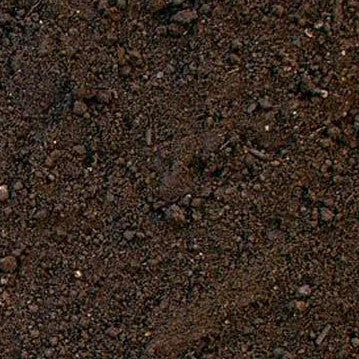
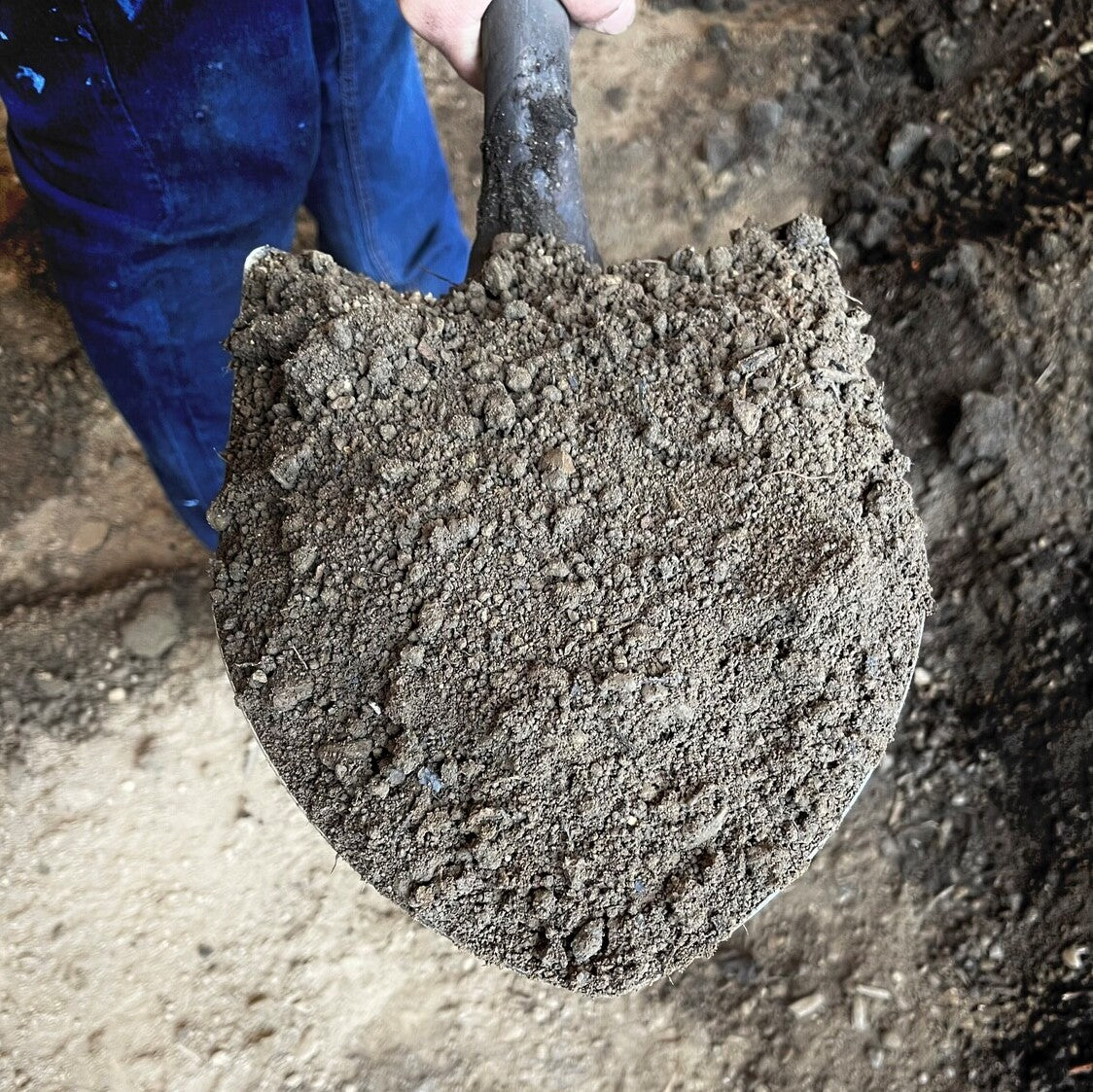
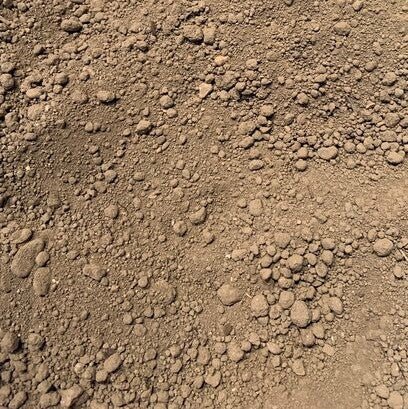
Quality topsoil for lawns, gardens, and landscape projects. Nutrient rich and ready to support strong root development and healthy plant establishment.
Great experience - not only was this the most affordable option for dirt delivery in Cleveland heights, but the delivery was fast and friendly. Got exactly what I needed and the truck got as close as possible to where I needed the dirt - even in my cramped driveway. Will be us...
Tell us what you're looking for
Thanks! We received your request.
Something went wrong. Please try again.
How Much Material Do I Need?
For lawn leveling in Rocky Mount, a 1 to 2 inch topdressing is typically enough to correct minor low spots and works naturally with the sandy loam base beneath. For new raised garden beds, a minimum of 12 inches of quality soil gives roots the depth they need to stay productive without reaching into the leaner native profile below.
Use our free soil calculator
What is a yard?
A yard is approximately 27 cubic feet. As a general guideline, one yard of material can cover an area of about 100-160 square feet at a 2-3 inch depth.
We can't take orders for this right now. Tell us what you need and we'll get back to you.
What do you need?
Thanks! We received your request.
Something went wrong. Please try again.
Hand-picked local yards
4,000+ regional deliveries
Dedicated support
Why order through Mulch Mound
The best local soil, without the guesswork.
We hand-pick and partner with the best yards in your region, keep only the ones our buyers rate well, and back each load with our guarantee.
Mulch Mound Guarantee
If your soil isn't the quantity or quality you ordered, we'll make it right.
About this soil
Quality topsoil for lawns, gardens, and landscape projects. Nutrient rich and ready to support strong root development and healthy plant establishment.
Great experience - not only was this the most affordable option for dirt delivery in Cleveland heights, but the delivery was fast and friendly. Got exactly what I needed and the truck got as close as possible to where I needed the dirt - even in my cramped driveway. Will be us...
How Much Material Do I Need?
For lawn leveling in Rocky Mount, a 1 to 2 inch topdressing is typically enough to correct minor low spots and works naturally with the sandy loam base beneath. For new raised garden beds, a minimum of 12 inches of quality soil gives roots the depth they need to stay productive without reaching into the leaner native profile below.
Use our free soil calculator
What is a yard?
A yard is approximately 27 cubic feet. As a general guideline, one yard of material can cover an area of about 100-160 square feet at a 2-3 inch depth.
Great experience - not only was this the most affordable option for dirt delivery in Cleveland heights, but the delivery was fast and friendly. Got...
Read full review
Great experience - not only was this the most affordable option for dirt delivery in Cleveland heights, but the delivery was fast and friendly. Got exactly what I needed and the truck got as close as possible to where I needed the dirt - even in my cramped driveway. Will be using again and recommending to my neighbors.
For raised beds, multiply the length by the width by the depth in feet, then divide by 27 to convert cubic feet to cubic yards. Rocky Mount's sandy loam base settles minimally compared to clay soils, but freshly placed soil mixes will still compress after the first several rain events, so adding 10 to 15 percent to your calculated volume helps ensure beds stay at the right fill depth through the growing season.
Soil Types We Deliver in Rocky Mount
Rocky Mount homeowners and landscapers count on quality bulk soil delivery to get projects off the ground, from backyard gardens to full lawn installations. The region's naturally sandy coastal plain soils often need enrichment to support strong plant growth, making a reliable source of bulk topsoil by the yard in Rocky Mount an essential resource. We deliver screened soil by the cubic yard, straight to your driveway or job site.
Screened Top Soil
A clean, fine-textured topsoil that has been screened to remove debris, rocks, and clumps, making it easy to spread and grade. It suits Rocky Mount yards where sandy native soil needs a nutrient-rich boost to support lawns, raised beds, and garden plantings. An excellent all-purpose choice for new construction fill and general landscaping.
Complete Your Outdoor Soil Project
After filling your beds or leveling your lawn, a layer of mulch is the natural next step to protect the new soil surface and lock in moisture through Rocky Mount's long, warm growing season. For pathway or border areas surrounding your project, decorative stone adds a clean, low-maintenance edge that complements fresh soil beds and holds up well against the area's annual rainfall.
What type of soil should I use for a raised vegetable garden in Rocky Mount?
For raised beds in Rocky Mount, a blended garden mix that combines topsoil, compost, and some drainage material works best. The native sandy loam drains too fast to sustain vegetables through the hot summer months without amendment, so a richer mix with higher organic content gives your plants the water-holding capacity and nutrients they need across the long Zone 8a growing season.
Answer
Can I use bulk topsoil to level my lawn in Rocky Mount?
Yes, bulk topsoil works very well for lawn leveling here. Because the native soil is sandy loam, compatible fill blends naturally into the existing profile and does not create the hard interface layer you sometimes see when adding clay-heavy fill on top of a lighter native soil. Topdressing low spots in early spring before your last frost date of March 25 gives grass time to grow through the new layer during peak growing season.
Answer
How much soil do I need to fill a raised bed?
A standard 4-by-8-foot raised bed that is 12 inches deep needs roughly 0.12 cubic yards of soil. Most Rocky Mount gardeners build beds at least 12 inches deep to keep roots out of the lean native sandy loam below the frame. If you are building multiple beds, add up the total volume across all of them and order a small buffer since soil always settles after the first several waterings.
Answer
Does Rocky Mount's rainfall affect how delivered soil settles?
It does noticeably. With an average of 45 inches of annual rainfall, Rocky Mount sees enough precipitation that freshly delivered soil will compress and settle after the first few significant rain events. For lawn leveling projects, plan to overfill low spots slightly and allow one or two rain cycles before final grading. For raised beds, water in your soil thoroughly after filling to speed up initial settling before you plant.
Answer
When is the best time to add bulk soil to my yard in Rocky Mount?
Early spring is ideal, targeting the two to three weeks before your last frost date of March 25. This timing lets you prep and fill beds in time to plant when the soil warms, and it gives leveled lawn areas time to establish before summer heat intensifies. Fall is the second best window, giving amended areas time to settle and integrate through the winter before the following growing season.
Answer
Will added topsoil actually improve drainage in low-lying areas of my yard?
Adding topsoil raises the grade and redirects surface water, but true drainage improvement usually requires grading work alongside the fill. Rocky Mount's sandy loam already drains fairly well at depth, so pooling in low spots is often a surface grading issue rather than a soil permeability problem. Filling and re-grading those areas with clean topsoil compatible with the native sandy loam profile is usually the most straightforward and lasting fix.
Answer
Is bulk soil safe to use around children and pets?
Our bulk topsoil and garden mixes are natural mineral and organic materials without synthetic additives. For garden beds and play areas where children and pets spend time, our garden mix blends are a clean, safe choice well-suited to Rocky Mount's long outdoor season. As with any soil work, washing hands thoroughly after contact is always a good practice.
Mulch Mound Pro Tip
When filling raised beds in Rocky Mount, resist the temptation to use 100 percent compost as your fill material. A blend of roughly 60 percent topsoil and 40 percent aged compost or organic material gives you the structure and drainage balance that pure compost lacks. All-compost beds can become hydrophobic when they dry out, which is a real problem during Rocky Mount's summer heat spells, and a mixed blend avoids that issue while still delivering excellent fertility for a long growing season.
Mulch Mound Pro Tip
For lawn leveling projects, match your fill soil to the sandy loam texture already present in your yard as closely as possible. Adding clay-rich fill on top of native sandy loam creates a layered profile that water struggles to move through evenly, which can actually worsen drainage in the low spots you are trying to fix. A sandy loam-compatible topsoil blend integrates cleanly and gives grass roots a consistent growing environment from the surface down through the native profile.
Mulch Mound Pro Tip
Time your soil delivery to arrive a few days before a forecasted rain event if your schedule allows. Rocky Mount's 45 inches of annual rainfall means you will not wait long for natural irrigation after a delivery, and allowing rain to settle and saturate freshly placed soil reveals any remaining low spots or uneven areas before you plant or seed. This small timing adjustment can save you a correction trip later in the season and ensures your final grade is accurate before plants go in.
The Unique Landscape of Rocky Mount
Rocky Mount's native sandy loam is workable and well-draining, but it falls short when homeowners want to establish productive garden beds, level uneven lawn areas, or build raised planters for vegetables. Sandy loam is naturally low in organic matter and nutrients, which limits how well it supports vegetables, flowering perennials, and turf through the demanding conditions of a Zone 8a summer. The long growing season, running from the last frost on March 25 to the first frost on October 25, puts sustained nutritional demands on soil that native sandy loam often cannot meet on its own. Bulk soil delivery lets you correct those deficiencies precisely where you need it, whether that is a vegetable garden that needs rich, loamy fill or a low spot in your lawn that needs grading before spring planting. In a region where you can be actively gardening for seven full months, starting with the right soil makes a measurable difference in plant performance and the amount of ongoing maintenance your landscape requires.