




I needed 3 yards of top soil and that's what I got! Right on time and right where I asked it to be placed (Order# 2041).
About this soil
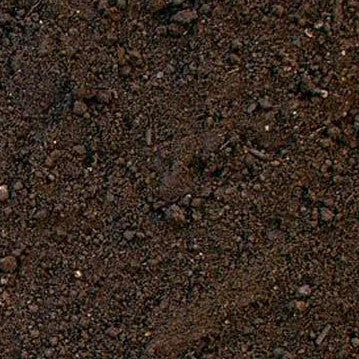
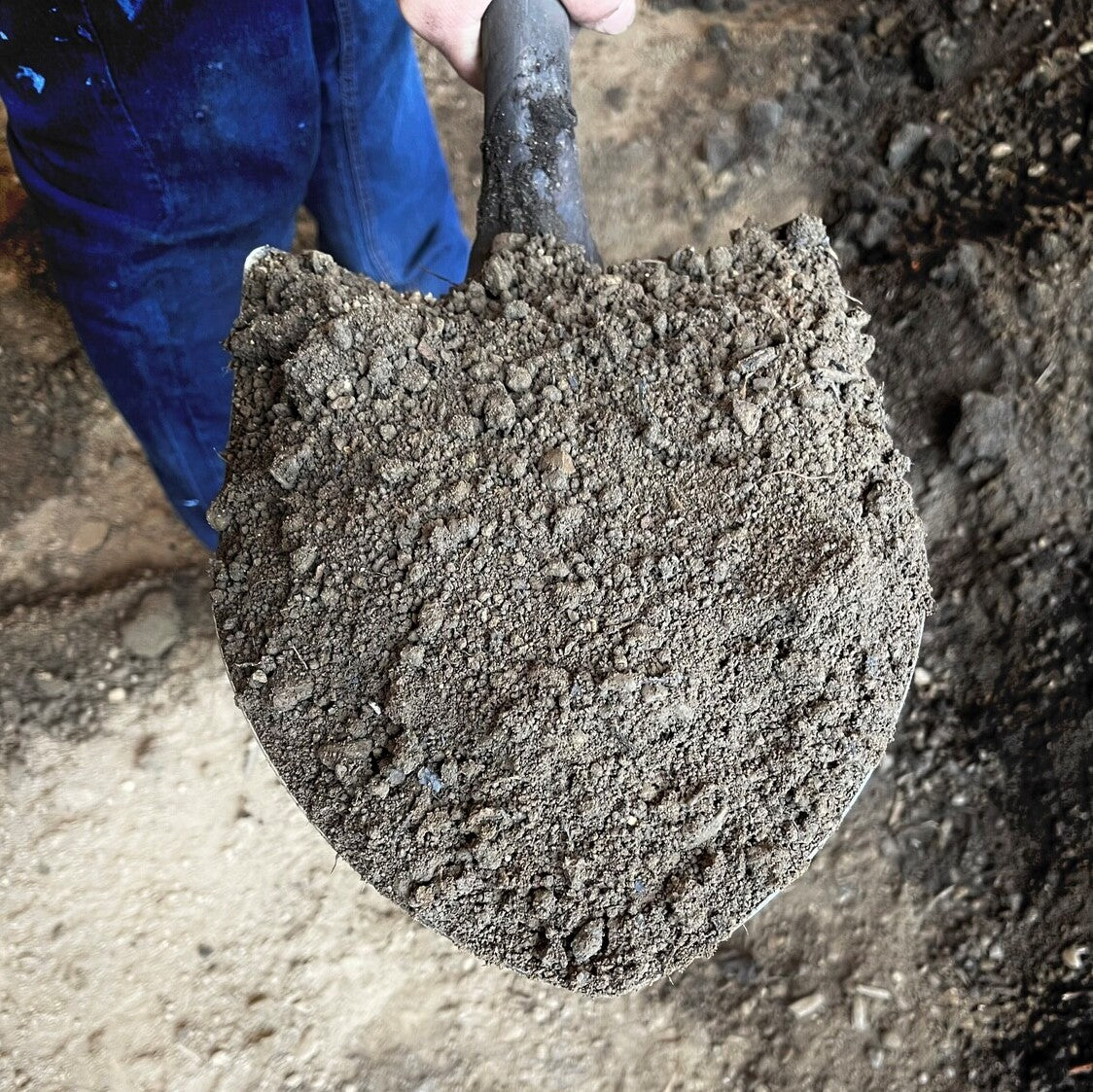
Screened topsoil with a fine, even texture. Ideal for new lawns, sod prep, and raised garden beds.
I needed 3 yards of top soil and that's what I got! Right on time and right where I asked it to be placed (Order# 2041).
Tell us what you're looking for
Thanks! We received your request.
Something went wrong. Please try again.
How Much Material Do I Need?
How Much Material Do I Need?
For raised vegetable beds in Roswell, filling to a depth of 12 inches gives plant roots the room they need to develop fully and access consistent moisture in a climate where native soil dries out fast. For topdressing existing lawns or garden beds, a 1 to 3 inch layer of fresh soil or blended compost is typically sufficient to improve soil quality without disrupting established plants.
Use our free soil calculator
What is a Yard?
What is a Yard?
FAQs
FAQs
Roswell Soil Delivery
Roswell Soil Delivery
Regular price
$64.00
per
Yard
Regular price
Sale price
$64.00
Unit price
per
Shipping calculated at checkout.
Minimum of 3 Yard
Couldn't load pickup availability
Not currently available
We can't take orders for this right now. Tell us what you need and we'll get back to you.
Hand-picked local yards
4,000+ regional deliveries
Dedicated support
Why order through Mulch Mound
The best local , without the guesswork.
We hand-pick and partner with the best yards in your region, keep only the ones our buyers rate well, and back each load with our guarantee.
Mulch Mound Guarantee
If your isn't the quantity or quality you ordered, we'll make it right.
About this soil
Screened topsoil with a fine, even texture. Ideal for new lawns, sod prep, and raised garden beds.
I needed 3 yards of top soil and that's what I got! Right on time and right where I asked it to be placed (Order# 2041).
How Much Material Do I Need?
How Much Material Do I Need?
For raised vegetable beds in Roswell, filling to a depth of 12 inches gives plant roots the room they need to develop fully and access consistent moisture in a climate where native soil dries out fast. For topdressing existing lawns or garden beds, a 1 to 3 inch layer of fresh soil or blended compost is typically sufficient to improve soil quality without disrupting established plants.
Use our free soil calculator
What is a Yard?
What is a Yard?
FAQs
FAQs
Tell us what you're looking for
Thanks! We received your request.
Something went wrong. Please try again.

How It Works
Getting started is easy — just follow these simple steps
1
Choose your soil
Make sure you adjust the quantity to your home's needs. You can use our calculator to estimate how much you'll need.
2
Select your delivery date
Select a delivery date you'd like for the product to be dropped off at your home
3
Sit back and wait
Sit back, wait, and let us work our magic to make sure the highest quality product is delivered to your driveway.

Highest compliments. Great driver.
Website is easy to navigate. Just a seamless process. 5 stars!!

Need Help Calculating How Much Soil You Need?
Use our NEW Trace from Satellite tool to get an estimate for your project based on an aerial view of your property
Try Our CalculatorMeasure the length, width, and intended depth of each area you plan to fill or amend and calculate cubic feet by multiplying all three numbers together. Divide that result by 27 to convert to cubic yards, which is how bulk soil is sold and delivered. For raised beds, remember to account for settling by adding 10 to 15 percent to your final calculation so you do not end up short after the soil compresses during the first few waterings.
Complete Your Outdoor Soil Project
Combine your soil delivery with a bulk mulch order to protect the new soil surface from Roswell's UV radiation and wind erosion as soon as beds are planted. Adding a decomposed granite border around your new soil areas also creates a clean, low-maintenance edge that holds up well in eastern New Mexico's dry conditions.
Mulch Mound Pro Tip
When you receive your bulk soil delivery in Roswell, take a handful and squeeze it before you start spreading. Quality amended soil should form a loose ball under pressure but break apart easily when you poke it, which indicates a good balance of texture and organic content. If the soil feels sticky and stays in a tight dense ball, it may have too much clay content to drain properly in combination with Roswell's occasional heavy monsoon rains. If it falls apart completely without holding any shape, it may be too sandy to hold moisture and nutrients effectively.
Mulch Mound Pro Tip
In Roswell's alkaline soil environment, pH tends to run between 7.5 and 8.2 in most native ground, which limits the availability of iron and other micronutrients even when they are technically present in the soil. When you bring in bulk amended soil for vegetable beds or flower gardens, testing the pH of both the new soil and any native soil you blend it with is a smart step. Sulfur amendments added at planting time can help bring pH down toward the 6.5 to 7.0 range where most vegetables and ornamentals absorb nutrients most efficiently.
Mulch Mound Pro Tip
For Roswell homeowners grading soil around foundations or along property edges, always direct your final grade away from structures at a slope of at least 1 inch of drop per foot of horizontal distance for the first 6 feet. Roswell's rare but intense monsoon storms can dump a lot of water quickly, and soil that is graded flat or toward a building creates moisture intrusion and erosion risk. Taking the time to get the grade right when you have fresh bulk soil on hand is much easier than correcting drainage problems after everything is planted and settled.
The Unique Landscape of Roswell
Roswell's native sandy loam soil is not inherently poor, but its fast drainage and low organic matter content create real challenges for anyone trying to grow lush lawns, productive vegetable gardens, or densely planted ornamental beds. Water and nutrients move through sandy loam quickly, which means plants must either be drought-adapted desert species or receive consistent supplemental feeding and irrigation to stay healthy. At 3,570 feet of elevation with only 12 inches of annual rainfall, the natural soil formation process that would slowly build organic content and tilth simply does not have the inputs it needs. Bringing in quality amended bulk soil allows you to create productive growing environments that perform well within Roswell's Zone 7b climate despite the limitations of native ground conditions. Whether you are filling raised vegetable beds, improving lawn areas, or grading around new construction, bulk soil delivery makes the volume of material needed for meaningful results accessible and affordable. Starting with good soil underneath your plants reduces how hard you have to work on everything else throughout the growing season.