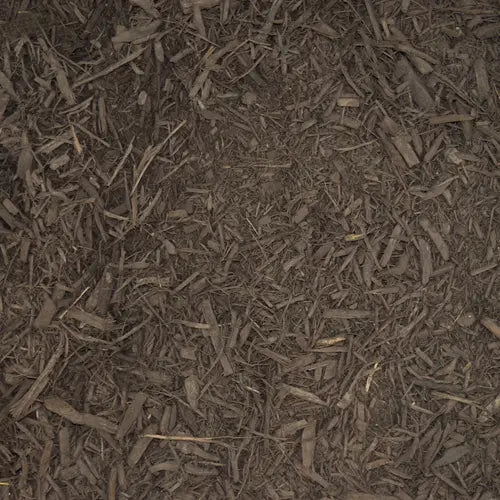
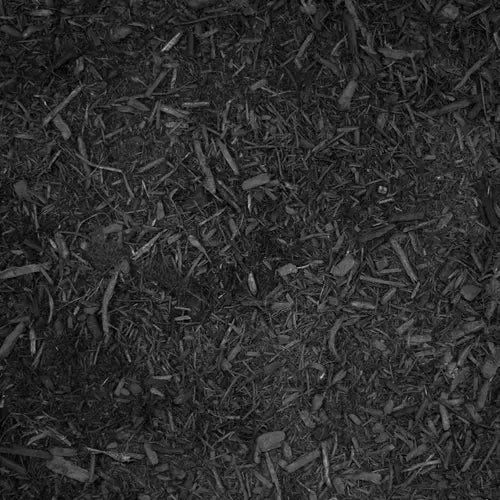
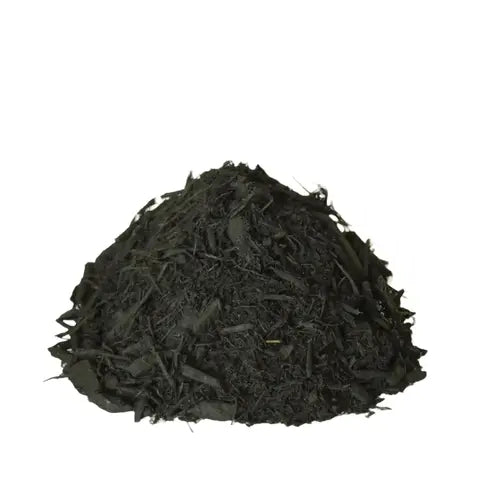
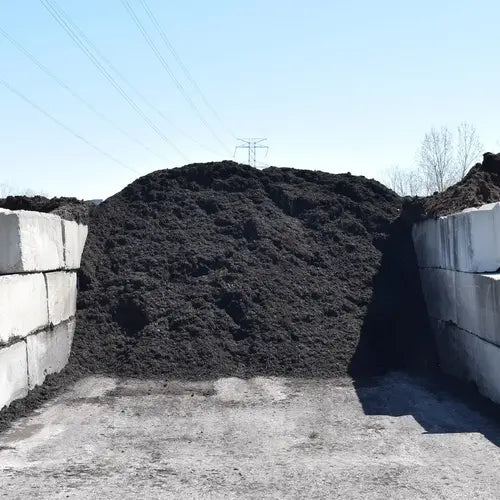
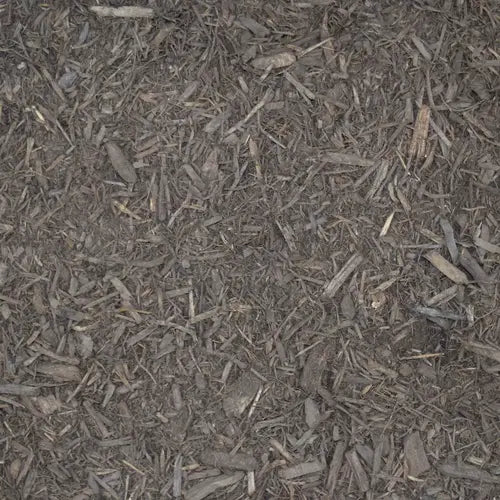
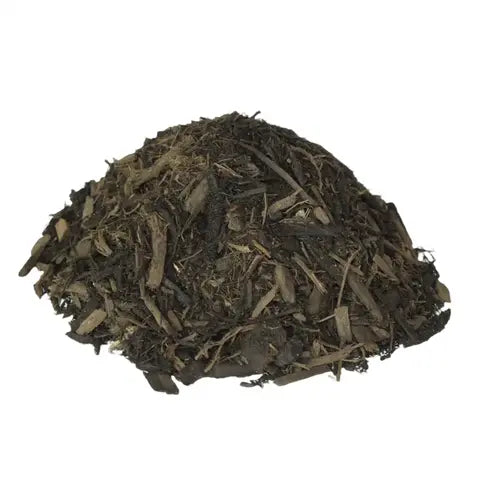
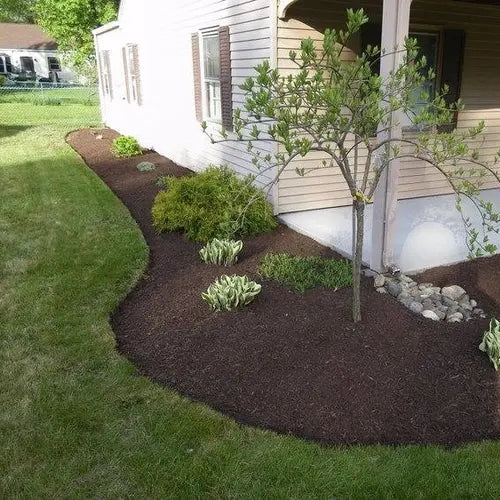
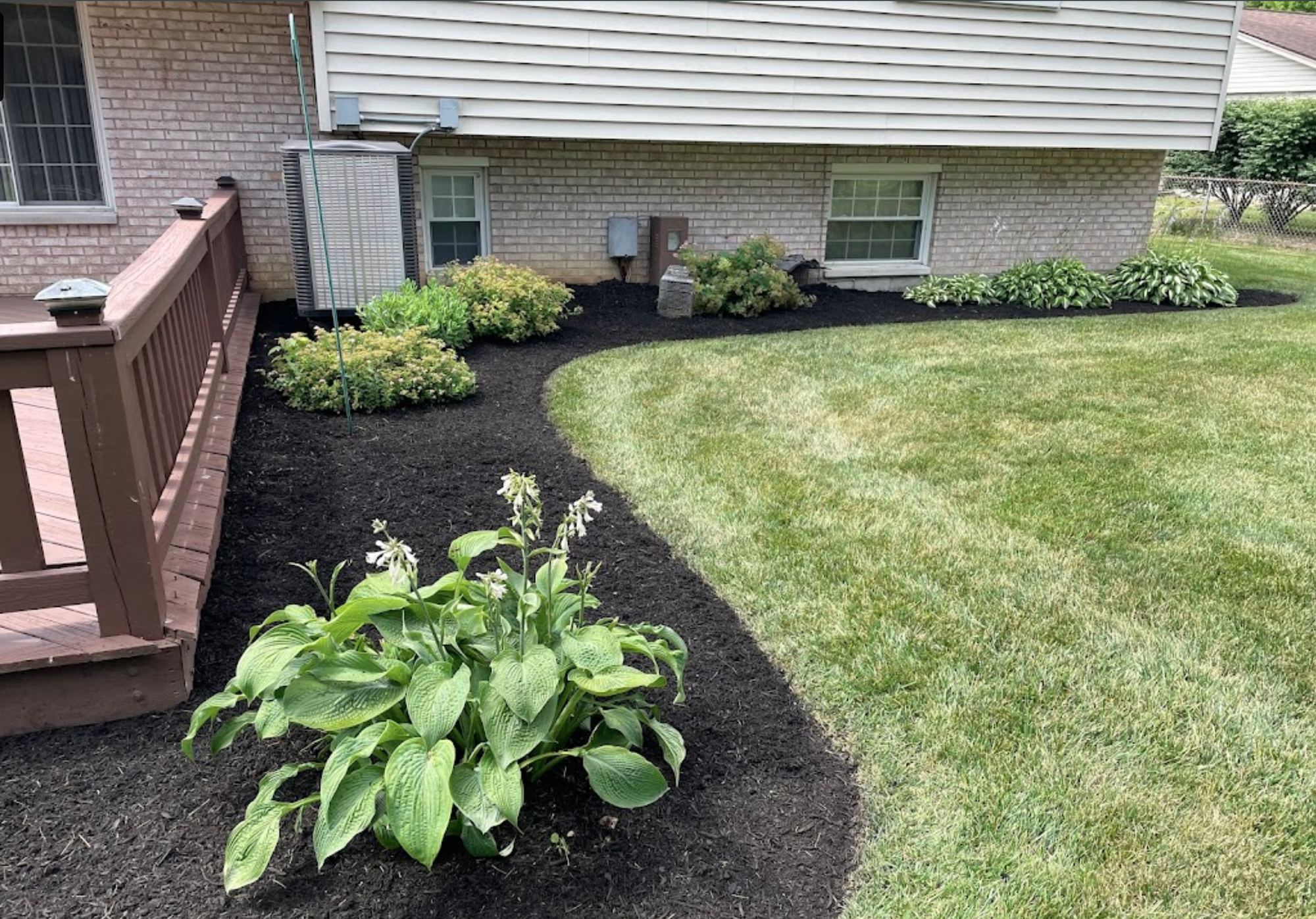
Warm brown double shredded mulch with lasting color that looks freshly applied for weeks. Spreads smooth, stays put, and gives beds a natural, polished appearance.
We needed mulch for our HOA common areas. Local providers were all holding high prices even for 40 yards of mulch. Mulch mound was easy to wowith & has great price for natural mulch + delivery schedule options. They called before delivery to ensure Delivery was exactly wher...
Tell us what you're looking for
Thanks! We received your request.
Something went wrong. Please try again.
How Much Material Do I Need?
For Rutland's dense glacial till, plan on at least 3 inches of mulch depth for established beds and 4 inches for new plantings where weed pressure is highest. Going thinner than 3 inches in this climate leaves roots exposed to the freeze-thaw heaving that Zone 5a winters reliably produce each year.
Use our free mulch calculator
What is a yard?
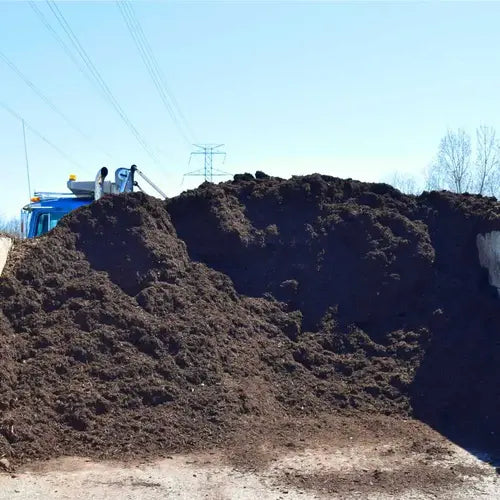
A yard is approximately 27 cubic feet. As a general guideline, one yard of material can cover an area of about 100-160 square feet at a 2-3 inch depth.
We can't take orders for this right now. Tell us what you need and we'll get back to you.
What do you need?
Thanks! We received your request.
Something went wrong. Please try again.
Hand-picked local yards
4,000+ regional deliveries
Dedicated support
Why order through Mulch Mound
The best local mulch, without the guesswork.
We hand-pick and partner with the best yards in your region, keep only the ones our buyers rate well, and back each load with our guarantee.
Mulch Mound Guarantee
If your mulch isn't the quantity or quality you ordered, we'll make it right.
About this mulch
Warm brown double shredded mulch with lasting color that looks freshly applied for weeks. Spreads smooth, stays put, and gives beds a natural, polished appearance.
We needed mulch for our HOA common areas. Local providers were all holding high prices even for 40 yards of mulch. Mulch mound was easy to wowith & has great price for natural mulch + delivery schedule options. They called before delivery to ensure Delivery was exactly wher...
How Much Material Do I Need?
For Rutland's dense glacial till, plan on at least 3 inches of mulch depth for established beds and 4 inches for new plantings where weed pressure is highest. Going thinner than 3 inches in this climate leaves roots exposed to the freeze-thaw heaving that Zone 5a winters reliably produce each year.
Use our free mulch calculator
What is a yard?
A yard is approximately 27 cubic feet. As a general guideline, one yard of material can cover an area of about 100-160 square feet at a 2-3 inch depth.
We needed mulch for our HOA common areas. Local providers were all holding high prices even for 40 yards of mulch. Mulch mound was easy to wowith...
Read full review
We needed mulch for our HOA common areas. Local providers were all holding high prices even for 40 yards of mulch. Mulch mound was easy to wowith & has great price for natural mulch + delivery schedule options. They called before delivery to ensure Delivery was exactly where we wanted it.
Delivery was on time and great quality Mulch. Got it done in a reasonable time and yard looks great. Couldn’t be happier!!! Thank you and will us...
Read full review
Delivery was on time and great quality Mulch. Got it done in a reasonable time and yard looks great. Couldn’t be happier!!! Thank you and will use again!!
Mulch Mound delivered a yard of pea gravel to us. Delivery was on time, driver was friendly and hit a bullseye on the “tarp target”. We used the ...
Read full review
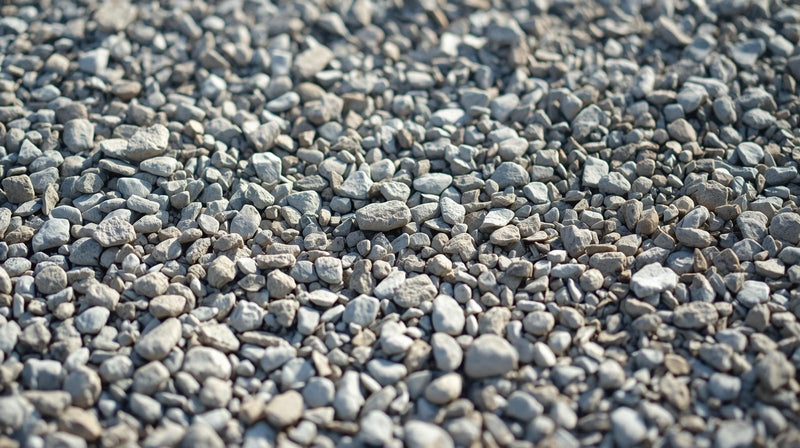
Mulch Mound delivered a yard of pea gravel to us. Delivery was on time, driver was friendly and hit a bullseye on the “tarp target”. We used the pea gravel (which was diameter as specified) to fill several muskrat holes around our pond. I would definitely recommend Mulch Mound to a friend!
Measure each bed's length and width in feet and multiply together to get your total square footage, then factor in a 3 to 4 inch depth appropriate for Rutland's glacial till soil and its tendency to lose moisture quickly. Dividing total cubic feet by 27 converts the result to cubic yards for ordering purposes. Ordering a small overage is always wise in Vermont, where delivery windows around frost dates leave little room to schedule a second trip.
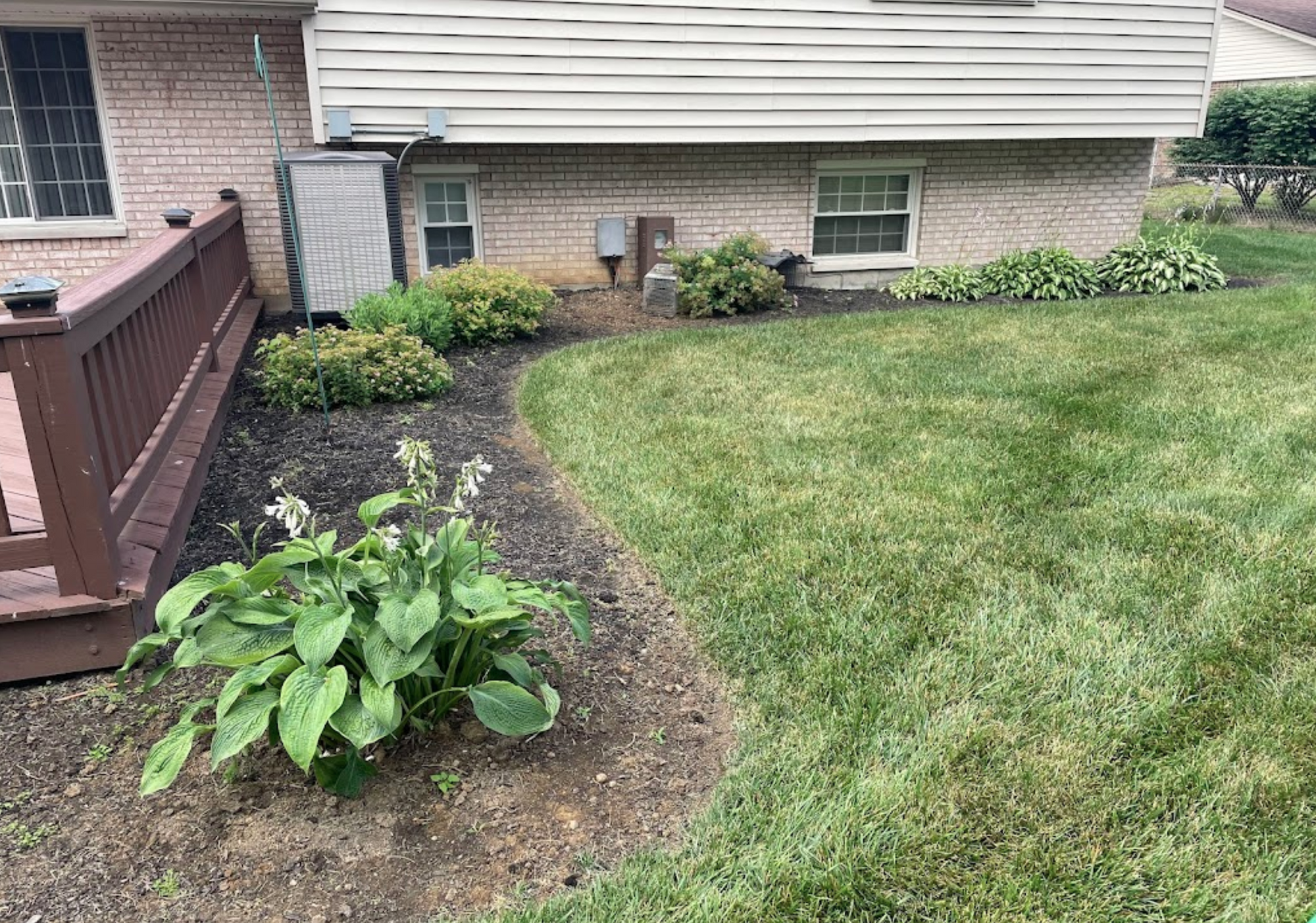
Mulch vs. No Mulch: The Difference
Rutland's rainfall and cool Vermont temperatures create conditions where natural hardwood mulch breaks down at a moderate but steady pace, typically requiring renewal each growing season. That decomposition is actually beneficial here because it feeds organic material into glacial till soil that is chronically low in humus and organic content. Dyed mulches use a colorfast binder that slows breakdown, making them a good choice when curb appeal through the full May-to-September growing window is the priority over soil amendment.
Before
After
Best Mulch Choice for Rutland Lawns
Most yards in the Rutland area sit on Glacial Till type of soil. Rutland's glacial till soil is compacted, low in organic matter, and drains poorly in spring, leaving plant beds prone to root stress and nutrient deficiency without some form of organic cover to work against those conditions from the surface down. A consistent mulch layer begins addressing those deficiencies each time it decomposes into the soil profile beneath your beds.
Hardwood Mulch
Hardwood mulch is particularly well matched to Rutland's glacial till because as it breaks down it releases woody lignins that bind with the fine mineral particles in till soil, slowly building the organic layer that glacial deposits lack entirely. Over several seasons of consistent hardwood mulch application, gardeners typically see improved drainage, better root penetration, and reduced compaction in beds that previously felt like working in packed gravel.
Mulch Types We Deliver in Rutland
Mulch Mound delivers bulk mulch by the cubic yard to homeowners and landscapers throughout central Vermont. Whether you are refreshing beds around a classic New England colonial or laying down a fresh layer before the cold sets in, bulk mulch delivery in Rutland makes it simple to get exactly what your project needs. We bring the cubic yards you need so your beds stay protected and looking their best.
Dyed Brown Mulch
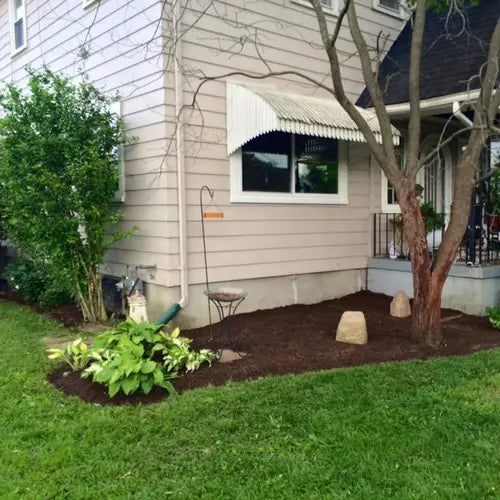
Our double shredded dyed brown mulch holds that freshly applied look for weeks, even through Vermont's heavy spring rains and warm summer stretches that can fade lesser products. The warm tone blends naturally with the wooded surroundings and mixed perennial beds common in this part of the state, giving every yard a clean, polished finish.
Dyed Black Mulch
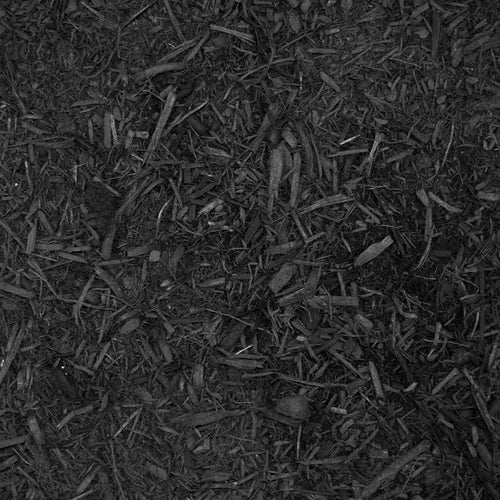
Bold double shredded black mulch that gives beds a sharp, defined look lasting through Vermont's wet springs and rainy summers. The rich color stays strong after heavy storms, making it a top pick for homeowners who want striking contrast against the pale siding and stone foundations typical of older New England properties in this region.
Natural Brown Mulch
For those who prefer no dyes, our double shredded natural brown mulch delivers an honest, earthy tone straight from the wood itself. It pairs well with the mature trees and rocky soil typical of central Vermont yards, spreading smoothly and settling in to support healthy beds through both warm and cool seasons.
Complete Your Outdoor Mulch Project
Pair your mulch order with a quality screened topsoil to amend the glacial till beneath your beds before laying cover, giving plants a nutrient-present root zone that the native Rutland ground rarely provides on its own. You can also add decorative stone along border edges to give your landscape a clean, finished look that holds through Vermont's full weather range.
Pull or kill existing weeds before your mulch delivery arrives, because glacial till holds weed roots firmly and established weeds will push through thin cover with ease. Lay mulch within a day or two of soil prep while the ground is still workable. In Rutland's compressed growing window between May 22 and September 21, every week of weed-free growth matters for perennials trying to establish and fill in before fall returns.
Mulch Mound Pro Tip
Keep mulch pulled back 2 to 3 inches from tree trunks and shrub stems rather than piling it against the bark. Rutland's wet springs create consistently moist conditions at the soil surface, and mulch packed against bark traps that moisture against the cambium layer, inviting rot and fungal issues that are especially common during Vermont's humid shoulder seasons in late spring and early fall.
Mulch Mound Pro Tip
Rutland's 43 inches of annual rainfall actually accelerates mulch decomposition compared to drier climates, meaning your beds need a fresh 1 to 2 inch top-dress every season rather than every other year. Check your mulch layer depth each May after the soil thaws and before spring planting ramps up. Refreshing mulch annually also returns a steady stream of organic matter to the thin, nutrient-poor layer that sits above Rutland's glacial till base.
Frequently Asked Questions
Click a question to see the answer
Answer
How thick should I apply mulch over my Rutland garden beds?
Because Rutland's glacial till tends to shed water and compact quickly, aim for 3 to 4 inches of mulch depth over established beds. That thickness gives you meaningful moisture retention during dry spells and enough insulation to protect Zone 5a perennial roots through the freeze-thaw cycles that Rutland experiences reliably each fall and spring.
Answer
When is the best time to mulch here in Rutland?
The ideal window is after the last frost, typically around May 22, once soil has had a chance to warm slightly after Vermont's long winter. Mulching too early traps cold in the glacial till and can delay root activity by several weeks. A second light top-dress in mid-October, before the first frost closes in around September 21, helps protect perennial crowns through the Vermont winter.
Answer
Will a mulch layer actually help with the weed pressure I get in my heavy soil?
Yes, and this is especially relevant for Rutland gardens built on glacial till. That dense soil holds weed seeds near the surface and stays firm enough to support vigorous weed germination in any gaps. A consistent 3 to 4 inch mulch layer blocks sunlight from reaching those seeds and dramatically reduces hand-weeding time through the short growing season.
Answer
Does Rutland's rainfall wash mulch away from sloped beds?
On steeper grades, especially the terraced hillside yards common in the Rutland area, lighter mulch materials can shift during heavy rain events. A shredded hardwood mulch with interlocking fibers holds its position far better than bark nuggets on any incline. Laying beds with a slight inward tilt also directs water toward plant roots rather than off the edge of the bed.
Answer
How does mulch affect my soil temperature going into September?
Rutland's first frost can arrive by September 21, and mulch helps moderate the rapid soil cooling that happens in glacial till, which does not hold heat well at all. Keeping mulch in place through early fall slows the temperature drop and gives late-season annuals and warm-season vegetables a few extra weeks of productive growing time before that first hard freeze.
Answer
Should I choose natural or dyed mulch for my Rutland flower beds?
Natural hardwood mulch breaks down faster in Rutland's climate, feeding organic matter back into the notoriously low-nutrient glacial till soil beneath your beds. Dyed mulch holds its color longer through the season, which matters aesthetically when beds are visible from the street during the full growing window. For beds where soil health is the priority over aesthetics, natural mulch is the better long-term investment.
Answer
How do I figure out how much mulch I need for my front yard beds?
Measure the length and width of each bed in feet, multiply to get square footage, then multiply by 0.25 for a 3-inch depth and divide by 27 to convert to cubic yards. Most mid-size Rutland front yard beds run 150 to 300 square feet, putting the typical order in the 1.5 to 3 cubic yard range per planting area.
The Unique Landscape of Rutland
Rutland's glacial till soil is notoriously dense and compacted, making it difficult for plant roots to retain moisture between Vermont's unpredictable rain events. With 43 inches of annual rainfall spread unevenly across the growing season, beds can swing from waterlogged to bone dry within weeks, and a proper mulch layer acts as a buffer against those extremes. Zone 5a winters push soil temperatures well below freezing, and without adequate mulch coverage, shallow-rooted perennials and shrubs face significant frost heave risk on Rutland's till-heavy ground. Rutland's short growing window, bookended by a last frost around May 22 and a first frost as early as September 21, means plants need every advantage to establish before cold returns. Mulch gives beds the thermal stability and weed suppression needed to make the most of that narrow season, especially over a soil type that offers little natural organic matter to support healthy plant development.