About this stone

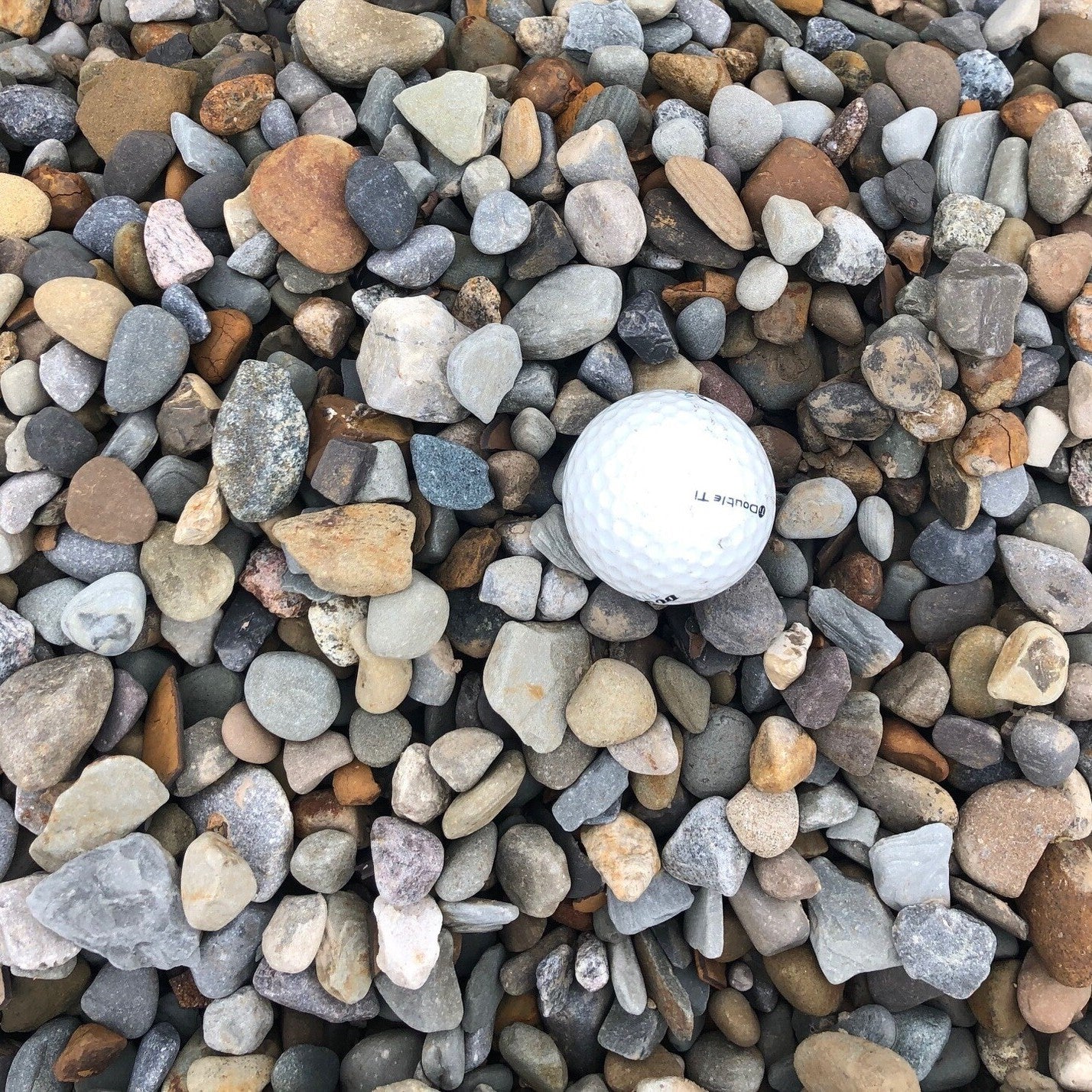
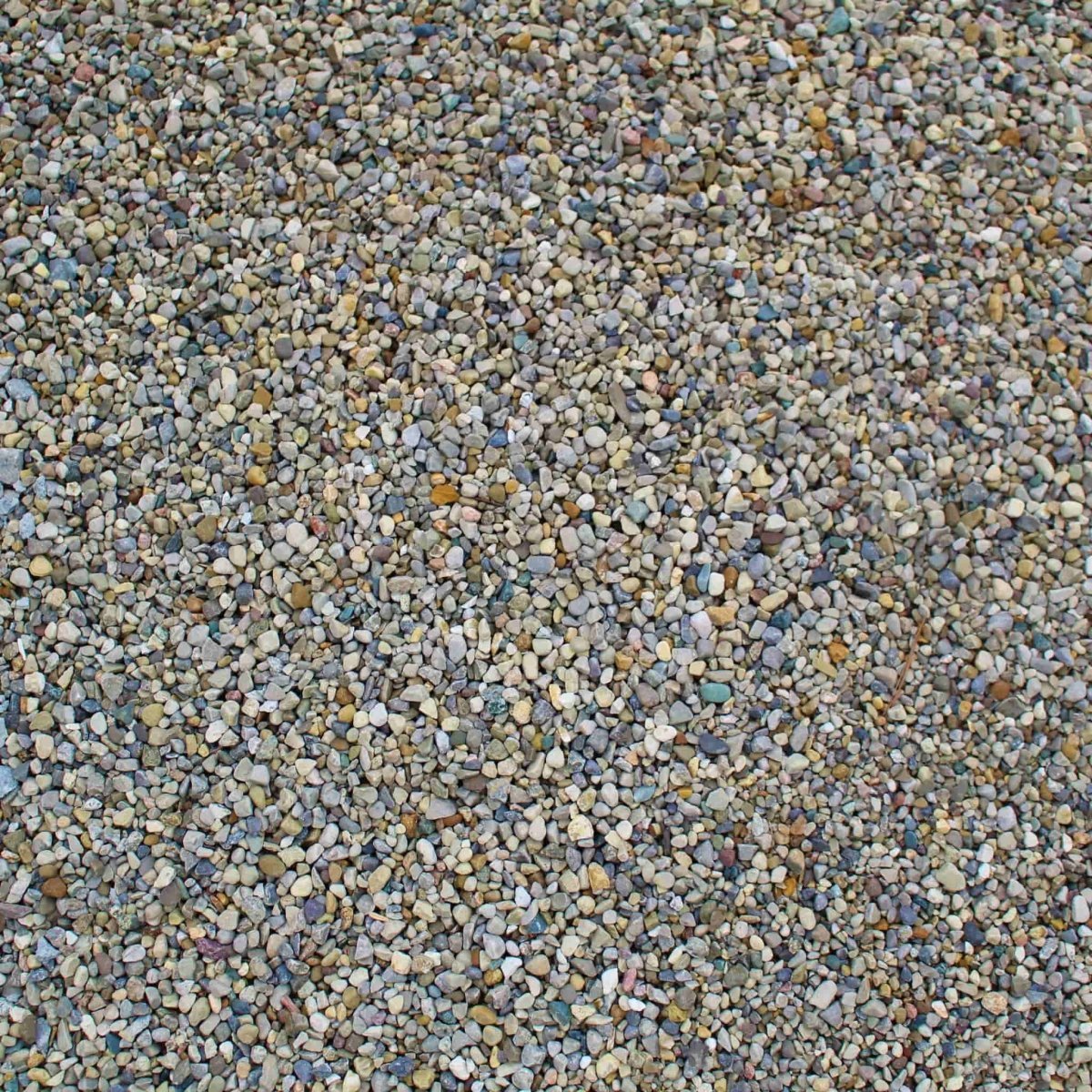
Classic pea gravel with smooth, rounded edges and natural earth tones. A versatile favorite for pathways, patios, drainage, and decorative ground cover.

Super easy to order the rocks. They showed up on time, dumped right where I said, and everything worked great.

Rutland Stone Delivery

Rutland Stone Delivery

4.7
137 reviews
Regular price $87.00 per yard
Regular price Sale price $87.00
Sale Sold out
Type
Size
Minimum of 3
1 tree planted for every order

About this stone

Classic pea gravel with smooth, rounded edges and natural earth tones. A versatile favorite for pathways, patios, drainage, and decorative ground cover.

Super easy to order the rocks. They showed up on time, dumped right where I said, and everything worked great.

For decorative surface stone in Rutland garden borders or pathways, 2 to 3 inches of depth provides solid coverage and visual impact while allowing adequate drainage through and around the glacial till below. Structural base layers under driveways or heavy-use paths should be 4 to 6 inches to account for Rutland's frost depth and prevent the heaving that thin bases inevitably experience through Vermont winters.
Use our free stone calculator

A yard is approximately 27 cubic feet. As a general guideline, one yard of material can cover an area of about 100-160 square feet at a 2-3 inch depth.

View full details

How It Works

Getting started is easy — just follow these simple steps

1

Choose your stone

Make sure you adjust the quantity to your home's needs. You can use our calculator to estimate how much you'll need.

2

Select your delivery date

Select a delivery date you'd like for the product to be dropped off at your home

3

Sit back and wait

Sit back, wait, and let us work our magic to make sure the highest quality product is delivered to your driveway.

From The Mouths of Rutland Folks

4.7
out of 5 based on 137 reviews
Google Reviews

Need Help Calculating How Much Stone & Gravel You Need?

Use our NEW Trace from Satellite tool to get an estimate for your project based on an aerial view of your property

Try Our Calculator
📍

Measure the length and width of your project area in feet and multiply together for total square footage, then decide on your installation depth, typically 2 to 3 inches for decorative surface stone and 4 to 6 inches for structural base applications in Rutland's frost-prone ground. Divide total cubic feet by 27 to get cubic yards for ordering. Stone is dense and heavy, so a little goes further by volume than mulch or soil, but always round up when ordering for Rutland grade work where the glacial till surface is rarely perfectly level.

Complete Your Outdoor Stone Project

Round out your stone project by adding screened topsoil to planting areas adjacent to your new stone borders, giving plants a workable growing medium above the native glacial till. Finishing bed edges with a layer of mulch that complements your stone color also helps manage Rutland's uneven rainfall and keeps planted areas looking intentional all season long.

Map of Rutland, Vermont

Areas We Deliver Stone & Gravel in Rutland, Vermont

No cities found for this region.

See All Locations
Mulch Mound Pro Tip

Before laying any stone pathway or patio surface in Rutland, invest in a proper base layer of compacted crushed gravel beneath your surface material. Zone 5a frost penetrates well below the surface during Vermont winters, and stone laid directly on glacial till without a drainage base will heave, tip, and shift by spring. A 4 to 6 inch compacted base is the difference between a surface that lasts a decade and one that needs resetting every April after the ground thaws.

Mulch Mound Pro Tip

Position stone features strategically in low-lying areas of your Rutland yard where glacial till collects water and creates persistently muddy zones through spring. A gravel bed or dry creek channel in those spots handles the drainage work that the native till cannot manage, turning a problem area into a visually intentional landscape element. This approach works especially well during the wet shoulder seasons Rutland experiences between snowmelt and the drier summer months.

Mulch Mound Pro Tip

Rutland's 43 inches of annual rainfall, combined with the slopes common to Vermont terrain, makes erosion a real concern for homeowners with exposed soil on grades. Stone ground cover breaks up raindrop impact, slows runoff velocity, and keeps glacial till in place on hillside beds and along driveway edges where water tends to channel. Even a 2 inch layer of crushed stone over an exposed slope dramatically reduces the soil movement that bare till experiences during heavy summer rain events.

The Unique Landscape of Rutland

Stone is one of the most durable and low-maintenance landscaping materials available to Rutland homeowners, a meaningful advantage in a climate where freeze-thaw cycles, heavy snowfall, and 43 inches of annual rainfall demand materials that hold up without seasonal intervention. Rutland's glacial till soil tends to shift and heave with temperature changes at 646 feet of elevation, and stone pathways and borders hold their position far better than organic materials or soft edging that frost can displace over a single Vermont winter. Stone also solves the drainage challenges that naturally come with glacial till, which resists water infiltration and creates wet, muddy zones throughout a property during spring snowmelt and fall rain events. A well-placed layer of crushed stone under high-traffic areas eliminates the muddy footing that compacted till creates and directs water away from foundations and planted areas. Rutland's relatively short growing season also means less time for ongoing maintenance, making stone borders and paths a smart investment for homeowners who want a landscape that looks well-kept even when there is no time to tend it. Whether the goal is a gravel driveway apron, a flagstone path, or a decorative river rock border, stone gives Rutland yards structure that winter simply cannot undo.

Frequently Asked Questions

Click a question to see the answer

Answer

What type of stone works best for a gravel path in my Rutland yard?

Crushed stone with angular edges, like 3/4 inch crushed gravel, compacts firmly and resists the displacement that Rutland's freeze-thaw cycles can cause with loose rounded stone over a Vermont winter. Smooth river stone stays decorative but shifts underfoot and tends to migrate more significantly after Rutland's heavy spring thaw. For a walking path that stays put, angular crushed stone is the reliable choice for this climate.

Answer

How deep should I lay stone for a pathway in Rutland?

In Rutland, where glacial till below the surface heaves with frost, a 4 to 6 inch base of crushed stone under your pathway material is recommended to distribute weight and allow water to drain before it freezes and expands. Skipping the base and laying surface stone directly on the till typically results in uneven, heaved pathways after the first Vermont winter works on them.

Answer

Can I use decorative stone to fix a drainage problem in a wet corner of my Rutland yard?

Yes, and this is one of the most practical uses of stone for Rutland landscapes where glacial till creates localized wet zones that stay soggy well into June after snowmelt. A dry creek bed or French drain filled with washed gravel or river rock can redirect surface water away from problem areas and toward a proper outlet, addressing drainage where the till below simply will not absorb water fast enough.

Answer

Will stone edging shift or move over the winter here in Rutland?

Larger stones and heavier edging materials resist frost heave better than lighter options in Rutland's Zone 5a winters. Setting edging stones partially into the ground and packing crushed gravel tightly around the base helps anchor them through freeze-thaw cycles. Expect minor settling each spring that can be corrected with a quick reset before the May growing season begins in earnest.

Answer

What stone works best for a low-maintenance border around my Rutland foundation?

River rock or medium crushed stone in a 6 to 12 inch wide strip around your foundation keeps soil and mulch away from siding and directs the significant rainfall Rutland receives away from the foundation footing. This is especially useful in spring when snowmelt and rain events combine to push a large volume of water against foundations at once. A stone border requires no seasonal replacement and looks tidy year after year with minimal effort.

Answer

How much stone do I need for a driveway apron or parking area in Rutland?

For a gravel surface, plan on 4 inches of compacted crushed stone as a base plus 2 to 3 inches of surface material, giving you a total depth of 6 to 7 inches. Measure length and width in feet, multiply for square footage, and calculate cubic yards at your target depth. A standard two-car apron in Rutland typically runs 10 to 15 cubic yards depending on the existing till grade and how much leveling the native ground requires.

Answer

Does stone actually help with erosion on sloped parts of my Rutland yard?

Stone is one of the most effective erosion control tools for Rutland's sloped properties, where 43 inches of annual rainfall and spring snowmelt can wash unprotected glacial till soil downhill quickly. Riprap or angular crushed stone along a slope breaks the velocity of runoff and keeps soil in place where grass or ground cover alone cannot keep up with the water volume that Vermont's wet seasons deliver.
