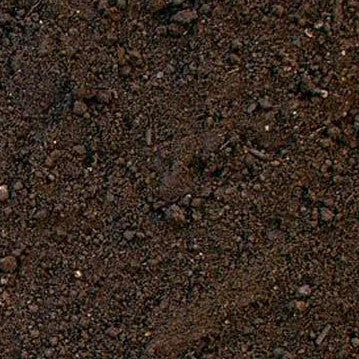
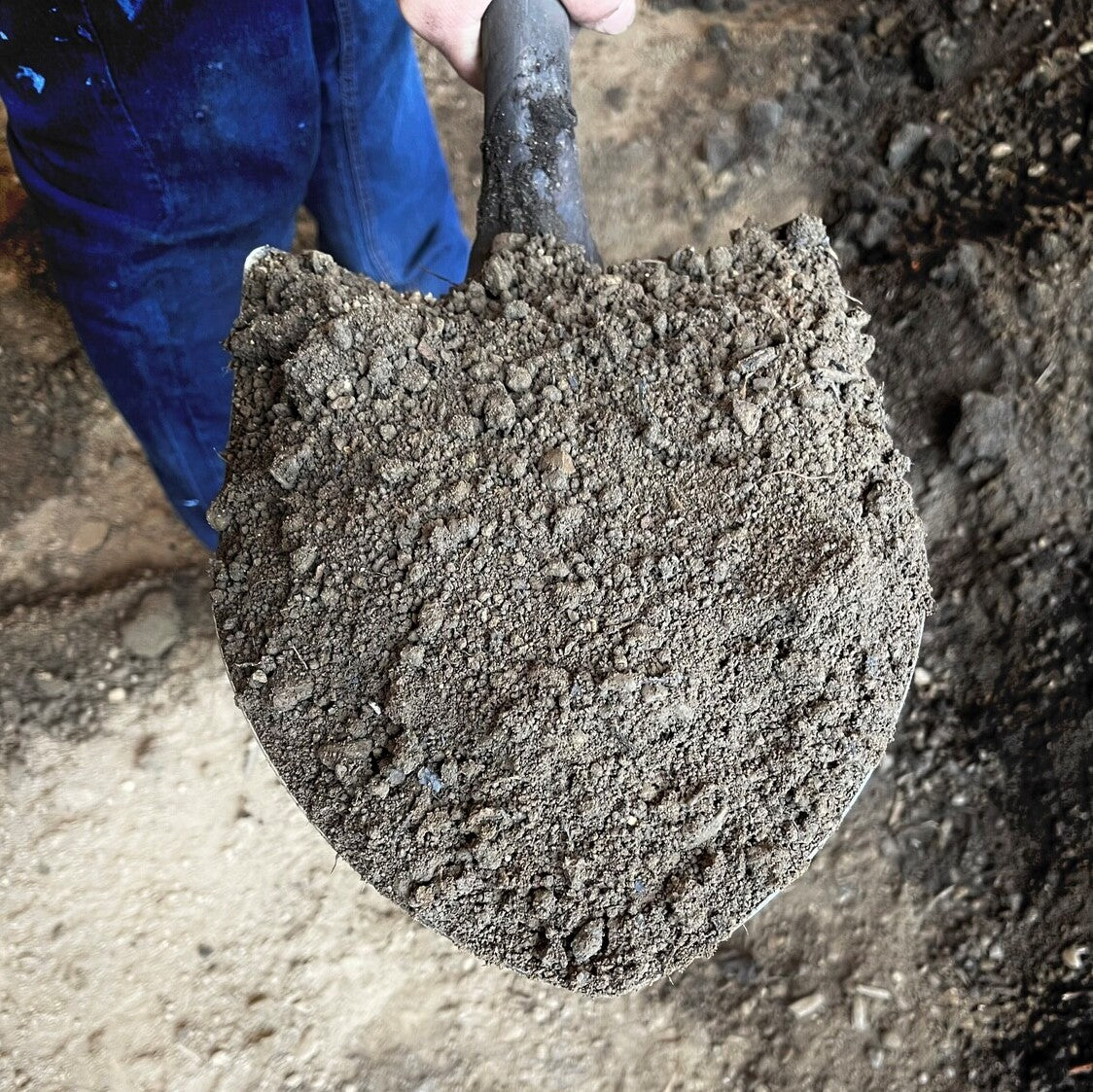
Quality topsoil for lawns, gardens, and landscape projects. Nutrient rich and ready to support strong root development and healthy plant establishment.
My experience with Mulch Mound was great and super easy. I ordered two yards of screened topsoil and was able to get it delivered within 2 days. They came in my requested time frame (afternoon) and dropped it off where I asked on my driveway. The topsoil was exactly what was a...
Tell us what you're looking for
Thanks! We received your request.
Something went wrong. Please try again.
How Much Material Do I Need?
For topdressing Rutland lawns recovering from winter freeze-thaw disruption, 1 to 2 inches is the standard starting depth, while new garden beds or raised bed fills require 8 to 12 inches of quality topsoil to create a productive growing zone above the glacial till. Ordering in bulk cubic yards is almost always more economical than bags when dealing with the volume that real grade correction or bed building requires.
Use our free soil calculator
What is a yard?
A yard is approximately 27 cubic feet. As a general guideline, one yard of material can cover an area of about 100-160 square feet at a 2-3 inch depth.
We can't take orders for this right now. Tell us what you need and we'll get back to you.
What do you need?
Thanks! We received your request.
Something went wrong. Please try again.
Hand-picked local yards
4,000+ regional deliveries
Dedicated support
Why order through Mulch Mound
The best local soil, without the guesswork.
We hand-pick and partner with the best yards in your region, keep only the ones our buyers rate well, and back each load with our guarantee.
Mulch Mound Guarantee
If your soil isn't the quantity or quality you ordered, we'll make it right.
About this soil
Quality topsoil for lawns, gardens, and landscape projects. Nutrient rich and ready to support strong root development and healthy plant establishment.
My experience with Mulch Mound was great and super easy. I ordered two yards of screened topsoil and was able to get it delivered within 2 days. They came in my requested time frame (afternoon) and dropped it off where I asked on my driveway. The topsoil was exactly what was a...
How Much Material Do I Need?
For topdressing Rutland lawns recovering from winter freeze-thaw disruption, 1 to 2 inches is the standard starting depth, while new garden beds or raised bed fills require 8 to 12 inches of quality topsoil to create a productive growing zone above the glacial till. Ordering in bulk cubic yards is almost always more economical than bags when dealing with the volume that real grade correction or bed building requires.
Use our free soil calculator
What is a yard?
A yard is approximately 27 cubic feet. As a general guideline, one yard of material can cover an area of about 100-160 square feet at a 2-3 inch depth.
My experience with Mulch Mound was great and super easy. I ordered two yards of screened topsoil and was able to get it delivered within 2 days. Th...
Read full review
My experience with Mulch Mound was great and super easy. I ordered two yards of screened topsoil and was able to get it delivered within 2 days. They came in my requested time frame (afternoon) and dropped it off where I asked on my driveway. The topsoil was exactly what was advertised, clean with no rocks or other debris. The price was reasonable. I plan to use them again in a couple weeks to order compost for my garden beds.
Measure your project area in feet, multiply length by width for square footage, and then decide on your target depth, typically 2 inches for topdressing and 6 to 12 inches for new beds or grade corrections in Rutland. Divide the total cubic feet by 27 to convert to cubic yards for ordering. In Rutland's spring conditions, ordering slightly more than your calculation suggests is wise because till-heavy ground often reveals more low spots once you begin spreading and grading.
Soil Types We Deliver in Rutland
Rutland homeowners and landscapers rely on quality bulk soil to build up yards, fill raised beds, and establish healthy plantings across Vermont's rocky, clay-heavy terrain. We make it easy to order bulk topsoil by the yard in Rutland, with delivery straight to your driveway or job site. Whether you are refreshing a lawn or starting a new garden from scratch, we bring the right material right to you.
Screened Top Soil
Our screened topsoil is finely processed to remove rocks, roots, and debris, making it ideal for Vermont lawns and garden beds that often sit above compacted or stony subsoil. Nutrient rich and ready to use, it supports strong root development and healthy plant establishment across a wide range of landscaping projects.
Complete Your Outdoor Soil Project
After placing your topsoil, consider adding a layer of mulch over garden beds to retain the moisture your new soil needs during Rutland's uneven summer rain patterns. Bordering your project with decorative stone also helps define edges and prevents topsoil migration after the heavy spring rains that Rutland's 43-inch annual rainfall delivers.
Why does my Rutland lawn always have low spots and thin grass?
Glacial till settles unevenly over time, especially after the repeated freeze-thaw cycles that Rutland sees each spring at 646 feet of elevation. Low spots collect water, compact further, and thin out grass quickly without intervention. Topdressing those areas with screened topsoil and overseeding in late August, well before the September 21 frost window, gives grass time to establish before winter arrives.
Answer
Can I use bulk topsoil to build raised garden beds in my Rutland yard?
Raised beds filled with quality screened topsoil are one of the most practical approaches to gardening on Rutland's glacial till, because they let you grow in a controlled medium entirely above the native compacted layer. Aim for at least 12 inches of depth for vegetables and 8 inches for herbs, giving roots room to develop without ever encountering the dense till below.
Answer
How do I know if my soil needs amending versus replacing entirely?
If your Rutland beds have a few inches of workable dark soil above the till layer, amendment with compost and screened topsoil may be sufficient to get results. But if you are digging into grey or tan compacted material within 2 to 3 inches of the surface, which is common on disturbed lots throughout Rutland, a proper topsoil fill is usually the more effective and lasting starting point.
Answer
When should I schedule topsoil delivery in Rutland?
The most useful delivery windows in Rutland are late May through June after the last frost passes around May 22, and again in late August for fall lawn repair before the September 21 frost date. Avoid scheduling delivery when the ground is saturated from Rutland's spring snowmelt, as heavy loads on soft till can rut lawns and compact the very soil you are trying to improve.
Answer
How much topsoil do I need to fix a grade or low-spot problem in my Rutland lawn?
For general topdressing and low-spot correction, 1 to 2 inches of screened topsoil spread over the affected area is usually sufficient, which works out to roughly 0.3 to 0.6 cubic yards per 100 square feet. For more significant grade corrections where water is pooling due to settled glacial till, you may need 4 to 6 inches of fill in the lowest sections before grading and seeding.
Answer
Will adding topsoil actually help with drainage problems in my Rutland yard?
Screened topsoil with a balanced texture improves drainage over compacted glacial till by giving water a more porous medium to move through rather than sitting on the dense, clay-heavy till surface. For serious drainage problems in Rutland yards, pairing topsoil with a gravel base layer or a French drain installation is usually necessary to manage the full volume of water that 43 inches of annual rainfall can deliver.
Answer
Is your topsoil screened and safe for vegetable gardens in Rutland?
Our screened topsoil is processed to remove rocks, debris, and clumps that are common when working with Vermont material, making it suitable for raised beds and vegetable gardens throughout Rutland. For edible gardens, pairing the topsoil with a compost amendment further boosts nutrient content, which is especially important here where the native glacial till below provides virtually no baseline fertility on its own.
Mulch Mound Pro Tip
Do not work Rutland soil when it is saturated, which is a real temptation in May when homeowners are eager to start planting after a long Vermont winter. Digging or tilling wet glacial till destroys its already limited structure and creates dense clods that dry into rock-hard chunks. Wait until the soil passes the squeeze test, crumbling apart rather than forming a sticky ball, before working new topsoil into existing beds or spreading fill.
Mulch Mound Pro Tip
Rutland's freeze-thaw cycles between late September and early May tend to push soil upward and create an uneven lawn surface that sheds water inconsistently across low and high spots. Spread a thin layer of screened topsoil over heaved and settled areas each spring once the ground has fully thawed, typically by late April or early May. Light raking and overseeding in the same pass gives you a level, seed-ready surface before the growing season's main push begins.
Mulch Mound Pro Tip
Building raised beds above Rutland's glacial till is often the fastest path to a productive vegetable garden because it bypasses the native soil's compaction and low fertility entirely. Fill beds with a screened topsoil and compost blend and you can start planting on your schedule rather than waiting for the till below to warm and dry. Zone 5a growing windows are short enough that starting with good soil from day one is not a luxury, it is a practical necessity for real harvests.
The Unique Landscape of Rutland
Rutland sits on a foundation of glacial till, a dense mix of clay, silt, sand, and gravel deposited by retreating glaciers that drains poorly, compacts easily, and offers limited natural fertility for lawns and garden beds. When homeowners try to establish new planting areas or repair thin lawn sections without amending the native soil, the results are often disappointing because the till profile simply does not support healthy root development on its own. Brought-in screened topsoil gives Rutland landscapes the workable, nutrient-present growing medium that the native ground rarely provides. With the growing season compressed between a last frost around May 22 and a first frost as early as September 21, plants need productive soil from day one rather than spending energy fighting through compacted till. At 646 feet of elevation, Rutland also experiences meaningful freeze-thaw cycles each spring that further disrupt surface soil structure, making a quality topdress or bed fill a practical investment each season. Whether you are building raised beds, grading low spots, or refreshing a tired lawn, screened topsoil is the foundation that makes every other landscaping effort actually work in this climate.