




Good quality top soil and was delivered exactly where I wanted it. Nice Job!
About this soil
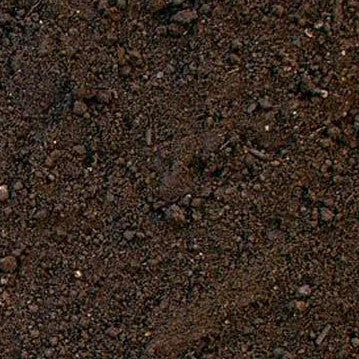
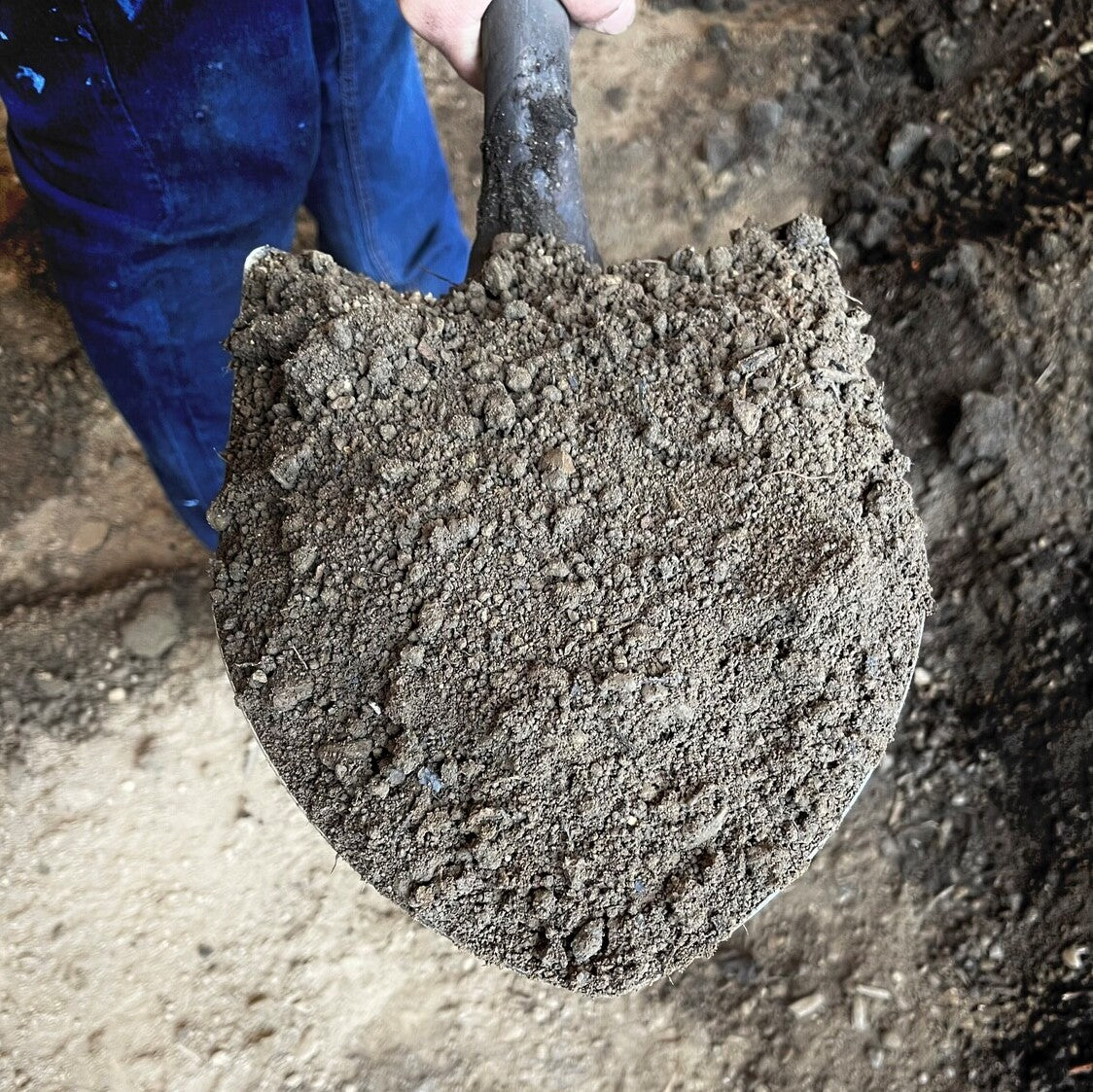
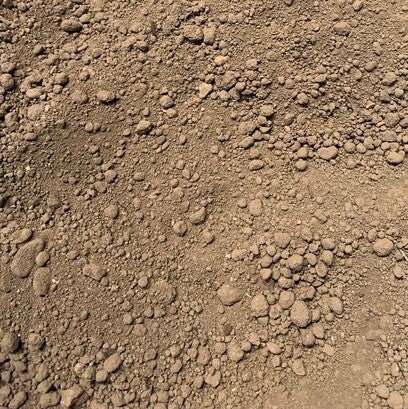
Screened topsoil with a fine, even texture. Ideal for new lawns, sod prep, and raised garden beds.
Good quality top soil and was delivered exactly where I wanted it. Nice Job!
Tell us what you're looking for
Thanks! We received your request.
Something went wrong. Please try again.
How Much Material Do I Need?
How Much Material Do I Need?
Raised beds in Sacramento typically need 12 to 18 inches of bulk soil to give roots enough room to stay cool and moist through the summer. For topdressing existing lawn areas or shallow grading projects, 2 to 4 inches is usually sufficient to level the surface without smothering existing turf.
Use our free soil calculator
What is a Yard?
What is a Yard?
FAQs
FAQs
Sacramento Soil Delivery
Sacramento Soil Delivery
Regular price
$83.00
per
Yard
Regular price
Sale price
$83.00
Unit price
per
Shipping calculated at checkout.
Minimum of 3 Yard
Couldn't load pickup availability
Not currently available
We can't take orders for this right now. Tell us what you need and we'll get back to you.
Hand-picked local yards
4,000+ regional deliveries
Dedicated support
Why order through Mulch Mound
The best local , without the guesswork.
We hand-pick and partner with the best yards in your region, keep only the ones our buyers rate well, and back each load with our guarantee.
Mulch Mound Guarantee
If your isn't the quantity or quality you ordered, we'll make it right.
About this soil
Screened topsoil with a fine, even texture. Ideal for new lawns, sod prep, and raised garden beds.
Good quality top soil and was delivered exactly where I wanted it. Nice Job!
How Much Material Do I Need?
How Much Material Do I Need?
Raised beds in Sacramento typically need 12 to 18 inches of bulk soil to give roots enough room to stay cool and moist through the summer. For topdressing existing lawn areas or shallow grading projects, 2 to 4 inches is usually sufficient to level the surface without smothering existing turf.
Use our free soil calculator
What is a Yard?
What is a Yard?
FAQs
FAQs
Tell us what you're looking for
Thanks! We received your request.
Something went wrong. Please try again.
How It Works
Getting started is easy — just follow these simple steps
1
Choose your soil
Make sure you adjust the quantity to your home's needs. You can use our calculator to estimate how much you'll need.
2
Select your delivery date
Select a delivery date you'd like for the product to be dropped off at your home
3
Sit back and wait
Sit back, wait, and let us work our magic to make sure the highest quality product is delivered to your driveway.

Online ordering was really simple and I liked the transparent pricing.

Easy to order, great service, and great product. We enjoy the final look of a very neglected beds we inherited!
Need Help Calculating How Much Soil You Need?
Use our NEW Trace from Satellite tool to get an estimate for your project based on an aerial view of your property
Try Our CalculatorTo fill a raised bed, multiply the length by the width by the depth in feet to get cubic feet, then divide by 27 to convert to cubic yards. A standard 4-by-8-foot raised bed filled to 12 inches deep needs just under 1.2 cubic yards of soil. Ordering slightly more than your calculation suggests is always smart since bulk material can settle 10 to 15 percent after delivery and watering.
Complete Your Outdoor Soil Project
Pairing bulk soil with a layer of shredded hardwood mulch on top of your planting beds dramatically reduces evaporation during Sacramento's dry months and slows the surface from crusting over. If you are building pathways or borders alongside your new beds, decomposed granite makes a durable and attractive low-maintenance complement.
Service area
Areas we deliver soil in Sacramento, California
Mulch Mound Pro Tip
Sacramento's frost-free growing window runs from approximately February 7 through December 1, which is long enough to run two full vegetable garden cycles in the same beds. To keep that up, your soil needs to stay biologically active and nutritionally replenished. Top-dressing with an inch of compost between your spring and fall plantings is the fastest way to recharge a raised bed without fully replacing the soil.
Mulch Mound Pro Tip
Clay loam soil throughout the Sacramento region tends to become hydrophobic after extended dry periods, meaning water beads on the surface and runs off rather than soaking in. If you are adding bulk soil adjacent to existing native clay, till the transition zone between the two layers so water can move freely between them. A sharp boundary between your new soil and the old clay beneath it can actually create a perched water table that drowns roots during winter rains.
Mulch Mound Pro Tip
For new lawn installations in Sacramento, the difference between a lawn that survives the summer and one that struggles often comes down to soil preparation depth. Rototilling 6 inches of quality topsoil into your existing clay loam before seeding gives grass roots enough loose material to establish before July heat arrives. Shallow soil preparation produces shallow roots, and shallow-rooted lawns in Sacramento require far more frequent irrigation to stay green through August and September.
The Unique Landscape of Sacramento
Sacramento's native clay loam soil is a double-edged resource: it holds nutrients well but can become so compacted and dense that plant roots simply cannot establish themselves during the critical spring and fall growing windows. When you are starting raised beds, amending existing beds, or grading a new lawn area, bringing in quality bulk soil gives you control over what your plants are actually growing in. The city's long dry season means that soil quality has an outsized impact on how plants perform, since there is no summer rainfall to carry nutrients down to struggling roots. Growing Zone 9b also means Sacramento gardeners can grow a wider range of vegetables and ornamentals than most California cities, and giving those plants the right soil foundation unlocks that potential. Bulk soil delivery makes it practical to do the job at the scale that actually moves the needle in a Sacramento yard.