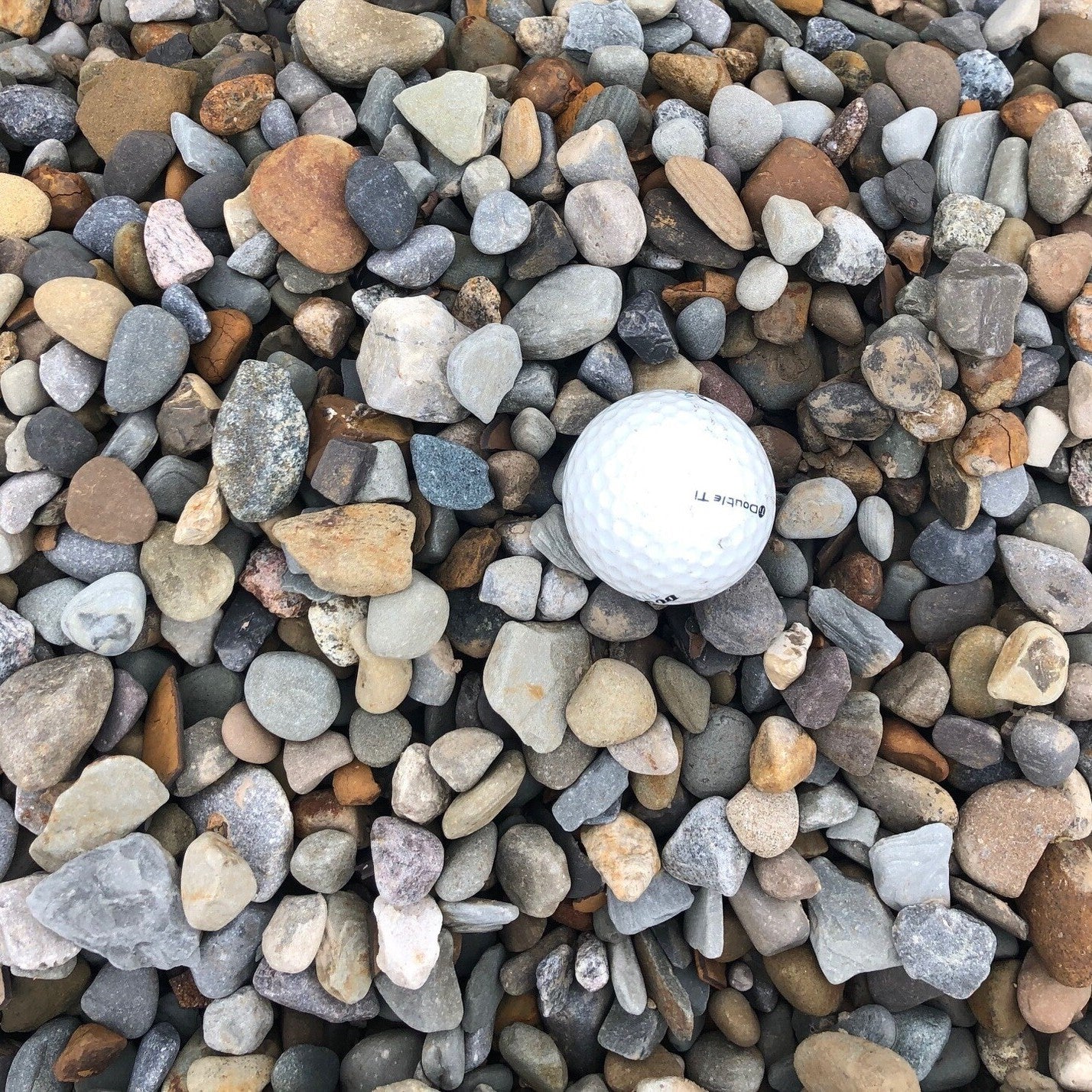
Number 57 crushed stone, angular limestone graded to about three quarters of an inch. The standard driveway, base and drainage gravel, it locks together under traffic and drains fast.
Mulch Mound delivered a yard of pea gravel to us. Delivery was on time, driver was friendly and hit a bullseye on the “tarp target”. We used the pea gravel (which was diameter as specified) to fill several muskrat holes around our pond. I would definitely recommend Mulch Mo...
Tell us what you're looking for
Thanks! We received your request.
Something went wrong. Please try again.
How Much Material Do I Need?
Plan for 2 to 3 inches of decorative stone depth for garden beds and borders in Salina, and 4 inches minimum for any pathway or driveway application that will see foot or vehicle traffic. Drainage channels and dry creek beds generally work best with 4 to 6 inches of stone to handle the volume of water that moves through during a central Kansas rain event.
Use our free gravel calculator
What is a Yard?
A yard is approximately 27 cubic feet. As a general guideline, one yard of material can cover an area of about 100-160 square feet at a 2-3 inch depth.
We can't take orders for this right now. Tell us what you need and we'll get back to you.
What do you need?
Thanks! We received your request.
Something went wrong. Please try again.
Hand-picked local yards
4,000+ regional deliveries
Dedicated support
Why order through Mulch Mound
The best local , without the guesswork.
We hand-pick and partner with the best yards in your region, keep only the ones our buyers rate well, and back each load with our guarantee.
Mulch Mound Guarantee
If your isn't the quantity or quality you ordered, we'll make it right.
About this stone
Number 57 crushed stone, angular limestone graded to about three quarters of an inch. The standard driveway, base and drainage gravel, it locks together under traffic and drains fast.
Mulch Mound delivered a yard of pea gravel to us. Delivery was on time, driver was friendly and hit a bullseye on the “tarp target”. We used the pea gravel (which was diameter as specified) to fill several muskrat holes around our pond. I would definitely recommend Mulch Mo...
How Much Material Do I Need?
Plan for 2 to 3 inches of decorative stone depth for garden beds and borders in Salina, and 4 inches minimum for any pathway or driveway application that will see foot or vehicle traffic. Drainage channels and dry creek beds generally work best with 4 to 6 inches of stone to handle the volume of water that moves through during a central Kansas rain event.
Use our free gravel calculator
What is a Yard?
A yard is approximately 27 cubic feet. As a general guideline, one yard of material can cover an area of about 100-160 square feet at a 2-3 inch depth.
Mulch Mound delivered a yard of pea gravel to us. Delivery was on time, driver was friendly and hit a bullseye on the “tarp target”. We used the ...
Read full review
Mulch Mound delivered a yard of pea gravel to us. Delivery was on time, driver was friendly and hit a bullseye on the “tarp target”. We used the pea gravel (which was diameter as specified) to fill several muskrat holes around our pond. I would definitely recommend Mulch Mound to a friend!
Stone coverage varies by rock size and shape, so measure your project area carefully before calculating your order. For irregular spaces like curved garden borders or natural creek beds, break the area into rough rectangles and add the sections together for a total square footage estimate. A 2 to 3 inch depth is standard for most decorative applications in Salina, while drainage and pathway projects often need 4 inches or more to perform correctly.
Complete Your Outdoor Stone Project
Consider ordering landscape fabric or edging materials alongside your stone to complete the installation properly and prevent the common problem of stone migration into lawn areas over time. If your project involves a new planting area adjacent to the stone border, a topsoil or garden soil delivery can be scheduled at the same time to get both parts of the project done in one efficient effort.
Salina gets significant freeze and thaw movement in the soil between November and March, and this cycling can gradually push larger stones up and out of position or cause edging borders to heave and shift. Before you install any permanent stone feature, compact the base soil firmly and add a layer of compactable gravel base material below your decorative stone. This stable base layer absorbs the freeze and thaw movement and keeps your finished surface looking level through multiple Kansas winters.
Mulch Mound Pro Tip
Central Kansas wind is relentless, especially in spring, and it carries dust and fine soil particles that gradually settle into decorative stone beds and create a growing medium for weeds. Install landscape fabric under any stone application and plan to blow or rinse the stone surface once a year to remove sediment buildup before it becomes deep enough to support weed growth. Catching this early each spring in Salina is far easier than dealing with weeds that have rooted down through a season worth of accumulated soil.
Mulch Mound Pro Tip
If you are using stone for a drainage solution in a Salina yard that experiences standing water after heavy rain, grade the ground surface before you install any rock. Stone alone does not fix a drainage problem if the underlying soil surface does not slope away from the problem area. Even a gentle slope of 1 inch of drop per 8 feet of run is enough to move water reliably. Combine that grading with a dry creek bed of river rock and you have a solution that handles Salina's most intense spring rain events without backing up.
The Unique Landscape of Salina
Decorative and functional stone is one of the best long-term landscape investments a Salina homeowner can make given the city's demanding climate conditions. Unlike organic materials that break down under central Kansas sun and heat, stone holds its color, structure, and position through summer temperatures in the 90s, fall windstorms, and the freeze and thaw cycles that hit between November and March. Salina's 31 inches of annual rainfall arrives unpredictably, and stone pathways, dry creek beds, and erosion control applications protect yard surfaces from the kind of washout that leaves silty clay loam soil in piles at the low end of the yard after a heavy storm. Stone also dramatically reduces the long-term maintenance burden in exposed areas where mulch would need annual replacement and grass struggles to grow consistently. The natural tones of limestone, river rock, and crushed gravel complement the open, earth-toned landscape character of the Kansas plains in a way that feels intentional rather than imported. Whether you are building a functional drainage solution or a decorative accent, bulk stone delivery in Salina gives you the volume to do the job properly the first time.
Frequently Asked Questions
Click a question to see the answer
Answer
What type of stone works best for a dry creek bed to handle drainage in my Salina backyard?
River rock in the 2 to 4 inch size range is the most practical choice for a dry creek bed in Salina. It is heavy enough to stay in place during heavy spring rain events but rounded enough to allow water to flow through without creating dams or backups. The smooth surface also looks natural in a Kansas landscape setting and requires almost no maintenance once it is installed. Line the channel with landscape fabric first to keep the native silty clay loam from migrating up into the rock layer over time.
Answer
Will stone mulch help with the intense heat in my west-facing beds here in Salina?
This is an important consideration for Salina yards. West-facing beds absorb direct afternoon sun for hours during a Kansas summer, and some stone types, particularly dark or black decorative rock, can absorb and radiate enough heat to stress plant roots. For west-facing beds, lighter-colored options like natural limestone gravel or tan river rock are better choices because they reflect more heat than they absorb. Pair stone mulch in these areas with deep-watering plants that are rated for zone 6b heat tolerance.
Answer
How deep does gravel need to be for a driveway or parking pad in Salina?
For a functional gravel driveway or parking area in Salina, 4 inches of compacted crushed stone is the standard minimum depth. On top of the native silty clay loam soil, which can shift and heave through freeze and thaw cycles, a 4 inch base keeps the surface stable and prevents the deep ruts that form when vehicles repeatedly cross a shallow layer. Starting with 6 inches gives you more durability and longer intervals between top-off applications.
Answer
How do I keep my decorative stone from sinking into my Salina yard over time?
Stone sinking into silty clay loam soil is a common issue in Salina because the clay particles compact and shift around rock over time, especially after heavy rain softens the surface. The solution is always to install landscape fabric or a weed barrier underneath before laying any decorative stone. This fabric separates the stone from the soil, prevents migration in both directions, and makes it much easier to refresh the stone surface years later without digging through a mud and rock mix.
Answer
What is the best stone for a pathway in a Salina garden?
Pea gravel is a popular and practical pathway material in Salina gardens because it is comfortable underfoot, drains quickly after rain, and holds its color well in full Kansas sun. For a more formal look, crushed limestone compacts into a firm, stable surface that does not shift as much when you walk on it. If your pathway connects to a lawn area, use a solid edging border to keep either material from spreading into the grass during mowing.
Answer
Can I use stone around my foundation to help with drainage and pest control here in Salina?
Yes, a 6 to 12 inch band of crushed gravel or river rock around the foundation perimeter is a smart choice for Salina homes. It creates a drainage zone that moves water away from the foundation faster than soil or mulch would, which matters during Salina's heavy spring rain periods. Stone foundation borders also reduce the moisture that attracts insects at the soil line, and they eliminate the decomposing organic material that some pests use as harborage. Keep a small gap between the stone and any wood siding or trim.
Answer
How many tons of stone do I need for my project and how do I figure that out?
Stone is measured by weight rather than volume, and the conversion depends on the type of rock. As a general rule, 1 ton of average decorative stone covers about 70 to 80 square feet at a 2 to 3 inch depth. Measure your project area in square feet using length times width, decide on your target depth, and use our calculator to translate that into a tonnage estimate. When in doubt, round up slightly because running short on stone mid-project means waiting for a second delivery.
Answer
Is there a stone yard near Salina?
Edging a flower bed or lining a drainage path against those freeze and thaw cycles is a typical Salina stone project, and the crushed stone for it arrives at your driveway instead of requiring a trip to a stone yard. You order online by the cubic yard and we drop it where you want it. There is no need to visit a quarry or load anything yourself.