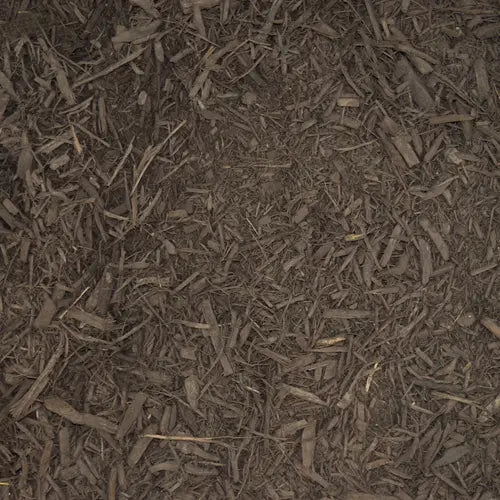
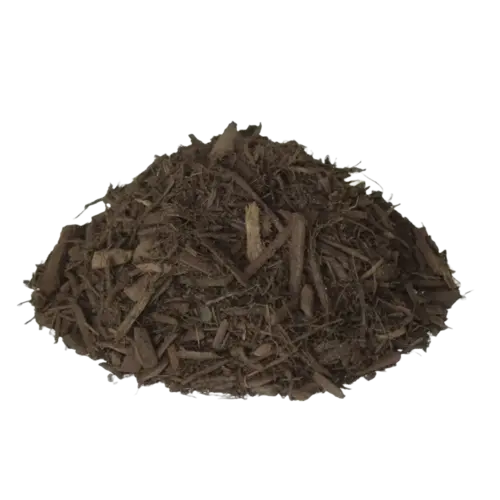
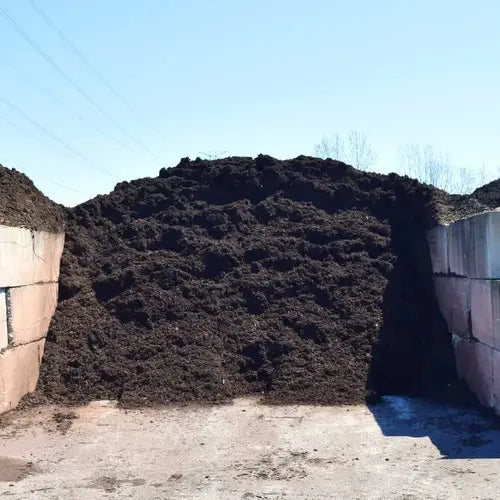
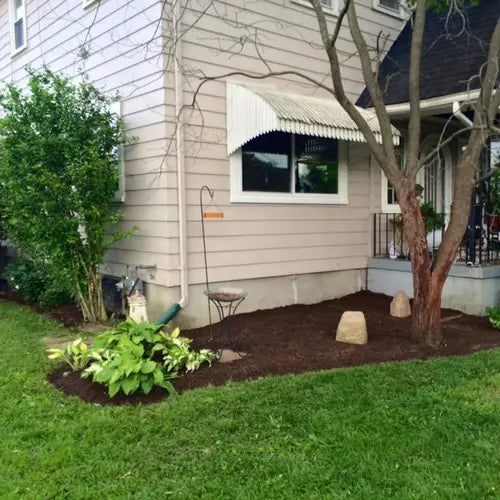
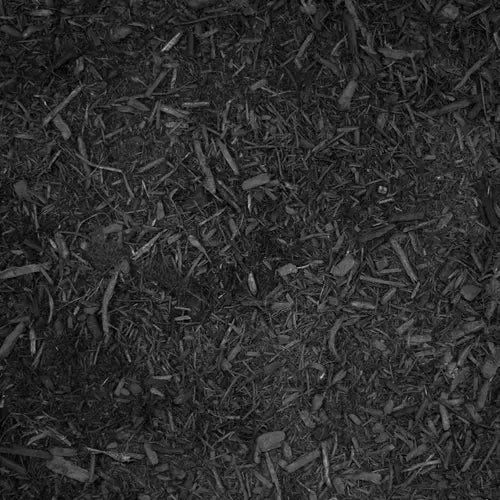
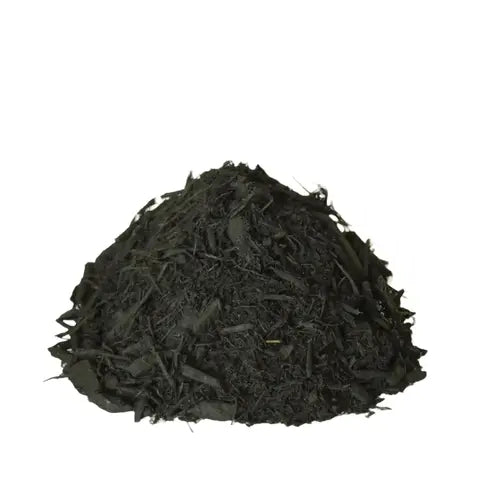
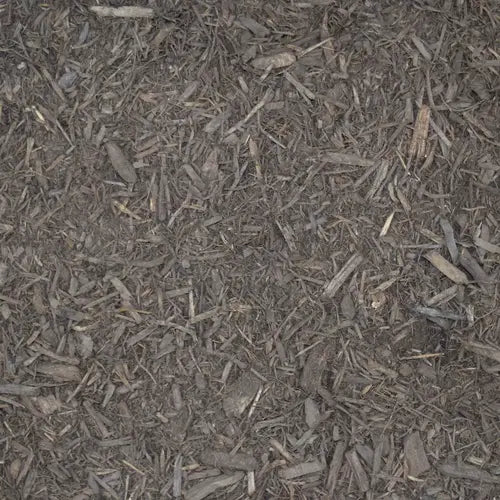
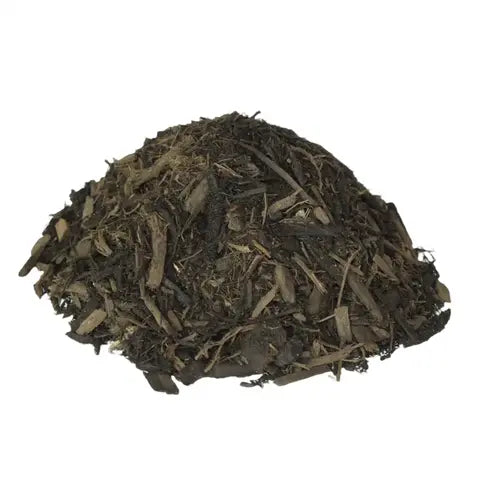
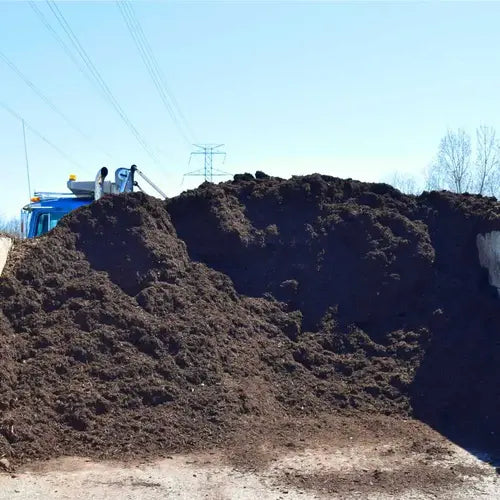
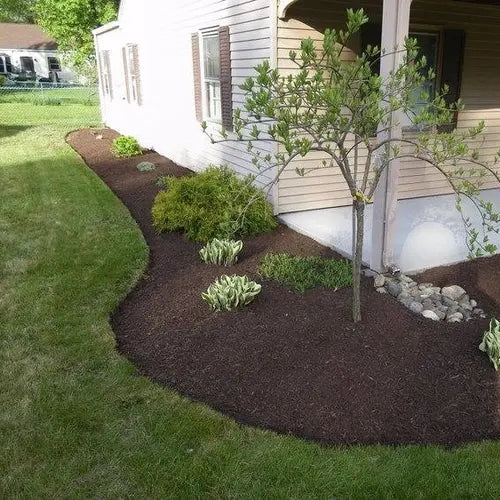
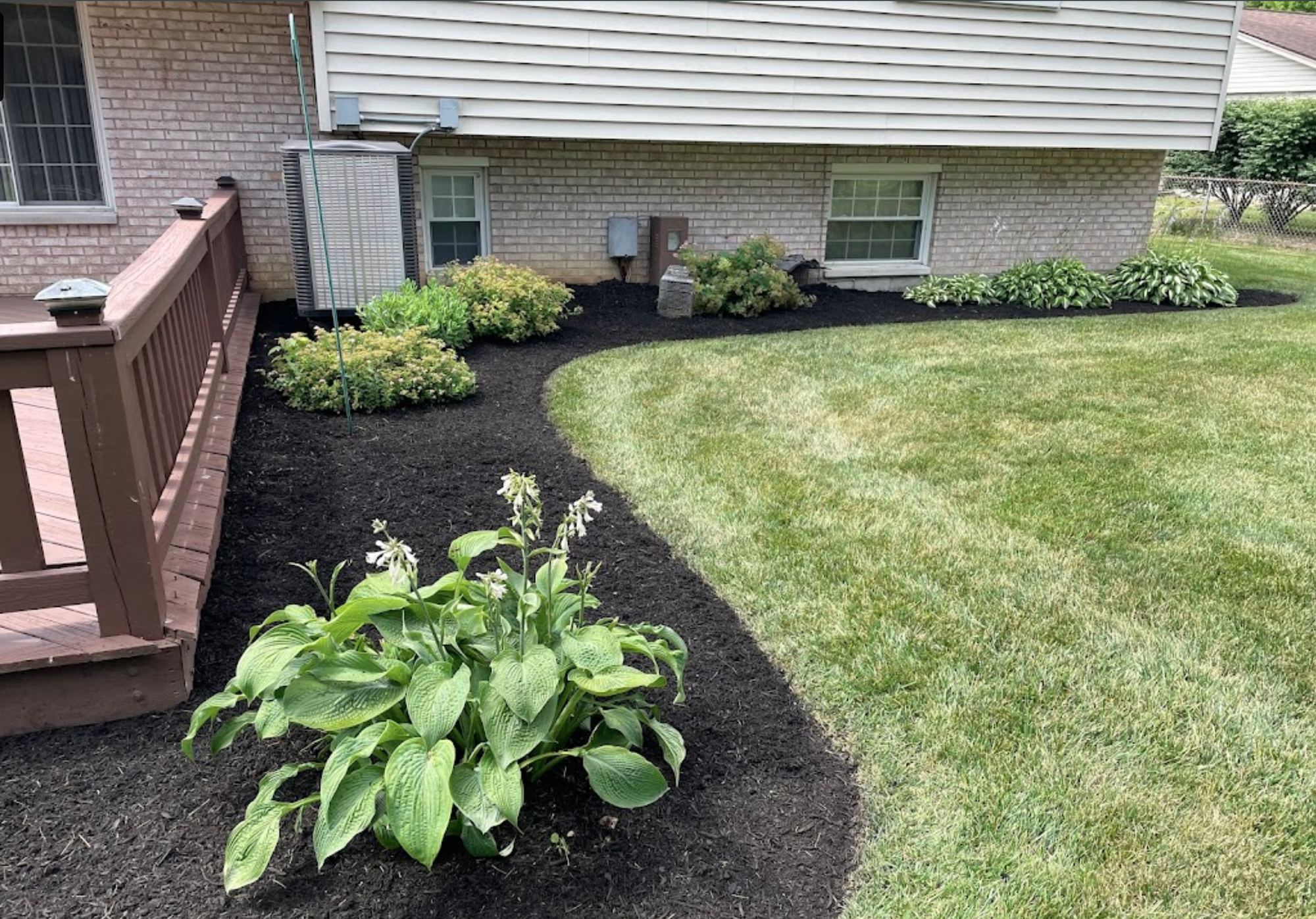
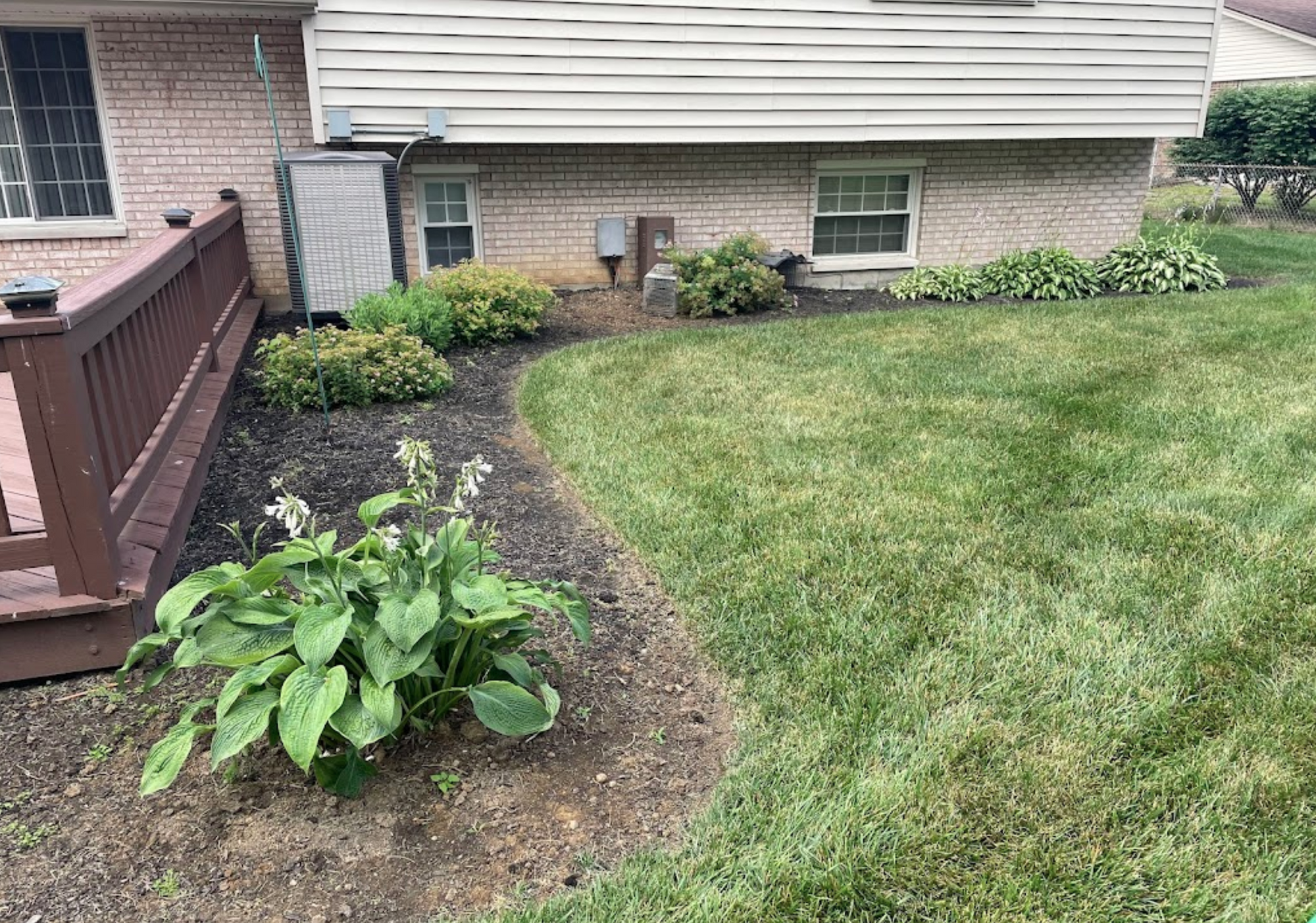
Warm brown double shredded mulch with lasting color that looks freshly applied for weeks. Spreads smooth, stays put, and gives beds a natural, polished appearance.
Delivery was on time and great quality Mulch. Got it done in a reasonable time and yard looks great. Couldn’t be happier!!! Thank you and will use again!!
Tell us what you're looking for
Thanks! We received your request.
Something went wrong. Please try again.
How Much Material Do I Need?
San Angelo's clay loam soil benefits most from a 3 to 4 inch mulch layer, which is enough to suppress weeds and retain moisture through extended dry periods without smothering plant roots. Avoid piling mulch directly against plant stems, especially in microclimates around the home where summer humidity can occasionally spike and encourage rot.
Use our free mulch calculator
What is a yard?
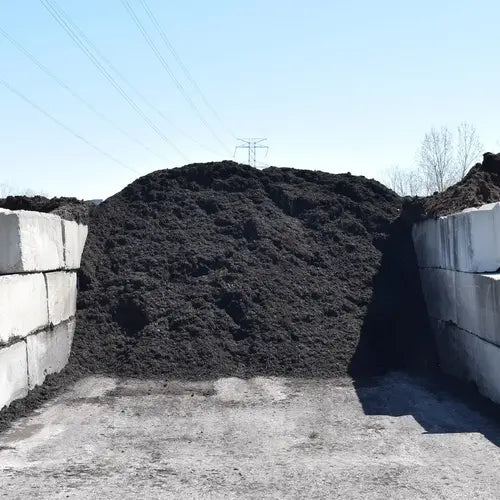
A yard is approximately 27 cubic feet. As a general guideline, one yard of material can cover an area of about 100-160 square feet at a 2-3 inch depth.
We can't take orders for this right now. Tell us what you need and we'll get back to you.
What do you need?
Thanks! We received your request.
Something went wrong. Please try again.
Hand-picked local yards
4,000+ regional deliveries
Dedicated support
Why order through Mulch Mound
The best local mulch, without the guesswork.
We hand-pick and partner with the best yards in your region, keep only the ones our buyers rate well, and back each load with our guarantee.
Mulch Mound Guarantee
If your mulch isn't the quantity or quality you ordered, we'll make it right.
About this mulch
Warm brown double shredded mulch with lasting color that looks freshly applied for weeks. Spreads smooth, stays put, and gives beds a natural, polished appearance.
Delivery was on time and great quality Mulch. Got it done in a reasonable time and yard looks great. Couldn’t be happier!!! Thank you and will use again!!
How Much Material Do I Need?
San Angelo's clay loam soil benefits most from a 3 to 4 inch mulch layer, which is enough to suppress weeds and retain moisture through extended dry periods without smothering plant roots. Avoid piling mulch directly against plant stems, especially in microclimates around the home where summer humidity can occasionally spike and encourage rot.
Use our free mulch calculator
What is a yard?
A yard is approximately 27 cubic feet. As a general guideline, one yard of material can cover an area of about 100-160 square feet at a 2-3 inch depth.
Delivery was on time and great quality Mulch. Got it done in a reasonable time and yard looks great. Couldn’t be happier!!! Thank you and will us...
Read full review
Delivery was on time and great quality Mulch. Got it done in a reasonable time and yard looks great. Couldn’t be happier!!! Thank you and will use again!!
Mulch Mound delivered a yard of pea gravel to us. Delivery was on time, driver was friendly and hit a bullseye on the “tarp target”. We used the ...
Read full review
Mulch Mound delivered a yard of pea gravel to us. Delivery was on time, driver was friendly and hit a bullseye on the “tarp target”. We used the pea gravel (which was diameter as specified) to fill several muskrat holes around our pond. I would definitely recommend Mulch Mound to a friend!
I can’t say enough good things about Mulch Mound! If you read my review below you will see I had a problem with my order. Mulch Mou...
Read full review
UPDATE!
I can’t say enough good things about Mulch Mound! If you read my review below you will see I had a problem with my order. Mulch Mound was quick to respond and solved the issue with my delivery. Will definitely be a customer next year.
First time purchase from Mulch Mound!! First what I liked! Easy to order online and straight forward pricing and delivery. The driver was on time and courteous and delivered my Mulch exactly where I requested! The product is of good quality and comparable to others I have purchased from before. Now what I DID’NT LIKE! I have been mulching the same house and yard for almost 20 years. I always order the same amount and don’t have any issues with covering the same area but this year I fell about a yard short. I was home when the mulch was delivered and when the driver dumped it I noticed that it seemed a bit less than I was used to. I didn’t apply it any thicker than usual and probably a bit thinner than usual because I was worried about running out.
Measure each bed by multiplying its length and width in feet, then plan for 3 to 4 inches of mulch depth given San Angelo's intense summer heat and limited 21 inches of annual rainfall. A thicker layer keeps soil moisture from evaporating too quickly during the extended dry spells that are a regular part of West Texas weather patterns. Enter your square footage and desired depth into our calculator to get an accurate cubic yard estimate before placing your order.
Mulch vs. No Mulch: The Difference
San Angelo's intense UV exposure and long growing season affect natural and dyed mulch very differently from one another. Natural hardwood mulch fades to a weathered gray within one season under the West Texas sun but continues to break down and gradually improve the clay loam soil below. Dyed mulch holds its rich color much longer under San Angelo's direct sunlight, making it a practical choice for high-visibility front yard areas where appearance matters throughout the full growing season.
Before
After
Best Mulch Choice for San Angelo Lawns
Most yards in the San Angelo area sit on Clay Loam type of soil. San Angelo's clay loam soil becomes dense and oxygen-poor as it compacts under repeated cycles of heat and drying, which makes it increasingly difficult for plant roots to establish and for water to move through planting beds. Adding organic mulch on top helps break this cycle by introducing decomposing material at the soil surface that gradually improves structure with each passing season.
Hardwood Mulch
Hardwood mulch is particularly valuable in San Angelo's clay loam conditions because as it decomposes it releases organic matter that helps separate clay particles and improve soil aggregation over time. This slow process builds drainage capacity and aeration in beds that would otherwise stay compacted and waterlogged after the occasional heavy rain event that delivers significant rainfall in a short period.
Mulch Types We Deliver in San Angelo
Mulch Mound delivers bulk mulch by the cubic yard to properties throughout the region. Whether you are refreshing foundation beds or covering a large xeriscape layout, bulk mulch delivery in San Angelo saves time and haul fees on bigger jobs. We carry a focused selection of quality varieties suited to the intense West Texas sun and the caliche soils common in this part of Texas.
Dyed Black Mulch
Dyed black double shredded mulch makes a bold contrast against the pale soils and drought tolerant plants common in West Texas yards. The rich color holds through intense summer heat and occasional heavy downpours, and the smooth double shredded texture spreads cleanly across beds of any size.
Dyed Brown Mulch
Warm brown double shredded mulch blends naturally with the earthy tones of West Texas landscapes, suiting ranch style homes with stone or stucco finishes particularly well. Long lasting dye keeps beds looking freshly tended through weeks of summer heat, and the fine texture stays put even on sloped ground.
Natural Brown Mulch
Natural brown double shredded mulch offers an undyed, honest look that fits the rugged character of West Texas outdoor spaces. The warm earthy tone comes straight from the wood itself, making it a good fit for native plant beds, vegetable gardens, and anyone who prefers a clean organic appearance without added color.
Complete Your Outdoor Mulch Project
Pair your mulch order with a bulk topsoil delivery to address the compaction and slow drainage common in San Angelo's native clay loam beds, or add decomposed granite or river rock along borders for a low-water accent that stands up to West Texas heat and wind without needing seasonal replacement.
San Angelo's clay loam soil forms a hard surface crust after dry spells, which causes even moderate rainfall to run off rather than soak in. Before spreading mulch, loosen the top 2 inches of soil with a cultivator and water the bed thoroughly. This ensures your mulch is sitting over moist, receptive soil rather than sealing dry, compacted ground that plant roots simply cannot access during the heat of summer.
Mulch Mound Pro Tip
San Angelo sits at roughly 1,900 feet of elevation and experiences strong wind events, particularly in spring and fall, that can scatter lightweight mulch materials across beds and driveways. Hardwood mulch with a larger chip size stays in place far better than finely shredded options during gusty periods. Keeping mulch at the full 4 inch depth also gives it enough mass to resist movement when the wind picks up across open West Texas terrain.
Mulch Mound Pro Tip
With only 21 inches of rain per year falling on San Angelo, timing your mulch application to capture existing soil moisture is critical. Applying fresh mulch in February or early March, just before the last frost date around March 15, lets the mulch trap whatever moisture the soil has held from winter and locks it in as the growing season begins. If you miss that window, water beds deeply before spreading so you are preserving moisture rather than sealing in dry ground.
Frequently Asked Questions
Click a question to see the answer
Answer
How deep should I apply mulch given San Angelo's intense heat and limited rainfall?
In San Angelo, a depth of 3 to 4 inches is recommended for most planting beds. The combination of intense summer heat and only 21 inches of annual rainfall means thinner layers dry out quickly and lose their ability to protect soil moisture. A deeper layer also slows the rapid decomposition that happens during long stretches of 90 to 100 degree weather common from June through September.
Answer
Will mulch break down faster here than in other parts of Texas?
San Angelo's long hot growing season, running from around March 15 to November 4, does accelerate organic mulch decomposition compared to cooler climates. However, the relatively low annual rainfall of 21 inches slows biological breakdown during the dry spells that frequently occur between rain events in West Texas. Most homeowners find that refreshing natural mulch once a year, typically in early spring before summer heat intensifies, keeps beds at optimal depth.
Answer
Can mulch help with the drainage problems I have in my clay loam soil?
Clay loam soil in San Angelo tends to shed water when it becomes dry and crusted, and mulch helps by slowing runoff and allowing moisture to penetrate the soil surface gradually. Over time, decomposing organic mulch adds structure to the soil below, which improves both drainage and water retention in beds. It will not correct severe drainage issues on its own, but it makes a meaningful difference in how effectively your beds absorb the rainfall you do receive.
Answer
Which mulch holds its color the longest under the West Texas sun?
Dyed or color-enhanced mulches are formulated to resist the UV fading that happens quickly under San Angelo's intense sun exposure throughout the long growing season. A quality dyed mulch can hold its color for a full season and often well beyond. Natural hardwood mulch will fade to a silvery gray over time, which is worth considering if curb appeal is a priority for your San Angelo property.
Answer
When is the best time of year to put down mulch in San Angelo?
Early spring, just after the last frost date around March 15, is the ideal time to apply mulch in San Angelo. Getting mulch down before temperatures start climbing helps lock in soil moisture from winter rains and protects roots as the growing season begins. A second application in late October before the November 4 first frost date insulates root zones through the coldest winter months.
Answer
Does mulch actually help during San Angelo's occasional hard freezes?
Yes, a 3 to 4 inch layer of mulch acts as meaningful insulation for root zones when freezing temperatures arrive in San Angelo after November 4. Clay loam soil loses heat fairly quickly during cold snaps, and having mulch in place before the first freeze helps moderate soil temperature swings and protects the roots of marginally hardy plants through Zone 8a winters. Pull mulch back slightly from plant crowns before hard freeze nights to prevent moisture buildup that can cause crown rot.
Answer
How much mulch do I need for a typical flower bed in my San Angelo front yard?
Measure the length and width of each bed in feet and multiply to get total square footage, then plan for 3 to 4 inches of depth. One cubic yard of mulch covers roughly 80 to 100 square feet at a 3 inch depth. Given San Angelo's dry conditions, erring toward the deeper end of that range gives you better moisture protection through the long summer stretch between significant rain events.
The Unique Landscape of San Angelo
San Angelo's clay loam soil is prone to surface crusting and compaction, which blocks the area's limited 21 inches of annual rainfall from reaching plant roots. A consistent layer of mulch slows runoff, gives moisture a chance to soak in, and keeps roots from drying out completely between rain events. Summer temperatures regularly drive soil surface heat well above 100 degrees, and a 3 to 4 inch mulch layer insulates beds enough to reduce that stress on ornamentals, shrubs, and vegetables throughout the long growing season. The window from the last frost around March 15 through the first frost near November 4 is demanding on landscapes, and mulch helps sustain plant health across that entire stretch without constant supplemental watering. High UV exposure, low humidity, and periodic strong West Texas winds make mulch an essential tool for keeping beds looking sharp and productive year after year.