About this soil

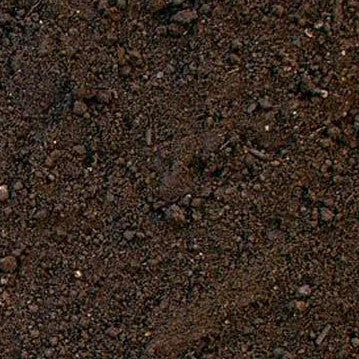
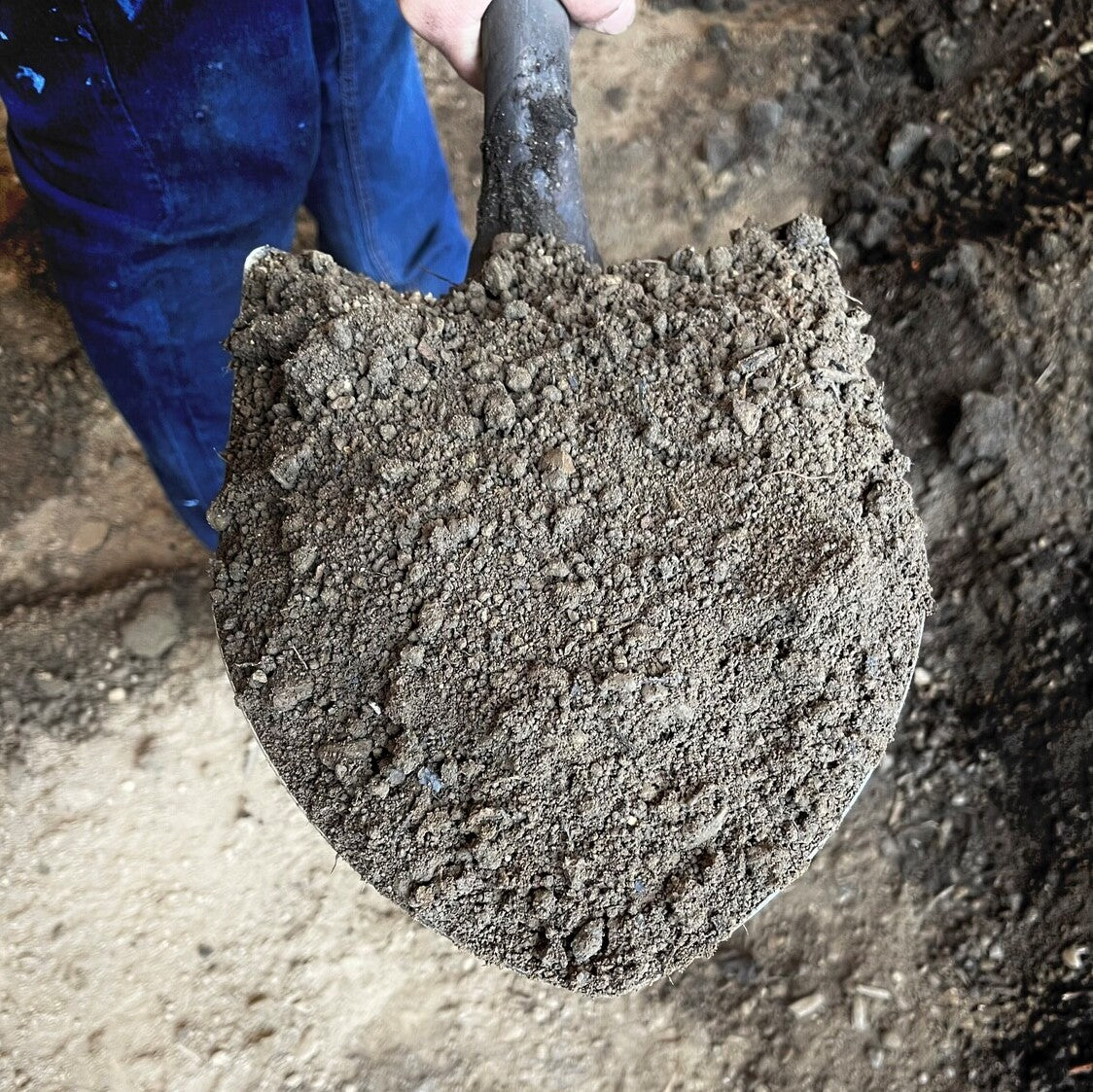
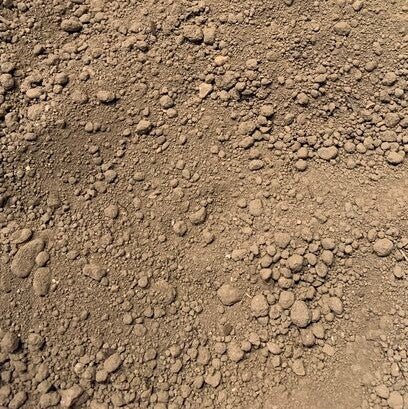
Quality topsoil for lawns, gardens, and landscape projects. Nutrient rich and ready to support strong root development and healthy plant establishment.

Had a great experience with Mulch Mound. I was searching for the most affordable soil delivery that could be here for memorial day weekend (this was less than a week before). They were the most affordable and earliest delivery I could find in the area. Booking was easy, delive...

San Angelo Soil Delivery

San Angelo Soil Delivery

4.7
137 reviews
Regular price $55.00 per yard
Regular price Sale price $55.00
Sale Sold out
Type
Style
Minimum of 3
1 tree planted for every order

About this soil

Quality topsoil for lawns, gardens, and landscape projects. Nutrient rich and ready to support strong root development and healthy plant establishment.

Had a great experience with Mulch Mound. I was searching for the most affordable soil delivery that could be here for memorial day weekend (this was less than a week before). They were the most affordable and earliest delivery I could find in the area. Booking was easy, delive...

For lawn leveling in San Angelo, a 1 to 2 inch top dressing is typically sufficient for minor grade corrections, while raised vegetable and garden beds should be filled to at least 10 to 12 inches to give roots adequate room above the dense native clay loam. Foundation grade work usually requires 3 to 6 inches of compactable fill material along the affected perimeter.
Use our free soil calculator

A yard is approximately 27 cubic feet. As a general guideline, one yard of material can cover an area of about 100-160 square feet at a 2-3 inch depth.

View full details

How It Works

Getting started is easy — just follow these simple steps

1

Choose your soil

Make sure you adjust the quantity to your home's needs. You can use our calculator to estimate how much you'll need.

2

Select your delivery date

Select a delivery date you'd like for the product to be dropped off at your home

3

Sit back and wait

Sit back, wait, and let us work our magic to make sure the highest quality product is delivered to your driveway.

What San Angelo Customers Like About Our Soil

4.7
out of 5 based on 137 reviews
Google Reviews

Need Help Calculating How Much Soil You Need?

Use our NEW Trace from Satellite tool to get an estimate for your project based on an aerial view of your property

Try Our Calculator
📍

Measure your project area in length and width to calculate square footage, then decide on the depth based on whether you are top-dressing a lawn, filling a raised bed, or building grade around a structure. San Angelo's clay loam base compresses less than sandy soil under fill, so leveling projects generally need less volume than you might expect. Enter your dimensions into our calculator for a precise cubic yard estimate before you place your delivery order.

Complete Your Outdoor Soil Project

Consider pairing your soil delivery with a layer of mulch to protect new beds from San Angelo's evaporative heat and prevent the surface crusting that clay loam is prone to between rain events, or add decorative stone along bed borders to hold soil in place during the intense storms that periodically move through the area.

Map of San Angelo, Texas

Areas We Deliver Soil in San Angelo, Texas

No cities found for this region.

See All Locations

Frequently Asked Questions

Click a question to see the answer

Answer

Why would I bring in topsoil when San Angelo already has clay loam soil in my yard?

San Angelo's native clay loam is workable in some spots but often too dense and compacted for new planting beds, sod installations, or vegetable gardens. Imported topsoil gives you a known nutrient profile and a looser structure that plant roots can penetrate without resistance. Blending quality topsoil into the top 6 to 8 inches of your existing clay loam improves drainage and gives young plants a significantly better start through the heat of summer.

Answer

How much topsoil do I need to level out the low spots in my San Angelo lawn?

For lawn leveling in San Angelo, a top dressing of about 1 inch works well for minor low spots and requires roughly one cubic yard for every 300 square feet. Deeper depressions caused by settling or erosion after heavy spring or fall rain events may need 2 to 3 inches of fill. Use our calculator with your measured square footage and target depth to get an accurate estimate before placing your order.

Answer

What kind of soil works best for raised vegetable beds in San Angelo's climate?

A blended garden mix combining compost, topsoil, and a drainage amendment works best for raised beds in San Angelo. The native clay loam drains too slowly for most vegetables, and raised beds filled with a lighter, looser mix give roots the room and oxygen they need to produce well. A quality blend also allows water from San Angelo's occasional heavy rain events to move through the bed rather than pooling and drowning shallow roots.

Answer

Can bulk soil help fix the drainage problem I have next to my foundation?

Yes, grading with bulk fill soil is one of the most effective solutions for directing water away from a foundation in San Angelo. The intense rain events that periodically hit the area can deliver water faster than clay loam soil can absorb it, and if your yard slopes toward the house that water accumulates against the foundation. Building grade with compactable fill and sloping it away from the structure reduces that risk in a lasting way.

Answer

When is the best time to do soil work and grading projects in San Angelo?

Late winter and early spring, from about February through mid-March, are the best windows for soil work in San Angelo because the ground is often moist enough to work easily without being saturated or frozen. Finishing grade work and bed preparation before the last frost date of March 15 lets you move straight into planting as soon as conditions allow. Fall after the summer heat breaks in October is also a good secondary window for major soil projects.

Answer

How do I keep new topsoil from washing away after a heavy rain in San Angelo?

San Angelo can receive intense rainfall in concentrated bursts during spring and fall storm events even though annual totals are relatively low, and freshly placed topsoil is highly vulnerable to erosion before vegetation establishes. Seeding with a fast-germinating grass or cover crop as quickly as possible after placement is the best defense. For sloped or exposed areas, applying a light mulch layer over fresh topsoil holds it in place while roots develop and bind the soil together.

Answer

Do I need to replace my existing clay loam or can I just improve it?

In most cases you do not need to remove San Angelo's native clay loam entirely. For planting beds, tilling quality topsoil or compost into the top 8 inches of existing soil improves its structure considerably and changes how it responds to rainfall. For raised beds or severely compacted hardpan areas, filling completely with imported soil gives faster and more reliable results. The goal in either case is creating a root zone that can capture San Angelo's limited rainfall and hold moisture between waterings.

Mulch Mound Pro Tip

San Angelo's clay loam soil shifts slightly during the freeze-thaw cycles that occur in late fall and early winter, which can crack freshly graded surfaces and open up new low spots before spring. If you complete grade work in October or November, plan to walk the area in February and apply a small follow-up layer of topsoil to any spots that have settled. This simple step protects your grading investment and gives you a level, professional-looking surface heading into the growing season.

Mulch Mound Pro Tip

When building raised vegetable beds in San Angelo, go deeper than you think necessary. The dense clay loam subsoil beneath your raised beds will remain restrictive even after you build on top, and plant roots will eventually hit that barrier. Beds filled to 12 to 14 inches give tomatoes, peppers, and root vegetables the full root zone they need to produce well through San Angelo's long and demanding growing season from March through November.

Mulch Mound Pro Tip

San Angelo receives most of its 21 inches of annual rainfall in concentrated storm events rather than in steady light rains, which means newly placed topsoil needs to be stabilized quickly after installation. Seeding with a fast-germinating cover crop or sod immediately after grading dramatically reduces the erosion risk from that first heavy storm. Bermuda grass, which is well adapted to Zone 8a conditions, establishes quickly during warm months and binds new soil together before the next significant rain event moves through.

The Unique Landscape of San Angelo

San Angelo's native clay loam soil compacts easily, drains slowly after rain events, and bakes to a near-concrete hardness during dry summer stretches, which makes it a difficult starting point for lawns, garden beds, and new plantings. Bringing in quality topsoil or blended garden soil is often the most practical way to create workable growing conditions for vegetables, flowers, and sod installations on properties throughout the area. With only 21 inches of annual rainfall, the quality of the root zone has an outsized effect on whether plants can survive the dry stretches between rain events. Grade work around foundations also benefits greatly from well-structured fill soil that resists the erosion caused by the intense rain events that occasionally deliver several inches of water to the San Angelo area in a short period. Whether you are leveling an uneven lawn, building raised beds ahead of a spring vegetable garden, or correcting a drainage slope around a structure, having the right soil delivered in bulk makes every phase of the project more efficient.