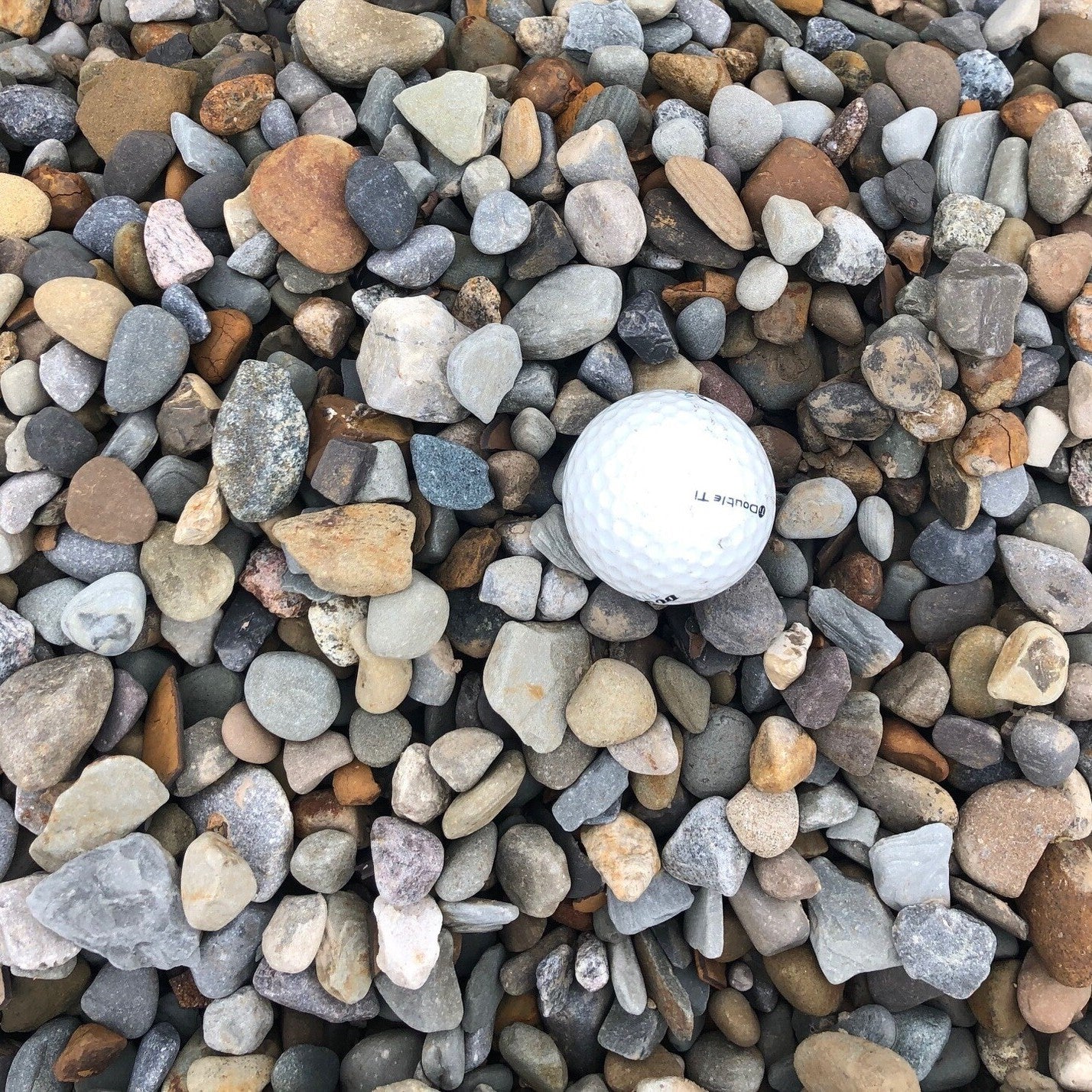
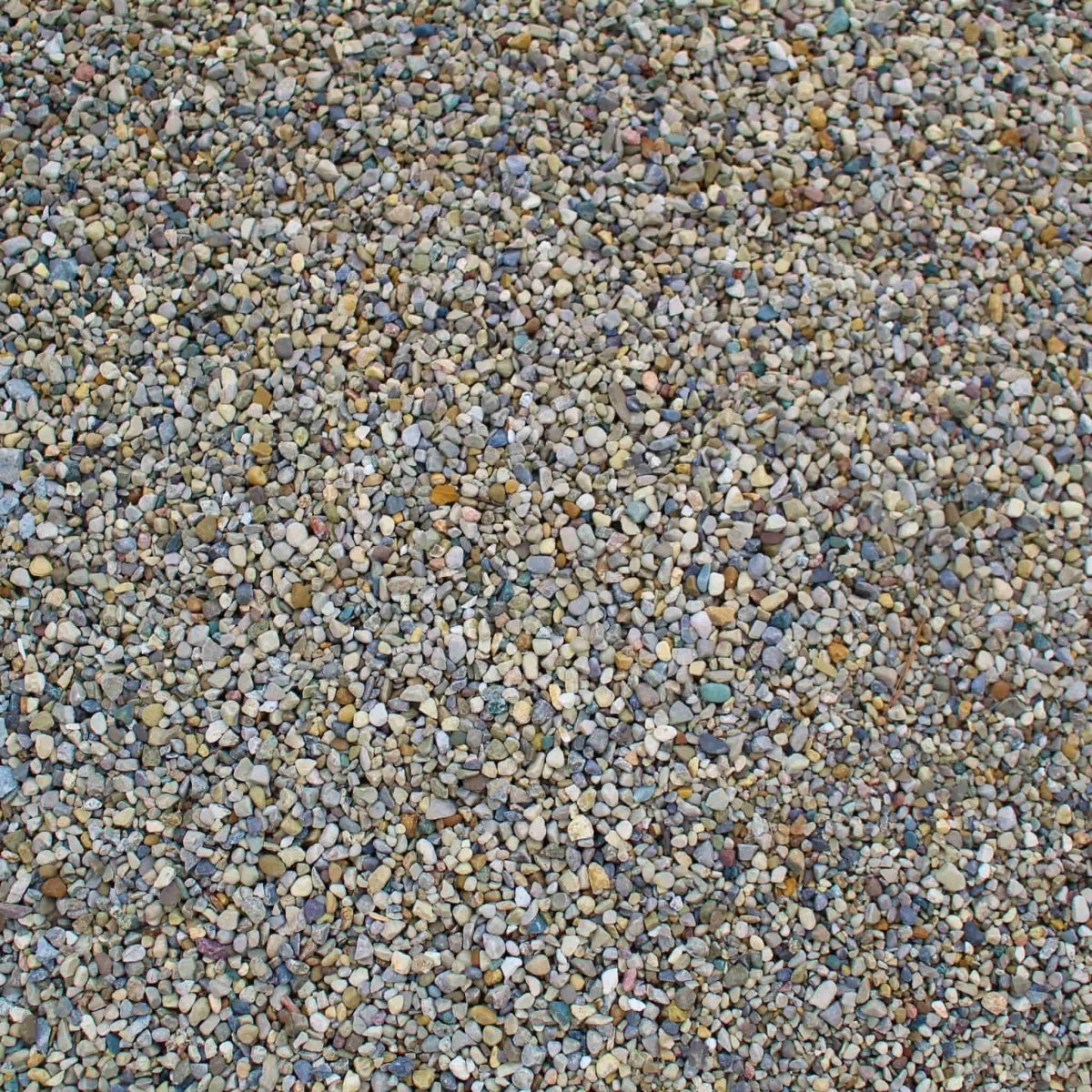
Number 57 crushed stone, angular limestone graded to about three quarters of an inch. The standard driveway, base and drainage gravel, it locks together under traffic and drains fast.
My experience with Mulch Mound was great and super easy. I ordered two yards of screened topsoil and was able to get it delivered within 2 days. They came in my requested time frame (afternoon) and dropped it off where I asked on my driveway. The topsoil was exactly what was a...
Tell us what you're looking for
Thanks! We received your request.
Something went wrong. Please try again.
How Much Material Do I Need?
Most stone ground cover and pathway projects in San Angelo perform well at a 2 to 3 inch depth, which is enough to stabilize the surface, suppress weeds, and provide effective drainage across the clay loam base. Drainage swales and dry creek beds designed to handle stormwater runoff may need 4 to 6 inches of stone to manage the volume of water that moves through them during heavy rain events.
Use our free gravel calculator
What is a yard?
A yard is approximately 27 cubic feet. As a general guideline, one yard of material can cover an area of about 100-160 square feet at a 2-3 inch depth.
We can't take orders for this right now. Tell us what you need and we'll get back to you.
What do you need?
Thanks! We received your request.
Something went wrong. Please try again.
Hand-picked local yards
4,000+ regional deliveries
Dedicated support
Why order through Mulch Mound
The best local stone, without the guesswork.
We hand-pick and partner with the best yards in your region, keep only the ones our buyers rate well, and back each load with our guarantee.
Mulch Mound Guarantee
If your stone isn't the quantity or quality you ordered, we'll make it right.
About this stone
Number 57 crushed stone, angular limestone graded to about three quarters of an inch. The standard driveway, base and drainage gravel, it locks together under traffic and drains fast.
My experience with Mulch Mound was great and super easy. I ordered two yards of screened topsoil and was able to get it delivered within 2 days. They came in my requested time frame (afternoon) and dropped it off where I asked on my driveway. The topsoil was exactly what was a...
How Much Material Do I Need?
Most stone ground cover and pathway projects in San Angelo perform well at a 2 to 3 inch depth, which is enough to stabilize the surface, suppress weeds, and provide effective drainage across the clay loam base. Drainage swales and dry creek beds designed to handle stormwater runoff may need 4 to 6 inches of stone to manage the volume of water that moves through them during heavy rain events.
Use our free gravel calculator
What is a yard?
A yard is approximately 27 cubic feet. As a general guideline, one yard of material can cover an area of about 100-160 square feet at a 2-3 inch depth.
My experience with Mulch Mound was great and super easy. I ordered two yards of screened topsoil and was able to get it delivered within 2 days. Th...
Read full review
My experience with Mulch Mound was great and super easy. I ordered two yards of screened topsoil and was able to get it delivered within 2 days. They came in my requested time frame (afternoon) and dropped it off where I asked on my driveway. The topsoil was exactly what was advertised, clean with no rocks or other debris. The price was reasonable. I plan to use them again in a couple weeks to order compost for my garden beds.
Really appreciate the care and follow thru that this company had with our order. A hiccup came up but they were quick to respond and address all co...
Read full review
Really appreciate the care and follow thru that this company had with our order. A hiccup came up but they were quick to respond and address all concerns, which made our garden day a success! Thank you for your prompt care.
Measure the length and width of each area you plan to cover, multiply to get square footage, and plan for a 2 to 3 inch depth for most ground cover applications in San Angelo. Because stone settles slightly into the clay loam base during the first season, starting at 3 inches gives you a finished depth that stays visually full even after initial compaction. Use our calculator to convert your square footage and target depth into cubic yards before placing your delivery order.
Stone Types We Deliver in San Angelo
Ordering bulk gravel by the yard in San Angelo is the practical choice for homeowners and landscapers working with the region's clay-heavy soils and intense summer heat. We deliver stone directly to your property, cutting out multiple trips to a supply yard and making it easy to finish large projects in one go. From drainage corrections to full yard regrading, a single cubic-yard delivery can go a long way on the flat, open lots common to this part of West Texas.
Pea Gravel
Pea gravel suits the xeriscape designs and gravel patios that are popular throughout West Texas yards. Its smooth, rounded edges are comfortable underfoot, drain well through the sandy-clay soils of this region, and offer a clean, natural appearance that pairs easily with native plantings and the earthy color palettes typical of homes in this area.
Complete Your Outdoor Stone Project
Pair your stone delivery with bulk fill soil to build the correct grade beneath pathways and border areas before placing stone, ensuring water drains away from your San Angelo home's foundation. Adding mulch in adjacent planting beds keeps the overall landscape looking polished and cohesive while protecting the clay loam soil from surface crusting between rain events.
Weed pressure in stone areas around San Angelo is strongest in spring when soil temperatures warm quickly after the last frost around March 15 and dormant seeds germinate fast. Applying a pre-emergent herbicide through the stone layer in late February, before weeds get established, is one of the most effective ways to keep stone areas looking clean through the full growing season. A follow-up application in early September helps suppress the second flush of weed growth that comes with fall soil moisture.
Mulch Mound Pro Tip
San Angelo's clay loam base will shift stone slightly over time, especially after cycles of wet soil followed by the dry shrinkage that comes with summer heat. Installing metal, concrete, or brick edging around all stone areas keeps material contained and prevents it from creeping into adjacent lawn or planting beds. Solid borders also make it easy to refresh the surface with a 1 inch top-up every few years to restore the original depth and keep the area looking intentional and well-maintained.
Mulch Mound Pro Tip
With only 21 inches of annual rainfall available in San Angelo, homeowners who convert lawn areas to stone ground cover can see real reductions in irrigation costs and weekly maintenance time. Stone does reflect and radiate heat differently than turf, so plan the plant selection in any adjacent beds around varieties that tolerate the extra radiant warmth from nearby gravel or decomposed granite surfaces. Native and xeric-adapted plants suited to Zone 8a thrive in these conditions and require minimal supplemental water once established.
The Unique Landscape of San Angelo
In San Angelo's dry climate, stone is one of the most practical and enduring landscaping materials available because it requires no irrigation, never decomposes, and holds its appearance through years of West Texas heat and intense UV exposure. With only 21 inches of rainfall per year, maintaining traditional lawn areas across an entire property is expensive and water-intensive, and replacing sections of turf with decorative stone dramatically reduces that burden. Stone also addresses drainage challenges that are common in yards with clay loam soil, which sheds water quickly during heavy rain events rather than absorbing it. Pathways, garden borders, and dry creek beds made from river rock or crushed stone can redirect storm runoff away from foundations and low-lying areas that flood during the intense spring and fall storms that periodically hit the San Angelo area. Stone ground cover in full-sun or high-traffic zones also eliminates the bare dirt that becomes muddy runoff during rain and cracked, dusty hardpan during drought.
Frequently Asked Questions
Click a question to see the answer
Answer
What type of stone works best for a low-water xeriscape design in San Angelo?
Decomposed granite and pea gravel are both excellent choices for xeriscape designs in San Angelo because they pack well, resist blowing in wind, and complement the natural West Texas landscape. Larger river rock works well as ground cover in open areas or decorative dry creek beds. The key is pairing any stone selection with a quality weed barrier underneath, since San Angelo's warm soil and long Zone 8a growing season give weeds plenty of opportunity to push through any unprotected gaps.
Answer
Will stone get too hot to walk on during a San Angelo summer?
Lighter-colored stones such as tan or white gravel and natural decomposed granite absorb less heat and stay more comfortable underfoot during San Angelo's intense summer days when air temperatures regularly reach the upper 90s and beyond. Dark stones like black lava rock can become uncomfortably hot in direct sun and are better suited to purely decorative areas without foot traffic in this climate. Choosing light colors for high-traffic pathways and stepping areas makes a practical difference for daily use.
Answer
Can stone help fix the drainage issues in my clay loam yard?
Stone is very effective for managing drainage in San Angelo's clay loam soil conditions. A gravel-filled French drain or a dry creek bed lined with river rock can move water quickly away from problem areas during the intense storm events the region sees each year. Because clay loam sheds water rather than absorbing it during heavy rain, having a stone-lined channel to guide runoff protects both your landscaping and your foundation from the erosion and flooding that can follow a significant storm.
Answer
How much stone do I need to replace a lawn area with gravel in my San Angelo yard?
For a gravel or decomposed granite ground cover replacing turf in San Angelo, a depth of 2 to 3 inches over a weed barrier is the standard starting point. Measure your square footage and enter it into our calculator for a precise cubic yard figure. Going slightly deeper on the initial installation, around 3 inches, reduces the need for top-ups as the stone settles into the clay loam base during the first wet season.
Answer
What stone works best for a garden pathway between my planting beds in San Angelo?
Decomposed granite is one of the most popular pathway materials in San Angelo because it compacts into a firm, stable surface that handles foot traffic well and drains quickly after rain. Pea gravel is another option that provides good drainage and a softer visual texture, though it shifts more underfoot than compacted decomposed granite. Both materials hold up well to San Angelo's temperature extremes and UV exposure without fading or breaking down over time.
Answer
Will a stone border around my foundation help protect it during San Angelo's weather extremes?
A 12 to 18 inch border of stone around your foundation is a very practical choice in San Angelo for several reasons. It keeps organic material away from the structure, which reduces moisture retention and reduces habitat for pests. It also provides a stable, non-eroding surface along the foundation line so that any grading you have done with fill soil stays in place after heavy rain events rather than washing away and allowing water to pool against the structure.
Answer
Does stone actually help control weeds in San Angelo's warm climate?
Stone alone will not stop weeds in San Angelo's Zone 8a climate where the long warm growing season gives persistent weeds from March through November plenty of time to establish. Always install quality landscape fabric under stone ground cover for effective long-term weed suppression. Even with fabric, occasional weeds will germinate in the organic debris that accumulates on top of stone over time, so a quick pass with a leaf blower or light hand weeding once or twice a season keeps stone areas looking clean.
Answer
Is crush and run the same as crusher run?
Same idea, different regional name. Crush and run is crushed stone blended with stone dust that compacts into a firm base for driveways and paver projects. For San Angelo properties, our Crushed Stone #57 drains freely and holds up under West Texas heat without the compaction that crush and run relies on.