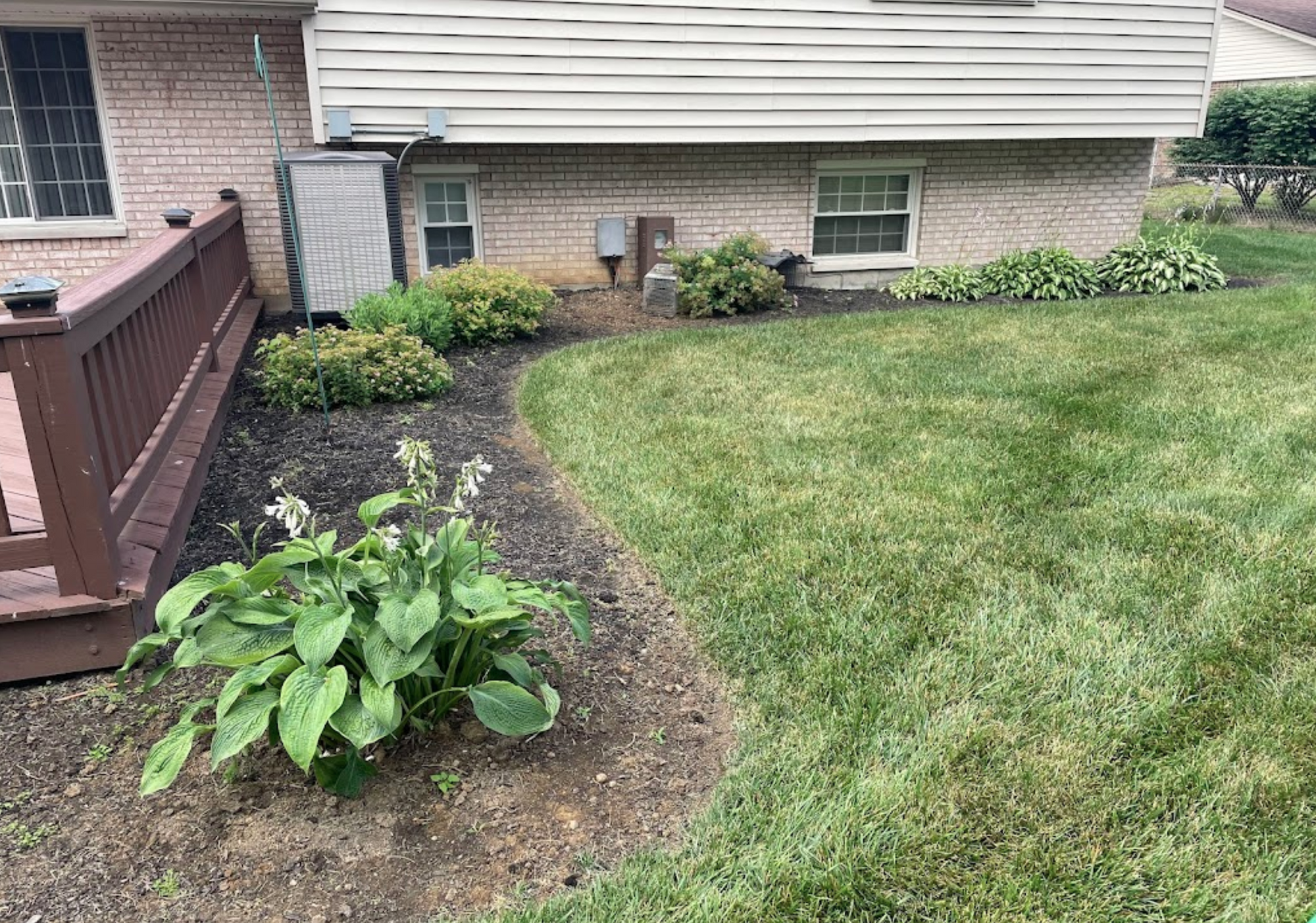
Mulch Mound made it so easy! So happy with the pricing, turn around time, delivery and product. I submitted my online order on a Thursday. The mulch was delivered to the designated location by a local landscape company at 8:30 a.m. the following Saturday morning. We had the...
Tell us what you're looking for
Thanks! We received your request.
Something went wrong. Please try again.
How Much Material Do I Need?
For most San Diego planting beds, a depth of three to four inches provides adequate weed suppression and moisture conservation through the dry season. Tree rings and slopes exposed to direct afternoon sun may benefit from a slightly thicker layer of four to five inches.
Use our free mulch calculator
What is a yard?
A yard is approximately 27 cubic feet. As a general guideline, one yard of material can cover an area of about 100-160 square feet at a 2-3 inch depth.
Mulch Mound made it so easy! So happy with the pricing, turn around time, delivery and product. I submitted my online order on a Thursday. The mulch was delivered to the designated location by a local landscape company at 8:30 a.m. the following Saturday morning. We had the...
How Much Material Do I Need?
For most San Diego planting beds, a depth of three to four inches provides adequate weed suppression and moisture conservation through the dry season. Tree rings and slopes exposed to direct afternoon sun may benefit from a slightly thicker layer of four to five inches.
Use our free mulch calculator
What is a yard?
A yard is approximately 27 cubic feet. As a general guideline, one yard of material can cover an area of about 100-160 square feet at a 2-3 inch depth.
Mulch Mound made it so easy! So happy with the pricing, turn around time, delivery and product. I submitted my online order on a Thursday. The mu...
Read full review
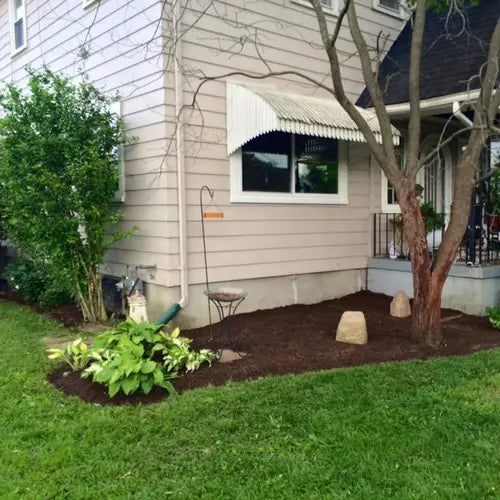
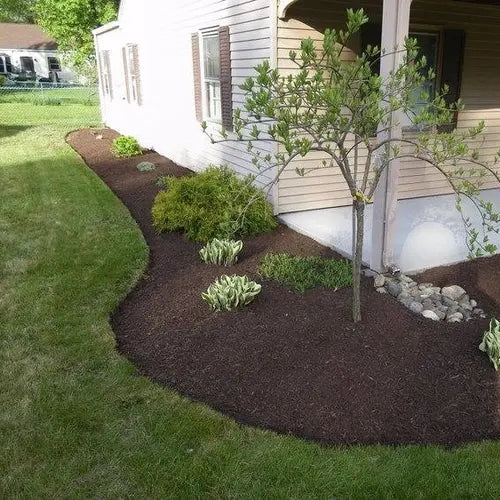
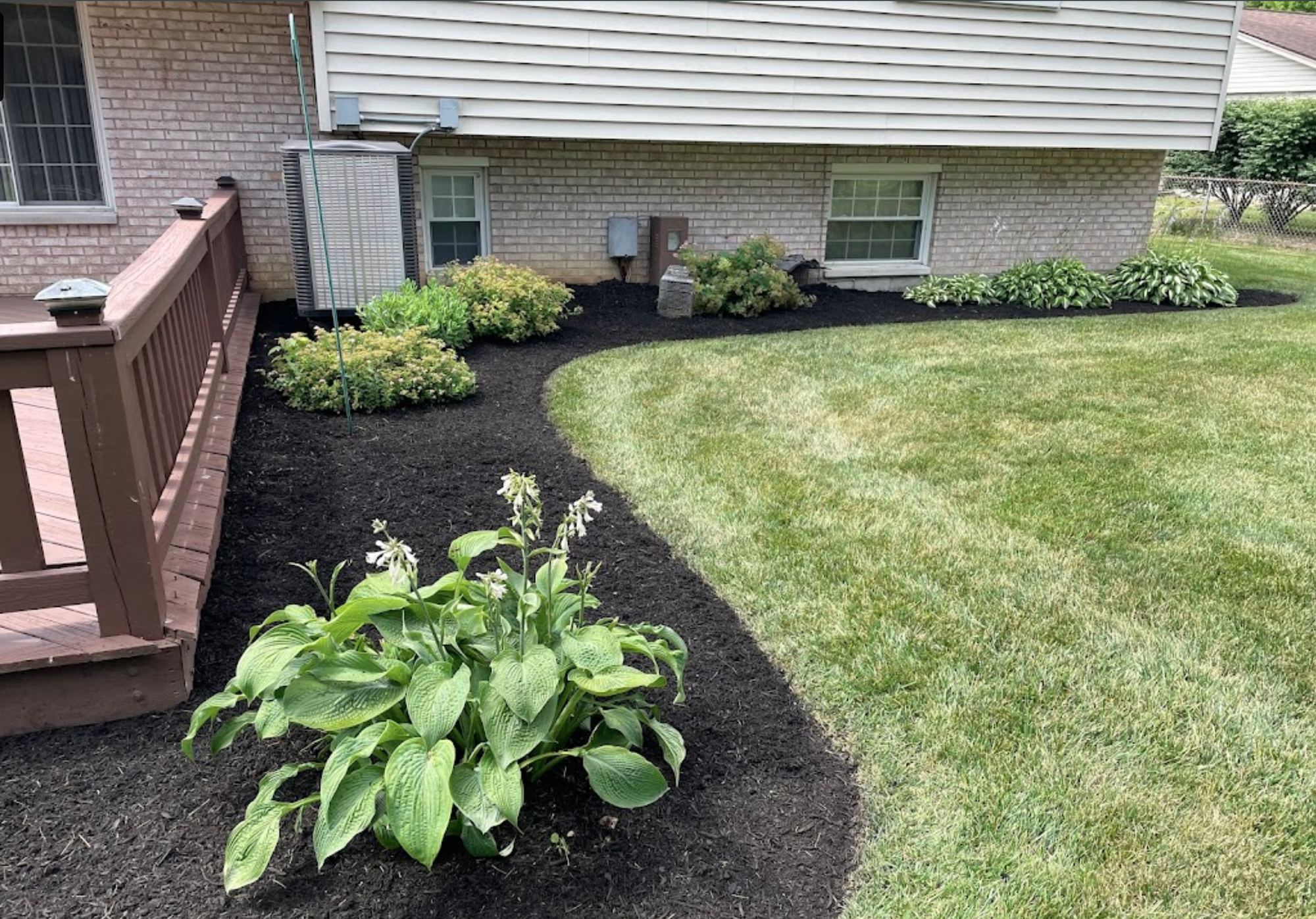
Mulch Mound made it so easy! So happy with the pricing, turn around time, delivery and product. I submitted my online order on a Thursday. The mulch was delivered to the designated location by a local landscape company at 8:30 a.m. the following Saturday morning. We had the job completed by that afternoon. We chose the natural brown mulch, and the plant beds are beautiful.
Good quality, great price, fast delivery. All online - no submitting forms and waiting for days for quotes. Getting mulch should be this easy fr...
Read full review
Good quality, great price, fast delivery. All online - no submitting forms and waiting for days for quotes. Getting mulch should be this easy from everyone. Only Mulch Mound is ACTUALLY this simple.
I highly recommend Mulch Mound. The quality of the mulch is very good. The ordering system on their website makes it very easy. The delivery driver...
Read full review
I highly recommend Mulch Mound. The quality of the mulch is very good. The ordering system on their website makes it very easy. The delivery driver did a great job placing the mulch on the driveway. To finish off, the pricing was very reasonable as well.
To estimate how much bulk mulch you need, measure the length and width of each planting bed in feet and multiply those together to get square footage. San Diego's intense sun means you want a full three to four inches of depth to get meaningful moisture retention benefits, so factor that into your cubic yard calculation. Add up all your bed square footages, then divide by 81 for a three-inch depth or by 108 for a four-inch depth to get your cubic yards needed.
Mulch vs. No Mulch: The Difference
San Diego's climate is warm and dry nearly year-round, which means organic mulches break down more slowly here than they would in a humid region like the Southeast or Pacific Northwest. However, UV exposure from our intense Southern California sun degrades the surface of mulch quickly, which can make beds look worn even when the material below is still intact. Understanding this distinction helps you decide when to top off versus fully replace your mulch supply.
Before
After
Best Mulch Choice for San Diego Lawns
Most yards in the San Diego area sit on type of soil. San Diego's sandy clay soil is prone to surface crusting and uneven water penetration, meaning plant beds often receive moisture unevenly when irrigated. Organic mulch laid over this soil type creates a more consistent moisture environment and prevents the hardening effect that makes water bead off bare soil rather than absorbing into it.
Hardwood Mulch
Hardwood mulch is particularly beneficial for San Diego's sandy clay soils because as it decomposes, it releases humic compounds that bind to both the sand and clay particles, improving overall soil structure. Over one to two seasons, this gradual breakdown helps create a loamier upper soil layer that drains better than raw clay but holds more moisture than pure sand, moving your soil toward the ideal texture for the wide variety of plants that thrive in Zone 10b.
Complete Your Outdoor Mulch Project
Pair your mulch order with a quality garden soil or compost blend to amend your sandy clay beds before laying down your top layer. Adding a base of nutrient-rich soil gives your plants the root environment they need to thrive through San Diego's long, dry summers.
San Diego's Santa Ana wind events, which typically occur in fall and sometimes spring, can scatter lightweight mulch from your beds. If your property is exposed or sits in a wind corridor common in areas like El Cajon or the inland valleys, opt for a heavier wood chip mulch rather than a fine shredded variety. The chunkier texture resists displacement and stays put even during strong offshore wind events, saving you the frustration of raking mulch back into beds after every weather event.
Mulch Mound Pro Tip
In San Diego's Zone 10b, many homeowners grow citrus, avocado, and tropical fruiting trees year-round. These trees benefit enormously from a wide mulch ring that extends out to the drip line, not just a small circle at the base of the trunk. A broad, three-inch deep mulch ring around your avocado or citrus tree keeps the shallow feeder roots cool and moist, which is especially important in the warm inland communities like Santee, Lakeside, and El Cajon where summer ground temperatures can spike dramatically.
Mulch Mound Pro Tip
If you are establishing a new garden bed in San Diego's sandy clay soil, consider using a sheet mulching method before applying your bulk mulch on top. Lay overlapping sheets of plain cardboard directly on the soil or existing weeds, wet it thoroughly, then cover with your mulch layer. The cardboard smothers existing weeds and breaks down over several months, adding organic matter to your soil. This technique is especially effective for converting water-thirsty turf areas into drought-adapted planting beds, which many San Diego homeowners are doing in response to ongoing water conservation efforts.
Frequently Asked Questions
Click a question to see the answer
Answer
How often do I need to reapply mulch in San Diego?
Because San Diego has no hard freezes and very low annual rainfall, mulch breaks down more slowly than in humid climates. That said, the intense sun and dry Santa Ana winds accelerate surface degradation, so most homeowners find that topping off their mulch layer once a year keeps beds looking fresh and functioning well. A full replacement is typically needed every two to three years depending on the material.
Answer
Will mulch help my plants survive the dry season without watering as much?
Yes, this is one of the most practical benefits of mulching in San Diego. A three to four inch layer of mulch can reduce soil moisture evaporation by up to 70 percent, which means your irrigation system does not have to work as hard during our long rainless summers. Many San Diego gardeners report noticeably lower water bills after mulching their beds, which matters a lot in a region where water rates are among the highest in the country.
Answer
My yard has a lot of clay mixed into the soil. Will mulch make drainage worse?
San Diego's sandy clay soil can become compacted and slow to drain, but surface mulch actually improves this over time. As organic mulch decomposes, it introduces organic matter into the upper soil layer, which loosens compacted clay particles and improves both drainage and aeration. Mulch also prevents the surface crusting that happens when bare clay soil is repeatedly wetted and dried under the Southern California sun.
Answer
Are there any mulch types I should avoid near my drought-tolerant California native plants?
California natives like ceanothus, salvia, and toyon are adapted to lean, well-drained soils and can struggle if mulch retains too much moisture directly against their crowns. We recommend using a coarser wood chip mulch and keeping it pulled back a few inches from the plant stem. Avoid fine, dense mulches that stay wet for extended periods, and never use rubber mulch near natives as it holds heat in a way that is particularly damaging in San Diego's summer temperatures.
Answer
I have a lot of eucalyptus trees on my property. Can I use eucalyptus mulch in my garden beds?
Eucalyptus is very common in San Diego and the mulch is widely available, but it contains natural oils that can inhibit the germination of some plants. It works well as a pathway or walkway material where plant growth is not desired. For active planting beds, a hardwood or shredded wood mulch is a better choice since it breaks down more compatibly with the plants you are trying to grow.
Answer
Does mulch attract termites or pests near my house in San Diego?
This is a common and very reasonable concern in San Diego, where subterranean termites are a well-known issue. To minimize risk, always keep mulch at least six inches away from your home's foundation and wood siding. Cedar mulch has naturally occurring oils that act as a mild deterrent. Avoid piling mulch deeply against any wood structure, and never place mulch directly against fence posts or wooden garden borders.
Answer
What is the best time of year to apply mulch in San Diego?
Because we do not experience frost, you can technically apply mulch any time of year in San Diego. That said, the ideal window is late spring, just before the dry season begins in earnest. Applying mulch in April or May lets you lock soil moisture in right before summer heat peaks, giving your plants a strong buffer heading into the months when rainfall is essentially nonexistent. A secondary application in fall can help support winter vegetable gardens and protect soil during our brief cooler period.
The Unique Landscape of San Diego
San Diego's mediterranean climate brings long, dry summers and mild winters with virtually no frost, creating unique challenges for plant beds that must survive months without meaningful rainfall. With only about 10 inches of rain per year and sandy clay soils that drain unevenly, moisture retention in your garden beds is a constant battle. Mulch acts as a critical buffer layer, slowing evaporation from the soil surface during the hot, sun-drenched months from June through October. In coastal and inland San Diego neighborhoods alike, bare soil bakes and crusts under intense UV exposure, making it harder for roots to penetrate and water to absorb. A properly applied mulch layer reduces irrigation frequency, suppresses the weeds that thrive in San Diego's year-round growing conditions, and slowly feeds the soil organisms that your sandy clay ground desperately needs. Whether you are gardening in Chula Vista, Escondido, or Pacific Beach, bulk mulch delivery is one of the most cost-effective investments you can make in your landscape.