




Great service. We ordered topsoil from Mulch Mound and the best experience. Thank you so much!
About this soil
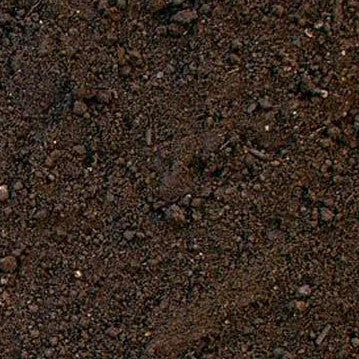
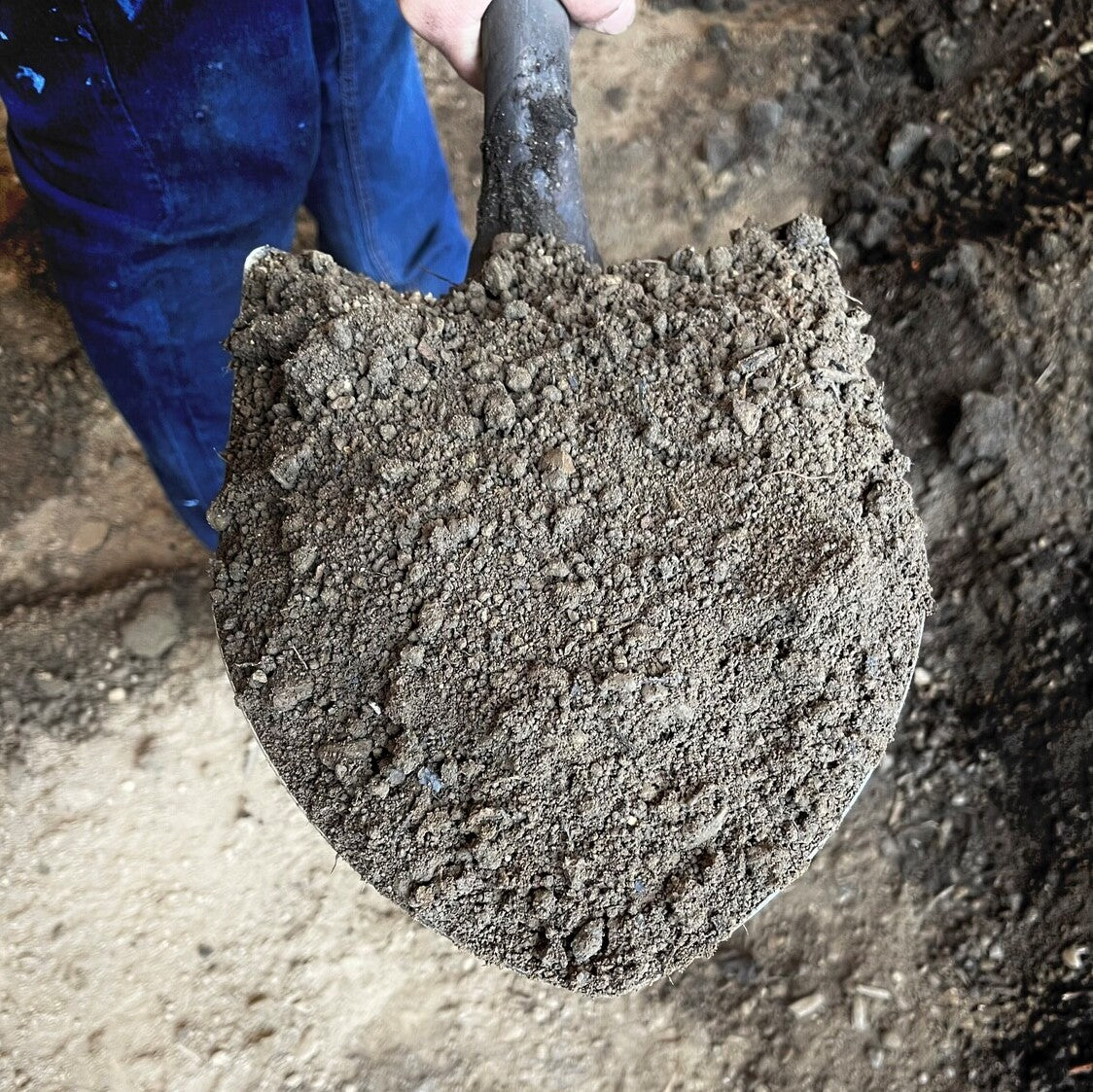
Screened topsoil with a fine, even texture. Ideal for new lawns, sod prep, and raised garden beds.
Great service. We ordered topsoil from Mulch Mound and the best experience. Thank you so much!
Tell us what you're looking for
Thanks! We received your request.
Something went wrong. Please try again.
How Much Material Do I Need?
How Much Material Do I Need?
For in-ground planting beds in San Diego, plan to incorporate a minimum of six inches of quality amended soil into your native ground to make a meaningful difference in plant performance. Raised beds perform best with a full twelve inches of quality soil mix to give roots ample space above the native clay layer.
Use our free soil calculator
What is a Yard?
What is a Yard?
FAQs
FAQs
San Diego Soil Delivery
San Diego Soil Delivery
Regular price
$83.00
per
Yard
Regular price
Sale price
$83.00
Unit price
per
Shipping calculated at checkout.
Minimum of 3 Yard
Couldn't load pickup availability
Not currently available
We can't take orders for this right now. Tell us what you need and we'll get back to you.
Hand-picked local yards
4,000+ regional deliveries
Dedicated support
Why order through Mulch Mound
The best local , without the guesswork.
We hand-pick and partner with the best yards in your region, keep only the ones our buyers rate well, and back each load with our guarantee.
Mulch Mound Guarantee
If your isn't the quantity or quality you ordered, we'll make it right.
About this soil
Screened topsoil with a fine, even texture. Ideal for new lawns, sod prep, and raised garden beds.
Great service. We ordered topsoil from Mulch Mound and the best experience. Thank you so much!
How Much Material Do I Need?
How Much Material Do I Need?
For in-ground planting beds in San Diego, plan to incorporate a minimum of six inches of quality amended soil into your native ground to make a meaningful difference in plant performance. Raised beds perform best with a full twelve inches of quality soil mix to give roots ample space above the native clay layer.
Use our free soil calculator
What is a Yard?
What is a Yard?
FAQs
FAQs
Tell us what you're looking for
Thanks! We received your request.
Something went wrong. Please try again.
How It Works
Getting started is easy — just follow these simple steps
1
Choose your soil
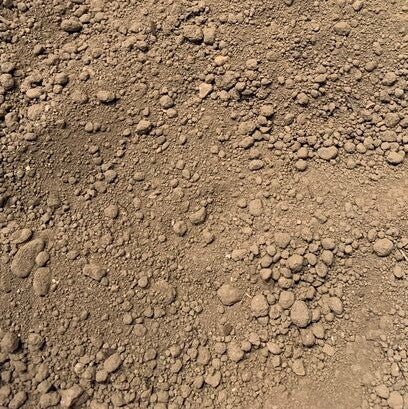
Make sure you adjust the quantity to your home's needs. You can use our calculator to estimate how much you'll need.
2
Select your delivery date
Select a delivery date you'd like for the product to be dropped off at your home
3
Sit back and wait
Sit back, wait, and let us work our magic to make sure the highest quality product is delivered to your driveway.

Placing an order online was so easy. Delivery was on time. When the driver realized we had a newly poured driveway they erred on the side of cautio...
Read full review
Placing an order online was so easy. Delivery was on time. When the driver realized we had a newly poured driveway they erred on the side of caution and opted not ti drive in it. The company even sent me a message explaining that call. Would recommend!

Online ordering was really simple and I liked the transparent pricing.
Need Help Calculating How Much Soil You Need?
Use our NEW Trace from Satellite tool to get an estimate for your project based on an aerial view of your property
Try Our CalculatorMeasure your project area carefully in feet before placing your order, since bulk soil is priced and delivered by the cubic yard. For new planting beds in San Diego where you are blending into existing sandy clay soil, plan on incorporating at least six to eight inches of new material, which adds up faster than most people expect across a large bed. A rough rule of thumb is that one cubic yard covers about 100 square feet at a three-inch depth, or about 50 square feet at a six-inch depth.
Complete Your Outdoor Soil Project
Finish your soil project with a top layer of mulch to lock in the moisture your new soil blend will hold and protect it from San Diego's intense surface evaporation. Consider adding a decomposed granite or stone border to define your new beds and prevent soil from washing onto hardscape during irrigation.
Service area
Areas we deliver soil in San Diego, California
Mulch Mound Pro Tip
San Diego's year-round growing season is one of the great advantages of Zone 10b, but it also means your soil never gets a winter rest to recover and rebuild naturally. Build a soil maintenance routine that includes adding a fresh layer of compost or amended soil to your beds at least once a year, ideally in early spring before the heat arrives and again in early fall before cool-season planting. This continuous replenishment replaces the nutrients that your plants draw from the soil month after month without interruption.
Mulch Mound Pro Tip
Water infiltration is a persistent challenge in San Diego yards with sandy clay soil. Before you add new bulk soil to an existing bed, do a simple infiltration test by digging a hole about twelve inches deep, filling it with water, and watching how fast it drains. If the water is still standing after an hour, your existing soil needs to be broken up before adding new material on top. Tilling in your new soil rather than simply layering it will give you dramatically better results and help prevent the root rot issues that can occur when water pools between soil layers.
Mulch Mound Pro Tip
If you are planning a vegetable garden in San Diego, timing your soil preparation to coincide with our two main planting seasons will maximize your success. Prepare beds with fresh soil and compost in late September for cool-season crops like lettuce, broccoli, and peas, and again in late February for warm-season crops like tomatoes, peppers, and squash. San Diego's mild climate means your soil stays biologically active even in winter, so amendments break down quickly and are available to plants sooner than they would be in colder regions.
The Unique Landscape of San Diego
San Diego's native sandy clay soil presents a real challenge for gardeners and landscapers trying to grow anything beyond drought-tolerant scrub plants. With only 10 inches of annual rainfall and no frost to break down soil structure naturally over winter, the ground in most San Diego neighborhoods is dense, low in organic matter, and poorly suited to the vegetable gardens, flower beds, and ornamental plantings that homeowners want. Bringing in quality bulk soil or amendment blends is often the most direct way to create a productive growing environment without waiting years for native soil to improve. The region's year-round growing season in Zone 10b means your soil is being asked to support plant growth continuously, which depletes nutrients faster than in areas with a true dormant winter period. Whether you are filling raised beds, regrading a slope, or preparing a new planting area, the right soil blend makes the difference between plants that struggle and plants that flourish. Bulk soil delivery from MulchMound.com allows you to get the volume you actually need without the expense and waste of hauling countless bags from a hardware store.