













Delivery was smooth and on time!
The triple shredded mulch was great quality and just what we were looking for.
About this mulch
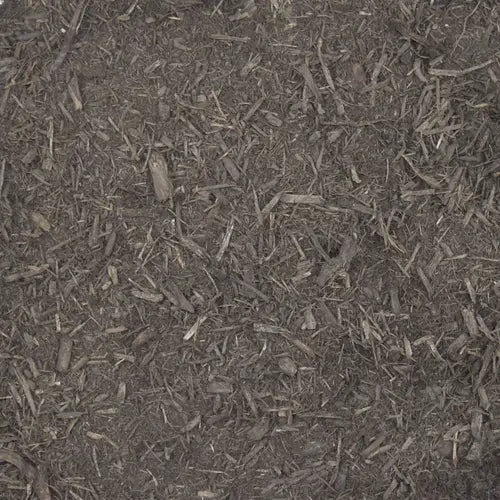
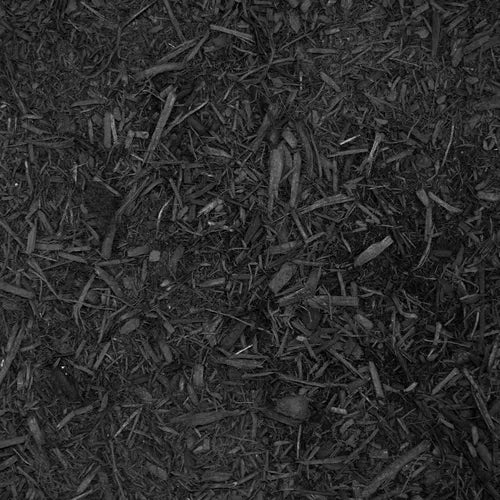
Bold black double shredded mulch that transforms beds instantly. The rich color holds strong through sun and rain, and the smooth texture spreads effortlessly.
Delivery was smooth and on time!
The triple shredded mulch was great quality and just what we were looking for.
Tell us what you're looking for
Thanks! We received your request.
Something went wrong. Please try again.
How Much Material Do I Need?
How Much Material Do I Need?
For Sandusky's silt loam soil, a 2 to 3 inch mulch depth provides enough insulation and weed suppression without over-saturating the already moisture-retentive fine-textured soil beneath. Beds near downspouts or low-lying areas may benefit from staying closer to 2 inches to prevent pooling.
Use our free mulch calculator
What is a yard?
What is a yard?
FAQs
FAQs
Sandusky Mulch Delivery
Sandusky Mulch Delivery
Regular price
$83.00
per
yard
Regular price
Sale price
$83.00
Unit price
per
Shipping calculated at checkout.
Minimum of 3 yard
Couldn't load pickup availability
Not currently available
We can't take orders for this right now. Tell us what you need and we'll get back to you.
Hand-picked local yards
4,000+ regional deliveries
Dedicated support
Why order through Mulch Mound
The best local mulch, without the guesswork.
We hand-pick and partner with the best yards in your region, keep only the ones our buyers rate well, and back each load with our guarantee.
Mulch Mound Guarantee
If your mulch isn't the quantity or quality you ordered, we'll make it right.
About this mulch
Bold black double shredded mulch that transforms beds instantly. The rich color holds strong through sun and rain, and the smooth texture spreads effortlessly.
Delivery was smooth and on time!
The triple shredded mulch was great quality and just what we were looking for.
How Much Material Do I Need?
How Much Material Do I Need?
For Sandusky's silt loam soil, a 2 to 3 inch mulch depth provides enough insulation and weed suppression without over-saturating the already moisture-retentive fine-textured soil beneath. Beds near downspouts or low-lying areas may benefit from staying closer to 2 inches to prevent pooling.
Use our free mulch calculator
What is a yard?
What is a yard?
FAQs
FAQs
Tell us what you're looking for
Thanks! We received your request.
Something went wrong. Please try again.
How It Works
Getting started is easy — just follow these simple steps
1
Choose your Mulch
Make sure you adjust the quantity to your home's needs. You can use our calculator to estimate how much you'll need.
2
Select your delivery date
Select a delivery date you'd like for the product to be dropped off at your home
3
Sit back and wait
Sit back, wait, and let us work our magic to make sure the highest quality product is delivered to your driveway.

Great experience with mulch mound. Their online calculator made it easy to estimate how many yards of mulch I needed and delivery was quick. I woul...
Read full review
Great experience with mulch mound. Their online calculator made it easy to estimate how many yards of mulch I needed and delivery was quick. I would definitely recommend them for your future projects.

We needed mulch for our HOA common areas. Local providers were all holding high prices even for 40 yards of mulch. Mulch mound was easy to wowith...
Read full review
We needed mulch for our HOA common areas. Local providers were all holding high prices even for 40 yards of mulch. Mulch mound was easy to wowith & has great price for natural mulch + delivery schedule options. They called before delivery to ensure Delivery was exactly where we wanted it.
Calculate mulch for your Sandusky project
For Sandusky's Silt Loam type of soil, we recommend 2-3 inches for best weed suppression and moisture retention
Try Our CalculatorStart by measuring the length and width of each bed in feet, then multiply by your target depth in feet (2 to 3 inches equals roughly 0.17 to 0.25 feet) to get cubic feet, and divide by 27 to convert to cubic yards. In Sandusky, where silt loam holds moderate moisture, a 2.5 inch application is a reliable starting point for most ornamental beds. Add a little extra if you are mulching slopes or areas that tend to wash during heavy spring rains.



Best Mulch Choice for Sandusky Lawns
Most yards in the Sandusky area sit on Silt Loam type of soil. Sandusky's silt loam is fine-textured and prone to compaction, which makes it difficult for established plants to push roots into new soil over time. Without a mulch layer to protect the surface, summer rains seal the top of the bed and restrict the air and water movement that healthy roots depend on.
Hardwood Mulch
Hardwood mulch is particularly well-suited to Sandusky's silt loam because as it decomposes it releases humic acids and organic matter that improve the soil's aggregate structure. This is exactly what silt loam lacks on its own, and over two to three seasons of consistent hardwood mulch application, homeowners typically notice better drainage, less compaction, and more vigorous root growth in their ornamental beds.
Mulch Types We Deliver in Sandusky
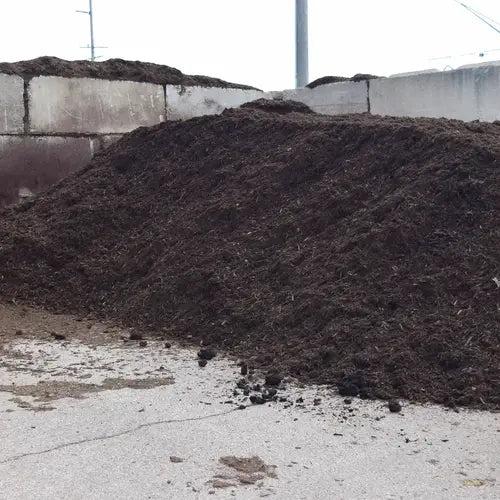
Mulch Mound delivers bulk mulch by the cubic yard to homes and properties throughout the Sandusky area, making it easy to cover beds, borders, and yards in a single drop. If you have been searching for bulk mulch delivery near me, we carry several shredded and engineered wood fiber varieties to match your landscape style and soil conditions. From small garden beds to full yard projects, we make ordering and delivery straightforward.
Natural Brown Mulch
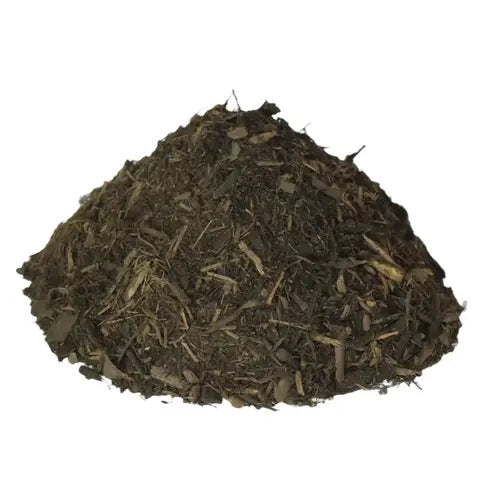
Available in double shredded or triple shredded styles, Natural Brown Mulch offers a warm, undyed tone that complements the heavy soils common across northern Ohio. The triple shredded option produces a finer texture that spreads easily and breaks down gradually over time to enrich your planting beds.
Dyed Black Mulch
Available in double shredded or triple shredded styles, Dyed Black Mulch creates a bold contrast that makes plants and flowers stand out. The durable color holds through wet Lake Erie winters and humid summers, keeping landscape beds looking sharp from early spring through late fall.
Dyed Red Mulch
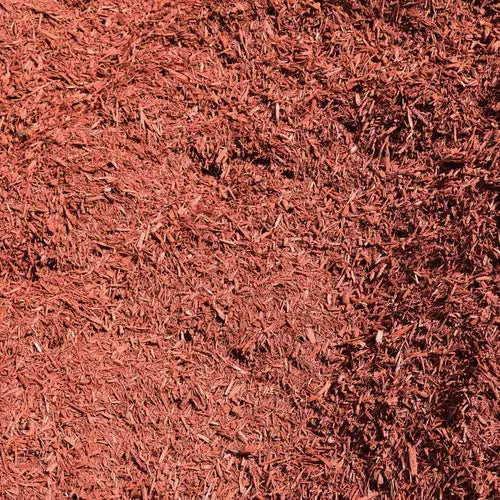
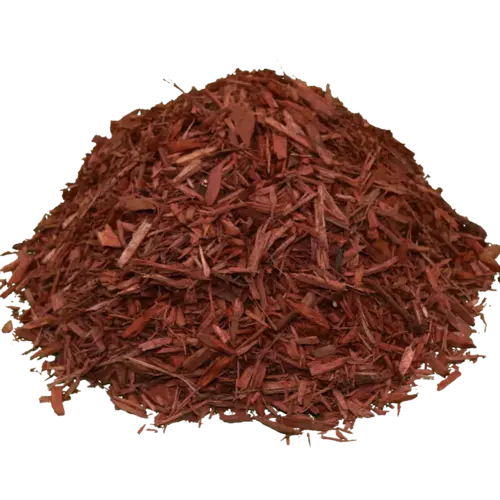
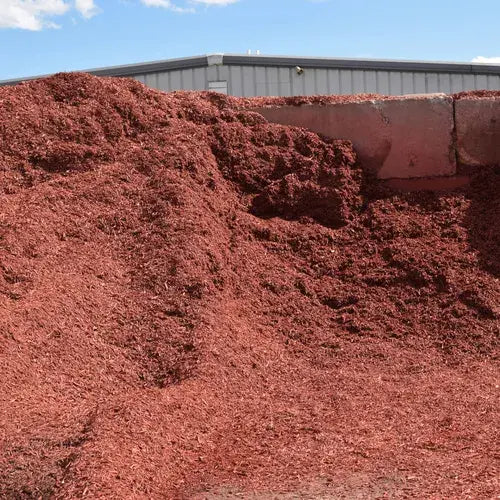
Dyed Red Mulch comes in a double shredded cut that spreads smoothly and delivers a vibrant color that lasts all season. It pairs well with brick foundations and mixed perennial borders that are common in residential yards across this part of Ohio.
Playground Mulch
Playground Mulch is an engineered wood fiber product built to cushion falls, drain quickly, and hold up through heavy use. It suits backyard play areas across the region, where wet spring conditions make reliable drainage under play equipment a real priority.
Complete Your Outdoor Mulch Project
If your beds need a soil refresh before mulching, our bulk topsoil and garden soil options are a great first step to improving Sandusky's silt loam with added nutrients and drainage. Consider adding decorative stone borders around mulched beds to keep material in place and give your landscape a clean, finished look.


Service area
Areas we deliver mulch in Sandusky, Ohio
Mulch Mound Pro Tip
Sandusky's silt loam has a tendency to form a surface crust after prolonged rain, which can repel water even when the ground below is dry. Before laying fresh mulch in spring, loosen the top inch of soil with a hand cultivator so moisture from rain and irrigation can penetrate rather than run off. This small step dramatically improves how well your plants establish during the critical post-frost window between late April and early June.
Mulch Mound Pro Tip
Because Sandusky sits in Zone 6b with the first frost arriving around October 30, timing your fall mulch application matters more than most homeowners realize. Applying mulch too early in fall while soils are still warm can encourage fungal growth under the layer. Wait until after the first light frost has knocked back annual weeds and cooled soil temperatures, then apply your 3 inch protective layer to preserve that moderate soil warmth for overwintering roots.
Mulch Mound Pro Tip
Sandusky receives about 37 inches of rainfall each year, much of it falling in spring and early summer when beds are freshly planted. Without mulch, that rainfall beats directly on bare silt loam, splashing soil particles and weed seeds onto plant leaves and compacting the surface. A consistent 2.5 to 3 inch mulch layer breaks the force of those raindrops, keeps splash-borne disease off your plants, and dramatically reduces the number of weed seeds that ever reach enough light to germinate.
The Unique Landscape of Sandusky
Sandusky's silt loam soil has a tendency to compact under foot traffic and seasonal freeze-thaw cycles, which makes maintaining healthy plant beds a real challenge for local homeowners. A quality layer of mulch acts as a buffer against that compaction while also moderating the dramatic soil temperature swings that come with Zone 6b winters and hot, humid Lake Erie summers. With 37 inches of annual rainfall spread across all seasons, unprotected beds lose moisture quickly through evaporation during dry July and August stretches, and mulch is the most reliable way to hold that moisture where plant roots need it. Sandusky's last frost typically falls around April 25, meaning mulch applied in early May helps warm soil faster so new plantings can establish before summer heat arrives. By the time the first frost hits around October 30, that same mulch layer insulates root systems through the cold months ahead. Because silt loam tends to seal over and form a surface crust after heavy rains, mulch also prevents raindrop impact and keeps beds from becoming waterlogged and compacted.